Source Thin Layer Anti-Rust Oil for Sealing, Lubrication, and Cooling
Explore 30 listings for thin layer anti-rust oil designed for sealing, rust prevention, and lubrication. Buyers can compare specifications like viscosity, flash point, and packaging options from suppliers in China and Shenyang to find the right solution for industrial needs.
Key considerations
Products List


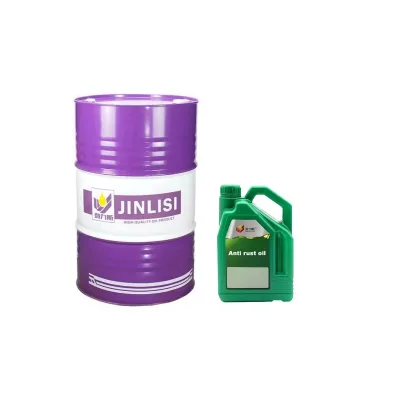
Premium Anti Rust Lubricant for Long-Lasting Protection and Performance
$0.40 - $0.43
MOQ: 4000 Pieces



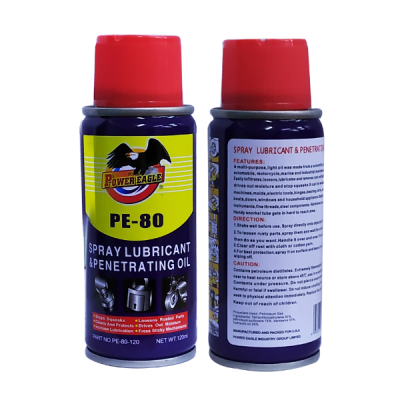
$0.66 - $0.72
MOQ: 3000 Minimum




Comprehensive Sourcing Guide
Strategic Sourcing Guide for Thin Layer Anti-Rust Oil Procurement
Understanding the Technical Landscape of Thin Layer Anti-Rust Oils
Procuring thin layer anti-rust oil requires a precise understanding of the chemical composition and physical properties that define its effectiveness. In the B2B market, these products are often categorized by their base oil type, which fundamentally dictates their performance characteristics. The available market data indicates a divergence in base oil types, ranging from traditional mineral oils to emerging bio-based alternatives. Buyers must recognize that mineral oil-based products typically offer robust lubrication and rust prevention, often enhanced with specific additives such as viscosity index improvers, dispersants, anti-wear agents, and antioxidants. These additives are critical for maintaining the integrity of the oil film under varying operational conditions.
Conversely, bio-based options present a different value proposition, often marketed for specific environmental profiles or specialized applications like automotive paint protection. The physical state of these oils is generally described as a yellow to dark brown oily liquid, a visual indicator that buyers should verify during sample inspection. The thickness of the protective layer is a primary concern; thin layer oils are designed to provide a barrier without the excessive buildup associated with heavy greases. This characteristic makes them ideal for applications where subsequent machining or assembly is required. Key performance metrics include kinematic viscosity, which for certain mineral oil variants falls within the range of 5.0 to 12.0 mm²/S at 40℃. This viscosity range ensures the oil spreads easily to form a uniform film while retaining enough body to resist displacement.
Flash point is another critical safety and performance parameter. While some industrial formulations may exhibit lower flash points, high-performance variants often demonstrate a minimum open cup flash point of 200℃, ensuring safety during storage and application in warmer environments. The pour point, indicating the lowest temperature at which the oil remains fluid, is equally important for global supply chains. Data suggests pour points can range from -5℃ to -8℃, allowing for application in cold climates without the oil solidifying. Buyers should verify these specific thermal properties against their operational environment, as a mismatch can lead to equipment failure or application difficulties.
Compliance, Certification, and Regulatory Verification
Navigating the regulatory landscape is a non-negotiable aspect of sourcing industrial chemicals. The compliance status of a thin layer anti-rust oil supplier must be verified through documented certifications rather than verbal assurances. The market data highlights several recognized certification types, including MSDS (Material Safety Data Sheet) and CE marking, which are essential for products intended for the European market or those requiring strict safety handling protocols. Additionally, certifications such as Reach and RoHS are frequently cited in the industry, though buyers should treat these as observed attributes rather than universal guarantees for every listed product.
When evaluating a potential supplier, the first step is to request the MSDS. This document provides the necessary data on hazardous ingredients, handling procedures, and emergency measures. The presence of a CE mark indicates conformity with health, safety, and environmental protection standards for products sold within the European Economic Area. For buyers operating in regions with strict environmental regulations, verifying Reach compliance is crucial to ensure the product does not contain substances of very high concern. It is important to note that certification status can vary by product model and batch. For instance, specific product lines may carry an MSDS certification while others might not, or a product might be certified for one region but not another.
Buyers must also scrutinize the "Standard" field in product specifications. Some products are packaged and standardized in 200L barrels, while others are available in smaller units like 18L or 450ml cartons. The packaging standard often correlates with the intended scale of operation and the regulatory requirements for transport. For example, products originating from Shenyang or Shandong in China may have different local compliance frameworks compared to those from other regions. The absence of a specific certification in the product listing does not necessarily mean the product is non-compliant, but it does require a proactive verification step. Buyers should explicitly ask suppliers to provide the latest version of the MSDS and any relevant third-party test reports that confirm the product meets the specific regulatory standards of the destination country.
Cost Drivers and Pricing Structure Analysis
The pricing of thin layer anti-rust oil is influenced by a complex interplay of factors, including raw material costs, packaging requirements, and order volume. The observed price range in the market is exceptionally broad, spanning from $0.40 to $5,000 USD. This wide variance is not indicative of a single product type but rather reflects the diversity of formulations, packaging sizes, and service levels available. A unit price of $0.40 likely corresponds to bulk industrial grades sold in large quantities, whereas a price of $5,000 may represent a specialized, high-performance formulation or a complete bulk shipment of a premium product.
Minimum Order Quantity (MOQ) is a significant driver of the effective unit cost. The market data shows an MOQ range from 1 unit to 5,000 units. Suppliers with lower MOQs often charge a premium per unit to cover the administrative and logistical costs of handling smaller orders. Conversely, buyers who can commit to larger volumes, such as orders in 200L barrels or full container loads, can negotiate significantly lower unit prices. The packaging format also impacts cost; products sold in 24-piece cartons or 450ml bottles will have a higher per-unit cost compared to those sold in 200L barrels, where the packaging cost is amortized over a larger volume of product.
Service levels, such as OEM (Original Equipment Manufacturer) capabilities, can also influence pricing. Suppliers offering custom labeling, specific additive blends, or tailored packaging solutions often command higher prices due to the additional engineering and logistical overhead. Buyers should be wary of prices that seem abnormally low, as this may indicate a compromise in quality or the use of inferior base oils. It is essential to calculate the total landed cost, which includes the product price, shipping, insurance, and any applicable tariffs. The origin of the product, whether from Shenyang, Shandong, or other regions, will also affect shipping costs and lead times, which are hidden cost drivers that must be factored into the procurement budget.
Typical Applications and Performance Verification
Thin layer anti-rust oils serve a variety of critical functions across different industries. The primary applications identified in the market data include sealing, rust prevention, lubrication, and cooling. These products are versatile enough to be used in metalworking, automotive maintenance, and general industrial equipment protection. For instance, the application of "protecting car paint surface" suggests a specialized use case where the oil must be non-corrosive to coatings while still providing a barrier against moisture. In such scenarios, the oil must not leave a residue that interferes with the paint's finish or adhesion.
Performance verification is essential to ensure the oil meets the specific needs of the application. The Four-Ball Test is a standard method for evaluating the anti-wear properties of lubricants. A wear scar diameter of 0.45 mm is a specific data point observed in the market, indicating the level of protection the oil provides under high-load conditions. Buyers should request test results for this parameter if their application involves heavy machinery or high-stress environments. Similarly, the copper strip corrosion test is a critical indicator of the oil's ability to protect copper and copper alloys. A grade of 1 in a 100℃, 3-hour test is a benchmark for high-quality rust prevention, signifying minimal corrosion.
The anti-oxidation stability of the oil is another key performance metric. An acid value increase of 0.3 is a specific observation that suggests the oil's resistance to degradation over time. This is particularly important for applications where the oil is expected to remain in service for extended periods without replacement. Buyers should also consider the spray rate, which can be as high as 99% for certain formulations, indicating efficient coverage and minimal waste. The application method, whether spray, dip, or brush, should be compatible with the oil's viscosity and flow characteristics. For example, a product with a kinematic viscosity of 5.0 to 12.0 mm²/S is likely suitable for spray applications, whereas a thicker oil might require dipping or brushing.
Supplier Evaluation and Quality Control Protocols
Selecting the right supplier for thin layer anti-rust oil requires a rigorous evaluation process that goes beyond price comparison. Buyers should assess the supplier's production capabilities, quality control systems, and track record. The presence of specific product models, such as Y258, S33, S32, or SG003, can indicate the supplier's range of offerings and their ability to meet diverse customer needs. A supplier that offers a wide range of models is more likely to have the flexibility to accommodate custom requirements.
Quality control should be a central part of the supplier evaluation. Buyers should inquire about the supplier's internal testing procedures and whether they conduct regular third-party audits. The ability to provide batch-specific test reports is a strong indicator of a supplier's commitment to quality. Additionally, the supplier's response time and communication style are important factors, as they reflect the overall professionalism and reliability of the partnership. The "Service" attribute, such as OEM acceptance, is also a key differentiator. Suppliers that offer OEM services can provide customized solutions, including specific packaging, labeling, and formulation adjustments.
When evaluating suppliers, buyers should also consider the geographical location of the manufacturing facility. Products originating from regions like Shenyang or Shandong in China may have different logistical advantages depending on the buyer's location. Proximity to the buyer can reduce lead times and shipping costs, but it may also limit the pool of available suppliers. Buyers should verify the supplier's capacity to meet demand during peak seasons and their ability to handle unexpected order fluctuations. A supplier with a robust supply chain and inventory management system is better positioned to ensure consistent product availability.
Long-Term Procurement Considerations and Risk Management
Sourcing thin layer anti-rust oil is not a one-time transaction but a long-term strategic partnership. Buyers must consider the long-term implications of their procurement decisions, including supply chain resilience, product consistency, and environmental sustainability. The variability in product attributes, such as color, viscosity, and flash point, underscores the importance of establishing clear quality standards in the procurement contract. Buyers should specify the acceptable ranges for these parameters to ensure that every batch meets their operational requirements.
Risk management is another critical aspect of long-term procurement. Buyers should diversify their supplier base to mitigate the risk of supply disruptions. Relying on a single supplier for a critical product like anti-rust oil can be risky, especially if that supplier faces production issues or regulatory changes. Establishing relationships with multiple suppliers can provide a safety net and ensure continuity of supply. Additionally, buyers should stay informed about changes in regulations and industry standards that may affect the product. For example, changes in environmental regulations could impact the availability of certain additives or base oils.
Sustainability is increasingly becoming a priority in B2B procurement. Buyers should evaluate the environmental impact of the products they source, including the biodegradability of the oil and the recyclability of the packaging. Bio-based oils, for instance, may offer a more sustainable alternative to traditional mineral oils. Buyers should also consider the lifecycle of the product, from production to disposal, and seek suppliers who are committed to reducing their carbon footprint. By prioritizing sustainability, buyers can align their procurement strategies with corporate social responsibility goals and meet the expectations of environmentally conscious stakeholders.
In conclusion, sourcing thin layer anti-rust oil requires a comprehensive approach that balances technical specifications, compliance, cost, and supplier reliability. By carefully evaluating these factors and establishing clear quality standards, buyers can secure a supply of high-quality products that meet their operational needs and support their long-term business goals. The complexity of the market demands a disciplined and evidence-based approach to procurement, ensuring that every decision is grounded in verified data and sound business practices.
FAQs
What certifications are available for thin layer anti-rust oil?
Products often carry Reach, RoHS, Dgm, and MSDS certifications. Some specific models also hold CE marking. Buyers must verify the exact certification status for each product model as it varies by batch and origin.
Which base oil types are used in these anti-rust oils?
The market offers both mineral oil and bio-based oil variants. Mineral oil types typically include additives like viscosity index improvers and anti-wear agents. Bio-based options are often used for specialized applications like car paint protection.
How is the product packed and shipped?
Packaging options include 200L barrels, 18L drums, and 450ml cartons. Some items are packed in barrels while others come in 24-piece cartons. The standard packaging often depends on the specific product model and order volume.
Can I find products with specific viscosity ranges?
Yes, certain mineral oil variants have a kinematic viscosity between 5.0 and 12.0 mm²/S at 40℃. This range ensures the oil spreads easily while maintaining a protective film. Buyers should check specific product models for exact viscosity data.
What are the flash point requirements for safety?
Flash points vary, with some industrial grades having a minimum of 110℃ and others reaching 200℃. Higher flash points ensure safety during storage and application in warmer environments. Always verify the open cup flash point for the specific model.
Which locations are the primary origins for these oils?
Products originate from regions like Shenyang and Shandong in China. These locations influence shipping costs and lead times. Buyers should confirm the specific origin for each supplier to plan logistics effectively.
What is the minimum order quantity for these products?
MOQs range from 1 unit up to 5000 units depending on the supplier. Smaller orders often carry a higher unit price, while bulk purchases in 200L barrels reduce costs. Customization services may also affect the minimum order requirements.