Source cosmetic raw material 3-methylbutyl 3-methylbutanoate for hair care, detergents, and cosmetics
Explore 30 listings for cosmetic raw material 3-methylbutyl 3-methylbutanoate to compare purity, packaging, and delivery times. Buyers can evaluate options for hair care, detergent, and cosmetic applications from verified Chinese suppliers.
Key considerations
Products List





Comprehensive Sourcing Guide
Strategic Sourcing Guide for Cosmetic Raw Material 3-Methylbutyl 3-Methylbutanoate
Procuring specialized chemical intermediates for the cosmetics industry requires a rigorous approach that balances technical precision with supply chain reliability. When sourcing the core keyword cosmetic raw material 3-methylbutyl 3-methylbutanoate, buyers must navigate a landscape of complex chemical identifiers, varying grade standards, and diverse supplier capabilities. This guide provides a structured framework for evaluating potential vendors, ensuring that the final product meets the stringent requirements of modern cosmetic formulations. The following sections detail the technical specifications, compliance protocols, cost drivers, and quality control measures essential for a successful procurement strategy.
Technical Specifications and Chemical Identity Verification
The foundation of any successful sourcing initiative lies in the precise identification of the chemical entity. In the context of the provided market data, buyers often encounter multiple chemical names and identifiers that may refer to different intermediates or isomers. For instance, the market data explicitly lists 3-Methyl-3-methoxybutanol with CAS No. 56539-66-3 and molecular formula C6H14O2. However, the core keyword 3-methylbutyl 3-methylbutanoate is an ester, which possesses a distinct chemical structure and properties compared to the alcohol intermediate listed in the sample data.
Buyers must exercise extreme caution when matching product listings to their specific needs. The provided data includes entries for 2-Methylbutyl 2-Methylbutyrate (CAS 2445-78-5) and Cis-3-Hexenyl 2-Methylbutanoate (CAS 53398-85-9). While these are all related to fragrance and cosmetic chemistry, they are not the same substance. A procurement error here could lead to formulation failures or regulatory non-compliance.
When evaluating product listings, buyers should verify the following technical attributes:
- CAS Number: This is the definitive unique identifier. Ensure the listing matches the specific CAS for 3-methylbutyl 3-methylbutanoate.
- Molecular Formula (MF): Verify the stoichiometry matches the target ester.
- Appearance: The data indicates products may appear as Colorless Liquid or simply Liquid. The specific clarity and color are critical for cosmetic transparency.
- Purity: High-grade materials often claim 99% purity. Buyers must confirm if this figure applies to the specific ester or if it refers to a different intermediate like the alcohol mentioned in the data.
- Grade: The data shows Cosmetic Grade and Industrial Grade options. For cosmetic applications, the Cosmetic Grade is typically the mandatory requirement to ensure safety and lack of harmful impurities.
Regulatory Compliance and Certification Protocols
Navigating the regulatory landscape is a critical component of sourcing cosmetic raw materials. In the regions indicated by the supply data, such as Shandong China and Hebei, China, manufacturers operate under specific national and international standards. Buyers must verify that the supplier possesses the necessary documentation to export to their target market.
The data references EINECS No. 260-252-4, which is a European inventory number. While this number is associated with one of the listed intermediates, buyers must confirm its applicability to the specific ester they are purchasing. If the product is intended for the European market, the supplier must demonstrate that the substance is listed in the European Inventory of Existing Commercial Chemical Substances.
Furthermore, the HS Code 29156000 is cited in the data, which generally pertains to esters of carboxylic acids. This classification is vital for customs clearance and duty calculation. Buyers should request a Certificate of Analysis (CoA) that explicitly states the product's compliance with relevant safety standards. While the data mentions Industrial Grade and Cosmetic Grade, it does not specify third-party certifications like ISO or GMP. Buyers should not assume these certifications exist without written proof from the supplier.
Key compliance checks include:
- REACH Registration: For EU markets, ensure the substance is registered under the Registration, Evaluation, Authorisation and Restriction of Chemicals regulation.
- FDA Compliance: For US markets, verify that the ingredient is permitted for use in cosmetics under FDA regulations.
- IFRA Standards: If the material is used in fragrances, it must comply with the International Fragrance Association (IFRA) standards regarding safe usage levels.
Cost Drivers and Pricing Dynamics
Understanding the cost structure of cosmetic raw materials is essential for budgeting and negotiation. The observed price range in the market data spans from 0 to 5200 USD, a wide variance that likely reflects differences in purity, packaging, quantity, and the specific chemical identity of the product. The MOQ (Minimum Order Quantity) ranges from 1kg to 1000kg, indicating that pricing is highly volume-dependent.
Several factors influence the final cost:
- Purity Level: Higher purity grades, such as the 99% mentioned in the data, typically command a premium price over industrial grades.
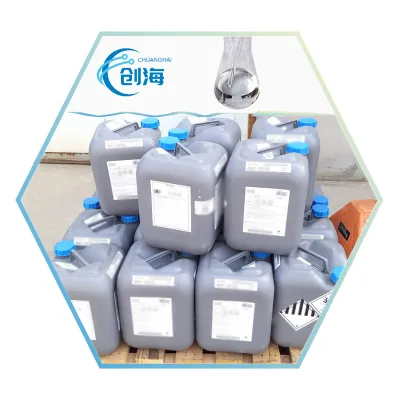
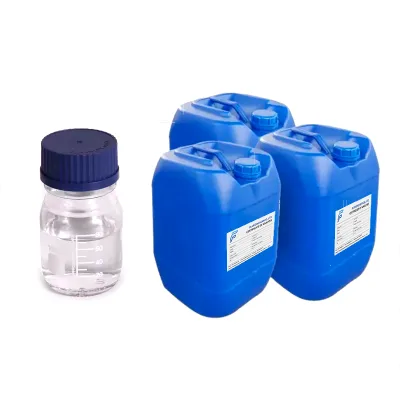
- Packaging: The data lists packaging options including 200kg plastic drums, 25kg drums, and smaller units. Smaller packaging units often have a higher cost per kilogram due to increased handling and material costs.
- Logistics: Shipping methods vary, with options including FedEx, Air, and Sea. Air freight is faster but significantly more expensive than sea freight, impacting the total landed cost.
- Supply Chain Location: The origin is listed as Hebei or Shandong, China. Proximity to ports and local logistics infrastructure can affect shipping costs and lead times.
Buyers should be wary of prices that seem unusually low, as they may indicate lower purity, older stock, or incorrect chemical identification. Conversely, prices at the high end of the range may include value-added services like custom testing or expedited shipping.
Typical Applications in Cosmetic Formulations
The primary application for 3-methylbutyl 3-methylbutanoate is in the realm of Flavor & Fragrance Intermediates and Cosmetic Raw Materials. The data explicitly links similar compounds to Hair Care Chemicals, Detergent Raw Materials, and general Cosmetics.
As an ester, this compound is likely utilized for its olfactory properties, contributing fruity or sweet notes to fragrance blends. Its stability and solubility characteristics make it suitable for various cosmetic bases, including:
- Perfumes and Eau de Toilettes: Used as a fragrance ingredient to enhance the scent profile.
- Skin Care Products: Incorporated into creams and lotions for their sensory benefits.
- Hair Care Formulations: Added to shampoos and conditioners to provide a pleasant aroma.
The data notes a Shelf Life of 24 months or 2 Years Properly Stored for similar intermediates. This longevity is crucial for inventory management and product stability. Buyers should ensure that the specific ester they source has a comparable shelf life and storage requirements, typically a Cool Dry Place, to maintain its efficacy throughout the product's lifecycle.
Supplier Evaluation and Capability Assessment
Selecting the right supplier is as important as selecting the right chemical. The market data highlights several attributes that can serve as evaluation criteria. A reliable supplier should demonstrate:
- Stock Availability: The data indicates products are in Stock, which is a positive sign for immediate fulfillment.
- Service Level: 24 Hour Online Service is a key differentiator, ensuring that buyers can resolve issues or place orders at any time.
- Sample Availability: The ability to request Samples allows buyers to verify the quality and characteristics of the product before committing to a large order.
- Delivery Time: The data cites a 48 Hours delivery time for certain items. Buyers should clarify if this refers to processing time or actual shipping time, as this impacts production scheduling.
When evaluating suppliers, buyers should request a detailed company profile, including their manufacturing capacity, quality control processes, and history of compliance. It is also advisable to check for any past disputes or negative feedback, although the provided data does not include such historical records.
Quality Control and Long-Term Procurement Considerations
Maintaining consistent quality is paramount in the cosmetics industry. The data mentions specific physical properties such as Colorless Liquid appearance and Odourless characteristics for some intermediates. However, for the specific ester 3-methylbutyl 3-methylbutanoate, buyers must define their own quality parameters based on their formulation needs.
Quality Control Measures:
- Certificate of Analysis (CoA): Every batch should be accompanied by a CoA detailing the purity, density, refractive index, and other relevant physical constants.
- Batch Testing: Implement a system for random batch testing upon receipt to ensure consistency.
- Storage Conditions: Adhere to the recommended Cool Dry Place storage to prevent degradation.
Long-Term Procurement Strategy:
- Contractual Agreements: Establish long-term contracts that lock in pricing and ensure priority supply during market shortages.
- Diversification: Do not rely on a single supplier. Diversifying the supply base mitigates the risk of disruption.
- Continuous Monitoring: Regularly review supplier performance against key metrics such as on-time delivery, quality consistency, and responsiveness.
Comparative Analysis of Product Attributes
To assist in decision-making, the following table summarizes key attributes observed in the market data that are relevant to sourcing cosmetic raw materials. While not all attributes apply to the specific target chemical, they provide a benchmark for what to expect and verify.
| Attribute | Observed Value in Data | Relevance to Sourcing |
|---|---|---|
| Product Grade | Cosmetic Grade, Industrial Grade | Critical for regulatory compliance and safety. |
| Purity | 99% | Indicates high quality; verify for specific batch. |
| Packaging | 25kg Drum, 200kg Drum | Affects storage needs and handling costs. |
| Shelf Life | 24 Months / 2 Years | Determines inventory turnover and stability. |
| Origin | Shandong, Hebei, China | Influences logistics costs and lead times. |
| Delivery Time | 48 Hours | Indicates supplier responsiveness and stock levels. |
| CAS Number | 56539-66-3, 2445-78-5, 53398-85-9 | Must match the specific chemical target exactly. |
| Sample Availability | Available | Essential for pre-purchase verification. |
Conclusion
Sourcing cosmetic raw material 3-methylbutyl 3-methylbutanoate requires a meticulous approach that prioritizes chemical accuracy, regulatory compliance, and supplier reliability. The market data reveals a complex environment with multiple chemical identifiers and varying grade standards. Buyers must carefully distinguish between the target ester and other listed intermediates like 3-Methyl-3-methoxybutanol or 2-Methylbutyl 2-Methylbutyrate. By rigorously verifying CAS numbers, purity levels, and grade standards, and by engaging with suppliers who offer samples and robust quality control, buyers can secure a supply chain that supports the high standards of the cosmetics industry. Ultimately, a successful procurement strategy hinges on the ability to navigate these technical nuances while maintaining a focus on long-term quality and cost-effectiveness.
FAQs
What is the purity level of cosmetic raw material 3-methylbutyl 3-methylbutanoate?
The product typically offers a purity level of 99% for high-grade applications. This specification ensures the material meets strict cosmetic standards, though buyers should verify the Certificate of Analysis for each specific batch to confirm exact purity before use.
How long is the shelf life of this cosmetic raw material?
The shelf life is generally 24 months or two years when properly stored. To maintain quality, the product must be kept in a cool, dry place, preventing degradation that could affect its performance in final cosmetic formulations.
Can I get samples of cosmetic raw material 3-methylbutyl 3-methylbutanoate?
Yes, samples are available for verification before placing a bulk order. This allows buyers to test the product's physical properties and purity, ensuring it meets their specific formulation requirements before committing to larger Minimum Order Quantities.
Which packaging options are available for this chemical intermediate?
Packaging is available in 25kg drums or 200kg plastic drums depending on order size. These options accommodate different storage capacities and shipping needs, with smaller units often used for sampling or smaller production runs.
What is the minimum order quantity for this cosmetic raw material?
The minimum order quantity can start as low as 1kg for small trials. Larger orders may require quantities up to 1000kg, allowing flexibility for both small-scale testing and large-scale industrial production needs.
How fast can suppliers deliver cosmetic raw material 3-methylbutyl 3-methylbutanoate?
Delivery time is typically 48 hours for in-stock items. This rapid turnaround is possible because the product is currently held in stock, enabling quick fulfillment for urgent production schedules or immediate project needs.
Which grade is suitable for cosmetic applications of this material?
Cosmetic Grade is the appropriate classification for use in beauty and personal care products. This grade ensures the material meets safety standards for direct application, distinguishing it from industrial grades that may contain higher impurity levels.