Source Threaded Cartridge Excavator Relief Valve for Mining, Marine, Special
Compare 30 Threaded Cartridge Excavator Relief Valve options from verified Chinese suppliers. Buyers can evaluate hydraulic drive types, pressure ratings, and customization support for excavator applications including mining, marine, and special uses; compare the available evidence and request quotations based on your requirements.
Key considerations
Products List


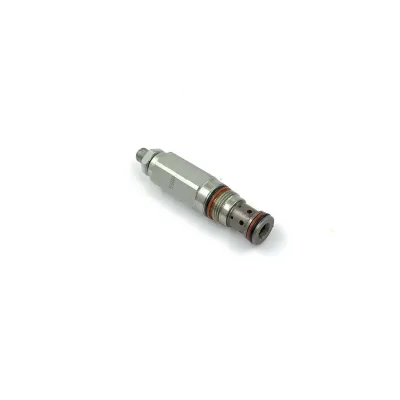
Hydraulic Solenoid Threaded Cartridge Proportional Valve Excavator Parts
$25.00 - $35.00
MOQ: 10 Pieces



Comprehensive Sourcing Guide
Threaded Cartridge Excavator Relief Valve Sourcing Guide
Procuring threaded cartridge excavator relief valves requires a disciplined approach to technical verification and supplier qualification. These hydraulic components are critical for maintaining system pressure integrity in heavy machinery, particularly in excavators where high-pressure environments demand reliable performance. Buyers must navigate a market with diverse product listings, ensuring that the selected valves match the specific operational requirements of their equipment. The complexity of hydraulic systems means that even minor mismatches in valve specifications can lead to significant downtime or catastrophic failure. Therefore, understanding the nuances of product attributes, from drive type to installation method, is essential for making informed sourcing decisions.
This guide provides a structured framework for evaluating threaded cartridge relief valves based on observed market data and trusted industry knowledge. It focuses on key decision points such as technical specifications, compliance documentation, and commercial terms. By adhering to these guidelines, procurement professionals can mitigate risks associated with counterfeit or substandard components. The aim is to empower buyers with the knowledge to verify critical attributes, such as pressure ratings and material composition, ensuring that the sourced valves meet the rigorous demands of excavator applications. This approach fosters long-term reliability and operational efficiency in hydraulic systems.
Product Scope and Observed Listing Signals
The current market for threaded cartridge excavator relief valves presents a wide range of options, with observed price points varying significantly from low-cost units to premium engineered solutions. Listings often highlight specific models such as RDDALCN, FVCAXAN, and DRV-10-14, indicating a diverse portfolio of available parts. Buyers should note that while some products are marketed as direct-operated types, others are pilot-operated, which affects their response characteristics and suitability for different hydraulic circuits. Understanding these distinctions is crucial for selecting the right component for specific excavator models, such as the Cat 320 or Cat 329, where precise pressure regulation is vital for optimal performance.
Observed attributes also reveal variations in customization options and packaging. Many suppliers offer customization support, including OEM and ODM services, allowing for tailored solutions that meet unique operational needs. Packaging is typically neutral, either in cartons or specialized protective materials, to ensure safe transit. Additionally, some listings specify unit weights and dimensions, such as 0.28 kg or standard sizes like 1155 cm, which aid in logistics planning. Buyers must carefully review these details to ensure compatibility with their existing inventory systems and storage capabilities, avoiding unnecessary handling costs or space constraints.
Technical Specifications to Verify
Verifying technical specifications is paramount when sourcing threaded cartridge relief valves, as these components directly influence hydraulic system performance. Key attributes to confirm include the drive type, which is often hydraulic, and the installation method, typically threaded cartridge. Buyers should also check the pressure rating, ensuring it meets the high-pressure demands of excavator applications. Material composition is another critical factor, with stainless steel being a common choice for durability and corrosion resistance. Additionally, the function of the valve, whether for flow control, pressure regulating, or balancing, must align with the specific requirements of the hydraulic circuit to prevent inefficiencies or failures.
Further verification should include the valve's operational temperature range and power source, if applicable. Some valves are designed for ordinary or medium temperatures, while others may feature solenoid power for electronic control. It is also important to confirm the valve's compatibility with specific excavator types, such as crawler or mining excavators, and to ensure that the model number matches the original equipment manufacturer's specifications. Buyers should request detailed technical datasheets to validate these attributes, ensuring that the selected valves can withstand the rigorous conditions of heavy machinery operation without compromising safety or performance.
Compliance and Safety Documentation
Compliance with international standards is essential for ensuring the safety and reliability of threaded cartridge excavator relief valves. Buyers should verify that suppliers provide relevant certifications, such as ISO and CE marks, which indicate adherence to quality management and safety regulations. These certifications are critical for demonstrating that the valves meet established industry benchmarks for performance and durability. Additionally, some listings may reference specific standards like ISO 9001:2015 or ISO 7368, which govern quality management systems and hydraulic fluid power components, respectively. Confirming these certifications helps mitigate risks associated with non-compliant products that may fail under stress.
Beyond certifications, buyers should request documentation related to material traceability and testing procedures. This includes certificates of conformity and test reports that validate the valve's pressure ratings and functional performance. Ensuring that the valves are new and come with a warranty, typically one year, provides additional assurance of quality. Buyers should also inquire about the supplier's quality control processes, including inspection protocols and defect management systems. This documentation not only supports regulatory compliance but also facilitates easier integration into the buyer's supply chain, reducing the likelihood of disputes or returns due to non-conformance.
Cost Drivers and Commercial Terms
Understanding the cost drivers and commercial terms is crucial for effective procurement of threaded cartridge excavator relief valves. Prices can vary based on factors such as material quality, customization requirements, and order volume. Buyers should be aware that while some listings offer low minimum order quantities, others may require larger commitments to achieve favorable pricing. Lead times are another significant consideration, with some suppliers offering delivery within seven days for smaller orders, while larger quantities may require extended production periods. Negotiating clear terms for delivery, payment, and returns can help manage cash flow and operational planning.
Additionally, buyers should consider the total cost of ownership, including maintenance and replacement costs. High-quality valves with robust warranties may have higher upfront costs but offer long-term savings by reducing downtime and repair expenses. It is also important to clarify any additional fees, such as shipping or customs duties, which can impact the final cost. Suppliers may offer neutral packaging to reduce branding costs, but buyers should ensure that this does not compromise the protection of the valves during transit. By carefully evaluating these commercial terms, buyers can optimize their procurement strategy and achieve better value for their investment.
Supplier Qualification and Quality Control
Supplier qualification is a critical step in ensuring the reliability of threaded cartridge excavator relief valves. Buyers should assess suppliers based on their production capabilities, quality management systems, and track record in the industry. Verifying that suppliers have certified quality management systems, such as ISO 9001, is essential for ensuring consistent product quality. Additionally, buyers should inquire about the supplier's quality control processes, including incoming material inspections, in-process checks, and final product testing. This rigorous approach helps identify and mitigate potential defects before the valves are shipped, reducing the risk of field failures.
Furthermore, buyers should evaluate the supplier's ability to provide customization and technical support. Suppliers that offer OEM and ODM services demonstrate flexibility and a commitment to meeting specific customer needs. It is also important to assess the supplier's responsiveness and communication skills, as these factors can impact the efficiency of the procurement process. Buyers should request references or case studies from previous clients to gauge the supplier's reliability and performance. By conducting thorough due diligence, buyers can establish partnerships with suppliers that align with their quality standards and operational requirements, ensuring a stable and reliable supply chain.
Long-Term Procurement Checks
Long-term procurement checks are necessary to maintain the quality and reliability of threaded cartridge excavator relief valves over time. Buyers should implement regular audits and performance reviews to ensure that suppliers continue to meet agreed-upon standards. This includes monitoring key performance indicators such as delivery times, defect rates, and customer satisfaction. By tracking these metrics, buyers can identify potential issues early and take corrective actions to prevent disruptions in the supply chain. Additionally, buyers should stay informed about industry trends and technological advancements that may impact valve performance and compatibility.
Regular communication with suppliers is also vital for fostering a collaborative relationship and addressing any emerging challenges. Buyers should participate in supplier development programs to enhance quality and efficiency. It is also important to review and update procurement contracts periodically to reflect changes in market conditions or operational requirements. By maintaining a proactive approach to supplier management, buyers can ensure a steady supply of high-quality valves that support the long-term success of their excavator operations. This continuous improvement mindset helps mitigate risks and enhances overall supply chain resilience.
FAQs
What drive type is used in these threaded cartridge excavator relief valves?
The valves utilize hydraulic drive systems designed for heavy-duty applications. This configuration ensures reliable operation under high pressure conditions typical in excavator environments. The threaded cartridge installation method allows for secure mounting and easy maintenance during equipment servicing cycles.
Which certifications do these hydraulic valves typically hold for international markets?
These products commonly hold ISO and CE certifications to meet global safety standards. Some listings also reference ISO9001:2015 compliance for quality management systems. Buyers should verify specific certificate documents with suppliers to ensure the exact model meets regional regulatory requirements before purchase.
Can I find threaded cartridge excavator relief valves with custom packaging options?
Yes, customization is available for packaging and product labeling on many models. Options include neutral packaging or carton packaging to suit specific logistics needs. Buyers can also request custom laser lettering for branding purposes when ordering in sufficient quantities from manufacturers.
What is the typical delivery time for small orders of these valves?
Delivery times are often seven days for orders below fifty units. This rapid turnaround supports urgent maintenance needs for excavators in the field. Larger orders may require extended lead times depending on current production schedules and the specific manufacturer's capacity.
How does the pressure rating affect the selection of these relief valves?
These valves are rated for high-pressure applications suitable for excavator hydraulic systems. Selecting the correct pressure rating ensures system safety and prevents component failure under load. Models like the RDDALCN and DRV-10-14 are designed to handle specific pressure ranges effectively.
Which excavator models are compatible with these threaded cartridge relief valves?
These valves are applicable to various excavator types including Cat329 and general mining or marine excavators. They fit directly into systems requiring flow control, pressure regulation, and reversing functions. Compatibility should be confirmed against the specific machine model and hydraulic circuit requirements.