Source Threadless Headset for Mountain Bike, Road Bike, and Kids Bike
Compare 30 listings for Threadless Headset components suitable for ordinary bicycles, mountain bikes, road bikes, and kids bikes. Buyers can review specifications like material, weight, and customization options from suppliers in China.
Key considerations
Products List






Comprehensive Sourcing Guide
Threadless Headset Sourcing Guide
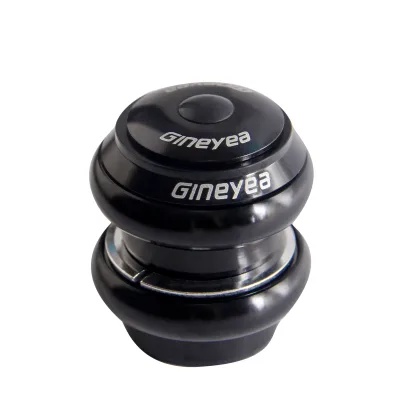
Sourcing threadless headsets requires a precise understanding of modern bicycle component architecture, as this system has largely replaced the older quill-style designs in mainstream cycling. The Threadless Headset, also known as a zero-stack or integrated headset depending on the frame interface, is critical for steering precision and handling stability. Buyers must recognize that this component is not a single universal part but a system comprising cups, bearings, a stem, and a top cap, all of which must interface correctly with the bicycle’s head tube and fork steerer tube. The decision to source these components involves balancing mechanical compatibility with aesthetic preferences and brand identity, particularly given the high visibility of the headset area on the front of the bicycle.
The procurement landscape for these components is diverse, ranging from generic aftermarket parts to specialized OEM manufacturing for major bicycle brands. Suppliers often offer customization options, allowing buyers to tailor the product to specific market demands, whether through logo placement, color schemes, or material selection. Understanding the distinction between standard and customized offerings is essential for defining the scope of the procurement project. Buyers should also be aware that while the core function remains consistent, the specific model numbers and designations used by suppliers can vary significantly, requiring careful verification of technical specifications to ensure compatibility with existing inventory or target customer bases.
Product Scope and Observed Listing Signals
The observed market signals indicate a broad range of products categorized under bicycle accessories, with specific listings identifying items such as "Bicycle Headset" and "Bottom Bracket Axle," suggesting that suppliers often bundle or cross-list related steering and drivetrain components. Listings frequently highlight customization capabilities, including the acceptance of customized logos and specific packing requirements such as OE/OEM standards, which are crucial for private label buyers. The presence of model numbers like LY-8129 and LY-8023 in the data suggests a standardized internal coding system among suppliers, which can aid in tracking specific product lines but requires buyers to map these codes to international standards for clarity.
Material composition is a key differentiator in the observed listings, with steel and aluminum being the primary materials mentioned for various components. While some listings explicitly state aluminum construction, others reference steel, indicating that buyers must verify the material grade for each specific part to ensure durability and weight characteristics meet their requirements. The color options observed, such as black and silver, reflect common aesthetic preferences in the cycling industry, but the availability of these finishes may vary by supplier and order volume. Additionally, the mention of "New" condition across listings confirms that the market is dominated by fresh manufacturing rather than refurbished parts, which is standard for this category of bicycle hardware.
Technical Specifications to Verify
Verifying the standard interface is the most critical technical step in sourcing threadless headsets, as compatibility is not guaranteed across all models. The observed data references a standard of "1-1/8", which is the most common steerer tube diameter for modern mountain and road bikes, but buyers must also consider integrated, semi-integrated, and external cup styles that dictate how the headset fits into the frame’s head tube. Specifications such as "Standard" or "No" size in some listings are ambiguous and require direct clarification from the supplier to determine if they refer to bearing size, cup diameter, or stack height. Buyers should request detailed dimensional drawings or CAD files to confirm that the headset matches the specific head tube diameter and length of the target bicycle frames.
Bearing type and quality are another vital area for verification, as they directly impact the smoothness of steering and the longevity of the component. While the provided data does not explicitly detail bearing materials, buyers should inquire whether the headsets use ceramic, stainless steel, or standard chrome steel bearings, and whether they are sealed or open type. The weight of the component, observed at 250 G for some listings, serves as a rough indicator of material density and construction quality, but buyers should not rely on weight alone as a proxy for performance. It is essential to confirm the preload adjustment mechanism and the compatibility of the top cap bolts with the stem clamp to ensure a secure and vibration-free assembly.
Compliance and Safety Documentation
Compliance with international quality management standards is a foundational requirement for reputable suppliers in the bicycle component industry. The observed data includes references to ISOCE certification, which likely pertains to ISO 9001 or similar quality management systems, indicating that the supplier has established processes for consistent manufacturing and quality control. Buyers should request valid certification documents and verify their current status with the issuing body to ensure that the supplier maintains these standards throughout the production cycle. This verification is particularly important for large-volume orders where consistency across batches is critical to maintaining brand reputation and product reliability.
Safety and performance standards for bicycle components are often governed by international bodies such as ISO and EN, which set requirements for strength, durability, and fatigue resistance. While specific test results are not provided in the observed data, buyers should ask for evidence of compliance with relevant standards, such as ISO 4210 for bicycle safety requirements. This may include documentation of stress tests, corrosion resistance tests, or bearing life cycle tests. Understanding the regulatory landscape of the target market is also essential, as some regions may have additional requirements for labeling, material safety, or environmental compliance that must be met before the products can be sold.
Cost Drivers and Commercial Terms
The cost of threadless headsets is influenced by several factors, including material choice, manufacturing complexity, and the level of customization required. The observed MOQ range of 1 to 5000 pieces indicates flexibility in order quantities, allowing buyers to start with smaller test orders or scale up to large production runs. However, lower MOQs may come with higher per-unit costs due to setup fees and reduced economies of scale. Buyers should negotiate pricing based on volume tiers and clarify whether the quoted price includes packaging, labeling, and any customization fees, such as logo printing or custom packing requirements.
Commercial terms also play a significant role in the total cost of ownership, including shipping, insurance, and payment terms. The observed origin locations of Zhejiang and Guangdong in China highlight the concentration of manufacturing in these regions, which can offer logistical advantages but may also be subject to regional supply chain dynamics. Buyers should establish clear agreements on lead times, especially for customized orders, and define the responsibilities for import duties and taxes. It is advisable to include clauses in the contract that address quality disputes, return policies, and penalties for delayed shipments to protect against potential disruptions in the supply chain.
Supplier Qualification and Quality Control
Supplier qualification involves a thorough assessment of their manufacturing capabilities, quality control processes, and track record in the bicycle component industry. Buyers should conduct factory audits or request third-party inspection reports to verify that the supplier has the necessary equipment and expertise to produce high-quality headsets. The ability to produce private molds, as indicated in the observed data, suggests that some suppliers have advanced manufacturing capabilities, which can be beneficial for buyers seeking unique designs or proprietary components. However, buyers must ensure that the supplier has robust quality control measures in place to maintain consistency and prevent defects.
Quality control should be integrated into the procurement process from the initial sampling stage through to final shipment. Buyers should define clear acceptance criteria for product quality, including dimensional tolerances, surface finish, and functional performance. Implementing a pre-shipment inspection protocol can help identify and rectify issues before the goods are dispatched, reducing the risk of receiving defective products. Establishing a strong communication channel with the supplier is also essential for addressing any quality concerns promptly and ensuring that corrective actions are taken to prevent recurrence in future orders.
Long-Term Procurement Checks
Long-term procurement success depends on continuous monitoring of supplier performance and market trends. Buyers should regularly review supplier metrics such as on-time delivery rates, defect rates, and responsiveness to issues to ensure that the partnership remains productive and reliable. As technology and design trends in the bicycle industry evolve, buyers must stay informed about new developments in headset technology, such as improved bearing systems or lightweight materials, to ensure that their product offerings remain competitive. This proactive approach allows buyers to adapt their sourcing strategies to changing market demands and maintain a high level of customer satisfaction.
Building a resilient supply chain also involves diversifying suppliers and maintaining healthy relationships with multiple vendors to mitigate risks associated with single-source dependencies. Buyers should periodically reassess their supplier base to identify potential alternatives and negotiate favorable terms based on long-term commitment. Additionally, staying engaged with industry associations and attending trade shows can provide valuable insights into emerging trends and best practices in bicycle component sourcing. By maintaining a strategic and informed approach to procurement, buyers can secure a steady supply of high-quality threadless headsets that meet the needs of their customers and support their business growth.
FAQs
What is the standard size for a Threadless Headset?
The standard size for a Threadless Headset is 1-1/8 inches. This specification ensures compatibility with most modern bicycle frames and forks. Buyers should verify this dimension before purchasing to ensure proper fit. The product page confirms this standard size for the LY-8023 model, which is a common choice for various bike types.
Can I customize the logo on threadless headsets?
Yes, customization is available for threadless headsets. Suppliers accept customized logos to meet specific branding requirements. This service allows buyers to add their own marks to the product. The product attributes indicate that customized options are available, making it suitable for OEM orders or private labeling needs.
What materials are used for threadless headsets?
Threadless headsets are typically made from steel or aluminum. These materials provide durability and strength for bicycle applications. Steel offers robustness, while aluminum provides a lighter weight option. The product facts list both steel and aluminum as common materials for these components, ensuring suitability for different performance needs.
What certifications do threadless headsets have?
Threadless headsets often carry ISOCE certification. This indicates adherence to specific quality and safety standards. Buyers can rely on this certification for product reliability. The product page explicitly lists ISOCE as a certification, providing assurance of quality for international sourcing and compliance requirements.
What is the minimum order quantity for headsets?
The minimum order quantity varies by supplier and product. Some items have an MOQ of 100 pieces, while others may require up to 5000 pieces. Buyers should check specific product listings for exact MOQ values. The observed range is 1 to 5000 pieces, allowing flexibility for both small and large orders.
Where are threadless headsets manufactured?
Threadless headsets are primarily manufactured in China. Specific origins include Zhejiang and Guangdong provinces. These regions are known for bicycle component production. Buyers can expect products to originate from these areas, which are hubs for manufacturing various bicycle accessories and parts.