Source three-folding automatic umbrella for Travel, Daily Commute, and Events
Find a selection of 30 three-folding automatic umbrella options from verified suppliers in China. Buyers can compare features like fabric type, frame material, and customization availability to match specific sourcing needs.
Key considerations
Products List


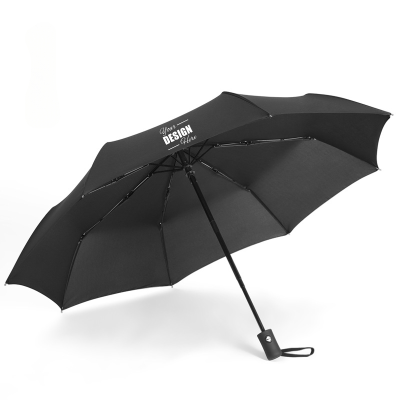

Automatic Portable Three Folding Umbrella with Full Printing Umbrella for Women
$2.00 - $5.60
MOQ: 20 Pieces


Automatic Open and Close Foldable Windproof 3 Fold Ladies Umbrella for Rain
$1.90 - $3.00
MOQ: 2 Pieces

OEM 3 Fold Umbrella Wholesale Logo Available Advertisement Gift Automatic Umbrella
$6.50 - $7.50
MOQ: 1000 Pieces

OEM Orange Bright Color Windproof Automatic Folding Umbrella with Reflective Strip
$3.00 - $3.50
MOQ: 1200 Pieces


Comprehensive Sourcing Guide
Strategic Sourcing Guide for Three-Folding Automatic Umbrellas
The global market for three-folding automatic umbrellas represents a dynamic intersection of functional necessity and promotional utility. For procurement professionals, sourcing this specific category requires a nuanced understanding of mechanical automation, material durability, and the regulatory landscape surrounding consumer goods. The "three-folding" architecture offers a distinct advantage in portability, balancing compactness with a larger canopy coverage compared to two-fold alternatives, while the "automatic" mechanism addresses the modern demand for hands-free operation. This guide synthesizes observed market data and technical requirements to provide a disciplined framework for evaluating suppliers and products in this sector.
Technical Specifications and Mechanical Architecture
The core of a three-folding automatic umbrella lies in its mechanical linkage and material composition. Unlike manual umbrellas, the automatic variant relies on a spring-loaded mechanism that opens the canopy with a single button press and typically requires manual closing. When evaluating technical specifications, buyers must scrutinize the frame material, as this dictates the umbrella's resistance to wind and structural integrity. Observed market data indicates a prevalence of fiberglass ribs, a material choice that offers superior flexibility and resilience against inversion in high winds compared to traditional steel. In specific product observations, fiberglass was noted as the primary frame material for folding sun umbrellas, providing a balance of weight and strength.
The canopy fabric is another critical technical variable. The market presents a dichotomy between pongee and polyester options. Pongee is frequently associated with sun umbrellas and anti-UV properties, offering a smooth finish and effective water repellency. Conversely, polyester variants are often observed in advertising contexts, where print fidelity is paramount, though some listings indicate a lack of anti-UV protection in these specific configurations. The diameter of the canopy is a standard specification that influences coverage; observed models frequently cite dimensions around 21 inches, though larger sizes exist for promotional use. The handle design, often categorized as a "short umbrella handle" in compact folding models, impacts the overall ergonomics and the folded length of the product.
Furthermore, the automation feature must be verified for reliability. The mechanism should operate smoothly without snagging the fabric or failing to lock the ribs in the open position. Buyers should request evidence of the control mechanism's durability, specifically looking for automatic controls that are robust enough to withstand thousands of cycles. The product model numbers, such as RG-1-1 or RUM-0305-22, often serve as internal identifiers for specific configurations of these mechanical and material traits.
Compliance, Certification, and Regulatory Standards
Navigating the compliance landscape is essential for importing umbrellas into regulated markets. While specific certification claims vary by supplier, certain standards are frequently observed in the product data. For instance, CE and SGS certifications have been noted in listings for specific umbrella models, indicating adherence to safety and quality benchmarks. The SGS standard appears in multiple contexts, suggesting a common requirement for third-party verification of material safety and structural integrity. Additionally, some product entries reference standards related to dimensions, such as "21, 23, 27," which may refer to canopy diameters or frame lengths, though these should be treated as specific product attributes rather than universal regulatory standards.
Buyers must verify that the supplier can provide valid, up-to-date certification documents. The presence of a "Standard and customized" designation in some listings suggests that manufacturers may offer products tailored to specific regional requirements. It is crucial to distinguish between marketing claims and verified compliance. For example, while "ROHS" is mentioned in background knowledge regarding environmental restrictions, buyers should not assume a specific product meets this standard without explicit documentation from the supplier. Similarly, claims of "Eco-Friendly" features should be substantiated by material composition data or third-party environmental certifications.
The origin of the product also plays a role in compliance. Products originating from Yiwu, Zhejiang, and Shanghai, China, are common in this sector. These regions have established manufacturing ecosystems, but buyers must ensure that the specific factory adheres to the export regulations of the destination country. The "Standard and customized" approach allows for flexibility, but it requires rigorous verification to ensure that the customized version maintains the necessary safety and quality standards of the base model.
Cost Drivers and Pricing Dynamics
The pricing of three-folding automatic umbrellas is influenced by a complex array of factors, including material selection, customization levels, and order volume. The observed price range in the market spans from $0.41 to $10.00 USD, a wide spectrum that reflects the diversity of product quality and features. The lower end of this range typically corresponds to basic polyester models with standard automatic mechanisms and minimal customization. In contrast, the higher price points are associated with premium materials like high-grade fiberglass, advanced anti-UV treatments, and complex customization involving logos and specific colorways.
Minimum Order Quantity (MOQ) is a significant cost driver. The observed MOQ range extends from 2 units to 1,200 units. A low MOQ of 2 allows for small-scale testing or sample procurement, but the unit cost will likely be higher. Conversely, an MOQ of 500 or 1,200 units, as seen in specific listings, often unlocks lower per-unit pricing but requires a larger capital outlay. The "Customization" attribute is a primary variable in cost; adding a customized logo or specific color requirements generally increases the unit price and may raise the MOQ threshold.
Packaging also impacts the final landed cost. Products listed with "1PC/PE Bag, 10PCS/Carton" packaging differ in logistics efficiency from those with "1PC/Polybag" or "Carton" only. Bulk packaging reduces shipping volume and handling costs, which can be a decisive factor for large orders. Buyers should analyze the total cost of ownership, including shipping, duties, and packaging waste, rather than focusing solely on the unit price. The "Windproof" feature, often a premium attribute, will also drive costs up compared to standard models.
Typical Applications and Market Segmentation
Three-folding automatic umbrellas serve diverse applications, ranging from personal daily use to corporate branding and promotional events. The "Sun Umbrella" and "Advertising Umbrella" classifications highlight this duality. Sun umbrellas are designed for personal protection against UV radiation, often featuring anti-UV coatings and specific fabric types like pongee. These are targeted at consumers seeking fashion and utility, with attributes like "Pure Color" or "Multicolor" appealing to style-conscious buyers.
In the B2B sector, advertising umbrellas are a staple for corporate gifting and trade shows. The "Customized" logo capability makes these products ideal for brand visibility. The "Feature: With Logo" attribute is a key indicator for this segment. Additionally, the "Usage: Decoration, Daily Use" tag suggests that some models are designed for aesthetic appeal in addition to functionality. The "Luminous" and "Novelty" features observed in some listings point to niche applications, such as event giveaways or seasonal promotions where unique visual elements are required.
The "Fashion" style attribute indicates a market segment focused on aesthetics, where the umbrella is treated as an accessory. These products often prioritize color variety and design over heavy-duty wind resistance. Understanding the specific application is vital for selecting the right product; a promotional event might prioritize logo visibility and cost, while a personal retail product might prioritize UV protection and durability.
Supplier Evaluation and Geographic Considerations
Evaluating suppliers requires a focus on their manufacturing capabilities, location, and track record. The product data indicates that major manufacturing hubs include Yiwu, Zhejiang, and Shanghai, China. These regions are known for their specialized textile and umbrella industries. When assessing a supplier, buyers should verify their origin location to ensure it matches the claimed manufacturing base. For instance, a supplier claiming to be from Shanghai should be able to provide proof of operations in that specific region.
The "OEM: Available" attribute is a critical indicator of a supplier's flexibility. It suggests that the manufacturer is capable of Original Equipment Manufacturing, allowing for custom designs, branding, and specifications. However, buyers must verify the extent of this capability. Does the supplier handle the entire process from design to packaging, or do they rely on third-party vendors? The "Customization: Available" status should be confirmed with specific examples of past work to ensure the supplier can meet unique requirements.
Supplier reliability is also tied to their quality control processes. The presence of standards like CE and SGS in product listings suggests a commitment to quality, but buyers should request audit reports or quality assurance protocols. The "Standard and customized" standard implies that the supplier can adapt to different requirements, but this flexibility must be managed through clear communication and contractual agreements.
Quality Control and Long-Term Procurement Strategies
Ensuring consistent quality is paramount in long-term procurement. The "Windproof" and "Anti UV" attributes are performance claims that require rigorous testing. Buyers should insist on test reports that validate these claims, such as wind tunnel tests for structural integrity and UV transmission tests for fabric protection. The "Feature: Eco-Friendly" claim, while noted, requires specific material certifications to be credible.
Long-term procurement strategies should focus on building a relationship with a supplier who can scale with demand. The wide MOQ range (2-1,200) suggests that suppliers are flexible, but buyers should negotiate terms that allow for incremental scaling without significant price penalties. Consistency in materials, such as maintaining the use of fiberglass ribs or specific fabric types, is essential for brand consistency.
Packaging standards, such as "1PC/PE Bag, 10PCS/Carton," should be standardized to ensure efficient logistics and product protection during transit. Buyers should also consider the lead times associated with customization. While specific lead times are not provided in the data, the complexity of custom logos and colors should be factored into the supply chain planning.
Comparative Analysis of Product Attributes
To facilitate decision-making, the following table summarizes key attributes observed in the market for three-folding automatic umbrellas. This comparison highlights the trade-offs between different product configurations.
| Attribute | Option A (Sun/Personal) | Option B (Advertising/Promo) | Option C (General/Standard) |
|---|---|---|---|
| Frame Material | Fiberglass | Fiberglass | Stainless Steel |
| Fabric | Pongee | Polyester | Cloth |
| UV Protection | Anti UV | Not Anti UV | Variable |
| Style | Folding / Fashion | Advertising | Fashion |
| Color | Black / Pure Color | Red / Multicolor | Multicolor |
| Customization | Logo Customized | Logo Customized | Logo Customized |
| MOQ Range | 500 | 2 - 1200 | 2 - 1200 |
| Origin | Yiwu, China | Zhejiang, China | Shanghai, China |
| Standards | CE, SGS | SGS | Standard & Customized |
This table illustrates that while customization is a universal feature, the material and functional attributes vary significantly based on the intended use. Buyers must align these attributes with their specific procurement goals, whether that is maximizing UV protection for personal use or optimizing print quality for promotional campaigns.
Conclusion
Sourcing three-folding automatic umbrellas requires a meticulous approach that balances technical specifications, compliance requirements, and cost considerations. The market offers a wide range of options, from basic polyester models to high-performance fiberglass sun umbrellas. By leveraging the observed data on materials, standards, and origins, buyers can make informed decisions that mitigate risk and ensure product quality. The key to successful procurement lies in verifying claims, understanding the nuances of customization, and establishing clear quality control protocols with suppliers. As the market continues to evolve, maintaining a focus on verified standards and transparent supplier relationships will be essential for long-term success.
FAQs
What frame materials are available for three-folding automatic umbrellas?
Fiberglass is the primary frame material observed for these umbrellas, offering flexibility and wind resistance. Some models also utilize stainless steel frames. Buyers should verify the specific material for each product listing to ensure durability matches their needs.
Can I customize the logo on these automatic umbrellas?
Yes, customization is available for logos on these products. Many listings explicitly state that logos can be customized to suit brand requirements. This feature is common across both sun and advertising umbrella types found in the market.
Which certifications do three-folding automatic umbrella manufacturers typically hold?
CE and SGS certifications are frequently observed in product listings for these umbrellas. These standards indicate adherence to safety and quality benchmarks. Buyers should request valid documentation to confirm that specific units meet these regulatory requirements.
How does the minimum order quantity vary for these umbrellas?
The minimum order quantity ranges from 2 units up to 1,200 units depending on the supplier and customization level. Lower MOQs allow for small-scale testing, while higher volumes often unlock better pricing. Specific listings may require orders of 500 units or more.
What fabric types are used for sun and advertising umbrellas?
Pongee and polyester are the common fabric types used for these products. Pongee is often associated with sun umbrellas and anti-UV properties, while polyester is frequently used for advertising umbrellas. Some polyester models may not offer anti-UV protection.
Where are the main manufacturing locations for these umbrellas?
Major manufacturing hubs include Yiwu, Zhejiang, and Shanghai in China. These regions have established ecosystems for umbrella production. Buyers should verify the specific origin location to ensure it matches the claimed manufacturing base and export regulations.