Source three-phase drip-proof servo pack for Packaging, Automation, and Hydraulic Systems
Compare 30 listings for the three-phase drip-proof servo pack designed for packaging machinery, industrial automation, and hydraulic power units. Buyers can evaluate specifications like voltage, motor count, and packing speed to find suitable suppliers.
Key considerations
Products List

Factory Price Servo Driven Multi-Function Horizontal Flow Pack Machine
$3200.00 - $4651.00
MOQ: 1 Pieces


3 Years Hydraulic Power Pack Designed to Supply The Working Fluid Under Pressure
$799.00 - $899.00
MOQ: 1 Pieces


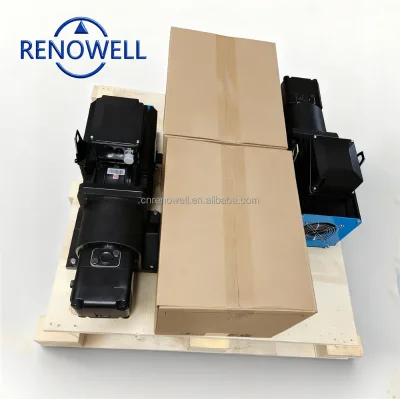


High Working Efficiency Hydraulic Power Pack for Supporting Power Source
$33980.00 - $35980.00
MOQ: 1 Sets


Lightweight Petrol/Diesel Hydraulic Power Pack with High Working Efficiency
$7880.00 - $7980.00
MOQ: 1 Pieces


Compact High-Efficiency Hydraulic Power Pack for Fluid Control Solutions
$50.00 - $300.00
MOQ: 1 Pieces

Comprehensive Sourcing Guide
Strategic Sourcing Guide for Three-Phase Drip-Proof Servo Packs
Understanding the Technical Landscape of Servo Power Units
When sourcing a three-phase drip-proof servo pack, buyers must first distinguish between the specific mechanical configurations and the electrical architectures that define these units. The market offers a variety of configurations, ranging from compact hydraulic power units to integrated servo-driven systems. A critical observation in the current supply landscape is the diversity in voltage inputs. While standard industrial applications often rely on fixed voltage profiles, the available data indicates that suppliers offer units with versatile input capabilities, including AC110V, 220V, 380V, 440V, 480V, and 575V. This flexibility is essential for buyers operating in regions with varying grid standards or those managing multi-site facilities with different electrical infrastructures.
The mechanical construction of these units often centers on the pump and motor assembly. In the context of hydraulic power units, which frequently integrate servo technology, the material composition is a primary indicator of durability. Aluminum alloy is a documented material choice for these components, offering a balance of weight reduction and structural integrity. The gear pump specifications are equally critical; observed data points to gear pumps with displacement rates ranging from 0.5cc to 8.0cc per revolution. This range allows for significant customization in flow rates, enabling the system to meet specific torque and speed requirements without over-engineering the power source.
Furthermore, the physical dimensions and installation orientation are non-negotiable factors in the procurement process. Units are designed to accommodate both horizontal and vertical installation configurations, providing flexibility for tight machine footprints or specific gravity-fed requirements. The noise levels are a significant operational metric, with documented specifications indicating performance below 80dB. This low-noise profile is vital for environments where operator comfort and regulatory compliance regarding workplace noise are paramount. The rated pressure for these systems is also a key variable, with some units certified for pressures up to 180 bar, while others offer customized pressure ratings to match specific hydraulic circuit demands.
Compliance, Certification, and Standard Verification
Navigating the compliance landscape for three-phase drip-proof servo packs requires a rigorous verification of certifications and adherence to international standards. Buyers should not assume that a product listing implies universal compliance; rather, they must request specific documentation for each batch or model. The supply chain data highlights several certifications that are relevant to high-quality manufacturing, including ISOCE, RoHS, and GS. These certifications indicate adherence to environmental standards regarding hazardous substances (RoHS) and general safety requirements (GS), which are critical for export markets.
However, the presence of a certification claim does not guarantee that every unit in a supplier's catalog meets the same standard. The documentation suggests that standards can vary depending on the specific model. For instance, some units may adhere to standards defined by their electrical characteristics, such as DC12V or DC72V configurations, while others follow standards related to their mechanical output, such as flow rates of 1-50L. It is imperative for the buyer to verify that the specific model number, such as the NY-001 or NY-004, aligns with the required safety and performance standards for the intended application.
The concept of "drip-proof" implies a specific level of ingress protection, often associated with the IP rating of the enclosure. While the provided data does not explicitly list IP ratings for every unit, the mention of "drip-proof" in the core keyword suggests a need for protection against vertically falling water. Buyers must verify that the physical design of the servo pack, including the housing and cable entries, meets the necessary IP standards for the operating environment. Additionally, the standardization of the product model, such as the MZ-250B or MZ-350B, serves as a reference point for quality control, ensuring that the unit is built to a consistent manufacturing blueprint.
Cost Drivers and Pricing Dynamics
The pricing structure for three-phase drip-proof servo packs is influenced by a complex interplay of factors, including customization levels, material costs, and production volume. The observed price range in the market spans from $50 to $50,000, reflecting the vast difference between basic components and fully integrated, high-specification systems. This wide variance indicates that the "base" price of a unit is merely a starting point, with the final cost heavily dependent on the specific configuration requested by the buyer.
One of the primary cost drivers is the level of customization available. The market data confirms that customization is an available attribute for these products. Customization can extend to the rated pressure, the specific gear pump displacement, and the input voltage configuration. Each deviation from a standard off-the-shelf model introduces engineering time and specialized tooling, which increases the unit cost. Furthermore, the material choice, such as the use of aluminum alloy versus other metals, directly impacts the manufacturing cost and, subsequently, the selling price.
Another significant factor is the packaging and logistics. The data indicates that products are shipped in various configurations, including exported wooden cases, plywood crates, cardboard boxes, and pallets. The choice of packaging affects the shipping weight and volume, which in turn influences the total landed cost. For heavy units, such as those weighing up to 500kg, the cost of a wooden case and the associated freight charges can be substantial. Buyers must also consider the minimum order quantity (MOQ), which ranges from 1 to 10 units. While low MOQs offer flexibility for prototyping, they often carry a higher per-unit cost compared to bulk orders.
Typical Applications and Operational Context
The versatility of three-phase drip-proof servo packs makes them suitable for a wide array of industrial applications. The data points to specific use cases, such as packing machines where the product being handled includes biscuits. In these scenarios, the servo pack drives the mechanical components responsible for film feeding, sealing, and cutting. The packing speed, which can range from 40 to 230 bags per minute, is a direct function of the servo pack's performance. This high-speed capability is essential for high-volume production lines where throughput is a critical metric.
Beyond packaging, these units are utilized in hydraulic systems where precise control of pressure and flow is required. The ability to customize the rated pressure allows these packs to be integrated into machinery that requires high force, such as presses or lifting mechanisms. The "drip-proof" nature of the unit makes it particularly suitable for environments where moisture is present, such as food processing facilities or outdoor applications, ensuring that the electrical components remain protected from water ingress.
The installation flexibility, allowing for both horizontal and vertical setups, further expands the range of applications. In compact machinery, a vertical installation might be necessary to save floor space, while in larger systems, a horizontal layout might be preferred for easier maintenance and cable management. The low noise profile (<80dB) is particularly advantageous in applications where the machine is located near operator workstations, reducing the need for additional soundproofing measures.
Supplier Evaluation and Geographic Considerations
Evaluating suppliers for three-phase drip-proof servo packs requires a focus on their geographic location, production capacity, and logistical capabilities. The data indicates that major manufacturing hubs for these products are located in Shanghai and Shandong, China. These regions are known for their robust manufacturing ecosystems and supply chain efficiency. Buyers should verify the specific origin of the product, as the "Shanghai" or "Shandong" designation can influence lead times and shipping costs.
Production capacity is another critical metric. Some suppliers report an annual output of 30,000 units, which suggests a mature manufacturing process capable of handling large orders. However, buyers must also consider the lead time, which is documented as 7 days for orders below 50 units. This rapid turnaround is beneficial for urgent procurement needs, but it is essential to confirm if this lead time applies to customized orders or only to standard configurations. Customization often extends the lead time, and buyers should seek explicit confirmation of the delivery schedule before placing an order.
When evaluating a supplier, the quality of their packaging and shipping methods should be scrutinized. The use of "Exported Wooden Case Plywood" or "Carton & Pallet/Wooden Box" indicates a commitment to protecting the product during transit. For heavy units, such as those weighing 500kg, the structural integrity of the packaging is paramount to prevent damage. Buyers should also inquire about the supplier's quality control processes, including any testing procedures they perform before shipment, to ensure that the units meet the specified performance criteria.
Quality Control and Long-Term Procurement Strategy
Implementing a robust quality control strategy is essential for mitigating risks associated with the procurement of three-phase drip-proof servo packs. Given the wide range of specifications and the potential for customization, buyers must establish clear acceptance criteria before production begins. This includes verifying the input voltage, the gear pump displacement, and the rated pressure against the purchase order specifications. The presence of certifications like ISOCE, RoHS, and GS should be validated through third-party testing reports or direct certification documentation from the manufacturer.
Long-term procurement considerations also involve the availability of spare parts and after-sales support. The data mentions specific spare parts, such as a "Brusher," which suggests that the supplier offers a range of consumables and replacement components. Buyers should ensure that the supplier has a reliable supply chain for these parts to minimize downtime in the event of maintenance needs. Additionally, the warranty terms and the supplier's responsiveness to technical inquiries should be evaluated as part of the supplier selection process.
Finally, buyers should consider the scalability of their procurement strategy. As production needs grow, the ability to increase order volumes without compromising quality or lead time is crucial. The observed MOQ range of 1-10 units suggests that suppliers are flexible, but buyers should negotiate volume-based pricing tiers to optimize costs as their order quantities increase. By maintaining a close relationship with the supplier and establishing clear communication channels, buyers can ensure a steady supply of high-quality servo packs that meet their operational requirements.
Comparison of Key Technical Specifications
To facilitate a clearer understanding of the variations available in the market, the following table summarizes the key technical specifications observed in the supply data. This comparison highlights the diversity in voltage, pressure, and physical dimensions that buyers must account for during the selection process.
| Specification Category | Observed Range / Options | Notes for Verification |
|---|---|---|
| Input Voltage | AC110V, 220V, 380V, 440V, 480V, 575V | Verify grid compatibility for specific site. |
| Rated Pressure | Customized, up to 180 bar | Confirm pressure requirements for application. |
| Gear Pump Displacement | 0.5cc/Rev to 8.0cc/Rev | Select based on required flow rate. |
| Material | Aluminum Alloy | Check for corrosion resistance needs. |
| Installation Type | Horizontal, Vertical | Ensure fit within machine footprint. |
| Noise Level | <80dB | Critical for operator comfort zones. |
| Power Consumption | 0.37kW to 4.0kW (Input) | Calculate energy costs and circuit load. |
| Packaging | Wooden Case, Plywood, Carton, Pallet | Assess shipping cost and protection level. |
| Origin | Shanghai, Shandong, China | Factor in lead time and logistics. |
| Certifications | ISOCE, RoHS, GS | Request valid certificates for compliance. |
This table serves as a reference point for buyers to cross-reference their specific requirements against the available market offerings. It underscores the importance of detailed specification matching to ensure that the procured servo pack delivers the expected performance and reliability in the intended application.
FAQs
What voltage options are available for the servo pack?
The unit supports multiple input voltages including AC110V, 220V, 380V, 440V, 480V, and 575V. This flexibility allows integration into facilities with varying grid standards without requiring external transformers.
Can the rated pressure be customized for specific needs?
Yes, the rated pressure is customizable to match specific hydraulic circuit demands. While some units are certified for up to 180 bar, buyers can request tailored pressure ratings for unique applications.
Which certifications do these hydraulic power units hold?
The products carry ISOCE, RoHS, and GS certifications indicating adherence to safety and environmental standards. Buyers must verify that the specific model aligns with required safety standards for their region.
How fast can the machine pack items like biscuits?
The packing speed ranges from 40 to 230 bags per minute depending on the configuration. This high-speed capability is essential for high-volume production lines where throughput is a critical metric.
What is the lead time for orders below 50 units?
The delivery time is 7 days for orders below 50 units. Buyers should confirm if this rapid turnaround applies to customized orders or only to standard configurations before placing an order.
Which installation orientations are supported by the unit?
The system supports both horizontal and vertical installation configurations. This flexibility accommodates tight machine footprints or specific gravity-fed requirements in various industrial environments.