Source IE3 Electric Motor for Industrial, Power Tools, Appliances
Compare 30 IE3 Electric Motor listings from verified suppliers. Buyers can evaluate specifications like power range, voltage, and efficiency to find suitable options for industrial, power tools, and household appliance applications; compare the available evidence and request quotations based on your requirements.
Key considerations
Products List


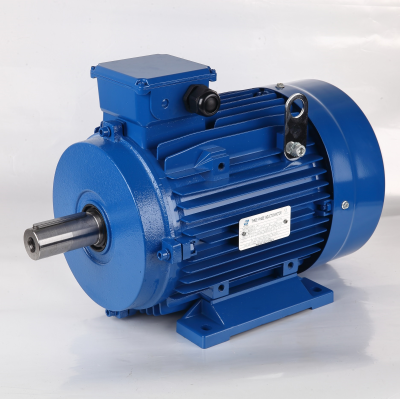


CE Approved Ie1 Ie2 Ie3 High Efficiency Three Phase Electric Motor with Good Performance
$30.00 - $1000.00
MOQ: 20 Pieces

CE-Certified High Speed Ie1 Ie2 Ie3 Ye3 Three-Phase Asynchronous Motor Electric Motor
$20.00 - $1000.00
MOQ: 10 Pieces


IE3-YE3 High Efficiency Electric Motor Three-Phase Asynchronous Motor Electrical Motor
$25.00 - $3700.00
MOQ: 50 Pieces

IE3-YE3 high efficiency Electrical Motor three-phase asynchronous motor
$25.00 - $3700.00
MOQ: 50 Pieces


Ie3 Series Premium Efficient Motor Three Phase Electric Motor Low noise
$45.00 - $7000.00
MOQ: 10 Pieces


Comprehensive Sourcing Guide
IE3 Electric Motor Sourcing Guide
Procuring IE3 electric motors requires a disciplined approach to verifying technical compatibility and commercial viability. Buyers must move beyond generic specifications to ensure the selected units align with specific operational loads and environmental conditions. The primary focus should be on confirming that the motor’s efficiency class matches the required energy performance standards for your facility. This initial assessment prevents costly mismatches that can lead to operational inefficiencies or non-compliance with local energy regulations.
Furthermore, the sourcing process must account for the diverse range of applications these motors serve, from industrial machinery to power tools. Each application imposes distinct demands on starting torque, speed stability, and duty cycle. By clearly defining these requirements upfront, procurement teams can filter out unsuitable options early in the selection process. This strategic alignment ensures that the final purchase order reflects a solution that is technically robust and commercially sound, reducing the risk of post-installation issues.
Product Scope and Observed Listing Signals
The market for IE3 motors presents a wide spectrum of options, with observed price ranges spanning from four to nineteen thousand five hundred sixty-eight USD. This variance reflects differences in power ratings, which typically range from zero point seven five to one thousand two hundred kilowatts. Buyers should note that smaller units often have lower unit costs but may require higher quantities for large-scale installations. Understanding this price-power relationship is crucial for budgeting and forecasting total cost of ownership across different project phases.
Listing signals also indicate significant variation in customization options and physical configurations. Many suppliers offer customization for voltage, which can include standard values like three hundred eighty or four hundred volts, as well as customized requirements. The rotor structure is predominantly squirrel-cage, though winding types are also available. Additionally, the operating speed is generally constant, but some listings specify adjustable speed capabilities. Buyers must verify whether their application requires fixed or variable speed operation to ensure the selected motor meets dynamic load requirements.
Technical Specifications to Verify
Technical verification begins with confirming the electrical parameters, including voltage and frequency. Standard ratings often include fifty or sixty hertz frequencies, with voltages such as three hundred eighty, four hundred, four hundred fifteen, or six hundred sixty volts. However, customized voltage options are available, so buyers must ensure the motor’s electrical profile matches the local grid infrastructure. Mismatched voltage or frequency can lead to overheating, reduced efficiency, or immediate failure, making this a critical checkpoint in the technical review process.
Insulation class and protection ratings are equally vital for ensuring long-term reliability. Most IE3 motors feature insulation class F, which provides a safety margin for temperature variations. The class of protection is commonly IP55, indicating dust-tight and water jet resistance, suitable for many industrial environments. Buyers should also verify the operating temperature range, typically between minus fifteen and forty degrees Celsius. If the installation site exceeds these limits, additional cooling or specialized insulation may be required to maintain performance and safety.
Compliance and Safety Documentation
Compliance documentation is a non-negotiable aspect of sourcing IE3 motors, particularly for international trade. Common certifications include CCC and ISO standards, which attest to quality management and safety compliance. Some suppliers also hold CE, TUV, or SGS certificates, which may be required for entry into specific markets. Buyers must request copies of these certificates and verify their validity and scope. Ensuring that the documentation covers the specific model and batch being purchased prevents legal and logistical complications during customs clearance.
Beyond general certifications, buyers should scrutinize adherence to specific industry standards. For instance, some listings reference IEC standards, which provide a global benchmark for electrical equipment safety and performance. The presence of these standards in the product documentation indicates a commitment to international best practices. However, buyers should not assume that all listed products meet these standards without explicit confirmation. Requesting test reports or compliance declarations for the exact units being ordered provides an additional layer of assurance and helps mitigate the risk of non-compliant goods entering the supply chain.
Cost Drivers and Commercial Terms
Cost drivers for IE3 motors extend beyond the unit price to include factors such as power rating, efficiency class, and material composition. Higher power ratings and premium efficiency classes like IE4 generally command higher prices due to increased material costs and manufacturing complexity. The use of copper wire versus aluminum in the windings also impacts cost, with copper offering better conductivity and durability. Buyers should evaluate the total cost of ownership, including energy savings over the motor’s lifespan, rather than focusing solely on the initial purchase price.
Commercial terms, including minimum order quantities and payment structures, also influence the overall cost. Observed MOQs range from one to one hundred units, allowing flexibility for both small and large orders. Payment terms should be negotiated to align with cash flow needs, with options such as letters of credit or milestone payments providing security for both parties. Additionally, packaging and shipping costs can vary significantly, with export standard wooden cases being a common requirement. Buyers should clarify these terms in the contract to avoid unexpected expenses and ensure smooth logistics.
Supplier Qualification and Quality Control
Supplier qualification involves assessing the manufacturer’s capability to deliver consistent quality and reliable support. Buyers should review the supplier’s production capacity, quality control processes, and track record in the industry. Certifications such as ISO indicate a structured approach to quality management, but buyers should also request references from previous clients to gauge the supplier’s reliability. A thorough audit of the supplier’s facilities and processes can provide insights into their ability to meet specific technical and delivery requirements.
Quality control measures should be integrated into the procurement process to ensure that each unit meets the specified standards. This includes pre-shipment inspections, where buyers or third-party inspectors verify the motor’s performance and compliance with technical specifications. Testing for efficiency, noise levels, and power factor can confirm that the motor operates within the expected parameters. Establishing clear quality control protocols and acceptance criteria helps prevent the receipt of defective units and ensures that the supplied motors meet the project’s performance requirements.
Long-Term Procurement Checks
Long-term procurement checks focus on ensuring the sustainability and scalability of the motor supply. Buyers should establish a framework for monitoring supplier performance, including delivery times, quality consistency, and responsiveness to issues. Regular reviews of the supplier’s financial health and operational stability can help identify potential risks early. Building a strategic partnership with the supplier can lead to better terms, priority support, and collaborative improvements in product design and efficiency.
Additionally, buyers should consider the end-of-life management and recycling options for the motors. As environmental regulations become stricter, the ability to recycle or dispose of motors responsibly is increasingly important. Suppliers who offer take-back programs or use recyclable materials can contribute to the buyer’s sustainability goals. By incorporating these long-term considerations into the procurement strategy, buyers can ensure that their motor supply chain remains resilient, compliant, and aligned with broader corporate objectives.
FAQs
What certifications do these motors have?
These motors hold CCC and ISO certifications as confirmed by product facts. Some listings also display CE, TUV, and SGS certificates. Buyers should verify specific documentation for their region before finalizing orders to ensure compliance with local safety standards.
Which rotor structures are available for purchase?
Available rotor structures include squirrel-cage and winding types depending on the specific model selected. These designs support different starting modes like direct on-line or y-delta starting. Buyers must check the product specification to confirm the exact rotor type required for their application.
Can I request custom voltage specifications?
Yes, customization is available for voltage requirements including 380V, 400V, 415V, 660V, or other customized values. This flexibility allows the motors to fit various industrial power systems. Buyers should specify their exact voltage needs during the inquiry process to ensure proper manufacturing.
What is the typical operating speed range?
Operating speeds vary between constant speed and adjustable speed options based on the motor series. Some models offer high-speed performance suitable for power tools and universal applications. The specific speed capability depends on the selected pole count and insulation class for the intended industrial use.
How are these motors packaged for export?
Export packaging typically includes standard wooden cases, bar-shaped wooden cases, or closed plywood packing. Some listings also mention carton boxes or wooden boxes for smaller units. This robust packaging ensures protection during international shipping and handling from the factory in China to the destination.
Which insulation class is standard for these units?
The standard insulation class for these motors is Class F, ensuring durability under various thermal conditions. This rating supports operation within a temperature range of -15 to 40 degrees Celsius. Buyers should confirm the specific thermal limits if operating in extreme environments beyond the standard range.
What is the minimum order quantity for these motors?
The minimum order quantity can be as low as one piece for certain suppliers offering flexible purchasing terms. Other listings may require up to 100 pieces depending on the specific model and customization level. Buyers should check individual supplier terms to determine the exact MOQ applicable to their order size.