Source Totem Kiosk for Retail, Lobby, and Indoor Advertising
Explore 30 verified options for the Totem Kiosk designed for indoor advertising, retail self-service, and lobby information displays. Buyers can compare specifications like screen size, touch technology, and operating systems to find the right unit for their business needs.
Key considerations
Products List

Factory Direct Touchscreen Kiosk Touch Kiosk Totem for Advertising Display
$1598.00 - $1798.00
MOQ: 1 pieces
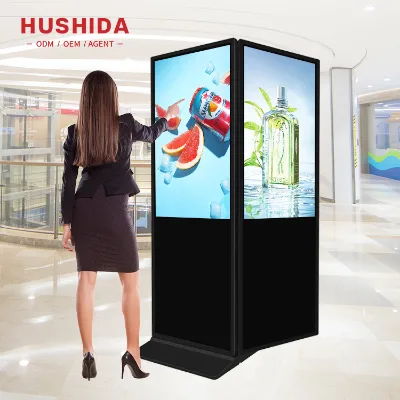


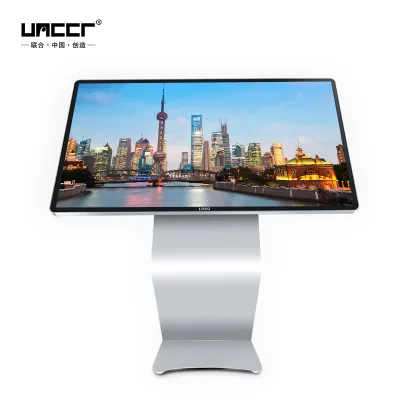
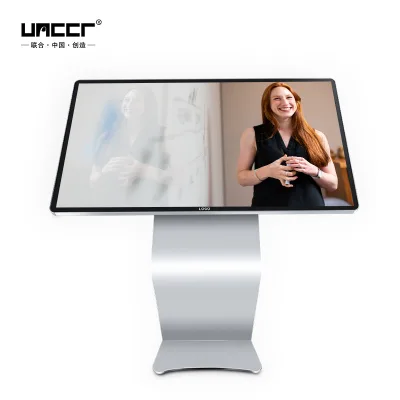
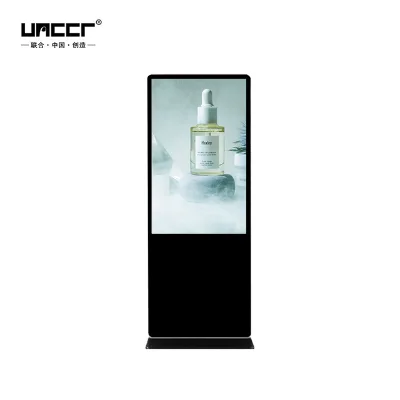
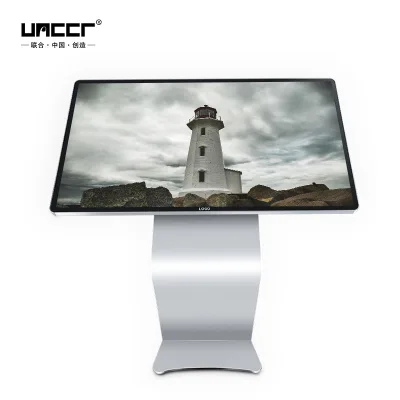
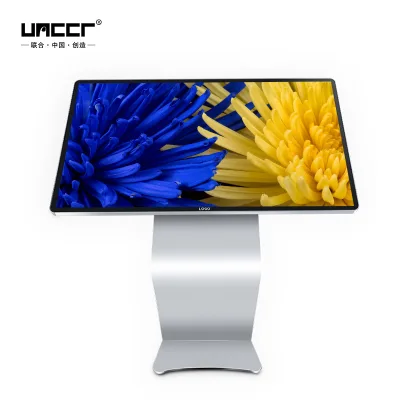
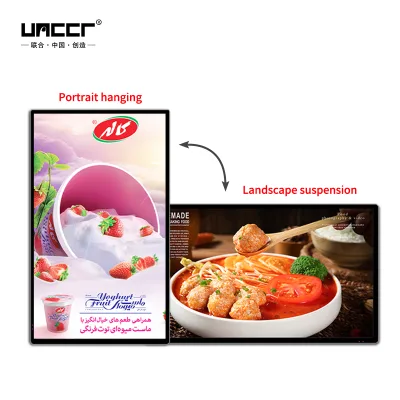


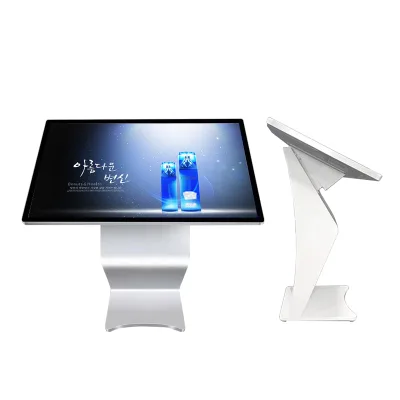

Indoor Advertising LED Backlight Digital Video Media Android Capacitive Touch Screen Totem Kiosk
$159.00 - $699.00
MOQ: 1 Pieces


Comprehensive Sourcing Guide
Strategic Sourcing Guide for Totem Kiosk Procurement
The global demand for interactive digital signage has elevated the Totem Kiosk from a simple information display to a critical component of modern retail, healthcare, and corporate environments. For procurement professionals, sourcing these units requires a nuanced understanding of technical specifications, regulatory compliance, and supply chain reliability. This guide synthesizes available market data to provide a disciplined framework for evaluating totem kiosks, ensuring that buyers can make informed decisions without relying on unverified claims or speculative market figures.
Technical Architecture and Display Specifications
The core functionality of a Totem Kiosk relies heavily on its display technology and internal processing architecture. Based on current market observations, the predominant screen technology utilized in these units is LCD (Liquid Crystal Display). Buyers must verify the specific resolution and brightness levels to ensure suitability for their intended environment. Typical specifications observed in the market include a Full HD resolution of 1920*1080 pixels, which provides clear text and imagery for user interaction.
Brightness is a critical metric, particularly for units deployed in well-lit indoor areas. Market data indicates a standard brightness range of approximately 350 CD/m², though this may vary based on the specific model and application. For environments with higher ambient light, buyers should inquire about optional contrast ratios, which can reach up to 1400:1 in certain configurations. The physical dimensions of the screen are highly customizable, with options ranging from 32 inches to 65 inches, allowing procurement teams to select a size that matches the spatial constraints of their installation site.
The processing unit is equally vital for system responsiveness. Modern totem kiosks often utilize the RK3568 CPU, paired with 2GB of RAM and 32GB of ROM. This configuration supports the operation of Android 11, providing a stable and user-friendly interface. However, some models offer flexibility with optional operating systems, including Windows 7, 8, or 10, which may be necessary for specific legacy software integrations. The touch interface is another key differentiator; the market predominantly features infrared and capacitive touch technologies. Capacitive screens generally offer a more premium feel, while infrared options are robust for high-traffic areas. A 10-point infrared touch capability is a common specification, ensuring that multiple users can interact with the screen simultaneously without lag.
Compliance, Certification, and Regulatory Standards
Navigating the regulatory landscape is a non-negotiable aspect of B2B procurement, especially for electronic devices intended for international deployment. Buyers must rigorously verify that the totem kiosks they source meet the necessary safety and environmental standards of their target markets. The supply chain data indicates that reputable manufacturers typically provide a comprehensive suite of certifications. These include CE (Conformité Européenne), which is mandatory for products sold in the European Economic Area, and RoHS (Restriction of Hazardous Substances), which ensures the device is free from specific hazardous materials.
In addition to European standards, the Chinese market often requires CCC (China Compulsory Certification) for domestic sales. For products destined for the North American market, FCC (Federal Communications Commission) compliance is essential to ensure electromagnetic interference does not disrupt other devices. Furthermore, ISO 9001 certification is frequently cited as an indicator of a manufacturer's commitment to quality management systems. While ISO 9001 is a standard for the management system rather than a product-specific test, its presence suggests a controlled production environment. Buyers should also look for PSE (Product Safety of Electrical Appliance & Materials) certification if the product is intended for the Japanese market.
It is crucial to distinguish between product-specific certifications and general company standards. When evaluating a supplier, procurement teams should request valid, up-to-date certificates for each specific model number, such as the XSD-238-C, rather than accepting generic claims. The absence of these certifications can lead to customs delays, legal liabilities, and rejection of the product in regulated markets.
Cost Drivers and Pricing Dynamics
The pricing of totem kiosks is influenced by a complex interplay of factors, including screen size, processing power, touch technology, and customization requirements. Observed market data reveals a significant price variance, with units ranging from approximately $88 to $6,500 USD. This wide spectrum reflects the diversity of the product category, from basic vertical displays to high-end, dual-sided advertising players with advanced features.
The primary cost driver is the screen size and quality. A 32-inch unit will naturally be priced lower than a 65-inch model, particularly if the latter includes higher brightness or contrast specifications. The operating system also impacts cost; models with optional Windows licensing or more powerful CPUs command a premium over standard Android configurations. Customization is another major factor. While many suppliers offer "Available" customization, the extent of this service—ranging from logo engraving to bespoke software integration—will directly affect the final unit price.
Minimum Order Quantity (MOQ) is another critical consideration for budget planning. The market shows an MOQ range of 1 to 20 units. This flexibility allows small businesses to test the market with a single unit, while larger enterprises can leverage volume discounts by ordering in batches of 20 or more. Buyers should negotiate based on their specific volume needs, understanding that the per-unit cost often decreases as the order quantity increases. Additionally, packaging requirements, such as the use of wooden boxes for safety during transit, may add to the overall cost but are essential for preventing damage during shipping.
Typical Applications and Deployment Scenarios
Totem kiosks are versatile tools designed for a variety of indoor applications. The "Queue System Usage" is predominantly indoor, making them ideal for environments where foot traffic is controlled and lighting is consistent. Common use cases include bill payment terminals, self-service query displays, and digital advertising players. In retail settings, these kiosks can serve as interactive guides, product information stations, or promotional display units.
The physical design of the Totem Kiosk, often featuring a tempered glass and metal case with an aluminum edge, makes it durable enough for high-traffic public areas. The "Dual Sided Digital Signage" configuration is particularly valuable in corridors or open-plan offices, allowing information to be displayed to users approaching from either direction. For vertical installations, the standard dimensions often observed are around 1959.9mm in height, with a depth of approximately 73.9mm, ensuring a sleek profile that does not obstruct walkways.
Connectivity is another key application driver. Most units support wired data collector signal transmission via USB, LAN, and audio frequency outputs. This wired approach ensures stable data transfer and reduces the latency often associated with wireless connections, which is critical for real-time applications like queue management or live data updates. The inclusion of HDMI ports and multiple USB 2.0 interfaces allows for easy integration with external peripherals, such as card readers, printers, or barcode scanners, further expanding the functional scope of the kiosk.
Supplier Evaluation and Quality Assurance
Selecting the right supplier is as important as selecting the right product. Buyers should prioritize suppliers who demonstrate transparency in their manufacturing processes and provide clear documentation. The "Place of Origin" is a significant factor, with many high-volume manufacturers located in Guangdong, China, a hub for electronics production. However, the location alone does not guarantee quality; buyers must verify the supplier's track record and capacity to meet delivery schedules.
Quality control should be a central part of the evaluation process. Buyers should request evidence of the manufacturing process, including details on how the tempered glass and metal casing are assembled. The "prod_packing" specification, which often involves wooden box packaging, is a good indicator of the supplier's attention to logistics and product protection. A supplier that invests in robust packaging is more likely to have rigorous internal quality checks to prevent damage before shipment.
When evaluating potential partners, procurement teams should look for suppliers who offer "Customized" solutions. The ability to tailor the kiosk to specific needs, such as custom software or branding, indicates a flexible and customer-focused approach. Additionally, the availability of multi-language support (OSD language) is a strong indicator of a supplier's experience in serving international markets. Buyers should also verify the "Socket" specifications, ensuring that the unit supports the necessary interfaces like USB, LAN, and audio outputs required for their specific infrastructure.
Long-Term Procurement and Maintenance Considerations
Sourcing totem kiosks is not a one-time transaction; it involves long-term considerations regarding maintenance, support, and scalability. The "Operating System" choice, whether Android or Windows, will dictate the ease of software updates and troubleshooting. Android-based systems often offer more frequent updates and a wider range of compatible applications, while Windows-based systems may be preferred for specific enterprise software requirements.
Buyers should also consider the "Screen Optional" availability for future upgrades. As technology evolves, the ability to replace or upgrade screen components without replacing the entire unit can provide significant cost savings. The "Touch-Type" specification, whether infrared or capacitive, also impacts long-term durability. Infrared screens are generally more resistant to scratches and damage, making them suitable for high-traffic environments, whereas capacitive screens may require more careful handling.
Finally, the "Interface Type" and connectivity options should be evaluated for future-proofing. A unit with multiple USB ports and HDMI support offers greater flexibility for adding new peripherals as business needs change. Procurement teams should establish a relationship with the supplier that includes clear terms for warranty, spare parts availability, and technical support. This ensures that the investment in totem kiosks remains viable and functional over the long term, providing a reliable platform for digital engagement and operational efficiency.
FAQs
What certifications do totem kiosks typically have?
Totem kiosks typically hold CE, RoHS, CCC, ISO, FCC, and PSE certifications. These ensure compliance with safety and environmental standards for international markets like Europe, China, and Japan.
Which screen sizes are available for vertical displays?
Screen sizes range from 32 inches to 65 inches depending on the model. Buyers can select specific dimensions like 75 inches or 49 inches to match their installation space requirements.
Can these kiosks operate on different operating systems?
Yes, units often support Android 11, Windows 7, 8, or 10 as optional configurations. The standard configuration usually includes Android 11 with an RK3568 CPU and 2GB RAM.
How is the touch technology implemented in these units?
The units utilize infrared or capacitive touch technology with 10-point multi-touch support. This allows multiple users to interact simultaneously without lag in high-traffic indoor environments.
What is the standard packaging for shipping these kiosks?
Products are shipped in wooden boxes or safety wooden cartons to prevent damage. This robust packaging ensures the tempered glass and metal casing arrive securely at the destination.
Which suppliers offer customization for these digital signage units?
Many manufacturers provide available customization services for branding and software integration. Buyers can request specific features like custom logos or tailored user interfaces for their specific needs.
What is the minimum order quantity for these totem kiosks?
The minimum order quantity ranges from 1 to 20 units depending on the supplier. Small businesses can start with a single unit while larger enterprises may order in batches of 20.