Source Tortilla Maker for Chapati, Roti, and Bread Production
Compare 30 Tortilla Maker options from verified Chinese suppliers. These electric machines feature automatic grades, food-grade stainless steel construction, and capacities ranging from 1000 to 2500 units per hour for diverse baking needs.
Key considerations
Products List


Cost Effective Corn Tortilla Maker Automatic Tortilla Maker Machine Tortilla Maker
$680.00 - $950.00
MOQ: 1 Pieces
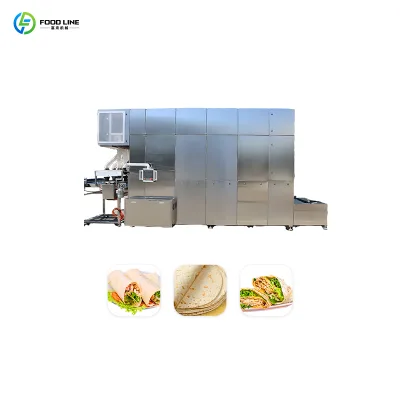
Wide Application Oat Mexican Tortilla Making Machine Fitness Mexican Tortilla Maker
$5200.00 - $7900.00
MOQ: 1 units
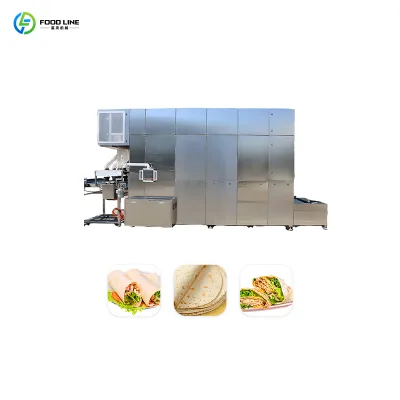
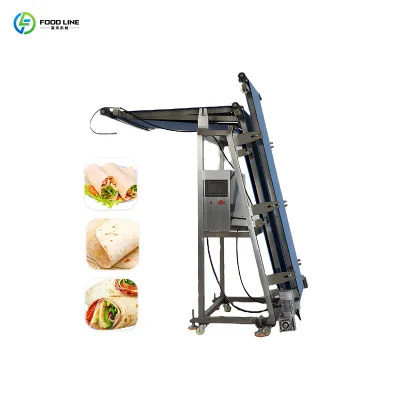
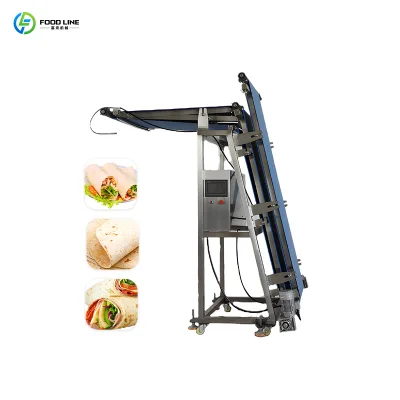
Ancient Craft Handmade Mexican Tortilla Making Machine Authentic Mexican Tortilla Maker
$5200.00 - $7900.00
MOQ: 1 units
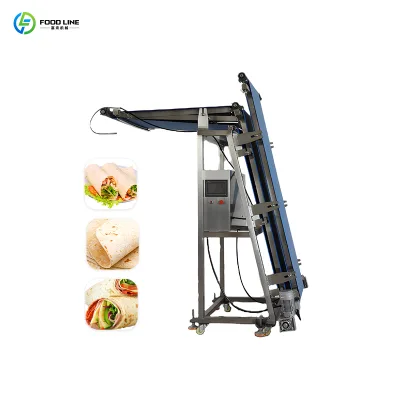
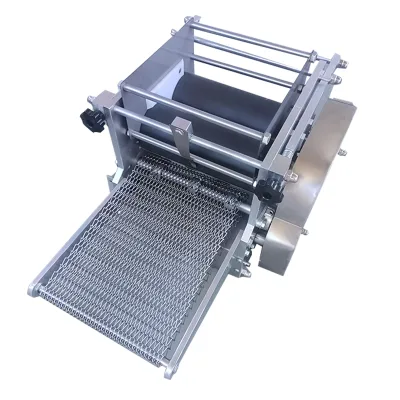


High Quality Promotion Tortilla Maker Whitefood Processing Line Tortilla Maker
$7000.00 - $30000.00
MOQ: 1 Pieces


Commercial Electric Corn Tortilla Maker Stainless Steel, Adjustable Thickness
$300.00 - $750.00
MOQ: 1 Pieces
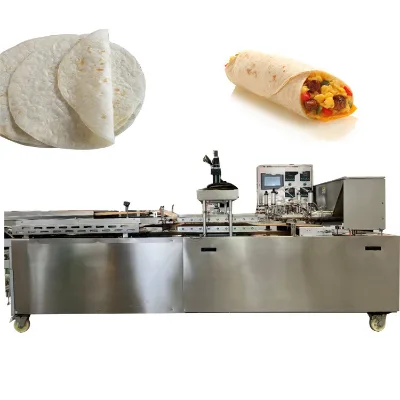

Factory Supply Mexican Tortilla and Taco Roti Maker
$599.00 - $659.00
MOQ: 1 Pieces
Yancheng Olap Water Purification Equipment Technology Co., Ltd.

Electric Mexico Taco Machine / Roti Making Machine / Corn Tortilla Maker
$489.00 - $629.00
MOQ: 1 Sets


Tortilla Machine Taco Roti Maker Press Bread Grain Product Tortilla Making Machine
$4500.00 - $8000.00
MOQ: 1 Pieces


Comprehensive Sourcing Guide
Tortilla Maker Sourcing Guide
Sourcing industrial tortilla making equipment requires a clear understanding of the distinct machine categories available in the market, ranging from high-volume automated lines to compact, semi-automatic units. Buyers must first distinguish between machines designed for specific final products, such as Doritos-style chips versus traditional flatbreads like tortillas, chapatis, and rotis. The observed market data indicates a significant divergence in capacity, with some units processing agronomic products at rates of 120-150kg/H or 200-250kg/H, while others focus on piece-based output, achieving speeds of 1000-2000 pieces per hour or up to 30 pieces per minute. This distinction is critical because the mechanical design, mold specifications, and power requirements vary drastically between extrusion-based chip production and pressing-based flatbread formation.
Furthermore, the procurement strategy must account for the variability in automation levels and physical footprint. While some advanced systems feature automatic grades with complex electronic control panels utilizing brands like Siemens, Delta, and Fuji, other entry-level models operate on simpler electrical principles with basic motor controls. The physical dimensions also span a wide range, from compact units measuring approximately 650310330mm to large industrial footprints around 2400015002200mm. Buyers should evaluate their production volume, available floor space, and desired level of operator intervention to select the appropriate tier of machinery, ensuring that the chosen equipment aligns with both current output needs and future scalability plans.
Product Scope and Observed Listing Signals
The product scope for tortilla makers encompasses a variety of configurations tailored to different stages of food processing. High-capacity lines often utilize food-grade stainless steel construction with specific screw materials like 38CrMoAl, indicating a focus on durability and hygiene for continuous operation. These systems are frequently associated with the production of snack items such as Doritos chips, requiring precise temperature and pressure control. In contrast, dedicated tortilla makers often feature interchangeable molds with diameters of 20, 30, or 35cm, allowing for flexibility in product size. These units are typically designed to produce final products like tortillas, chapatis, and rotis, with some models explicitly marketed for bread applications, highlighting the versatility of certain pressing mechanisms in the broader bakery and flatbread sector.
Listing signals reveal a strong emphasis on customization and specific component branding, which serves as a proxy for quality and reliability. Many suppliers highlight the use of major international brands for core components, including Siemens motors, Delta inverters, and Omron relays, suggesting a commitment to standardized electrical performance. The availability of customization options allows buyers to tailor voltage inputs, such as 220V/50Hz or 380V/50Hz, to match local infrastructure. Additionally, the presence of machinery test reports and detailed packing specifications, such as strong fumigation-free cases or standard 20'gp and 40'hq containers, indicates that suppliers are prepared for international logistics. Buyers should interpret these signals as indicators of a mature supply chain capable of handling complex export requirements and technical integration.
Technical Specifications to Verify
When evaluating technical specifications, the primary focus should be on the core components and their compatibility with the intended production environment. Buyers must verify the motor specifications, as the core component is often listed simply as "motor" without detailed power ratings in some listings, while others specify high-end brands like Siemens. It is essential to confirm the voltage requirements, which can range from single-phase 220V to three-phase 380V, to ensure the machine can be installed without costly electrical upgrades. The production capacity is another critical variable; while some machines claim outputs of 10-30 pieces per minute, others list hourly rates of 1000-2000 pieces or even higher tonnage for chip processing. Clarifying whether the capacity refers to weight or piece count is vital for accurate throughput planning.
Material composition and dimensional constraints also require rigorous verification to ensure long-term operational efficiency. The machine body is typically constructed from food-grade stainless steel, but the specific alloys and thicknesses should be confirmed to resist corrosion and withstand frequent cleaning. For extrusion-based models, the screw material, often cited as 38CrMoAl, plays a crucial role in the extrusion process and wear resistance. Dimensional data varies significantly, with some compact units measuring around 555558cm and larger industrial systems exceeding 24 meters in length. Buyers should request detailed layout diagrams to plan factory floor integration, ensuring that the machine's footprint, including space for raw material input and finished product output, fits within the designated production area.
Compliance and Safety Documentation
Compliance documentation is a non-negotiable aspect of sourcing industrial food machinery, particularly when dealing with electrical components and food contact surfaces. The observed listings frequently mention CE and ISO certifications, which are essential for verifying that the equipment meets European safety and quality standards. Buyers must request valid certificates for both the machinery and its electrical components, ensuring that the certifications are current and issued by recognized bodies. The presence of ISOCE or specific ISO standards suggests adherence to quality management systems, but buyers should verify the scope of these certifications to ensure they cover the specific model being purchased. This due diligence protects against regulatory hurdles during customs clearance and ensures the machine can be legally operated in target markets.
Safety features and operational documentation are equally important for protecting personnel and ensuring consistent product quality. Buyers should inquire about the availability of machinery test reports, which provide independent verification of performance metrics and safety checks. These reports should detail electrical safety tests, mechanical integrity assessments, and food safety compliance for materials in contact with the product. Additionally, the provision of user manuals, maintenance guides, and troubleshooting protocols is critical for minimizing downtime. Suppliers that offer comprehensive documentation demonstrate a commitment to customer support and operational transparency, reducing the risk of misuse or improper maintenance that could lead to equipment failure or safety incidents.
Cost Drivers and Commercial Terms
The cost structure of tortilla makers is influenced by several key factors, including automation level, material quality, and component branding. Machines featuring high-end electrical components from brands like Siemens, Delta, and Fuji typically command higher prices due to their reliability and performance consistency. The use of specialized materials, such as 38CrMoAl screws and food-grade stainless steel, also contributes to the overall cost, reflecting the durability and hygiene standards required in food processing. Buyers should expect a wide price range, observed between 300 and 50,000 USD, depending on the complexity and capacity of the unit. Understanding these cost drivers helps in budgeting accurately and identifying potential value traps where low prices may indicate compromised quality or missing components.
Commercial terms and logistics play a significant role in the total cost of ownership. Most suppliers offer a minimum order quantity (MOQ) of one unit, providing flexibility for small-scale operations or pilot projects. However, shipping and packaging costs can be substantial, with machines packed in strong fumigation-free cases or standard shipping containers. Buyers should clarify whether the quoted price includes export packaging, loading assistance, and basic commissioning support. Warranty terms, often listed as one year, should be reviewed carefully to understand what components are covered and the process for claiming repairs or replacements. Additionally, payment terms and lead times should be negotiated to align with production schedules, ensuring that the machine arrives in time to meet market demand without incurring unnecessary storage or delay costs.
Supplier Qualification and Quality Control
Supplier qualification involves assessing the manufacturer's capability to deliver consistent quality and reliable after-sales support. Buyers should prioritize suppliers who provide detailed machinery test reports and have a track record of exporting to diverse markets. The mention of specific component brands, such as Omron relays and Fuji electronic parts, can serve as an indicator of the supplier's supply chain integrity and commitment to using reputable parts. However, buyers must verify these claims through direct communication or third-party audits, as listing a brand does not guarantee the authenticity or grade of the components used. Establishing a clear line of communication with the supplier's technical team is essential for resolving pre-purchase queries and ensuring that the machine specifications match the buyer's requirements.
Quality control measures should be integrated into the procurement process to mitigate the risk of receiving non-conforming equipment. Buyers should request video demonstrations of the machine in operation, focusing on key performance indicators such as production speed, product consistency, and ease of operation. If possible, conducting a pre-shipment inspection or hiring a third-party inspection agency can provide an additional layer of assurance. The supplier's willingness to provide detailed packing lists, assembly instructions, and spare parts recommendations is also a strong indicator of their professionalism. By establishing rigorous quality control checkpoints, buyers can ensure that the Tortilla Maker meets their operational standards and reduces the likelihood of costly delays or modifications upon installation.
Long-Term Procurement Checks
Long-term procurement success depends on the supplier's ability to provide ongoing support, spare parts availability, and technical updates. Buyers should inquire about the availability of replacement parts, such as screws, molds, and electrical components, and the expected lead times for delivery. A robust spare parts inventory ensures minimal downtime during routine maintenance or unexpected failures. Additionally, suppliers who offer remote troubleshooting support or on-site commissioning services can significantly enhance the operational efficiency of the machine. Establishing a long-term relationship with a reliable supplier can also provide access to future upgrades or new models, allowing the buyer to stay competitive in the evolving food processing landscape.
Continuous monitoring of machine performance and maintenance requirements is essential for maximizing the lifespan of the Tortilla Maker. Buyers should implement a preventive maintenance schedule based on the manufacturer's recommendations, focusing on key areas such as motor lubrication, electrical connections, and food contact surface cleaning. Regularly reviewing the machinery test reports and performance data can help identify trends or potential issues before they become critical failures. Furthermore, staying informed about industry standards and regulatory changes ensures that the equipment remains compliant and safe for operation. By adopting a proactive approach to maintenance and supplier engagement, buyers can secure a reliable and efficient production line that supports long-term business growth.
FAQs
What materials are used for the Tortilla Maker machine?
The machine uses food grade stainless steel for the main body and 38CrMoAl for the screw components. This ensures durability and compliance with food safety standards during the production of tortillas and similar products.
Can the Tortilla Maker be customized for specific needs?
Yes, customization is available for this equipment to meet specific production requirements. Buyers can request tailored specifications while maintaining the core electric power source and automatic grade functionality for efficient operation.
What is the production capacity of the tortilla making machine?
Production capacity ranges from 10 to 30 pieces per minute depending on the specific model selected. Some configurations also offer hourly rates between 120 and 250 kilograms for larger scale agricultural product processing needs.
Which certifications does the Tortilla Maker hold?
The machine holds ISO and CE certifications to ensure safety and quality standards. These certifications verify that the equipment meets international requirements for industrial food processing machinery used in various global markets.
What voltage options are available for the electric motor?
The machine supports 380V/50Hz and 220V/50Hz voltage configurations to suit different electrical grids. Specific models may also operate on 220V alone, ensuring compatibility with diverse industrial power supply environments.
How is the Tortilla Maker packaged for shipping?
Packaging includes strong fumigation-free cases or standard 20' GP and 40' HQ containers. This ensures the equipment arrives safely without damage during international transit from the manufacturing origin in China.