Source Transparent Acrylic Service Tray for Food, Egg, Home
Compare 30 Transparent Acrylic Service Tray options featuring eco-friendly materials and custom thickness. Buyers can evaluate models YYB-5120, YYB-84, and others for food, egg, or home display applications with various logo printing methods.
Key considerations
Products List


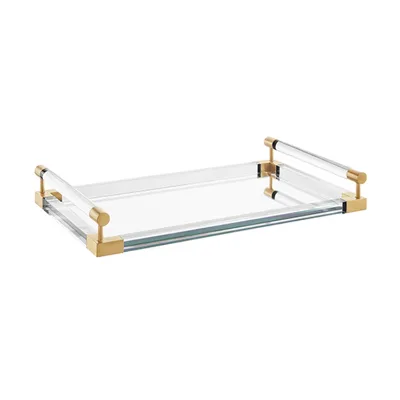
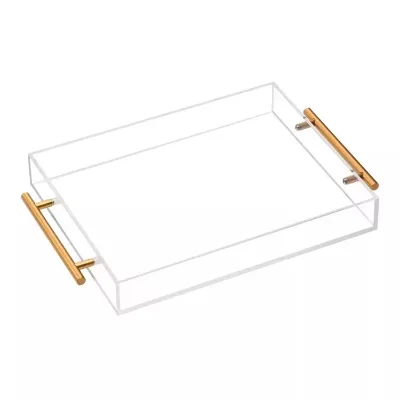


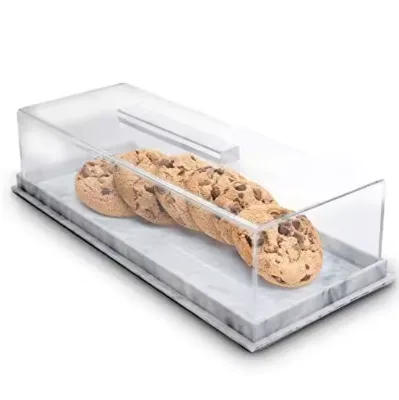

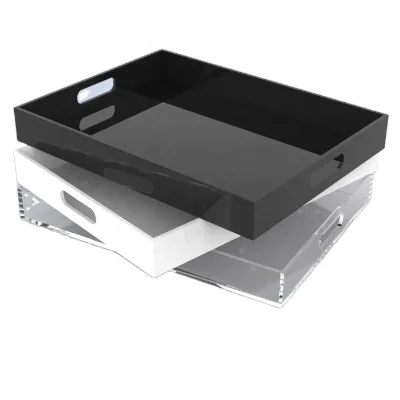
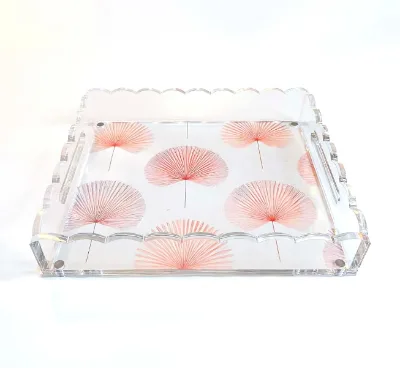



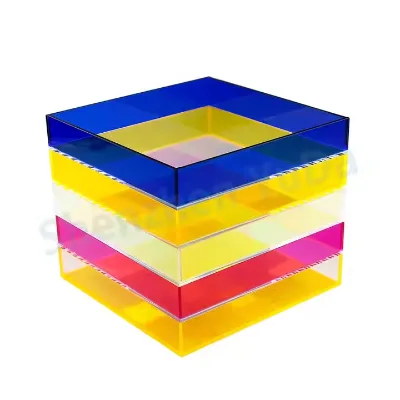
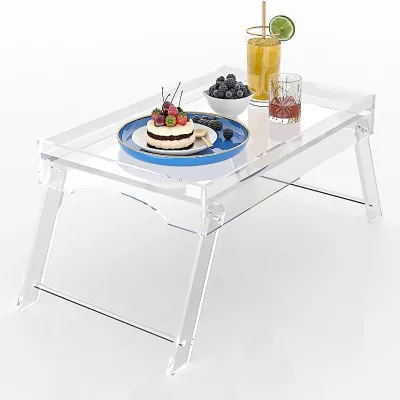

Comprehensive Sourcing Guide
Strategic Sourcing Guide for Transparent Acrylic Service Trays
Understanding Product Specifications and Material Integrity
When sourcing transparent acrylic service trays, the primary objective is to balance optical clarity with structural durability. The market offers a variety of configurations, but the foundational material remains consistent: clear acrylic. This material is selected for its high transparency, which mimics glass while offering superior impact resistance and lighter weight. Buyers must scrutinize the thickness specifications, as these directly correlate with the tray's load-bearing capacity and rigidity. Based on available product data, thickness options typically range from 3mm to 10mm or more, with specific models often utilizing 3mm, 4mm, 5mm, or 8mm variants.
The dimensional standards for these trays vary significantly depending on the intended application. Some units are designed for compact service, adhering to standards such as 8 inches in length and width with a 2-inch height, while others are engineered for larger capacity, reaching dimensions of 12 inches by 20 inches or 11.4 inches by 6.1 inches by 3.5 inches. It is critical for procurement teams to verify that the specific model number, such as YYB-5120, YYB-84, or YYB-035, aligns with the required storage and display dimensions. The manufacturing process involves cutting, hot-bending, and polishing, which ensures smooth edges and a high-gloss finish. These technical attributes are essential for preventing damage to delicate items like eggs or food containers during transport and service.
Compliance, Certification, and Material Safety
For products intended for food and egg handling, compliance with safety standards is non-negotiable. The sourcing guide emphasizes the verification of certifications that validate the material's safety and the manufacturer's quality management systems. High-confidence data indicates that reputable suppliers in this sector often provide FDA certification, ensuring the acrylic material is safe for direct or indirect food contact. Additionally, the presence of ISO9001 and SGS certificates serves as a robust indicator of a supplier's commitment to consistent quality control and international standards.
Buyers should not assume that all listed products automatically possess these certifications. Instead, the procurement process must include a direct request for current certification documents. The material itself is described as non-toxic and healthy, which supports its use in environments where food safety is paramount. However, the "Eco-Friendly" attribute observed in product listings should be treated as a feature claim that requires verification against specific environmental standards or recycling capabilities, rather than an inherent guarantee. The absence of antitheft features in these trays is a standard characteristic, meaning security measures must be managed separately by the end-user. Ensuring that the supplier can provide up-to-date documentation for FDA, ISO9001, and SGS is a critical step before finalizing any purchase order.
Cost Drivers and Pricing Dynamics
The pricing structure for transparent acrylic service trays is influenced by several variable factors, primarily material thickness, customization requirements, and order volume. The observed price range in the market spans from approximately $1.89 to $64.03 per unit. This wide disparity is not arbitrary; it reflects the difference between standard, off-the-shelf models and those with custom dimensions, specialized finishes, or bulk packaging requirements. Thicker acrylic, such as 8mm or 10mm variants, naturally commands a higher price point due to increased material usage and more complex processing times.
Customization is a significant cost driver. While standard models are available, the "Customization: Available" attribute suggests that buyers can request specific modifications. These may include custom logos via engraving, sticker application, or printing, as well as bespoke dimensions that deviate from standard specifications like 12.7D x 22.9W x 5.1cm. The "Factory Direct Sale" attribute implies that sourcing directly from the manufacturer can reduce intermediate markups, potentially lowering the unit cost. However, buyers must also consider the Minimum Order Quantity (MOQ), which ranges from 1 to 100 units. Smaller orders, such as single-unit samples, may incur higher per-unit costs compared to bulk purchases. The packing method also influences cost; options range from simple bubble bags to more elaborate gift boxes with strong cartons, adding to the overall unit price.
Typical Applications and Usage Scenarios
Transparent acrylic service trays are versatile tools designed for a wide array of commercial and domestic applications. The product data explicitly lists usage scenarios including food service, egg handling, exhibition shows, specialty stores, supermarkets, and general home use. The "Handle Tray" variation indicates a specific design for portability, allowing staff to carry multiple items efficiently in catering or retail environments. The "Eco-Friendly" and "Non-Toxic" attributes make these trays particularly suitable for food service applications where hygiene and material safety are critical.
The display capabilities of these trays are optimized for indoor environments. Their clarity enhances the visual appeal of the items placed upon them, making them ideal for retail displays in specialty stores or supermarkets where product presentation is key. In exhibition settings, the trays serve as functional yet aesthetically pleasing platforms for showcasing products. The "Disposable: Non-Disposable" classification confirms that these are durable goods intended for repeated use, distinguishing them from single-use plastic alternatives. This durability supports long-term cost savings for businesses that require reliable service ware. Whether used for serving coffee, organizing eggs, or displaying merchandise in a home or commercial setting, the tray's design prioritizes both function and visual transparency.
Supplier Evaluation and Manufacturing Capabilities
Evaluating a supplier for acrylic service trays requires a deep dive into their manufacturing capabilities and logistical infrastructure. The production process involves cutting, hot-bending, and polishing, which demands specialized equipment and skilled labor. Buyers should verify that the supplier has the technical capacity to handle custom orders, as indicated by the "Process Type: Custom" attribute. The availability of OEM and ODM services is a strong indicator of a supplier's flexibility and willingness to tailor products to specific brand requirements.
Logistics and shipping capabilities are equally important. The data shows that suppliers typically offer shipping via major carriers such as DHL, FedEx, UPS, and TNT, as well as sea freight for larger volumes. This variety allows buyers to select shipping methods that balance speed and cost based on their urgency. The origin of the products is noted as Shenzhen, a major manufacturing hub known for its supply chain efficiency. However, buyers must confirm the specific location of the factory and the lead times associated with different order sizes. The "Sample: in Stock" attribute suggests that some suppliers can provide immediate samples for quality verification, which is a crucial step in the supplier selection process. A robust supplier will also demonstrate a global market reach, with the ability to ship to all parts of the world, ensuring that procurement teams can source from anywhere without significant logistical barriers.
Quality Control and Long-Term Procurement Strategy
Implementing a rigorous quality control (QC) protocol is essential for maintaining the integrity of transparent acrylic service trays. The manufacturing process, which includes cutting and polishing, must be monitored to ensure that edges are smooth and free of burrs that could damage products or users. The "Product Process" data highlights the importance of hot-bending and polishing, which are critical for achieving the desired clarity and structural strength. Buyers should request detailed QC reports that cover dimensional accuracy, thickness consistency, and surface finish quality.
For long-term procurement, establishing a partnership with a supplier who offers consistent quality and reliable lead times is vital. The "Customization: Available" and "OEM/ODM: Welcomed" attributes suggest that suppliers are capable of growing with the buyer's needs. However, buyers must be cautious of the "Non-Disposable" classification, ensuring that the trays are indeed durable enough for the intended frequency of use. The packing standards, ranging from OPP bags to export cartons with protective foam, play a significant role in preventing damage during transit. A comprehensive procurement strategy should include regular audits of the supplier's quality systems, verification of certifications like FDA and ISO9001, and a clear agreement on handling defective goods. By focusing on these long-term considerations, buyers can secure a reliable supply chain for their Transparent Acrylic Service Tray needs, ensuring consistent performance and value over time.
Summary of Key Procurement Parameters
To facilitate a streamlined decision-making process, the following table summarizes the critical parameters buyers should verify when sourcing transparent acrylic service trays. This comparison highlights the variability in specifications and the importance of due diligence.
| Parameter | Observed Range/Options | Verification Requirement |
|---|---|---|
| Material | Clear Acrylic | Confirm non-toxic and food-safe claims. |
| Thickness | 3mm to 10mm+ | Match thickness to load-bearing needs. |
| Dimensions | 8"L x 8"W x 2"H to 12" x 20" | Verify against specific display requirements. |
| Certifications | FDA, ISO9001, SGS | Request current, valid certificates. |
| Customization | Logo (Sticker, Engraved, Printing) | Confirm design files and proofing process. |
| Shipping | DHL, FedEx, UPS, Sea | Evaluate based on urgency and volume. |
| MOQ | 1 to 100 units | Align order size with budget and storage. |
| Origin | Shenzhen | Confirm factory location and lead times. |
By adhering to these guidelines and verifying the specific attributes of each potential supplier, procurement teams can effectively source high-quality transparent acrylic service trays that meet their operational and safety requirements.
FAQs
What certifications do transparent acrylic service trays have?
These trays typically hold FDA, ISO9001, and SGS certifications. Buyers should verify current documents as not all listed products automatically possess these certifications, ensuring material safety for food and egg handling.
How thick are the available transparent acrylic service trays?
Thickness options range from 3mm to 10mm or more, including specific variants like 4mm, 5mm, and 8mm. Thicker acrylic generally commands a higher price and offers greater load-bearing capacity for service applications.
Can I customize the logo on these service trays?
Yes, customization is available with logo options including engraving, stickers, or printing. Buyers can request specific modifications, though standard models may be available without logo printing depending on the supplier.
Which shipping methods are used for these trays?
Suppliers typically ship via DHL, FedEx, UPS, TNT, or by sea freight. The choice depends on order volume and urgency, with options available for global delivery from the Shenzhen manufacturing hub.
What is the minimum order quantity for these trays?
The minimum order quantity ranges from 1 to 100 units. Smaller orders like single samples may have higher per-unit costs compared to bulk purchases, which align with factory direct sale pricing.
Are these trays suitable for food and egg service?
Yes, the trays are designed for food and egg usage with non-toxic materials. They are classified as non-disposable, durable goods intended for repeated use in commercial and domestic environments.