Find Transparent Anti-Fog Shrink Film for Packaging Logistics Food
Source 30 listings of transparent anti-fog shrink film from suppliers in China. Buyers can compare PVC, PE, and POF options with customizable thickness, width, and anti-static features for packaging, logistics, and food applications.
Key considerations
Products List


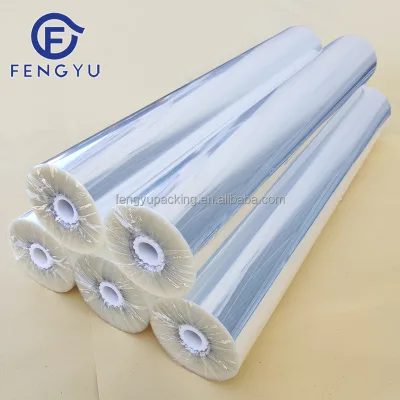


Heavy Duty PE Film Plastic Film Transparent Soft Packaging Shrink Film
$0.30 - $0.60
MOQ: 1000 Square Meters

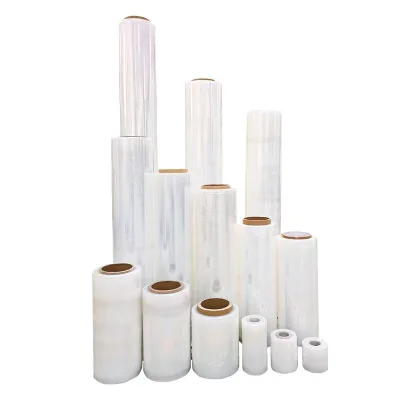
Clear Plastic Transparent Stretch Film Casting Soft ShrinkPacking Film
$0.26 - $0.28
MOQ: 10 kilograms


Comprehensive Sourcing Guide
Strategic Sourcing Guide for Transparent Anti-Fog Shrink Film
Procuring transparent anti-fog shrink film requires a disciplined approach that balances optical clarity, thermal performance, and material compatibility. The global market for shrink packaging has evolved to prioritize films that maintain visibility while resisting condensation, a critical factor for food, pharmaceutical, and logistics applications. Buyers must navigate a complex landscape of polymer types, including PVC, PE, and POF, each offering distinct mechanical and thermal profiles. This guide synthesizes available product attributes and industry standards to provide a framework for evaluating suppliers and specifications without relying on unverified claims or external market data.
Material Selection and Polymer Characteristics
The foundation of any successful shrink film procurement lies in selecting the correct polymer base. The supply data indicates a diverse range of materials, specifically PVC, PE, and POF, each serving different functional needs. PVC is frequently cited with attributes such as rigid hardness and high transparency, making it suitable for applications requiring structural integrity in shrink labels. The observed processing type for PVC often involves multiple extrusion techniques, which can enhance layer bonding and optical properties.
In contrast, PE (Polyethylene) is characterized by soft hardness and high toughness, offering superior puncture resistance. This makes PE films ideal for packaging hardware and products with sharp edges where film failure is a risk. The data notes specific thickness ranges for PE, such as twelve to fifty microns, and highlights customizable anti-static and eco-friendly attributes. POF (Polyolefin) represents a third category, often associated with high clarity and specific shrinkage rates. The observed shrinkage rate for similar films ranges from fifty percent to sixty percent, a critical parameter for ensuring tight wrapping without damaging the product.
Buyers must verify the specific polymer type against their application requirements. While PVC offers rigidity, PE provides flexibility and impact resistance. POF is often selected for its balance of clarity and environmental profile. The decision should not be based solely on cost but on the mechanical demands of the packaged goods, such as the need for dustproof, waterproof, and scratch-resistant features.
Technical Specifications and Performance Metrics
Precision in technical specifications is paramount when sourcing transparent anti-fog shrink film. The data reveals a wide spectrum of thickness options, ranging from twelve point five to fifty microns for PVC and twelve to fifty microns for PE. Some specific product models list thicknesses as narrow as 0.07mm or ranges like 10mic to 40mic. These variations directly influence the film's shrinkage behavior and sealing performance.
The width specifications are equally critical, with observed ranges extending from eight to one hundred and twenty inches, or more specific dimensions like 20-90cm. Length is typically customized on demand, allowing for flexibility in roll sizes to match production line speeds. The shrinkage rate, observed between fifty percent and sixty percent, dictates how tightly the film will conform to the product shape. Buyers must ensure that the selected film's shrinkage rate aligns with the thermal profile of their shrink tunnels to prevent distortion or film breakage.
Optical properties are another key consideration. The data mentions customizable high-clarity films and specific transparency levels. For anti-fog performance, buyers should look for films that maintain clarity in humid environments. The standard thicknesses for certain models are listed as 1.2, 1.5, 1.9, 2.5, 3.0, 3.5, and 3.8 microns, though these may refer to specific coating layers or standard gauges rather than the bulk film thickness. Heat sealing temperature is adjustable according to thickness, meaning that the supplier must provide precise thermal profiles for the specific gauge ordered.
Compliance, Environmental Attributes, and Safety
Environmental compliance and safety certifications are increasingly vital in modern procurement. The supply data highlights the availability of customizable eco-friendly attributes, including degradable PVC, PE, and POF films. This suggests that suppliers can tailor formulations to meet specific regulatory requirements or corporate sustainability goals. However, buyers must verify the specific nature of these "degradable" claims, as the term can encompass various mechanisms such as oxo-degradation or hydrolysis.
Anti-static performance is another compliance-related feature, with data indicating that anti-static PVC, PE, and POF films are available. This is essential for packaging electronic components or sensitive hardware where static discharge could cause damage. The data also notes features like moisture proof and water-soluble capabilities, which may be relevant for specific industrial or agricultural applications.
When evaluating compliance, buyers should request documentation regarding the film's adherence to food and medicine contact standards. The usage data explicitly lists "Food & Medicine Film" as a primary application, implying that the material must meet relevant safety regulations. While specific certification names are not provided in the data, the presence of these usage categories necessitates a rigorous verification process to ensure the film is safe for direct or indirect food contact.
Cost Drivers and Economic Considerations
Understanding the cost drivers of shrink film is essential for budgeting and negotiation. The observed price range in the market spans from 0.1 to 150 USD, reflecting the vast differences in material quality, thickness, width, and customization levels. The Minimum Order Quantity (MOQ) ranges from 1 to 30,000 units, indicating that buyers can source small trial batches or large industrial volumes.
Key factors influencing cost include the polymer type, with POF and specialized PVC often commanding different price points than standard PE. Customization is a significant cost driver; attributes such as single-sheet folded tubular specifications, customized weight, and specific printing technologies add to the base material cost. The data confirms that printing technology and weight are customizable on demand, which allows for branding but increases production complexity.
Thickness is a direct cost factor; thicker films require more raw material and energy to extrude. Similarly, the width of the film affects the yield per roll. Buyers should analyze the total cost of ownership, considering not just the unit price but also the efficiency of the film on their packaging lines. A film with a higher shrinkage rate might reduce material usage, offsetting a higher per-unit cost.
Supplier Evaluation and Origin Verification
Selecting the right supplier requires a thorough evaluation of their capabilities and geographic origin. The data identifies Shandong and China as production origins, providing a geographical context for the supply chain. Buyers should verify the supplier's location to assess logistics costs and lead times. The product origin is a critical piece of information for importers managing supply chain risks.
Supplier evaluation should focus on their ability to meet the specific customization requirements observed in the data. Capabilities such as single-sheet folded tubular production, adjustable heat sealing temperatures, and customizable anti-static features indicate a supplier with advanced extrusion and coating technologies. The availability of multiple extrusion processes suggests a capacity for complex multi-layer films, which often offer superior performance.
Buyers must also assess the supplier's quality control systems. The data mentions specific product models like jybz5001, jybz2001, and SANRUN-250090401, which serve as identifiers for specific product lines. Verifying that the supplier can consistently produce these models with the specified tolerances is crucial. The packing method, listed as pallet or carton, should also be evaluated to ensure the film arrives without damage or contamination.
Quality Control and Testing Protocols
Implementing a robust quality control protocol is essential to ensure that the received film meets the required specifications. Given the variability in thickness (10mic to 50mic) and width (8 to 120 inches), buyers should establish clear acceptance criteria for dimensional accuracy. The data notes that thickness can be customized, so the tolerance for these custom dimensions must be defined in the purchase agreement.
Testing should include verification of the shrinkage rate, which is observed between fifty percent and sixty percent. Buyers should conduct shrink tests on their own equipment to confirm that the film performs as expected under their specific thermal conditions. Puncture resistance is another critical test, especially for PE films described as having high toughness. This test ensures the film can withstand the rigors of packaging hardware and sharp-edged products.
Optical clarity and anti-fog performance should be evaluated under simulated humidity conditions. The data mentions high-clarity films and anti-static properties, which should be verified through visual inspection and specific anti-static resistance measurements. For food and medicine applications, the film must be tested for migration of substances to ensure compliance with safety standards.
Long-Term Procurement and Supply Chain Resilience
Long-term procurement strategies for transparent anti-fog shrink film should focus on building a resilient supply chain. The ability to customize specifications, such as width, thickness, and printing, allows buyers to adapt to changing market demands. However, this flexibility requires a supplier with strong R&D capabilities and a stable production process.
Buyers should consider the environmental attributes of the film as a long-term asset. With the trend toward degradable and eco-friendly materials, selecting a supplier who can provide customizable degradable options future-proofs the supply chain against tightening environmental regulations. The availability of anti-static and moisture-proof features also adds value, reducing the risk of product damage and returns.
Finally, maintaining a relationship with a supplier who offers a wide range of product models and standards ensures continuity. The data shows a variety of models and standards, suggesting that a single supplier can meet diverse needs. This reduces the risk of supply disruption and allows for streamlined inventory management. By focusing on these long-term factors, buyers can secure a reliable source of high-quality transparent anti-fog shrink film that meets both current and future operational requirements.
Comparative Analysis of Material Options
To assist in decision-making, the following table summarizes the key attributes of the primary materials observed in the supply data. This comparison highlights the distinct advantages of each polymer type based on the provided facts.
| Attribute | PVC Film | PE Film | POF Film |
|---|---|---|---|
| Hardness | Rigid | Soft | Variable |
| Transparency | Transparent | High Clarity | High Clarity |
| Shrinkage Rate | 50% - 60% | Variable | Variable |
| Puncture Resistance | Suitable for Hardware | High Toughness | Variable |
| Anti-Static | Customizable | Customizable | Customizable |
| Eco-Friendly | Customizable Degradable | Customizable Degradable | Customizable Degradable |
| Typical Usage | Packaging, Logistics, Decorative | Hardware, Food, Medicine | Food, Medicine, Gift |
| Thickness Range | 12.5 - 50 Microns | 12 - 50 Microns | 10 - 40 Microns |
| Processing Type | Multiple Extrusion | Multiple Extrusion | Multiple Extrusion |
This table serves as a reference for buyers to align material properties with their specific application needs. While the data indicates that all three materials offer customizable anti-static and eco-friendly attributes, the mechanical properties like hardness and puncture resistance differ significantly. PVC's rigidity makes it suitable for decorative and rigid packaging, whereas PE's softness and high toughness are better for protecting hardware and heavy items. POF offers a balanced option for food and medicine packaging where clarity and safety are paramount.
Conclusion
Sourcing transparent anti-fog shrink film is a multifaceted process that demands attention to material science, technical specifications, and supplier capabilities. By leveraging the observed data on PVC, PE, and POF films, buyers can make informed decisions that balance performance, cost, and compliance. The availability of customization in thickness, width, and functional attributes provides the flexibility needed to meet diverse industrial requirements. However, the success of any procurement effort relies on rigorous quality control, verification of supplier claims, and a clear understanding of the specific application environment. Through a disciplined approach to evaluation and testing, buyers can secure a reliable supply of high-performance shrink film that enhances their packaging operations and meets the evolving demands of the market.
FAQs
What materials are available for transparent anti-fog shrink film?
The available materials include PVC, PE, and POF, each offering distinct mechanical properties. PVC provides rigid hardness suitable for labels, while PE offers soft hardness and high toughness for puncture resistance. POF is another option often selected for its balance of clarity and environmental profile.
How thick can the transparent anti-fog shrink film be customized?
Thickness ranges vary by material, with PVC options spanning twelve point five to fifty microns and PE from twelve to fifty microns. Some specific models offer thicknesses as narrow as 0.07mm or ranges like 10 to 40 microns, allowing precise adaptation to packaging needs.
Which customization options exist for the film specifications?
Buyers can request single-sheet folded tubular specifications, customized weight, and adjustable heat sealing temperatures. Widths are available from eight to one hundred and twenty inches, and length is customized on demand to match production line speeds and specific roll requirements.
Can the film be made with anti-static and eco-friendly attributes?
Yes, customizable anti-static PVC, PE, and POF films are available to protect sensitive hardware. Additionally, degradable versions of these materials can be produced to meet specific regulatory requirements or corporate sustainability goals for environmental compliance.
What is the typical shrinkage rate for these shrink films?
The observed shrinkage rate for these films ranges from fifty percent to sixty percent. This parameter is critical for ensuring tight wrapping without damaging the product, and it must align with the thermal profile of the buyer's shrink tunnels.
Where are the suppliers of this film located?
The product origin is listed as Shandong, China. Buyers should verify the supplier's location to assess logistics costs and lead times, as the geographic context is critical for importers managing supply chain risks and delivery schedules.
What are the usage applications for this shrink film?
The film is used for packaging, logistics, food and medicine, and decorative applications. Specific features like moisture proof and water-soluble capabilities make it suitable for industrial, gift packaging, and glass protection uses requiring high clarity and durability.