Source Transparent Anti Snoring Nasal Vents for sleep, travel, and rest
Compare 30 listings of Transparent Anti Snoring Nasal Vents from verified Chinese manufacturers. Buyers can evaluate silicone materials, CE and ISO certifications, and pricing options ranging from $0.03 to $1.50 per unit; compare the available evidence and request quotations based on your requirements.
Key considerations
Products List
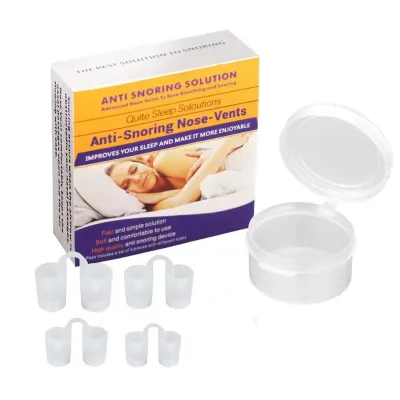
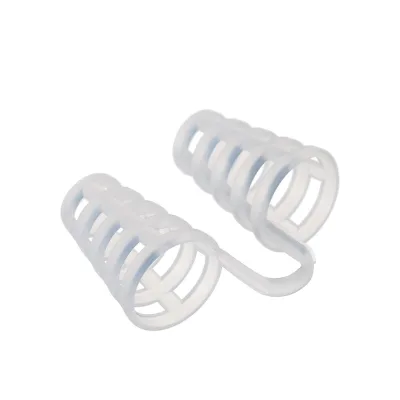
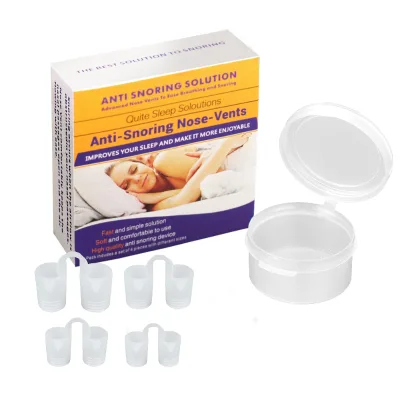
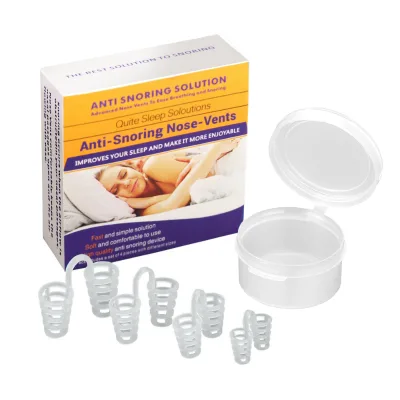


4PCS Anti Snoring Nose Vents Breathe Easy Sleep Aid Nasal Dilators Device
$0.48 - $0.95
MOQ: 10 Pieces


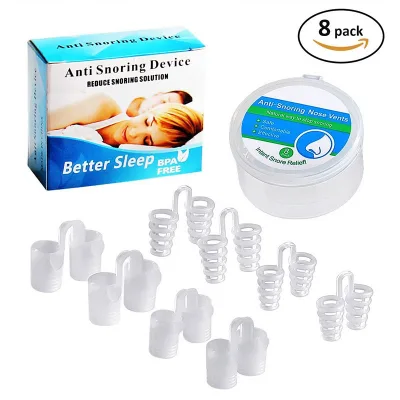
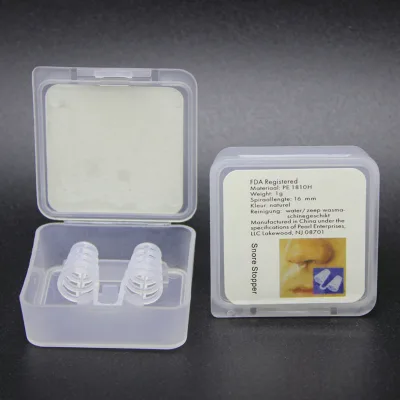


2026 Anti-Snoring Nasal Dilator 4 Sizes Nose Vents for Healthy Sleep Breathing Aid
$0.28 - $1.10
MOQ: 100 Pieces


Nasal Dilator Anti Snore Nose Vents Snore Relief Nose Clips Nostril Retainer
$0.28 - $1.19
MOQ: 100 Pieces

Nasal Dilator Silicone Anti-Snoring Nose Vent and Instant Reducing Snoring Solution
$0.28 - $1.15
MOQ: 100 Pieces
Comprehensive Sourcing Guide
Transparent Anti Snoring Nasal Vents Sourcing Guide
Procuring Transparent Anti Snoring Nasal Vents requires a careful balance between material safety, functional efficacy, and commercial viability. These devices are designed to mechanically widen the nasal passages, reducing airway resistance and minimizing the vibrations that cause snoring. Buyers must prioritize suppliers who provide clear evidence of biocompatibility, as the product remains in direct contact with sensitive mucosal tissues for extended periods. The transparency of the material is not merely aesthetic; it allows users to inspect the device for cleanliness, cracks, or debris accumulation, which is critical for hygiene maintenance.
The market offers a variety of designs, ranging from simple silicone tubes to more complex vent structures. Sourcing decisions should be guided by the specific needs of the target demographic, such as adult users who may require different sizing options for optimal fit. It is essential to verify that the chosen model aligns with the intended use case, whether for occasional use or nightly reliance. Understanding the mechanical action of the vent helps in selecting products that offer genuine relief without causing discomfort or irritation to the nasal lining.
Product Scope and Observed Listing Signals
Current market listings indicate a strong presence of silicone-based anti-snoring devices, with many suppliers highlighting medical-grade materials as a key differentiator. Observed product attributes frequently include certifications such as CE and ISO, which serve as initial indicators of manufacturing standards. The color palette is predominantly white, though transparency is a sought-after feature for ease of inspection. Buyers should note that while many listings claim "medical grade" status, the specific polymer formulation and processing methods vary significantly between manufacturers, necessitating direct verification of material safety data sheets.
Pricing signals suggest a competitive landscape, with unit costs ranging from low fractions of a dollar to approximately $1.50, depending on order volume and customization requirements. Minimum order quantities (MOQs) typically start as low as two units for sampling but scale up to thousands for bulk production. This wide range allows for flexible entry strategies, from small test batches to large-scale distribution. However, buyers must be cautious of listings that lack detailed specifications or clear branding, as these may indicate lower quality control or inconsistent manufacturing processes.
Technical Specifications to Verify
Material composition is the most critical technical specification, with silicone being the dominant choice due to its flexibility and hypoallergenic properties. Buyers must confirm whether the silicone is standard or medical-grade, as the latter undergoes stricter purification processes to remove impurities that could cause allergic reactions. The device should be solid and non-porous to prevent bacterial growth. Additionally, the presence of ethylene oxide sterilization in some listings suggests a higher level of hygiene assurance, which is particularly important for products intended for long-term nasal use.
Sizing is another vital technical aspect, with most suppliers offering a range of sizes from small to extra-large to accommodate different nasal anatomies. The physical dimensions of the packaging, often around 10x8x5 cm or similar, impact logistics and storage efficiency. Buyers should also verify the shelf life, which is commonly listed as three years, ensuring that inventory does not degrade before sale. The model numbers, such as G-ASNVT02 or SD-B-097, help in tracking specific product iterations and ensuring consistency in future reorders.
Compliance and Safety Documentation
Regulatory compliance is non-negotiable for nasal devices, with CE marking being a standard requirement for European markets. This certification indicates that the product meets EU health, safety, and environmental protection standards. Buyers should request the full technical file associated with the CE mark to verify that the conformity assessment was conducted by a notified body, rather than self-declaration, which offers less rigorous oversight. ISO certifications further demonstrate that the manufacturer adheres to international quality management systems, reducing the risk of production defects.
In addition to regulatory marks, buyers should inquire about specific safety tests, such as biocompatibility assessments under ISO 10993 standards, although these details may not always be explicitly listed. The presence of MSDS (Material Safety Data Sheet) information is crucial for understanding the chemical composition and handling requirements. For markets with stricter regulations, such as the US, FDA clearance or registration may be required, so buyers must verify the specific regulatory pathway applicable to their target region before finalizing any procurement agreements.
Cost Drivers and Commercial Terms
The cost of anti-snoring nasal vents is influenced by several factors, including material quality, packaging complexity, and order volume. Medical-grade silicone commands a higher price than standard silicone due to stricter sourcing and processing requirements. Customization options, such as logo printing or OEM/ODM services, add to the unit cost but can enhance brand value for private label buyers. Buyers should negotiate clearly on whether these customization fees are one-time setup charges or recurring per-unit costs to avoid unexpected expenses.
Payment terms and logistics also play a significant role in the total cost of ownership. Common payment methods include PayPal, Western Union, and Telegraphic Transfer (TT), with Trade Assurance offering an additional layer of security for international transactions. Buyers should clarify the Incoterms, such as FOB or EXW, to understand who bears the risk and cost of shipping. Minimum order quantities can range from small batches for sampling to large volumes for production, so aligning order size with cash flow and storage capacity is essential for efficient procurement.
Supplier Qualification and Quality Control
Supplier qualification begins with verifying the place of origin, with many manufacturers located in Henan, China, a hub for medical device production. Buyers should assess the supplier’s production capacity and lead times to ensure they can meet demand fluctuations. The availability of samples, often provided with freight paid by the buyer, allows for hands-on evaluation of product quality, fit, and material feel. This step is crucial for identifying potential issues before committing to large orders.
Quality control processes should be explicitly discussed, including in-process inspections and final random inspections. Buyers should request information on the supplier’s quality guarantee period, which is often two years for such devices. The ability to handle OEM/ODM requests indicates a level of manufacturing flexibility and professionalism. Additionally, verifying the supplier’s history of compliance with quality certifications and their responsiveness to customer inquiries can provide insights into their reliability and commitment to long-term partnership.
Long-Term Procurement Checks
Long-term success in sourcing anti-snoring devices depends on continuous monitoring of product performance and supplier reliability. Buyers should establish a feedback loop with end-users to gather insights on comfort, efficacy, and durability. This data can inform future design improvements or material changes. Regular audits of the supplier’s quality management system ensure that standards are maintained over time, especially as production volumes scale up. Any deviations in product quality or certification status should be addressed immediately to mitigate risks.
Inventory management is another critical aspect of long-term procurement. With a shelf life of three years, buyers must balance stock levels to avoid obsolescence while ensuring product availability. The packaging format, such as boxes containing four pieces, should be optimized for retail display and storage efficiency. Buyers should also stay informed about regulatory changes in their target markets, as updates to CE or ISO standards may require product modifications or re-certification. Proactive engagement with suppliers helps in anticipating these changes and maintaining a competitive edge.
FAQs
What material are the anti snoring nose vents made of?
The anti snoring nose vents are crafted from medical grade silicone, ensuring safety and comfort for the user. This material is eco-friendly and hypoallergenic, making it suitable for sensitive skin. The product is designed as a solid item that fits directly into the nose to help reduce snoring sounds during sleep.
Which sizes are available for the anti snoring device?
The anti snoring device is available in four distinct sizes: Small, Medium, Large, and Extra Large. These sizes allow users to select the best fit for their nasal passages. The product model G-ASNVT02 and G-ASNVN both offer these size options to ensure optimal comfort and effectiveness for different users.
Can I get samples before placing a bulk order?
Yes, samples are acceptable for evaluation before committing to a larger purchase. Some suppliers offer free samples where the buyer pays for freight, while others may have different sample policies. This allows buyers to verify the quality, fit, and material of the medical grade silicone vents before proceeding with wholesale orders.
What certifications do the anti snoring nose vents hold?
The anti snoring nose vents hold CE and ISO quality certifications, indicating compliance with international standards. Some listings also mention MSDS certification. These certifications assure buyers of the product's safety and quality, which is crucial for medical or health-related devices intended for adult use to stop snoring effectively.
What is the minimum order quantity for these vents?
The minimum order quantity varies, with observed ranges from 2 to 1000 units. Specific listings may state an MOQ of 10 boxes. Buyers should check individual supplier requirements as MOQs can differ based on customization needs, packaging options, and the specific model number selected for the anti snoring device.
Are OEM and ODM services available for these products?
OEM and ODM services are acceptable for many suppliers of these anti snoring nose vents. Buyers can request custom logo printing and specific packaging configurations. This flexibility allows businesses to brand the medical grade silicone devices according to their market needs, ensuring the product aligns with their specific commercial requirements and branding strategies.
Where are these anti snoring devices manufactured?
These anti snoring devices are manufactured in Henan, China. The place of origin is consistently listed as Henan for the majority of the product listings. Buyers sourcing these items should be aware of this location when considering logistics, shipping times, and supplier communication for their wholesale procurement needs.