Source Transparent Anti Snoring Mouth Guard for Home, Office, Travelling
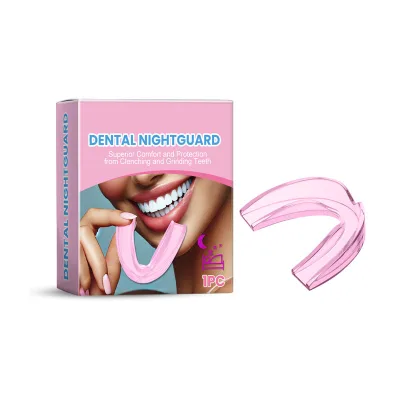
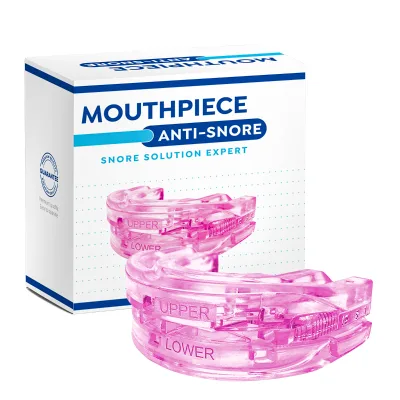
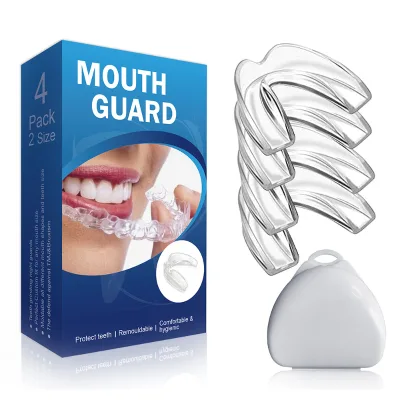
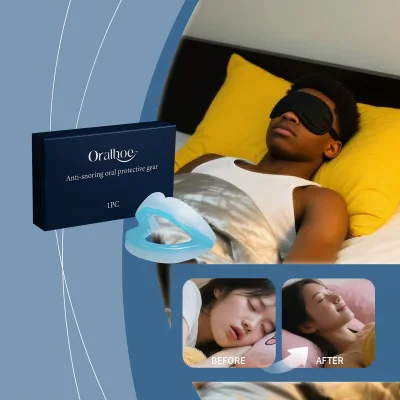
Explore 30 listings for the Transparent Anti Snoring Mouth Guard, featuring options with CE certification and EVA material. Buyers can compare specifications like package size, weight, and color variants including blue, pink, and white to find suitable suppliers.
Key considerations
Products List
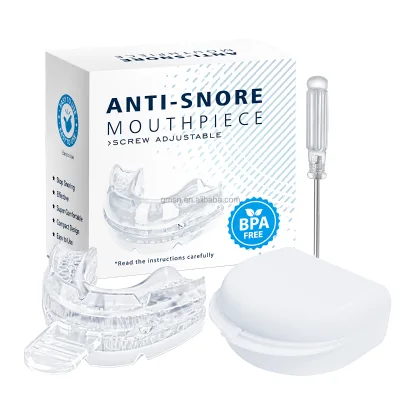
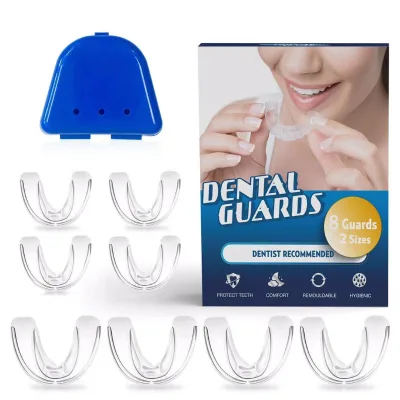
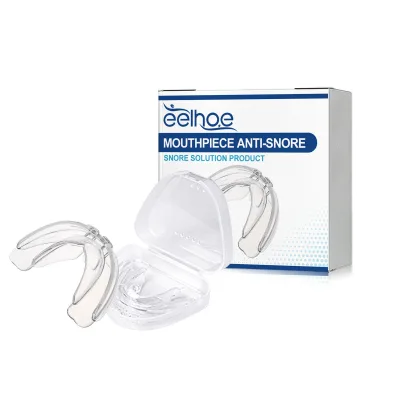
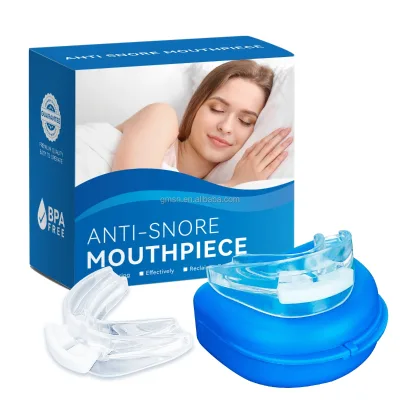


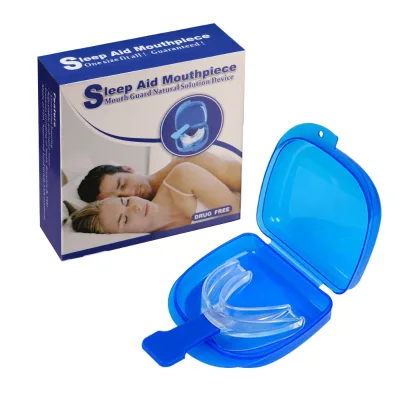
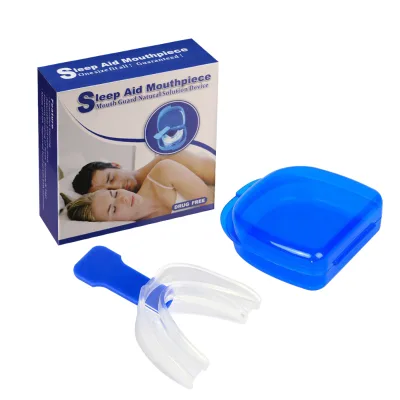
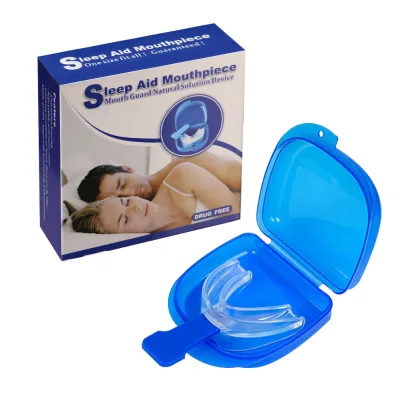
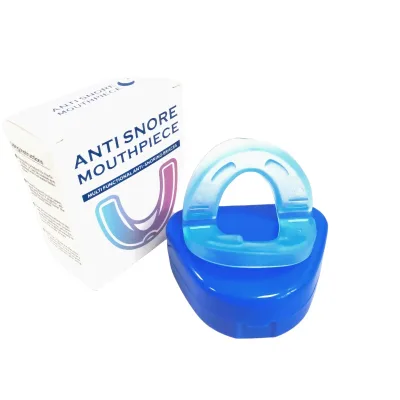

Comfortable Food Grade Mouth Guard for Adults to Prevent Teeth Grinding
$0.19 - $0.30
MOQ: 1000 Pieces


Comprehensive Sourcing Guide
Strategic Sourcing Guide for Transparent Anti Snoring Mouth Guards
The global demand for non-invasive sleep solutions has elevated the Transparent Anti Snoring Mouth Guard from a niche wellness item to a staple in the home health care category. For B2B procurement professionals, navigating this market requires a disciplined approach that distinguishes between product observations and verified performance claims. This guide synthesizes available product attributes, compliance data, and logistical parameters to provide a robust framework for sourcing transparent anti snoring mouth guards. The objective is to equip buyers with the analytical tools necessary to evaluate suppliers, verify specifications, and manage supply chain risks without relying on unverified marketing assertions.
Technical Specifications and Material Composition
When evaluating transparent anti snoring mouth guards, the primary technical differentiator lies in the material composition and physical dimensions. The supplied data indicates that Ethylene Vinyl Acetate (EVA) is a prevalent material used in these devices. EVA is selected for its flexibility, durability, and ability to be molded to the user's dentition, which is critical for the device's function as a snore stopper. The transparency of the product is a key aesthetic and functional attribute, allowing users to inspect the device for cleanliness and ensuring the material does not obscure the fit.
Physical specifications vary significantly across different listings, presenting a challenge for standardization. Observed single package sizes range from 8x8x3.8 cm to 10x14x3 cm, with some variations reaching 8x8x4.5 cm. This variance suggests that packaging dimensions are often determined by the specific design of the accompanying travel case or the bulk of the product itself rather than a universal standard. Buyers must verify the exact dimensions of the single unit and the gross weight, which is listed variously as 0.080 kg, 0.08 kg, and in some instances, 0.700 kg. The discrepancy in weight figures likely stems from differences in packaging content, such as the inclusion of a heavy-duty plastic travel case versus a simple color box.
The functional design is consistently described as a "Mouth Guard" or "Sleep Health Care Instrument," with specific usage scenarios including home, office, and traveling environments. The product is often marketed as a "Sleep Solution" with a specific focus on "Nose Anti Snoring" or general snoring reduction. It is crucial for buyers to note that while the product name may vary (e.g., "Anti Snore Guard," "Anti Snoring Device," "Anti Snore Nose"), the core mechanism remains the same: a device designed to reposition the jaw or tongue to maintain airway patency. The condition is universally listed as "Brand New," and the customization options range from "Without Logo Printing" to fully "Customized" branding, indicating a high degree of flexibility in the manufacturing process.
Compliance, Certification, and Regulatory Standards
Navigating the regulatory landscape for medical-adjacent devices like anti-snoring mouth guards is a critical step in the procurement process. The supplied data explicitly mentions certifications such as CE and MSDS (Material Safety Data Sheet). The presence of CE certification is a strong indicator that the product meets the European Union's health, safety, and environmental protection standards, which is often a prerequisite for selling in European markets. However, buyers must treat these certifications as observations of specific listings rather than universal guarantees for all suppliers.
The standard of 1.81.50.6 cm appears in the data, though its context as a "prod_standard" is ambiguous. It is more likely a specific dimensional constraint for a component or a specific model variant rather than a global industry standard. Buyers should not assume this is a universal regulatory benchmark. Instead, the focus should be on verifying that the specific batch of goods carries valid certification documents that correspond to the target market's regulations.
Material safety is paramount, especially for devices that come into direct contact with the mouth and respiratory system. The "BPA Free" attribute is a significant selling point and a critical compliance factor. Buyers must request test reports or declarations of conformity that explicitly confirm the absence of Bisphenol A in the EVA material. While the data lists "Shelf Life" as "Other" or "1 years," this variability highlights the need for buyers to define their own storage and usage lifecycle requirements. A one-year shelf life may be sufficient for short-term distribution but could be problematic for bulk stockpiling. Procurement teams should verify the stability of the EVA material over time to ensure it does not degrade, discolor, or lose its molding properties during storage.
Cost Drivers and Pricing Dynamics
The pricing structure for transparent anti snoring mouth guards is influenced by several variables, including material costs, customization levels, and order volume. The observed listed price range in the market is between 0.19 and 4.5 USD. This wide disparity suggests that the final price is heavily dependent on the specific configuration of the order. The lower end of the spectrum likely corresponds to basic, non-customized units with minimal packaging, while the higher end reflects premium configurations, such as those with custom logos, specialized travel cases, or higher-grade EVA materials.
Minimum Order Quantity (MOQ) is another significant cost driver. The data shows an MOQ range from 2 to 5000 units, with a specific high-confidence fact noting an MOQ of 20 pieces or 20 boxes. This flexibility allows buyers to test the market with small orders before committing to large-scale procurement. However, the unit price will inevitably decrease as the order volume increases, a standard economic principle in B2B manufacturing. Buyers should be aware that the "Selling Units" are often listed as "Single item," which can complicate bulk pricing calculations if the supplier's internal packaging logic differs from the buyer's expectations.
Payment terms are another factor in the total cost of ownership. The data references "Trade Assurance" as a payment term, which is a protective mechanism offered by certain B2B platforms to ensure that funds are only released upon satisfactory delivery. While this is a positive indicator of supplier reliability, it does not replace the need for a formal contract that outlines penalties for delays or quality failures. Buyers should also consider the impact of shipping costs, which can vary based on the single gross weight (ranging from 0.08 kg to 0.700 kg) and the volume of the package.
Supplier Evaluation and Origin Verification
The geographic origin of the product is a critical factor in supplier evaluation. The data indicates multiple locations, including Guangdong, China; Shenzhen; Fujian, China; and a general "CN;GUA" designation. Guangdong and Shenzhen are major manufacturing hubs in China, known for their expertise in plastic molding and consumer electronics. Fujian is also a significant region for light manufacturing. The presence of multiple origin points suggests a fragmented supply chain where different factories may produce similar products under different brand names or OEM arrangements.
When evaluating suppliers, buyers should prioritize those with clear, verifiable origins. The "Brand Name" is frequently listed as "OEM," indicating that many suppliers operate as original equipment manufacturers, producing goods for other brands. This is common in the health care sector, where white-labeling is prevalent. Buyers seeking to build their own brand should look for suppliers who explicitly offer "Logo Printing" and "Customization" services. The data confirms that customization is available, but the extent of this service (e.g., mold creation vs. simple sticker application) must be clarified during negotiations.
Supplier reliability can also be assessed through the consistency of their product attributes. Discrepancies in weight, size, or certification details across different listings from the same supplier may indicate a lack of quality control or a reliance on multiple sub-contractors. A reputable supplier should provide consistent specifications for their standard models. Additionally, the "Group" attribute listing "Male" suggests that some products may be gender-specific in design, which is an important consideration for buyers targeting specific demographics.
Quality Control and Inspection Protocols
Implementing a robust quality control (QC) protocol is essential for ensuring that the transparent anti snoring mouth guards meet the required standards. Given the variation in single gross weights and package sizes, visual inspection and dimensional verification should be the first line of defense. Buyers should verify that the EVA material is free from defects such as bubbles, discoloration, or uneven surfaces, which could compromise the fit and comfort of the device.
The "Color" attribute lists options such as transparent, blue, pink, white, and clear. While transparency is the core requirement, color consistency is also vital for brand identity. Buyers should request color swatches or samples to ensure that the "picture color" matches the actual product. Furthermore, the "Function" is listed as "Health Care" and "Snore Stopper," but these are functional claims that require validation. While buyers cannot demand clinical trial results without specific context, they should request evidence of the device's structural integrity, such as tensile strength tests or durability assessments.
Packaging quality is another area of focus. The data mentions "color box package" and "Plastic Travel Case" as packaging options. The packaging must protect the device during transit and provide clear instructions for use. A damaged package can lead to product rejection or customer complaints. Buyers should specify packaging requirements in their purchase orders, including the use of protective inserts and clear labeling of the product name, model number, and usage instructions.
Long-Term Procurement and Market Considerations
Long-term procurement of transparent anti snoring mouth guards requires a strategic approach that balances cost, quality, and supply chain resilience. The "Shelf Life" of one year or "Other" indicates that these products are not indefinite. Buyers must manage inventory levels carefully to avoid stockouts or expiration issues. Establishing a just-in-time (JIT) inventory system or maintaining a safety stock of 3-6 months is advisable to mitigate the risk of supply disruptions.
The market for sleep health care instruments is dynamic, with consumer preferences shifting towards more comfortable and aesthetically pleasing designs. The availability of customization allows buyers to differentiate their products in a crowded market. However, buyers should remain vigilant about regulatory changes. As the market matures, regulatory bodies may impose stricter requirements on medical-adjacent devices. Maintaining a relationship with suppliers who are proactive about compliance and certification updates will be crucial for long-term success.
Finally, the "Advantage" of being "BPA Free" is a key differentiator that aligns with growing consumer health consciousness. Buyers should leverage this attribute in their marketing strategies but must ensure that the claim is substantiated by the supplier's documentation. By focusing on these long-term considerations, buyers can build a sustainable supply chain that delivers high-quality transparent anti snoring mouth guards to their customers while minimizing risk and maximizing value.
Comparative Analysis of Product Attributes
To facilitate decision-making, the following table summarizes the key attributes observed in the market data, highlighting the variability that buyers must navigate.
| Attribute Category | Observed Variations | Procurement Implication |
|---|---|---|
| Material | EVA | Verify BPA-free status and material safety data. |
| Color | Transparent, Blue, Pink, White, Clear | Confirm color consistency with brand requirements. |
| Package Size | 8x8x3.8 cm to 10x14x3 cm | Calculate shipping costs based on actual volume. |
| Weight | 0.08 kg to 0.700 kg | Verify if weight includes travel case or just unit. |
| Certification | CE, MSDS | Request valid certificates for target markets. |
| MOQ | 2 to 5000 units | Negotiate based on order volume and budget. |
| Origin | Guangdong, Shenzhen, Fujian, China | Verify factory location for logistics and compliance. |
| Customization | Logo Printing, Custom Mold | Define scope of customization in the contract. |
This comparative analysis underscores the importance of due diligence. While the core product remains a Transparent Anti Snoring Mouth Guard, the specific attributes can vary significantly. Buyers must treat each supplier's offering as a unique proposition, verifying all claims against the supplied data and independent testing where necessary. By adhering to these disciplined sourcing practices, B2B buyers can secure high-quality products that meet the evolving demands of the global sleep health care market.
FAQs
What material is used for transparent anti snoring mouth guards?
EVA is the primary material used for these devices due to its flexibility and durability. This material allows the mouth guard to be molded to the user's dentition while remaining transparent for easy inspection.
Which certifications are available for these mouth guards?
Some listings explicitly include CE and MSDS certifications to indicate compliance with safety standards. Buyers should verify these documents for specific batches as certifications are not universal guarantees for all suppliers.
Can I customize the logo on these anti snoring devices?
Customization is available for many listings, ranging from simple logo printing to full branding options. However, some suppliers offer products without logo printing, so this must be confirmed during the negotiation phase.
What is the typical MOQ for ordering transparent mouth guards?
The minimum order quantity typically ranges from 2 to 5000 units depending on the supplier. A specific high-confidence fact notes an MOQ of 20 pieces or 20 boxes for certain models.
Where are these mouth guards manufactured?
Products originate from various locations in China, including Guangdong, Shenzhen, and Fujian. These regions are known manufacturing hubs for plastic molding and consumer health care instruments.
How does the price vary for these devices?
Listed prices range from 0.19 to 4.5 USD based on configuration and order volume. Basic non-customized units are cheaper, while premium options with custom logos or travel cases cost more.