Source Triple Jet Flame Cigar Lighter for BBQ, Torch, Kitchen
Compare 28 Triple Jet Flame Cigar Lighter options from verified suppliers. These gas-powered devices feature zinc alloy construction and are suitable for BBQ, torch, and kitchen applications with customizable logos.
Key considerations
Products List
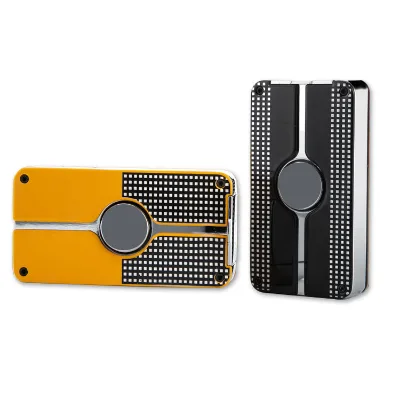


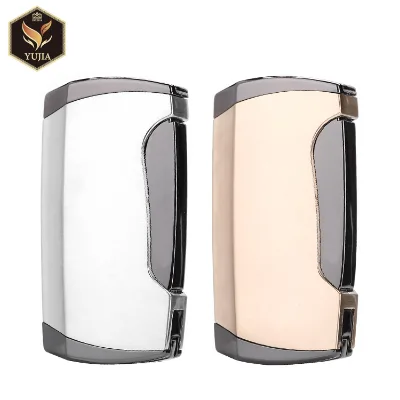


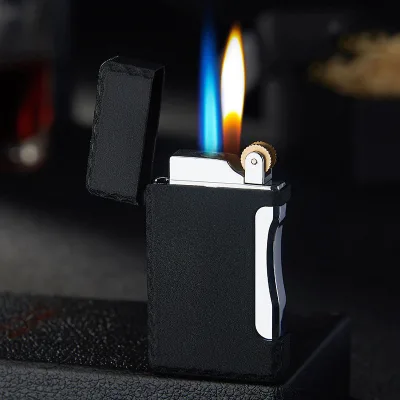
Cheap Wholesale Smoking Accessories Cigarette Lighter Jet Flame Torch Gas Lighter
$0.72 - $0.95
MOQ: 200000 Pieces


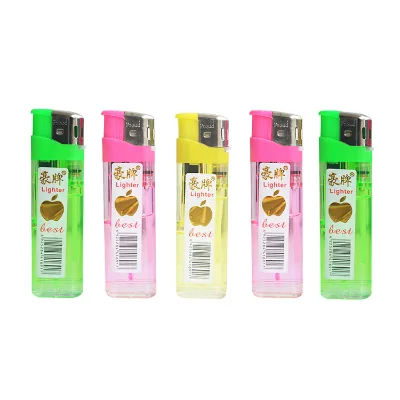
Refillable Electric BBQ Lighter Jet Flamecigarette Lighter Candle Lighter
$0.08 - $0.16
MOQ: 200000 Pieces


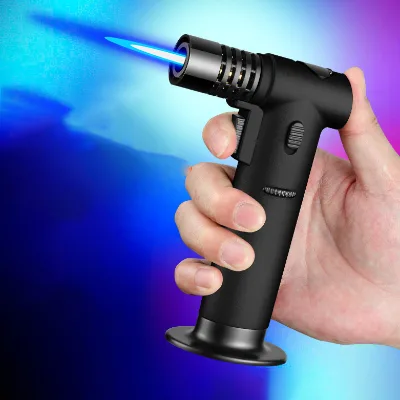
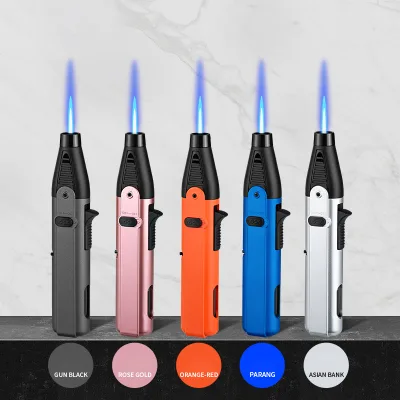




Comprehensive Sourcing Guide
Triple Jet Flame Cigar Lighter Sourcing Guide
Sourcing triple jet flame cigar lighters requires a nuanced understanding of both the mechanical engineering behind multi-jet ignition and the specific regulatory landscape governing pressurized gas devices. These lighters are distinct from standard single-flame models due to their ability to produce a concentrated, wind-resistant heat source, which is critical for evenly lighting premium cigars without compromising their structural integrity or flavor profile. Buyers must navigate a market where product attributes vary significantly between suppliers, ranging from basic zinc alloy constructions to more complex stainless steel hybrids. The core value proposition for these items often lies in their durability, customization potential for corporate gifting, and the reliability of their flame output under various environmental conditions.
This guide provides a structured approach to evaluating suppliers, verifying technical specifications, and managing commercial risks associated with importing these devices. By focusing on observable listing signals and mandatory compliance documentation, procurement teams can mitigate the risks of receiving non-conforming goods. The following sections detail the essential steps for validating product quality, understanding cost structures, and establishing long-term supplier relationships that ensure consistent supply of high-performance ignition tools.
Product Scope and Observed Listing Signals
The current market for triple jet flame cigar lighters exhibits a wide range of product configurations, primarily distinguished by material composition and aesthetic finishes. Observed listings indicate that zinc alloy is a dominant material, often paired with stainless steel components in higher-tier models to enhance durability and heat resistance. Color options are extensive, with black, grey, silver, gold, and orange being frequently cited, alongside custom color choices such as matte black or camouflage patterns. These visual variations are not merely cosmetic; they often correlate with the underlying build quality and the intended market segment, whether it be mass-market retail or premium corporate gifting.
Listing signals also reveal significant variability in packaging and customization capabilities, which are critical for B2B buyers. Many suppliers offer OEM logo services, including laser engraving and printing, with minimum order quantities (MOQs) typically starting at 200 pieces for laser engraving and higher for printing processes. Packaging ranges from simple paper boxes to more elaborate gift boxes, with some suppliers offering DIY logo kits. Buyers should note that carton quantities vary widely, from 100 to 200 pieces per carton, and carton weights can differ substantially based on the product model and packaging density. These logistical details directly impact shipping costs and inventory management strategies.
Technical Specifications to Verify
Verifying the physical dimensions and weight of the product is the first step in ensuring compatibility with your distribution channels and customer expectations. Observed specifications for triple jet lighters show a range of sizes, with individual unit dimensions varying from approximately 58mm in length to over 90mm, and widths typically between 25mm and 40mm. Weight per piece also varies, with some models weighing around 64 grams and others up to 89 grams or more. These differences affect the perceived value and usability of the lighter, so buyers must confirm the exact dimensions and weight for each SKU before placing orders to avoid discrepancies in product descriptions and customer satisfaction.
The flame mechanism and gas compatibility are critical technical factors that must be explicitly confirmed with suppliers. While the term "triple jet" implies a specific flame configuration designed for wind resistance and strong ignition, buyers should verify the actual flame pattern and adjustability features. Additionally, since these are gas-powered devices, it is essential to confirm the type of gas they use (typically butane) and whether they are refillable. Suppliers may list features such as "windproof" or "strong flames," but these are observational claims that require validation through sample testing. Buyers should request detailed technical drawings or videos demonstrating the flame structure to ensure it meets their performance standards.
Compliance and Safety Documentation
Importing pressurized gas devices involves strict adherence to international safety and transportation regulations. Buyers must ensure that suppliers provide all necessary safety data sheets (SDS) and compliance certificates for the butane gas used in the lighters. These documents are crucial for customs clearance and for demonstrating that the product meets the safety standards of the destination country. Without proper documentation, shipments can be delayed or rejected, leading to significant financial losses and supply chain disruptions. It is the buyer's responsibility to verify that the supplier has the authority to provide these documents and that they are up-to-date with current regulatory requirements.
Furthermore, buyers should investigate the supplier's quality control processes related to pressure testing and leak prevention. Since these lighters operate under pressure, any manufacturing defect can pose a safety risk. Buyers should ask for test reports or quality assurance protocols that verify the integrity of the gas chamber and the ignition mechanism. While specific test standards may vary by region, the presence of a robust quality control system is a strong indicator of a reliable supplier. Buyers should also consider third-party inspection services to verify that the production batch matches the approved samples and complies with all safety specifications before shipment.
Cost Drivers and Commercial Terms
The cost of triple jet flame cigar lighters is influenced by several factors, including material costs, customization requirements, and order volume. Zinc alloy and stainless steel are more expensive than plastic alternatives, contributing to a higher base price. Customization, such as laser engraving or custom packaging, adds to the cost but can enhance brand value and justify a higher retail price. Buyers should negotiate pricing based on tiered order volumes, as larger orders often result in lower per-unit costs. However, it is important to balance cost savings with quality assurance, as extremely low prices may indicate compromised materials or manufacturing standards.
Commercial terms, including payment methods, lead times, and shipping arrangements, also play a significant role in the total cost of ownership. Buyers should clarify the MOQ for customized orders, as these are often higher than for standard products. Lead times can vary depending on the complexity of the customization and the supplier's production capacity. It is advisable to establish clear agreements on payment terms, such as using secure methods like letters of credit or escrow services for large orders. Additionally, buyers should consider the total landed cost, including shipping, insurance, and duties, when evaluating supplier quotes to ensure accurate budgeting and profitability analysis.
Supplier Qualification and Quality Control
Selecting a reliable supplier requires a thorough evaluation of their manufacturing capabilities, quality control systems, and track record. Buyers should verify the supplier's business license, production capacity, and experience in manufacturing gas lighters. Requesting references from existing clients, particularly those in similar markets, can provide valuable insights into the supplier's reliability and product quality. It is also important to assess the supplier's ability to handle customization requests, as this indicates their flexibility and commitment to meeting specific buyer requirements.
Quality control should be integrated into the procurement process from the outset. Buyers should implement a rigorous inspection protocol, including pre-production samples, in-process inspections, and final random inspections before shipment. These inspections should verify that the products meet the agreed-upon specifications for dimensions, weight, material, and functionality. Establishing a clear communication channel with the supplier for addressing quality issues is also essential. Buyers should define acceptable quality limits (AQL) and consequences for non-conforming products to ensure accountability and maintain high standards throughout the supply chain.
Long-Term Procurement Checks
Building a sustainable supply chain for triple jet flame cigar lighters involves ongoing monitoring and relationship management. Buyers should regularly review supplier performance metrics, such as on-time delivery rates, product quality consistency, and responsiveness to issues. Establishing a long-term partnership with a reliable supplier can lead to better pricing, priority production scheduling, and improved collaboration on product development. Regular communication and feedback loops help identify potential problems early and foster a cooperative environment that benefits both parties.
Additionally, buyers should stay informed about changes in regulations, market trends, and technological advancements in the lighter industry. This proactive approach allows for timely adjustments to procurement strategies and product offerings. Conducting periodic audits of the supplier's facilities and quality control processes ensures continued compliance with safety and quality standards. By maintaining a strategic focus on supplier qualification and quality control, buyers can mitigate risks and secure a steady supply of high-quality triple jet flame cigar lighters that meet their customers' expectations.
FAQs
What materials are used for the Triple Jet Flame Cigar Lighter?
The product is constructed from Zinc Alloy, with some variants combining Zinc Alloy and Stainless Steel. This material choice ensures durability and a premium feel suitable for torch and BBQ applications.
Can I customize the logo on the Triple Jet Flame Cigar Lighter?
Yes, customization is available with options for laser engraving or printing. Minimum order quantities for these custom services typically start at 200 pieces for laser printing and 500 to 600 pieces for other print methods.
Which colors are available for the Triple Jet Flame Cigar Lighter?
Available colors include Black, Grey, Gold, Silver, Orange, White, Yellow, Green, Matt Black, and Camouflage. Buyers can also request custom color choices depending on the specific supplier and order volume.
How is the Triple Jet Flame Cigar Lighter packaged for shipment?
Products are packed in paper boxes, gift boxes, or DIY logo packaging. Standard carton quantities vary, with options like 100, 144, or 200 pieces per carton, and custom packing capacities up to 2000 pieces.
What are the standard dimensions of the Triple Jet Flame Cigar Lighter?
Dimensions vary by model, with common sizes including 73x35x20mm, 84x30x23mm, and 58.4x40x13mm. Some larger models measure 87x26x25mm or 90x30x25mm, while others are specified in inches.
What is the minimum order quantity for the Triple Jet Flame Cigar Lighter?
The minimum order quantity ranges from 1 piece to 2,000,000 pieces depending on the supplier. Customization services often require a higher MOQ, such as 200 pieces for laser engraving or 500 pieces for printing.
Where are the Triple Jet Flame Cigar Lighter products manufactured?
These products originate from China. The manufacturing location supports various customization options and packaging styles, including paper boxes and gift boxes, to meet international business and gift market demands.