Source Tripod Light for photography, video, and live streaming
Compare 30 Tripod Light options including flexible and professional models for digital cameras and video production. Buyers can review specifications like diameter, material, and warranty to find suitable metal processing parts and camera accessories.
Key considerations
Products List


$15.00 - $50.00
MOQ: 50 Pieces


Conssin Waterproof Heavy Duty Portable Mobile LED Work Light Tripod Stand
$600.00 - $1200.00
MOQ: 10 Pieces

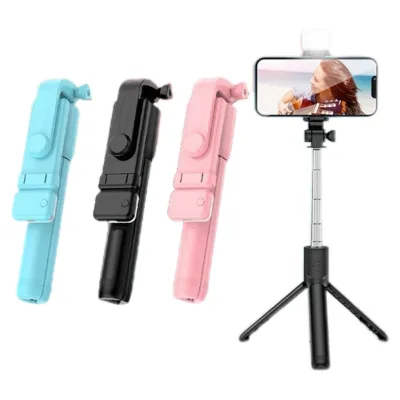


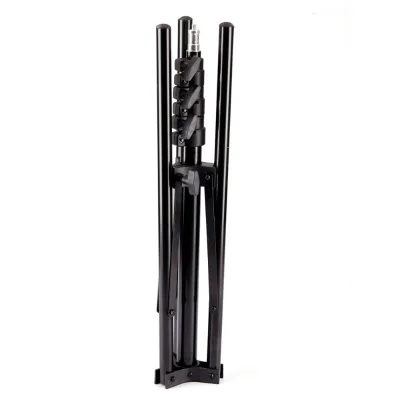
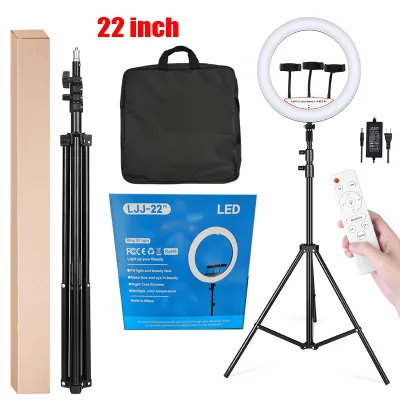
Comprehensive Sourcing Guide
Strategic Sourcing Guide for Tripod Lighting Systems
The global market for tripod-mounted lighting solutions has evolved significantly, driven by the dual demands of professional photography and industrial metal processing applications. For procurement professionals, the term "Tripod Light" often encompasses a broader spectrum of equipment than consumer-grade photography accessories. It includes specialized illumination systems integrated with camera tripods, flexible lighting rigs for video production, and precision lighting fixtures designed for industrial inspection of metal processing machinery parts. This guide synthesizes available market data to provide a disciplined framework for sourcing these critical assets, ensuring that buyers can navigate the complexities of specifications, compliance, and supplier capabilities without relying on unverified claims.
Technical Specifications and Functional Requirements
When evaluating tripod lighting systems, the primary focus must be on the integration of the light source with the support structure. The market data indicates a diverse range of specifications, from standard camera tripods to specialized industrial fixtures. A critical technical parameter is the diameter of the central hole, which determines compatibility with various mounting heads. Observed ranges for this specification extend from 30mm to 38mm, a dimension that must be strictly verified against the buyer's existing camera or sensor equipment. Mismatches in this area can lead to significant installation failures or the need for costly adapters.
Furthermore, the structural integrity of the tripod itself is paramount. The data highlights specific models such as the "SAB203-SC" and "CAMBOFOTO SAB233-#5877," which suggest a market segment focused on professional-grade stability. Buyers should distinguish between "Flexible Tripods" and "Professional Tripods," as the former offers adaptability for uneven surfaces while the latter prioritizes rigid stability for long-exposure photography or industrial imaging. The maximum extended height is another vital metric; observed standards list heights of 170cm and 230cm. Procurement teams must align these dimensions with the physical constraints of their workspace and the required field of view for the application.
In the context of industrial applications, the precision of the mounting system is non-negotiable. For metal processing machinery parts, the tolerance of the machining components is observed at 0.01mm. While this tolerance applies to the parts themselves, the lighting system used to inspect these parts must provide consistent, shadow-free illumination to ensure that such minute details are visible. The spectral range of the light source is also a consideration, with some systems noted as compatible with B/W (Black and White) cameras, which often require specific color temperatures to maximize contrast in monochrome imaging.
Compliance and Certification Verification
Navigating the regulatory landscape is essential for any B2B procurement operation. The supply chain for tripod lighting systems is subject to various international standards and certifications. Based on available product attributes, high-confidence facts indicate that compliant products often carry the ISOGS, RoHS, and CE certifications. These certifications are not merely marketing labels; they represent adherence to specific environmental and safety protocols. RoHS compliance ensures that the electronic components within the lighting system are free from hazardous substances, which is a mandatory requirement for selling into the European Union and many other markets. CE marking confirms that the product meets EU safety, health, and environmental protection requirements.
In addition to product-level certifications, the manufacturing standards of the supplier are equally important. The data references a robust set of international standards including BS, ANSI, JIS, GB, GOST, ASTM, and DIN. These standards cover everything from material strength to electrical safety. For instance, a supplier claiming adherence to ISO9001 demonstrates a commitment to quality management systems, which is a strong indicator of consistent production quality. Buyers should request proof of these certifications rather than accepting them as stated facts. The presence of the "Europe Standard Packing" attribute suggests that the supplier is aware of international shipping requirements, but this should be verified against the specific packaging needs of the buyer's logistics team.
Cost Drivers and Pricing Dynamics
Understanding the cost structure of tripod lighting systems requires an analysis of the observed market data. The price range for these products is extensive, spanning from $0.99 to $1,690 USD. This wide disparity indicates that the market is segmented into low-cost, high-volume consumer goods and high-end, specialized industrial equipment. The lower end of the spectrum likely includes basic lighting attachments or generic tripods, while the upper end encompasses professional systems with advanced features like 4X optical zoom, CMOS image sensors, and WiFi connectivity.
Several factors drive these costs. Material composition is a primary driver; the data specifies Aluminum as a common material, which offers a favorable strength-to-weight ratio. However, the use of specialized steel alloys for machining parts, with tolerances of 0.01mm, will significantly increase the unit cost. Customization is another major cost variable. The availability of "Customized" options allows buyers to tailor products to specific needs, but this inevitably adds to the price. Furthermore, the complexity of the production method, such as "Esp" (likely referring to a specific casting or extrusion process), influences the final cost.
The Minimum Order Quantity (MOQ) also plays a crucial role in the total cost of ownership. The observed MOQ range is 1 to 2000 units. For small businesses or those testing a new product line, an MOQ of 1 is highly advantageous, allowing for low-risk procurement. Conversely, large-scale industrial buyers can leverage higher volume orders to negotiate better unit prices, provided the supplier can handle the production capacity. The "Small Orders: Accepted" attribute suggests that many suppliers are flexible, but buyers should confirm if there are hidden fees associated with low-volume transactions.
Typical Applications and Use Cases
The versatility of tripod lighting systems is evident in the diverse applications identified in the market data. One primary use case is in the realm of photography and videography. The data lists "Tripods Use" for both "Digital Camera" and "Video Camera," indicating that these systems are essential tools for content creators. Features such as "Camera Filters Type: UV Filter" and "Lens Focus Type: Normal Lens" suggest that these systems are designed to enhance image quality by reducing glare and ensuring sharp focus. The "Camera Lens Hood Type: Cylindrical" further supports the need for precise light control in various shooting environments.
Beyond consumer photography, the data points to a significant industrial application: "Metal Processing Machinery Parts." In this context, tripod-mounted lighting is used for quality control and inspection. The ability to capture high-resolution images with specific spectral ranges is critical for detecting defects in metal components. The "Vertical Lines: 1" attribute may refer to the alignment of the lighting or the camera sensor, ensuring that the inspection process is consistent and repeatable. Additionally, the "Product Positioning: Home" attribute suggests that some systems are designed for domestic use, perhaps for hobbyist machining or home studio setups.
The integration of technology is also a key application driver. Systems with "WiFi: Support WiFi" and "Maximum Pixels: 3-5 Million" allow for real-time data transmission and high-definition imaging. This is particularly valuable in industrial settings where remote monitoring and automated inspection are becoming standard. The "Camera Filters Caliber: ≤49mm" specification ensures compatibility with a wide range of lenses, making these systems adaptable to different inspection setups.
Supplier Evaluation and Selection Criteria
Selecting the right supplier is a critical step in the procurement process. The data indicates that suppliers are located in "Qingdao" and generally originate from "China." While this provides a geographic baseline, buyers must look beyond location to evaluate the supplier's capabilities. The "Brand Name: Cambofoto" is mentioned, but buyers should not limit their search to a single brand. Instead, they should evaluate suppliers based on their ability to meet the specific technical and compliance requirements outlined in this guide.
Key evaluation criteria include the supplier's adherence to standards like ISO9001 and their ability to provide products with ISOGS, RoHS, and CE certifications. The "After-sales Service: 1 Year Warranty" is a strong indicator of supplier confidence in their product quality. Buyers should verify the terms of this warranty, including what is covered and the process for claims. Additionally, the "Customization: Available" attribute suggests that suppliers are willing to work with buyers to meet specific needs. However, buyers should assess the supplier's flexibility and the lead times associated with custom orders.
The "Production Method: Esp" and the use of specific materials like Aluminum and Steel Alloy Machining Parts indicate that the supplier has specialized manufacturing capabilities. Buyers should request samples or detailed product specifications to verify that the production methods align with their quality standards. The "Product Positioning: Home" and "Tripods Type: Professional Tripod" distinctions help buyers identify suppliers that specialize in their specific market segment.
Quality Control and Long-Term Procurement Considerations
Ensuring long-term value from tripod lighting systems requires a robust quality control strategy. The "Accuracy: 1mm" specification highlights the need for precise manufacturing. Buyers should implement a quality control plan that includes incoming inspection of critical dimensions, such as the diameter of the central hole and the overall height of the tripod. The "Tolerance: 0.01mm" for steel alloy parts suggests that even minor deviations can impact performance, so strict adherence to these tolerances is necessary.
Packaging is another aspect of quality control. The data lists various packing methods, including "Europe Standard Packing," "Carton," and "20PS Per Box." Buyers should ensure that the packaging is sufficient to protect the equipment during transit, especially for international shipments. The "Box" and "Carton" options suggest that suppliers offer different levels of protection, and buyers should select the option that best suits their logistics needs.
Long-term procurement considerations also include the availability of spare parts and the scalability of the supply chain. The "Model Number" variations, such as "TSS01," "GSR23," and "Y-475," indicate a diverse product portfolio. Buyers should ensure that the supplier can support their product line over time, providing consistent quality and availability. The "Small Orders: Accepted" attribute is beneficial for maintaining a flexible supply chain, allowing buyers to adjust their inventory levels based on demand without being locked into large, infrequent orders.
Comparative Analysis of Product Attributes
To facilitate decision-making, the following table summarizes key product attributes observed in the market data. This comparison helps buyers quickly identify the features that align with their specific requirements.
| Attribute Category | Specific Observation | Relevance to Procurement |
|---|---|---|
| Certification | ISOGS, RoHS, CE | Essential for regulatory compliance and market access. |
| Material | Aluminum, Steel Alloy | Determines durability, weight, and cost. |
| Tolerance | 0.01mm (Steel Alloy) | Critical for precision industrial applications. |
| Dimensions | Central Hole: 30-38mm; Height: 170-230cm | Must match existing camera and workspace constraints. |
| Customization | Available | Allows for tailored solutions but may increase cost. |
| Warranty | 1 Year | Indicates supplier confidence and after-sales support. |
| Origin | Qingdao, China | Influences shipping costs and lead times. |
| Packing | Europe Standard, Carton, Box | Affects protection during transit and handling. |
| Technology | WiFi Support, CMOS Sensor, 4X Zoom | Enhances functionality for digital and industrial use. |
Conclusion
Sourcing tripod lighting systems requires a meticulous approach that balances technical specifications, compliance requirements, and cost considerations. The market offers a wide range of options, from basic consumer tripods to advanced industrial inspection systems. By focusing on verified attributes such as certifications, material tolerances, and customization capabilities, buyers can make informed decisions that align with their operational needs. The extensive price range and MOQ flexibility provide opportunities for buyers of all sizes to find suitable solutions. However, the complexity of the market necessitates a thorough evaluation of suppliers, ensuring that they can deliver products that meet the rigorous standards of modern procurement. Ultimately, a disciplined sourcing strategy will enable buyers to secure high-quality tripod lighting systems that enhance productivity and ensure long-term value.
FAQs
What certifications do Tripod Light products typically hold?
Products typically hold ISOGS, RoHS, and CE certifications. These ensure compliance with environmental and safety protocols required for international markets like the European Union.
Which standards govern the manufacturing of these parts?
Manufacturing follows international standards including BS, ANSI, JIS, GB, GOST, ASTM, and DIN. Suppliers often adhere to ISO9001 for quality management systems.
Can I order small quantities of Tripod Light systems?
Yes, small orders are accepted with a minimum order quantity ranging from 1 to 2000 units. This flexibility supports testing new product lines without large inventory risks.
What is the accuracy tolerance for steel alloy machining parts?
The tolerance for steel alloy machining parts is 0.01mm. This precision is critical for industrial applications involving metal processing machinery parts and quality inspection.
How are Tripod Light products packaged for shipping?
Packaging options include Europe Standard Packing, Cartons, and 20PS Per Box. These methods ensure protection during transit and align with international logistics requirements.
Which materials are commonly used for Tripod Light structures?
Aluminum is a common material due to its strength-to-weight ratio. Some components also utilize steel alloys for high-precision machining requirements.
What after-sales service is provided for these products?
A 1-year warranty is typically provided for after-sales service. Buyers should verify specific terms regarding coverage and claims processes before purchasing.