Source Tummy Control Pantyhose for Gym, Office, and Daily Wear
Explore 30 verified listings for Tummy Control Pantyhose from Zhejiang suppliers. Compare models like DH9865 and DH9002, check materials such as Spandex and Nylon blends, and review MOQs ranging from 1 to 5000 pairs for bulk procurement; compare the available evidence and request quotations based on your requirements.
Key considerations
Products List


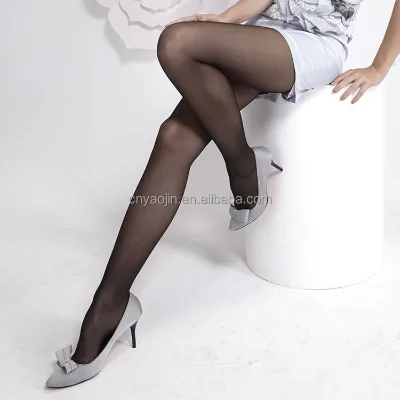
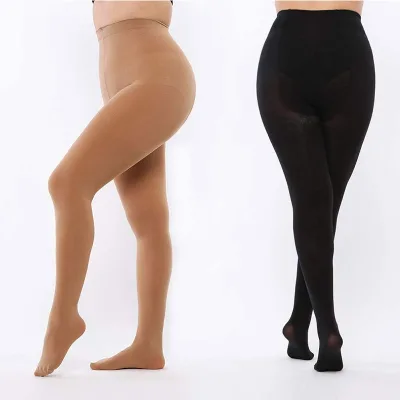
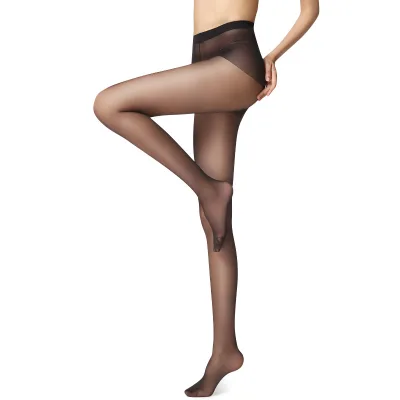
Tights Thin Pantyhose,Compression Pantyhose Women,Custom Made Pantyhose
$2.04 - $3.05
MOQ: 500 Minimum

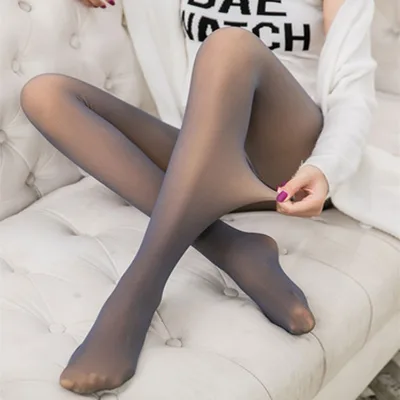
Hot Selling Breathable OEM Spandex Cheap Sexy Pantyhose,Women Sexy Pantyhose
$1.02 - $2.04
MOQ: 500 Minimum
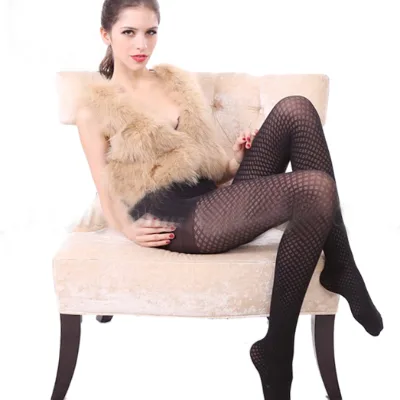
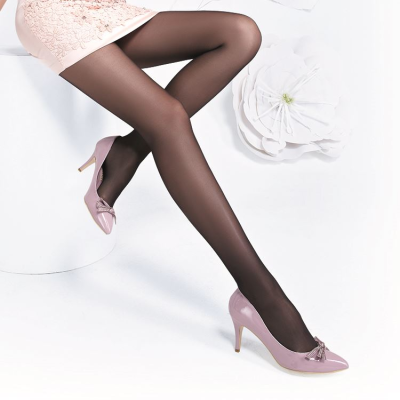
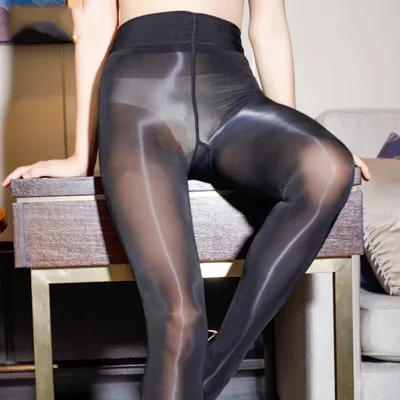
Transparent Glossy Tights Pantyhose,Nylon Lady Pantyhose,Shiny Pantyhose Tights
$2.04 - $3.07
MOQ: 500 Minimum







Comprehensive Sourcing Guide
Tummy Control Pantyhose Sourcing Guide
Sourcing Tummy Control Pantyhose requires a nuanced understanding of material composition and structural design, as these garments rely heavily on specific fabric blends to deliver the desired compression and comfort. Buyers must prioritize suppliers who can demonstrate consistent quality in elasticity and recovery, ensuring that the tummy control feature remains effective after multiple washes. The observed market data indicates a wide range of product models, such as DH9865, DH9002, and DH1425, each potentially utilizing different ratios of nylon, polyester, and spandex to achieve varying levels of opacity and stretch. Understanding these material distinctions is critical for selecting the right product for your target demographic, whether they prefer sheer, breathable options or opaque, high-compression styles.
Commercial terms and supply chain logistics also play a pivotal role in the procurement process, with many suppliers offering OEM services and customized branding options. The presence of suppliers from regions like Yiwu and Zhejiang suggests a robust manufacturing ecosystem capable of handling large volumes, with some entities reporting supply abilities of up to thirty million pairs per month. However, buyers should carefully evaluate minimum order quantities, which can range from as low as one pair to five thousand, to align with their inventory strategies. Additionally, packaging flexibility, including custom requests and standard OPP bag or carton configurations, allows for tailored logistics solutions that can reduce damage rates and improve shelf presentation in retail environments.
Product Scope and Observed Listing Signals
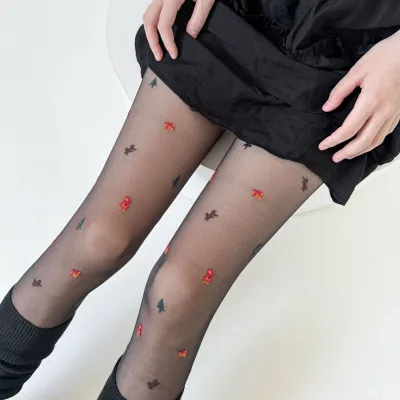
The current market landscape for Tummy Control Pantyhose features a diverse array of styles, including classic tights, pantyhose, and specialized designs like fishnet or shiny finishes. Listings frequently highlight attributes such as anti-bacterial properties, breathability, and snagging resistance, which are key selling points for consumers seeking durability and comfort. The observed price range of 0.49 to 20 USD reflects significant variation based on material quality, brand positioning, and order volume, indicating that buyers should not rely solely on unit price when evaluating value. Instead, focus on the total cost of ownership, including packaging, shipping, and potential returns due to quality issues, to make informed sourcing decisions.
Product origins are predominantly listed as China, with specific mentions of Yiwu and Zhejiang provinces, which are known for their textile manufacturing capabilities. Many suppliers offer customized branding and logo acceptance, catering to businesses looking to establish their own private label lines. The availability of standard specifications alongside customized options allows buyers to choose between off-the-shelf products for quick market entry or bespoke designs for unique brand differentiation. It is essential to verify that the listed attributes, such as color options like black and white, and size ranges from XXS to 4XL, accurately reflect the supplier’s actual production capabilities to avoid discrepancies in bulk orders.
Technical Specifications to Verify
Material composition is the most critical technical specification for Tummy Control Pantyhose, as it directly impacts compression, durability, and wearer comfort. Buyers should verify the exact percentages of nylon, polyester, and spandex in each product model, as these ratios determine the garment’s elasticity and recovery rate. For instance, some listings specify blends like 85% nylon and 15% spandex, while others may include polyester for added opacity or strength. It is advisable to request physical samples to test the fabric’s stretch and recovery, ensuring that the tummy control feature does not lose effectiveness over time. Additionally, confirm the thickness and denier count, as these factors influence the garment’s warmth and suitability for different seasons.
Construction techniques and finishing details are equally important for ensuring product quality and longevity. Knitted techniques are commonly used, but buyers should inquire about the specific knitting methods employed, such as seamless construction or reinforced toe and gusset areas, to enhance comfort and durability. Features like anti-snagging resistance and breathability should be validated through independent testing or supplier-provided test reports, rather than relying solely on marketing claims. Furthermore, verify the accuracy of size charts, as inconsistencies in sizing can lead to high return rates. Ensuring that the supplier adheres to standard specifications or offers customized sizing options can help mitigate these risks and improve customer satisfaction.
Compliance and Safety Documentation
Regulatory compliance is a non-negotiable aspect of sourcing Tummy Control Pantyhose, particularly when targeting markets with strict textile safety standards. Buyers must ensure that suppliers provide relevant certifications, such as ISO 9001 for quality management systems, which indicates a commitment to consistent production processes. While some listings mention OEKO-TEX standards, buyers should verify the specific certification level and scope, as this standard ensures that the textiles are free from harmful substances. Requesting copies of these certifications and checking their validity with the issuing bodies is essential to avoid compliance risks and potential legal issues in the destination market.
In addition to product-specific certifications, buyers should assess the supplier’s overall compliance with labor and environmental regulations. This includes verifying that the manufacturing facilities adhere to fair labor practices and have appropriate environmental management systems in place. Although specific details may not always be publicly available, buyers can request audits or third-party verification reports to gain confidence in the supplier’s ethical standards. Ensuring compliance with these broader regulatory requirements not only mitigates reputational risks but also aligns with the growing consumer demand for ethically sourced and sustainably produced apparel.
Cost Drivers and Commercial Terms
Several factors influence the final cost of Tummy Control Pantyhose, including material prices, production complexity, and order volume. Buyers should analyze the cost breakdown to understand how changes in material composition or design features impact the unit price. For example, higher spandex content or specialized knitting techniques may increase production costs but offer better product performance. Negotiating volume discounts and flexible payment terms, such as T/T or L/C, can help manage cash flow and reduce financial risks. It is also important to consider the cost of customization, including logo printing and packaging design, which may add to the overall expense but enhance brand value.
Shipping and logistics costs are another significant component of the total procurement cost, with ports like Shanghai and Ningbo being common dispatch points. Buyers should compare shipping options and negotiate freight rates to optimize logistics expenses. Additionally, consider the lead times associated with different order sizes and customization levels, as longer lead times may require higher inventory buffers and increased working capital. By carefully managing these commercial terms, buyers can achieve a balance between cost efficiency and supply chain reliability, ensuring timely delivery and customer satisfaction.
Supplier Qualification and Quality Control
Evaluating supplier qualifications is crucial for ensuring consistent product quality and reliable supply. Buyers should assess the supplier’s production capacity, technical expertise, and quality control processes before placing large orders. Requesting references or case studies from existing clients can provide insights into the supplier’s reliability and performance. Additionally, verify the supplier’s ability to handle OEM and ODM requests, as this indicates flexibility and customization capabilities. Conducting factory audits, either in person or through third-party agencies, can help identify potential risks and ensure that the supplier meets your quality and ethical standards.
Implementing a robust quality control process is essential for maintaining product consistency and minimizing defects. Buyers should establish clear quality standards and inspection criteria, including checks for material composition, stitching quality, and sizing accuracy. Conducting pre-shipment inspections and random sampling can help identify and address issues before products reach the market. Additionally, consider implementing a feedback loop with end-users to continuously improve product quality and address any recurring issues. By prioritizing supplier qualification and rigorous quality control, buyers can build a resilient supply chain that delivers high-quality Tummy Control Pantyhose to their customers.
Long-Term Procurement Checks
Building long-term relationships with suppliers requires ongoing monitoring and evaluation to ensure sustained performance and alignment with business goals. Buyers should regularly review supplier performance metrics, such as on-time delivery rates, product quality, and responsiveness to issues. Establishing key performance indicators (KPIs) and conducting periodic performance reviews can help identify areas for improvement and foster continuous collaboration. Additionally, stay informed about market trends and technological advancements in textile manufacturing to leverage new opportunities for product innovation and cost optimization.
Adapting to changing market conditions and consumer preferences is essential for long-term success in the Tummy Control Pantyhose market. Buyers should regularly assess their product portfolio and adjust sourcing strategies to meet evolving demand. This may involve exploring new material options, design styles, or sustainability initiatives to differentiate their offerings. Furthermore, maintaining open communication with suppliers and sharing market insights can facilitate joint problem-solving and innovation. By proactively managing supplier relationships and staying agile in response to market changes, buyers can secure a competitive advantage and drive sustainable growth in their procurement operations.
FAQs
What materials are used for Tummy Control Pantyhose?
These pantyhose typically use blends like 90% polyester with 10% spandex or 85% nylon with 15% spandex. Some models also feature 83% nylon, 12% spandex, and 5% polyester to ensure durability and stretch. The fabric is knitted to provide a comfortable fit while maintaining the necessary compression for tummy control.
Can I request custom packaging for my order?
Yes, packaging can follow customer requests or use standard methods like OPP bags and cartons. Suppliers offer options such as 1200 pieces per compressed package or 240 pieces per carton depending on the specific product. This flexibility allows buyers to tailor the packaging to their branding or logistical needs effectively.
Which certifications do the manufacturers hold?
Manufacturers often hold ISO9001 certification to ensure quality management standards are met. This certification indicates that the production processes adhere to international quality benchmarks. Buyers can verify this standard when sourcing from suppliers who prioritize consistent quality control in their manufacturing facilities.
What is the minimum order quantity for these tights?
The minimum order quantity is typically 500 pairs for standard orders. However, some suppliers may accept orders starting from 1 pair up to 5000 pairs depending on the specific product model. Buyers should confirm the exact MOQ with the supplier before finalizing their purchase agreement.
How fast can suppliers deliver the pantyhose orders?
Suppliers have a supply ability of up to 30 million pairs per month or 1.8 million pieces daily. Delivery ports are usually Shanghai or Ningbo, with lead times varying based on order volume and customization. Buyers should discuss specific timelines with the manufacturer to ensure timely delivery.
Are these pantyhose available in different sizes?
Yes, sizes range from XXS to 4XL to accommodate various body types. The product is designed for adults and comes in standard specifications or customized options. This wide size range ensures that buyers can find the perfect fit for their target demographic without needing special alterations.
What features do these tights offer for comfort?
Features include being breathable, anti-bacterial, and opaque or transparent depending on the style. Some models offer snagging resistance and fishnet patterns for specific fashion needs. These attributes ensure the pantyhose remain comfortable during extended wear while providing the desired aesthetic and functional benefits.