Source Tufted Black Fabric Chaise Lounge for Hotel, Resort, Garden
Find and compare 30 listings for a Tufted Black Fabric Chaise Lounge suitable for hotel, resort, and garden settings. Buyers can review specifications including frame materials, customization options, and packing details from verified suppliers in China.
Key considerations
Products List


Curved Tufted Chaise Lounge with Silver Legs, High-End Interior Furniture
$876.00 - $1189.00
MOQ: 1 Pieces

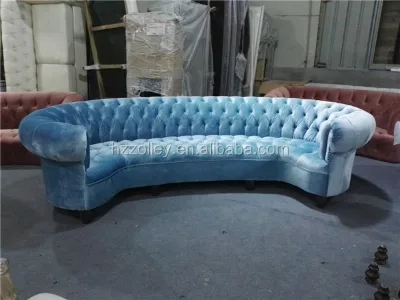
Antique Fabric Chaise Lounge Sofa Chaise Lounge Sectional Sofa Chaise Long Sofa
$420.00 - $630.00
MOQ: 1 Minimum


Fabric Single Chaise Lounge Indoor Comfort Upholstered Leisure Chaise Lounge
$63.00 - $68.00
MOQ: 20 Pieces

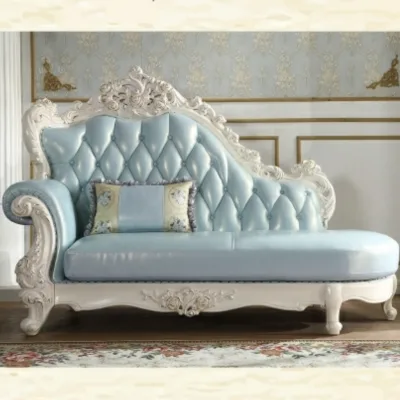


Outdoor Aluminum Frame Fabric Lounge Chaise Waterproof Textilene Fabric Sun Lounger
$88.00 - $108.88
MOQ: 10 Pieces

Comfortable Outdoor Bed Microfibre Antique Nordic Design Chaise Lounge
$190.00 - $350.00
MOQ: 1 Pieces

Leisure Outdoor Rattan Sun Bed Rattan Wicker Chaise Lounge Black Outdoor Sun Loungers
$190.00 - $250.00
MOQ: 1 Pieces

Customized Fabric Hanse Carton Standard Packing Foshan Modern Garden Furniture
$100.00 - $450.00
MOQ: 1 Pieces


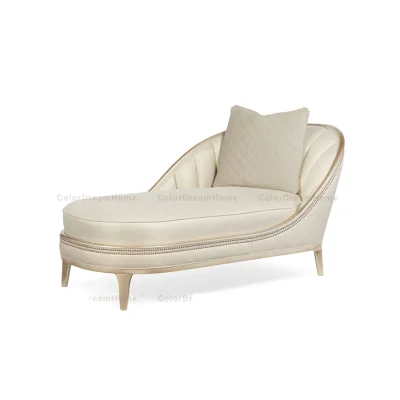
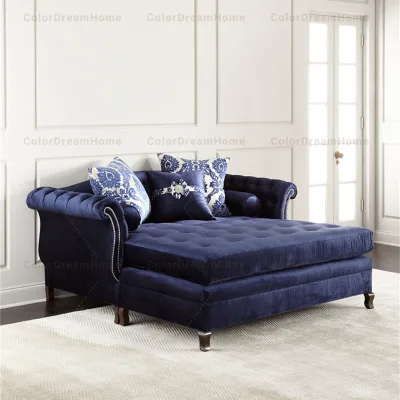

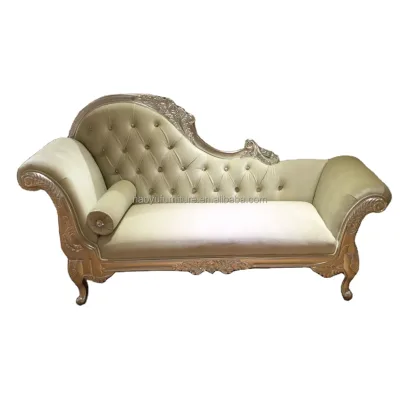

Hot Sale Modern Design Hotel Lobby Couches Color Fabric Chaise Lounge Sofa
$94.00 - $124.00
MOQ: 2 Pieces


Comprehensive Sourcing Guide
Strategic Sourcing Guide for Tufted Black Fabric Chaise Lounges
The global market for outdoor and indoor luxury seating has seen a surge in demand for pieces that blend aesthetic sophistication with functional durability. For procurement professionals seeking a Tufted Black Fabric Chaise Lounge, the sourcing landscape requires a nuanced understanding of material science, manufacturing capabilities, and supply chain logistics. This guide synthesizes available product attributes and industry standards to provide a disciplined framework for evaluating potential suppliers. The focus remains on verifying factual product characteristics rather than relying on unverified marketing claims, ensuring that procurement decisions are grounded in observable data and established trade practices.
Material Composition and Structural Integrity
The foundation of any high-quality chaise lounge lies in its material composition. When sourcing a tufted black fabric model, buyers must distinguish between the frame material and the upholstery fabric, as these components dictate the product's longevity and suitability for specific environments. Available market data indicates a diverse range of frame materials, including solid wood, teak wood, aluminum, and rattan. For a piece described as "solid wood," the specific species such as solid oak or birch wood is a critical verification point, as these woods offer distinct grain patterns and resistance to warping compared to composite alternatives.
The upholstery material is equally significant. The core keyword specifies "black fabric," yet the market offers variations ranging from linen and velvet to generic fabric blends. A key attribute observed in high-end offerings is the use of high-density foam for cushioning, which ensures the tufted design retains its shape over time. Buyers should verify if the fabric is treated for specific conditions. For instance, outdoor applications require fabrics that are explicitly labeled as waterproof and flame retardant. If the chaise lounge is intended for a hotel or resort setting, the fabric must meet rigorous durability standards while maintaining the aesthetic appeal of the tufted finish. The frame construction, whether it utilizes teak wood combined with fabric or aluminum for a lighter profile, must be cross-referenced with the intended usage environment to prevent premature degradation.
Technical Specifications and Design Attributes
Technical specifications provide the measurable criteria necessary to validate a supplier's product against a buyer's requirements. The design of a tufted chaise lounge is often defined by its style, shape, and functional features. Market observations highlight styles ranging from modern to classic European, French, and Chesterfield designs. The "Chesterfield" style, in particular, is synonymous with deep button tufting, a feature that requires precise craftsmanship to execute without compromising the structural integrity of the frame.
Dimensions are a critical technical parameter. Standard specifications for such furniture often align with dimensions around 2007032 cm, though customizations are frequently available. Buyers must confirm whether the product is a single unit or part of a set, as the market includes both single-item selling units and larger sets labeled as "Double" or "Set." The presence or absence of armrests is another variable; some models are designed with armrests for added comfort, while others feature a sleek, armless profile. Additionally, the folding mechanism is a vital specification. While some chaise lounges are designed to be unfolded for permanent placement, others may offer a folded state for storage or transport, a feature that impacts logistics planning. The color consistency, specifically the "black" hue, must be verified against the supplier's standard color palette, noting that some manufacturers offer optional wood and fabric colors to match specific interior or exterior design schemes.
Compliance, Safety, and Certification Verification
In the B2B procurement of furniture, compliance with safety and environmental standards is non-negotiable. While specific certification names may vary by region, buyers must insist on verification of flame retardancy, especially for products destined for commercial spaces like hotels, resorts, and public gardens. The attribute "Flame Retardant" is a common specification in the market, but it must be supported by test results or compliance documentation from the manufacturer.
Water resistance is another critical compliance factor for outdoor furniture. Products intended for beach, patio, or garden use must demonstrate waterproof capabilities to withstand exposure to rain and humidity. The "Waterproof: Yes" attribute observed in current listings serves as a baseline indicator, but procurement teams should request detailed material data sheets to confirm the specific treatment applied to the fabric and frame. Furthermore, for furniture originating from China, buyers should verify the "Place of Origin" and ensure that the manufacturing facility adheres to international quality management standards. The "Warranty" period, often cited as one year in the market, provides a benchmark for expected product lifespan, but buyers should negotiate terms that reflect the actual usage intensity of the intended application.
Cost Drivers and Pricing Dynamics
Understanding the cost drivers behind a Tufted Black Fabric Chaise Lounge is essential for budgeting and negotiation. The price range in the market is broad, observed between 10 and 1189 USD, reflecting significant variations in material quality, brand positioning, and customization levels. Several factors influence where a specific product falls within this range. First, the frame material is a primary cost driver; solid wood and teak wood frames typically command higher prices than aluminum or rattan alternatives due to material scarcity and processing complexity.
Second, the complexity of the tufting process adds to the labor cost. Deep button tufting requires skilled artisans and additional time, which increases the unit price compared to flat-seam upholstery. Third, customization options, such as specific fabric colors, wood finishes, or dimensions, introduce variable costs. The "Customization: Available" and "Customized: Customized" attributes indicate that suppliers can tailor products, but this flexibility often comes with a premium. Finally, the Minimum Order Quantity (MOQ) impacts the per-unit cost. With observed MOQs ranging from 1 to 600 units, buyers purchasing small quantities may face higher unit prices, while bulk orders can leverage economies of scale to reduce costs.
Supplier Evaluation and Supply Chain Capabilities
Evaluating a supplier requires a deep dive into their production capacity, logistics, and operational history. A robust supplier should demonstrate a clear "Supply Ability," such as the capacity to produce 40 twenty-foot containers per month, which indicates a mature manufacturing infrastructure. The "Port of Dispatch," typically NingBo or ShangHai for Chinese manufacturers, is a key logistical factor that influences shipping costs and lead times. Buyers must verify the supplier's ability to meet delivery schedules, as lead times can vary based on order volume and customization requirements.
Packaging is another critical aspect of supplier evaluation. The "Packing Details" observed in the market, such as "Foam+Carton," "EPE&Bubble bag&Woven bag," or "Carton Boxes," directly impact the safety of the product during transit. Effective packaging prevents damage to the delicate tufted fabric and the frame structure. Additionally, the "Loading Quantity" of a shipping container, noted as 107 PCS for certain models, helps buyers calculate the most efficient shipping method to minimize freight costs. Suppliers that offer "Individual" packing for specific items may incur higher packaging costs but provide better protection for high-value units.
Quality Control and Long-Term Procurement Considerations
Implementing a rigorous quality control (QC) protocol is essential to ensure that every unit meets the specified standards. Buyers should establish clear acceptance criteria based on the observed attributes, such as the "Condition: New," "Shape: Square," and "Style: Modern" or "European." QC checks should include visual inspections for fabric defects, frame stability tests, and verification of the tufting depth and consistency. For products intended for commercial use, such as in hotels or resorts, the durability of the "High density foam" and the resistance of the fabric to wear and tear must be validated through sample testing.
Long-term procurement considerations involve building a sustainable relationship with the supplier. The availability of "Customization" services allows buyers to adapt products to changing market trends or specific client requirements. However, buyers must ensure that the supplier maintains consistent quality across different production batches. The "Warranty" period serves as a baseline for after-sales support, but buyers should negotiate extended warranties or service level agreements for large-scale deployments. Furthermore, understanding the "Usage" context—whether for hotel, home, garden, or beach applications—helps in selecting the right product variant and anticipating maintenance needs. By focusing on these long-term factors, buyers can secure a reliable supply chain that delivers value over the lifecycle of the furniture.
Comparative Analysis of Product Attributes
To facilitate decision-making, the following table summarizes key attributes observed in the market for tufted black fabric chaise lounges, highlighting the variations buyers must navigate.
| Attribute Category | Observed Variations | Procurement Verification Point |
|---|---|---|
| Frame Material | Solid Wood, Teak Wood, Aluminum, Rattan, Solid Oak/Birch | Verify species and treatment for intended environment (indoor/outdoor). |
| Fabric Type | Linen, Velvet, Generic Fabric, High-density foam cushioning | Confirm flame retardant and waterproof ratings for commercial use. |
| Style | Modern, Chesterfield, French, Classic, European | Ensure design aligns with target market aesthetic preferences. |
| Configuration | Single, Double, Set, With/Without Armrest | Check dimensions and seating capacity against space constraints. |
| Functionality | Folded/Unfolded, Rotary (Fixed), Inflatable (No) | Validate storage requirements and stability needs. |
| Origin & Logistics | China (Zhejiang), NingBo/ShangHai Ports | Assess lead times and shipping costs based on origin location. |
| Packaging | Foam+Carton, EPE&Bubble, Woven Bag, Individual | Evaluate protection level to minimize transit damage. |
| Customization | Available, Yes, Optional colors | Confirm MOQ impact and lead time for custom orders. |
By systematically analyzing these attributes, procurement professionals can make informed decisions that balance cost, quality, and functionality. The goal is to source a Tufted Black Fabric Chaise Lounge that not only meets immediate aesthetic and functional needs but also stands the test of time in its intended environment.
FAQs
What materials are used for the frame of these lounges?
Frames are constructed from solid wood, teak wood, aluminum, or rattan. Specific options include solid oak or birch wood combined with linen or velvet fabric for durability.
Can I customize the wood and fabric colors?
Yes, customization is available with optional wood and fabric colors. Suppliers offer tailored solutions to match specific interior or exterior design schemes upon request.
Are these lounges suitable for outdoor hotel use?
Yes, they are designed for hotel, resort, garden, and beach usage. The fabric is waterproof and flame retardant to withstand outdoor conditions and commercial safety standards.
What is the typical packaging for shipping these items?
Packaging includes foam with carton, EPE with bubble bags, or woven bags. Individual packing is also available to ensure the product arrives without damage during transit.
How many units can be loaded in a container?
Loading capacity varies by model, with some configurations allowing 107 pieces per container. This figure helps buyers calculate efficient shipping methods to minimize freight costs.
What is the warranty period for these products?
The standard warranty period is one year. This baseline covers expected product lifespan, though terms can be negotiated for large-scale commercial deployments.
Is the product available in a folded state?
Some models are available in a folded state while others are unfolded. This feature impacts storage requirements and logistics planning for buyers with space constraints.