Source Tufted Traditional Sectional Sofa for Home, Office, Hotel
Explore 30 options for a Tufted Traditional Sectional Sofa suitable for home, office, and hotel applications. Compare features like genuine leather or fabric upholstery, solid wood frames, and modern or American styles to find the right fit for your sourcing needs.
Key considerations
Products List


Sectional Living Room Furniture Nordic Modern Tufted Sponge Factory Sofa
$185.00 - $255.00
MOQ: 1 Sets


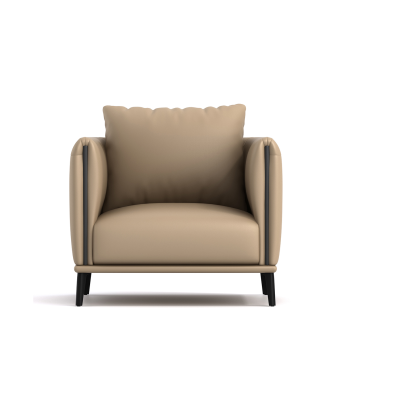

Modern Sectional Sofa Set Three Seat Tufted Fabric Sofa with Modular Design for Living Room
$1680.00 - $1780.00
MOQ: 3 Pieces


Home Tufted Boucle Fabric Sofa Living Room Furniture Modern Black Sofa
$423.00 - $472.00
MOQ: 30 Pieces


Factory Wholesale Hotel Leisure Design Tufted Sectional Sofa Luxury Sofa
$380.00 - $799.00
MOQ: 2 Pieces


Comprehensive Sourcing Guide
Tufted Traditional Sectional Sofa Sourcing Guide
Sourcing a Tufted Traditional Sectional Sofa requires balancing aesthetic heritage with modern manufacturing capabilities. Buyers must recognize that "traditional" often implies specific design elements like button tufting, rolled arms, and solid wood frames, which differ significantly from contemporary minimalist styles. The observed market data indicates a diverse range of models, from the LK6570 with its medium back and genuine leather upholstery to the S825, which features a top-grade wooden frame with down feather padding. Understanding these variations is crucial for aligning product selection with target market preferences, whether for residential living rooms or high-end hospitality settings.
Procurement teams should also note the significant variability in material compositions and structural standards across listings. While some products utilize high-density sponge and solid wood frames, others incorporate down feathers for enhanced comfort, and upholstery options range from fabric to genuine leather. The presence of certifications such as EPA, CARB, and Oeko-Tex suggests that reputable suppliers adhere to strict environmental and safety protocols. Buyers must verify that the specific tufted design they select meets their durability requirements, particularly regarding the frame material and the resilience of the padding under long-term use in high-traffic environments.
Product Scope and Observed Listing Signals
The current market landscape for sectional sofas reveals a wide spectrum of configurations and material choices. Listings show models like the YF415-3 and YF415-2, which offer distinct dimensions and weight profiles, indicating that buyers can source units tailored to specific spatial constraints. The YF415-3, for instance, measures 72.83 inches in length and weighs nearly 100 pounds gross, suggesting a substantial build suitable for spacious interiors. In contrast, the YF415-2 is slightly smaller and lighter, offering flexibility for apartments or smaller offices. These physical specifications highlight the importance of verifying product dimensions and weight limits to ensure logistical feasibility and structural adequacy for the intended application.
Color and customization options are also prominent signals in the current listings, with suppliers offering everything from standard grey and yellow to fully customized colors. The availability of customization extends to upholstery, with options including cloud dot corduroy, fabric, and leather, allowing buyers to match specific interior design themes. Additionally, the presence of armrests varies, with some models featuring them and others offering an armless design, catering to diverse ergonomic preferences. Buyers should leverage these signals to narrow down suppliers who can deliver the exact aesthetic and functional requirements, ensuring that the final product aligns with brand identity and customer expectations.
Technical Specifications to Verify
When evaluating technical specifications, the frame construction is a primary concern for longevity and stability. Many listings specify solid wood or wooden frames combined with high-density sponge, which provides a robust foundation for the sofa. Buyers must verify the grade of the wood and the density of the sponge to ensure resistance to sagging and deformation over time. The S825 model, for example, highlights a top-grade quality with a wooden frame and down feather padding, indicating a premium segment that requires careful inspection of material sourcing and assembly quality. Confirming these details helps prevent future complaints related to structural failure or comfort degradation.
Upholstery and padding materials also require rigorous verification to meet performance and aesthetic standards. The choice between genuine leather, top grain leather, and various fabrics like corduroy impacts both the tactile experience and maintenance requirements. Buyers should request samples to assess the texture, colorfastness, and durability of the chosen material. Additionally, the presence of features like medium backs and specific seat styles, such as American or modern designs, influences the overall comfort and visual appeal. Ensuring that the tufting is securely attached and the stitching is durable is essential for maintaining the traditional aesthetic and preventing premature wear.
Compliance and Safety Documentation
Compliance with safety and environmental standards is non-negotiable for international procurement. The observed listings include certifications such as EPA, TECO, CARB, FSC, REACH, and Oeko-Tex, which indicate adherence to strict regulations regarding formaldehyde emissions, chemical safety, and sustainable forestry practices. Buyers must verify that the supplier can provide valid and up-to-date certification documents for each batch of products. These certifications are particularly important for markets with stringent environmental laws, such as the European Union and North America, where non-compliance can result in customs delays or legal penalties.
Fire retardant standards are another critical aspect of compliance that must be addressed. Some listings mention ISO standards for fire retardancy, while others reference specific regional requirements. Buyers should confirm that the materials used, including the foam, fabric, and filling, meet the fire safety regulations of the destination country. This verification process should include reviewing test reports from accredited laboratories to ensure that the products have been independently tested and certified. Proper documentation not only ensures legal compliance but also enhances brand reputation by demonstrating a commitment to consumer safety and environmental responsibility.
Cost Drivers and Commercial Terms
Several factors influence the final cost of sourcing tufted traditional sectional sofas, with material quality and customization being primary drivers. The use of genuine leather, top grain leather, or high-density sponge with down feather padding typically commands a higher price point compared to standard fabric or synthetic materials. Additionally, the level of customization, such as specific colors, upholstery options, and frame designs, can increase production costs. Buyers should analyze the price range of $109.23 to $4999 observed in the market to understand the value proposition of different suppliers and models, ensuring that the selected product offers the desired quality at a competitive price.
Commercial terms, including minimum order quantities (MOQ) and lead times, also play a significant role in procurement planning. The observed MOQ range of 1-30 units suggests flexibility for both small and large orders, while lead times of 25-30 days indicate a standard production cycle. Buyers must factor in these timelines when planning inventory and delivery schedules to avoid stockouts or excess inventory. Furthermore, packaging methods, such as standard export packages with EPE-bubble bags and cardboard boxes, impact shipping costs and product protection. Understanding these commercial terms helps in negotiating favorable contracts and managing cash flow effectively.
Supplier Qualification and Quality Control
Supplier qualification is a critical step in ensuring the reliability and consistency of the sourced products. Buyers should assess suppliers based on their production capabilities, quality control processes, and track record in the industry. The presence of certifications like FSC and Oeko-Tex suggests that reputable suppliers have established robust systems for material sourcing and environmental management. Buyers should request detailed information about the supplier’s manufacturing facilities, including equipment, workforce expertise, and quality assurance protocols. This due diligence helps in identifying suppliers who can consistently deliver high-quality products that meet specified standards.
Quality control measures should be implemented throughout the production process to minimize defects and ensure product integrity. Buyers should consider implementing pre-shipment inspections to verify that the products meet all agreed-upon specifications, including dimensions, materials, and finish. Additionally, establishing clear communication channels with suppliers for addressing any issues or discrepancies is essential for maintaining a productive partnership. Regular audits and performance reviews can help in monitoring supplier performance and identifying areas for improvement. By prioritizing supplier qualification and quality control, buyers can reduce risks and ensure a smooth procurement process.
Long-Term Procurement Checks
Long-term procurement success depends on continuous monitoring and evaluation of supplier performance and product quality. Buyers should establish key performance indicators (KPIs) to track metrics such as on-time delivery, defect rates, and customer satisfaction. Regular feedback loops with end-users can provide valuable insights into product performance and identify potential areas for improvement. By analyzing this data, buyers can make informed decisions about supplier relationships and product selections, ensuring that the sourcing strategy remains aligned with market demands and business objectives.
Adaptability to market trends and regulatory changes is also crucial for long-term procurement sustainability. Buyers should stay informed about emerging trends in furniture design, material innovations, and regulatory updates. This proactive approach enables buyers to anticipate changes and adjust their sourcing strategies accordingly. Additionally, fostering strong relationships with suppliers can facilitate collaboration on new product development and continuous improvement initiatives. By maintaining a flexible and responsive procurement approach, buyers can mitigate risks and capitalize on opportunities in the dynamic furniture market.
FAQs
What materials are used in tufted traditional sectional sofas?
These sofas typically use genuine leather or fabric upholstery with a solid wood frame. High-density sponge padding ensures comfort, while some models incorporate down feather for a softer seat. The frame material is often wood, providing durability and a classic aesthetic suitable for home or office environments.
Can I customize the color of a Tufted Traditional Sectional Sofa?
Yes, customization is available for most models. Buyers can choose from standard colors like grey or yellow, or request customized colors to match interior decor. Upholstery options often include fabric and leather, allowing for flexibility in style and material preference while maintaining the traditional tufted design.
What certifications do tufted traditional sectional sofas typically hold?
Common certifications include EPA, TECO, CARB, FSC, REACH, and Oeko-Tex Standard. These ensure compliance with environmental and safety regulations. Some products also meet specific fire retardant standards, such as BS or ISO, providing assurance of quality and safety for residential and commercial applications like hotels and villas.
What is the typical lead time for ordering a Tufted Traditional Sectional Sofa?
The standard lead time is generally 25-30 days. This duration allows for production, quality control, and preparation for export. Buyers should plan accordingly for bulk orders, as lead times may vary slightly based on customization requirements, material availability, and specific manufacturer schedules in regions like Foshan, China.
How are tufted traditional sectional sofas packaged for shipping?
Products are typically packed in standard export packages, using EPE-bubble bags and cardboard boxes for protection. Some models are packed directly in cartons. This secure packaging ensures the sofa arrives in new condition, protecting the genuine leather or fabric upholstery and the solid wood frame from damage during transit.