Source Two Color Splicing Silicone Puller for Bags Garments Shoes
Explore 30 listings for the Two Color Splicing Silicone Puller suitable for bags, garments, and shoes. Buyers can compare specifications, materials, and pricing to find the right supplier for their needs.
Key considerations
Products List


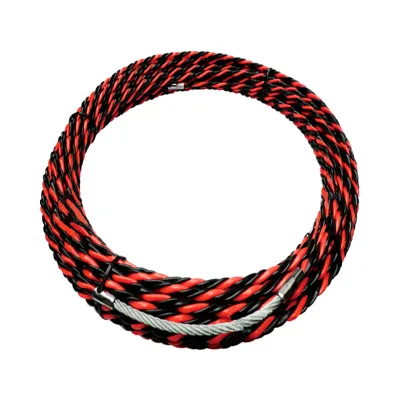


Yellow Masking Silicone Pull Plugs
$0.06 - $0.06
MOQ: 1000 Pieces
Ningbo Beilun Hengnai Fluorine & Plastic Production Co., Ltd.

Blue Masking Silicone Pull Plugs
$0.06 - $0.06
MOQ: 1000 Pieces
Ningbo Beilun Hengnai Fluorine & Plastic Production Co., Ltd.

Silicone Pull Plugs with Higher Quality
$0.04 - $0.04
MOQ: 10000 Pieces
Ningbo Beilun Hengnai Fluorine & Plastic Production Co., Ltd.
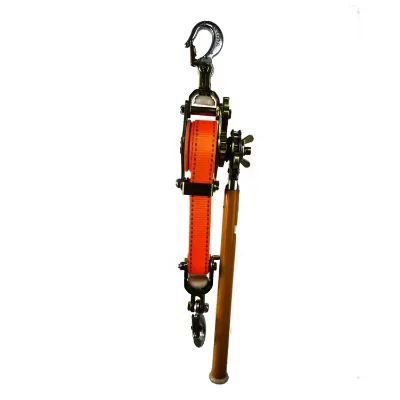


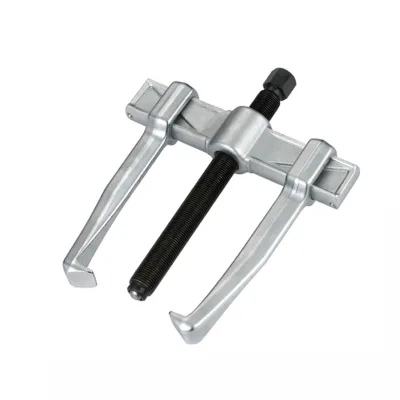
Multi-functional Puller Tools Two Jaws Standard Pullers With the Double Profile Beam
$36.39 - $39.43
MOQ: 24 Minimum


Factory Direct Hot Sale Black Silicone Rubber Zipper Puller Custom for Clothing
$0.04 - $0.05
MOQ: 2000 Pieces
Comprehensive Sourcing Guide
Strategic Sourcing Guide for Two-Color Splicing Silicone Pullers
Navigating the global market for specialized hardware components requires a disciplined approach to verifying product attributes against actual supply chain capabilities. When sourcing two-color splicing silicone pullers, buyers must distinguish between generic hardware descriptions and the specific material properties required for high-performance applications. The core keyword suggests a composite product involving silicone and potentially metal or plastic elements, designed for aesthetic and functional integration in textiles and accessories. This guide outlines the critical factors for procurement, focusing on technical verification, compliance, and supplier reliability without relying on unverified market claims.
Technical Specifications and Material Composition
The foundation of a successful procurement strategy lies in defining precise technical specifications. While the term "silicone puller" implies a specific elastomeric material, the "two-color splicing" aspect introduces complexity regarding the manufacturing process and material compatibility. In the context of the available supply data, we observe a diverse range of materials including Nylon, Zinc-Alloy, and Metal. For a true silicone puller, the primary material must be food-grade or industrial-grade silicone, distinct from the Nylon or Metal options frequently listed for standard zipper sliders.
Buyers must verify the "Two-Color Splicing" technique. This often involves overmolding or injection molding where two distinct colors are fused in a single cycle. The supplied data indicates "Injection" as a valid technic for certain metal components, suggesting that the molding process is a critical verification point. The "Shape" is often rectangular or customized, and the "Plating" options such as Nickel or Purple may apply to the metal insert within the silicone, rather than the silicone itself.
A critical distinction must be made between the puller's core and its coating. If the product involves a metal core (Zinc-Alloy) with a silicone grip, the "Plating" and "Surface Treatment" processes like Polishing, Sandblasting, and Plating become relevant for the metal component. The "Size" specifications vary widely, ranging from standard #3, #5, #7, #8, #10 for zipper compatibility to "Any Available" or "Customized" dimensions. Procurement teams must explicitly define the required size and the specific color combination to ensure the supplier's molding capabilities align with the design intent.
Compliance and Certification Verification
In the B2B hardware sector, compliance is not merely a formality but a prerequisite for market access, particularly in regions with strict chemical regulations. The supplied product data explicitly references "SGS" testing, noting that Nickel, Lead, and Cadmium (CD) are free. This is a vital data point for buyers targeting markets in North America and the European Union, where heavy metal restrictions are stringent.
When evaluating suppliers for silicone products, buyers should request specific test reports that confirm the absence of harmful substances. The data mentions "ISO9001" as a certification, which indicates a quality management system but does not guarantee product safety. Buyers must look for additional certifications relevant to silicone, such as REACH compliance or specific food-contact approvals if the puller is intended for consumer goods like bags or garments that may come into contact with skin or food.
The "Testing" attribute in the source data highlights a factory's willingness to undergo third-party verification. A robust procurement strategy involves demanding a current SGS or equivalent report for the specific batch of two-color silicone pullers. This verification should cover the silicone material itself for phthalates and the metal components for heavy metals. Relying on general "Stock" availability without current test data is a significant risk, as material formulations can change without notice.
Cost Drivers and Pricing Dynamics
Understanding the cost structure of two-color splicing silicone pullers is essential for budgeting and negotiation. The observed price range in the general market data spans from 0 to 39.43 USD, but this likely reflects a mix of simple metal sliders and complex custom assemblies. For a specialized two-color silicone puller, the cost is driven by several factors: the complexity of the mold, the quality of the silicone compound, and the labor intensity of the splicing process.
The "MOQ" (Minimum Order Quantity) is a primary cost driver. The data shows a wide range from 1 to 10,000 units, with a specific mention of 500 PCS as a common threshold. Higher MOQs typically lower the unit cost by amortizing the mold setup fees. However, for custom two-color designs, the initial tooling cost can be substantial. Buyers should be aware that "Customized" sizes and specific color combinations often incur higher setup costs compared to standard "Common" or "Commercial" styles.
Additionally, the "Process" involves multiple steps such as Stamped/Die Casting, Engraving, and Plating for the metal insert, followed by the silicone molding. Each step adds to the final price. The "Packing" specification of 1000 PCS/Bag suggests that logistics and packaging costs are factored into the unit price. Buyers must clarify whether the quoted price includes packaging, shipping, and any potential duties, as these variables can significantly impact the landed cost.
Typical Applications and Usage Scenarios
The versatility of two-color splicing silicone pullers makes them suitable for a broad spectrum of applications. The supplied data lists usage in "Home Textile," "Bag," "Garment," "Shoes," "Suspenders," and "Belt." The silicone material offers advantages in these areas, such as enhanced grip, durability, and resistance to wear and tear. The "Anti-Corrosion" feature and "Rustless" properties are particularly valuable for outdoor gear or items exposed to moisture.
The "Style" attributes, ranging from "Common" to "Commercial" and "Fashion," indicate that these pullers can serve both functional and aesthetic purposes. The "Element: Fashion" tag suggests that the two-color design is often used to add a visual accent to products. For example, a bag with a black silicone puller and a red metal insert can create a striking contrast. The "Occasions: Office Occasions" and "Gender: Unisex" attributes further expand the potential market, indicating that these components are suitable for professional accessories as well as casual wear.
Buyers should consider the specific requirements of their end products. For high-end fashion bags, the "Surface Treatment" and "Plating" quality are paramount. For industrial or outdoor gear, the "Spring" (Non Spring) and "Adjustable" (Non Adjustable) features might be less relevant, but the "Auto Lock" or "Non Lock" slider type is critical for functionality. Understanding the end-use environment helps in selecting the right combination of materials and finishes.
Supplier Evaluation and Operational Capability
Selecting the right supplier requires a deep dive into their operational capabilities and history. The data indicates origins in "Zhenjiang, China" and "Zhejiang, China," which are known manufacturing hubs. However, location alone does not guarantee quality. Buyers should verify the supplier's "OEM" (Original Equipment Manufacturer) capabilities, as the data explicitly welcomes OEM requests. This indicates a willingness to customize products based on client specifications.
The "Features 2" attribute, "We Are Factory, Welcome to Visit Our Factory," is a strong indicator of transparency. Buyers should prioritize suppliers who offer factory audits or virtual tours. This allows for the verification of the "Injection" and "Plating" processes firsthand. The "Stock" status mentioned in the data suggests that some suppliers maintain inventory, which can reduce lead times for standard items. However, for custom two-color silicone pullers, the lead time will depend on mold creation and production scheduling.
When evaluating suppliers, check for consistency in their "Product Model" listings. The data shows models like P001, P002, and JH-0711-16. A supplier with a diverse model range may have more experience with different specifications. Additionally, the "Certification: ISO9001" should be validated with a current certificate number. A supplier with a robust quality management system is more likely to deliver consistent results for complex two-color molding processes.
Quality Control and Long-Term Procurement Considerations
Maintaining quality over time is a critical aspect of long-term procurement. The "Testing" attribute highlights the importance of SGS certification for Nickel, Lead, and Cadmium. Buyers should establish a protocol for regular quality checks, including random sampling and third-party testing for every new production run. The "Features 1" list, including "Non-Fade" and "Washable," should be verified through actual performance testing, as these claims can degrade over time or with exposure to harsh chemicals.
The "Process" details, such as "Engraved" and "Plating," suggest that surface integrity is a key quality metric. Buyers must ensure that the plating does not peel or fade, which is a common issue with lower-quality metal components. The "Surface Treatment" steps like "Polishing" and "Sandblasting" must be consistent to ensure a uniform finish.
For long-term partnerships, buyers should consider the supplier's ability to handle "Customized" orders efficiently. The "Specification: 5#" and "Size: Any Available" data points suggest flexibility, but the buyer must confirm the supplier's capacity to scale production. The "Packing: 1000PCS/Bag" standard should be reviewed to ensure it meets the buyer's logistics requirements. Establishing clear communication channels and defining quality acceptance criteria in the contract will help mitigate risks associated with long-term supply chains.
Comparison of Product Attributes
To assist in decision-making, the following table summarizes key attributes observed in the supply data that are relevant to sourcing two-color splicing silicone pullers. This comparison highlights the variability in materials, finishes, and standards that buyers must navigate.
| Attribute Category | Observed Options | Relevance to Silicone Pullers |
|---|---|---|
| Material | Nylon, Zinc-Alloy, Metal, Artificial | Silicone is distinct; verify if metal core is used. |
| Plating | Nickel, Purple, None | Critical for metal inserts; affects corrosion resistance. |
| Process | Injection, Stamped, Die Casting, Engraved | Injection is key for silicone molding; others for metal. |
| Certification | SGS, ISO9001 | SGS is vital for chemical safety; ISO for management. |
| Size/Spec | #3, #5, #7, #8, #10, Customized | Must match zipper track or application requirements. |
| MOQ | 1 - 10,000 (e.g., 500 PCS) | Determines cost efficiency and order feasibility. |
| Origin | Zhenjiang, Zhejiang, China | Indicates manufacturing hub; verify specific factory. |
| Usage | Bag, Garment, Shoes, Belt | Defines the end-use environment and durability needs. |
By rigorously applying these criteria, buyers can navigate the complexities of sourcing two-color splicing silicone pullers. The focus must remain on verifying technical specifications, ensuring compliance with safety standards, and selecting suppliers with proven manufacturing capabilities. This disciplined approach minimizes risk and ensures the procurement of high-quality components that meet the demands of modern textile and accessory markets.
FAQs
What materials are used for two color splicing silicone pullers?
The primary materials include Nylon, Zinc-Alloy, and Metal, though true silicone requires specific elastomeric compounds. Buyers must verify if the product uses a metal core with silicone grip, as standard listings often feature Nylon or Metal components instead of pure silicone.
Which certifications ensure safety for these pullers?
SGS testing confirms that Nickel, Lead, and Cadmium are free, which is vital for compliance. While ISO9001 indicates quality management, buyers should request specific test reports for chemical safety to ensure the product meets international standards for heavy metals.
How does the MOQ affect the unit cost?
The minimum order quantity ranges from 1 to 10,000 units, with 500 PCS being a common threshold. Higher MOQs typically lower the unit cost by amortizing mold setup fees, especially for customized sizes and specific color combinations.
Can these pullers be customized for specific sizes?
Yes, sizes are available in standard specifications like #3, #5, #7, #8, and #10, or can be customized. Buyers must explicitly define the required size and color combination to ensure the supplier's molding capabilities align with the design intent.
What processes are used to manufacture these components?
Manufacturing involves Injection, Stamped, Die Casting, Engraving, and Plating processes. The two-color splicing often requires overmolding or injection molding, while metal components undergo surface treatments like polishing, sandblasting, and plating for durability.
Where are the manufacturers located?
Manufacturers are located in Zhenjiang, China, and Zhejiang, China, which are known manufacturing hubs. Buyers should verify the specific factory location and capabilities, as origin alone does not guarantee quality or consistent delivery times.