Source Clown Iron On Sequins for Personal Decoration, Gifts, and Home Use
Compare 30 Clown Iron On Sequins products from verified Chinese manufacturers. Buyers can evaluate custom sizes, materials like PVC and canvas, and embroidery or sequined techniques for personal decoration, gifts, and home use applications; compare the available evidence and request quotations based on your requirements.
Key considerations
Products List
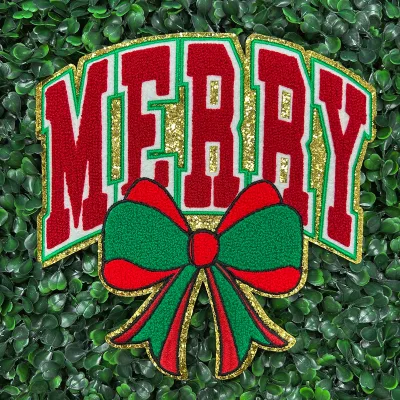

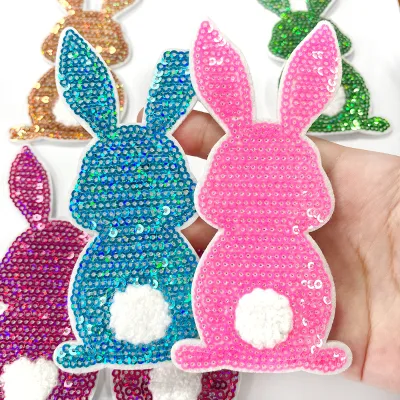


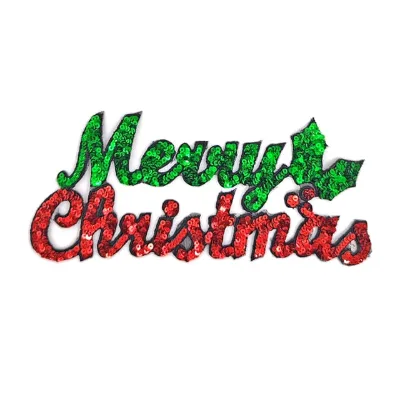
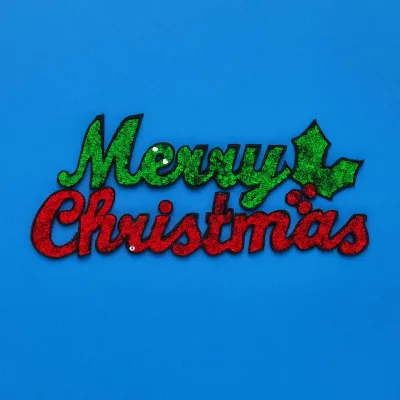
Velvet Texture Merry Christmas Text Patch Sequin Iron On for Christmas Accessories
$0.80 - $1.84
MOQ: 50 pieces
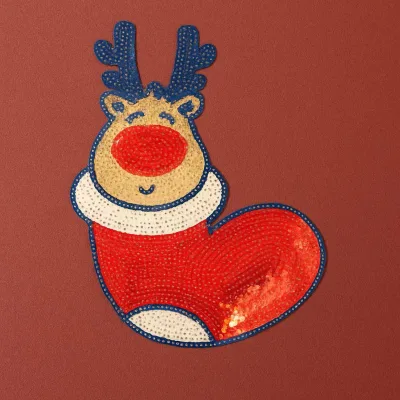
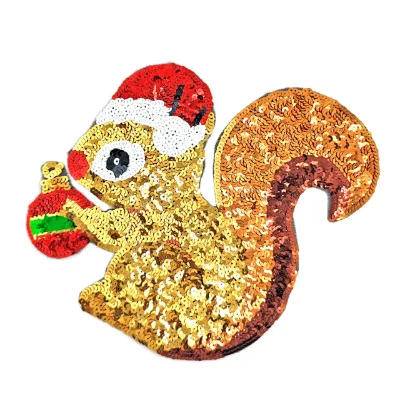
Fashion Golden Shiny Holiday Garland Sequin Iron On Patch Clothing Accessories
$1.19 - $2.37
MOQ: 10 pieces

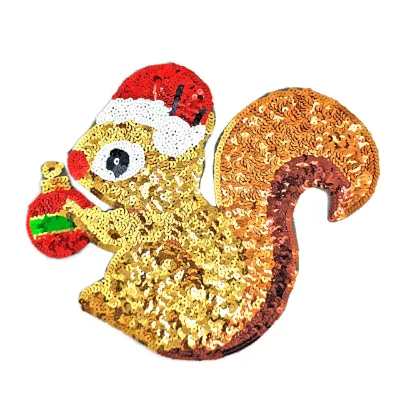
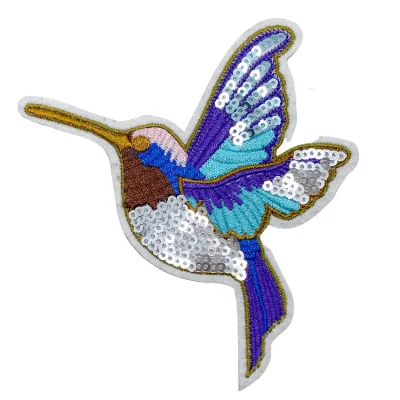


Snowflake Loose Sequins Paillette Sewing for Crafts Ornaments Animal Sequins
$0.50 - $1.00
MOQ: 500 pieces


New Sequin Decal DIY Dress T-Shirt Decoration Patch Iron Can Be Customized
$0.20 - $0.56
MOQ: 100 Pieces


Comprehensive Sourcing Guide
Clown Iron On Sequins Sourcing Guide
Clown Iron On Sequins combine two decorative techniques—embroidered or sequined patch construction with an iron-on backing—making them a niche but versatile category for buyers in the apparel decoration, costume, and seasonal goods trades. Because these items sit at the intersection of textile trims and finished decorative products, sourcing them requires attention to both patch-making craftsmanship and the reliability of heat-activated adhesives. Buyers sourcing from China, where the observed listings originate, will find a market accustomed to custom colorful work, OEM orders, and handcrafted finishing, but also one where product attributes vary widely between listings.
This guide is written for procurement teams, product managers, and small-batch buyers who need to move from keyword search to a defensible purchase decision. It organizes the observed listing signals into a practical framework: what the product category actually covers, which technical specifications must be confirmed in writing, what compliance documentation to request, how cost drivers and commercial terms interact, and how to qualify suppliers for both a first order and a long-term program.
Product Scope and Observed Listing Signals
The observed listings show that "Clown Iron On Sequins" in practice covers a family of decorative patches rather than a single SKU. Confirmed attributes include sequined technics, embroidered construction, iron-on style application, and canvas fabric type, with plastic (PVC) appearing as a main material in some items. Shapes observed include "Merry Christmas Text" and "Reindeer and Gift Stocking," which signals that the category extends into seasonal holiday motifs, and clown-themed designs would follow the same production route. Sizes observed range from compact patches such as 5.3cm x 5.9cm up to larger pieces of 16.2cm x 20cm and 20cm x 9cm.
Buyers should treat the listings as observations of what is on offer, not guarantees that any single supplier supplies every variant. Colors are listed both as multicolor and as numbered options 1 through 6, indicating a palette-selection workflow. Stated usage spans personal decoration, collection, home decoration, gifting, commerce gifts, and religion gifts, and the product type is explicitly "PATCHES." Packaging observations include 1PCS/Card and bubble bag plus white box formats. Model numbers such as P1043, P1054, P1061, and 610001 suggest active, cataloged product lines that can be referenced in RFQs.
Technical Specifications to Verify
Size is the first specification to lock down, because the observed listings mix fixed dimensions (for example, 5.3cm x 5.9cm and 16.2cm x 20cm) with "customization" and "any size you want" language. A written spec sheet should state the finished patch dimensions, tolerance range, and whether the stated size refers to the embroidered field, the sequined area, or the full cut including any border. For iron-on application, verify the backing material, recommended pressing temperature, pressing time, and whether a press or household iron is intended—then confirm peel and wash performance expectations in writing before approval.
Material composition needs equal rigor. The listings reference MDF, painted processing, PVC plastic, canvas fabric, and sequins as decoration, so confirm exactly which materials appear in your specific design and in what layers. Ask how sequins are attached (stitched versus glued), whether the iron-on adhesive covers the full backing or only perimeter zones, and how the handwork element—listed as a feature—affects dimensional consistency. Request a pre-production sample against your approved artwork, since handmade processes can introduce unit-to-unit variation that mass-market buyers may not expect.
Compliance and Safety Documentation
The observed listings reference BV and SGS as standards, which indicates that some suppliers in this category work with third-party inspection bodies. Buyers should not infer from a listing mention that any particular shipment is certified; instead, request current, scope-specific documentation—such as inspection reports covering the patch materials, sequins, adhesives, and dyes used in your order—and verify report dates, sample references, and issuing body details directly with the issuing organization where possible.
Because these patches may be applied to garments or given as gifts, and because PVC and painted surfaces appear in the observed material set, ask suppliers which substance-restriction regimes their production is accustomed to meeting for your destination market, and what test evidence they can provide for restricted substances in plastics, coatings, and textile components. If the patches are intended for children's items, confirm this use explicitly with the supplier and ask what additional documentation they can support, since small parts and decorative sequins may trigger applicable requirements in some markets. Document all agreed compliance responsibilities in the purchase contract rather than relying on listing-level claims.
Cost Drivers and Commercial Terms
Observed listing prices range from roughly $0.10 to $4.70, a spread that reflects real differences in size, sequin density, handwork, and order quantity. The observed MOQ range runs from 1 piece to 4,000 pieces, with one listing stating 500PCS as the MOQ—evidence that the market serves both sampling-scale and production-scale buyers. When comparing quotes, normalize for size first: a 20cm x 9cm sequined patch carries materially more sequin and labor content than a 5.3cm x 5.9cm piece, so a per-piece price comparison is meaningless without a shared specification.
Beyond unit price, quantify the drivers: custom colorful artwork and size customization typically add tooling or setup cost; handmade finishing adds labor sensitivity to volume; and packaging choices (1PC/Card versus bubble bag plus white box) affect both unit cost and freight volume. Delivery time is stated at 30–45 days on one listing, with a separate listing noting that 7-day sample orders are not supported—so build sample lead time into your calendar and confirm both sample and bulk timelines in the proforma invoice. Clarify Incoterms, payment terms, and whether tooling or artwork fees are amortized, refunded at volume, or charged separately.
Supplier Qualification and Quality Control
Qualify suppliers against the specific attributes your order requires rather than generic patch-making capability. If sequined work dominates your design, prioritize suppliers whose listings demonstrate sequined technics and who can explain their sequin attachment method; if iron-on performance is critical, ask for their standard adhesive system and pressing instructions. A supplier stating "OEM Order: Welcome" and "Customization: Available," as the observed listings do, should be asked to evidence that claim with past custom projects, artwork-capable processes, and sample photos—verifiable through a sample order rather than listing text alone.
Structure quality control around the handmade nature of the product. Define an AQL-style inspection plan covering dimensions, sequin coverage, color matching against an approved lab dip or physical sample, iron-on backing integrity, and packaging conformity (for example, 1PCS/Card). Use the referenced BV or SGS frameworks to commission a third-party pre-shipment inspection if order value justifies it, and specify the inspection standard and sampling level in the contract. For the first order, consider a staged release: inspect a random sample before the balance ships, and retain golden samples from the approved lot for comparison on reorder.
Long-Term Procurement Checks
Sustained sourcing of clown-themed and seasonal sequin patches depends on repeatability, so build a reorder file for each SKU: approved artwork, confirmed size and tolerance, material layers, sequin specification, adhesive system, pressing instructions, packaging format, and the golden sample reference. Re-verify consistency on every lot against this file, since handmade and custom-colored processes can drift between production runs. Track model numbers such as those observed (P1043, P1054, P1061, 610001) to confirm the supplier is shipping the same cataloged item rather than a substituted equivalent.
Also monitor the commercial relationship over time. Reconfirm lead times seasonally, because holiday-shaped designs (as seen in the observed Christmas-text and stocking motifs) will compete for capacity ahead of peak seasons and the stated 30–45 day delivery window may extend. Review pricing annually against sequin, PVC, and canvas input trends, and revisit MOQ flexibility as your volumes grow. Finally, maintain dual documentation of compliance—refresh substance-test reports periodically and reconfirm them for new colorways or material substitutions—so that a routine design change never silently invalidates the documentation supporting your market access.
FAQs
What sizes are available for Clown Iron On Sequins patches?
These patches come in sizes such as 3*3 inch, 4*6 inch, and 5*7 inch, with customization to any size you want. The standard product standard can be customized, so buyers can request dimensions suited to their garments or decorations. Confirm your required size with the supplier before ordering, since exact measurements may vary by model.
How are the sequins patches attached to garments?
The patches use an iron-on style, so they are applied with heat and pressure to fabric such as canvas. Place the patch face up, cover it with a cloth, and press firmly for several seconds. For longer durability or delicate fabrics, sewing the patch on in addition to ironing is recommended.
Can I order custom colors and designs for clown sequins patches?
Yes, customization is available, and the product is offered in multicolor options with custom colorful finishes. Suppliers welcome OEM orders, so you can supply artwork for a clown design, text shape, or specific color combination. Discuss sample approval and tooling requirements with the supplier before confirming a bulk order.
What is the material and construction of these patches?
The patches are made from plastic of the PVC type with sequins as decoration, applied using sequined and embroidered technics. The fabric type is canvas, and the finish is painted where applicable. This combination supports a fashion style decorative item intended for personal decoration, gifts, and collection use.
How are the patches packaged for shipping?
Packaging is typically one piece per card, with some items packed in a bubble bag plus a white box for protection. Single package sizes are around 20 by 9 by 0.2 centimeters or 16.2 by 20 by 0.2 centimeters, and single gross weight is roughly 0.007 to 0.008 kilograms per item. Confirm packaging details with your supplier for bulk shipments.
What is the minimum order quantity and delivery time?
The listed minimum order quantity is 500 pieces, though observed MOQs across related listings range from 1 to 4000 pieces, so terms vary by product. Standard delivery time is 30 to 45 days after order confirmation. Sample orders within 7 days are not supported for some models, so plan lead times accordingly.
Which quality standards do the products follow?
Listed products reference BV and SGS standards, indicating third-party inspection or verification processes are commonly requested. Buyers should ask their supplier for current test documentation applicable to the specific model ordered. Standards coverage can differ by listing, so verify certification scope before placing a bulk purchase.
What uses are suitable for Clown Iron On Sequins patches?
They suit personal decoration, home decoration, daily use, collection, and gift purposes, including commerce gifts and religion gifts. The decorative items feature shapes such as Merry Christmas text, reindeer, and gift stocking designs. Apply them to clothing, bags, or canvas items to add a fashionable, handmade touch.