Source Shell Button for Garments, Bags, and Shoes
Compare 30 Shell Button options for garments, bags, and shoes. Buyers can review adjustable and non-adjustable styles, various sizes, and eco-friendly features from suppliers in China to find the right fit for their projects; compare the available evidence and request quotations based on your requirements.
Key considerations
Products List






Comprehensive Sourcing Guide
Shell Button Sourcing Guide
Procuring shell buttons requires a nuanced understanding of material properties, aesthetic versatility, and supply chain reliability. These components serve as both functional fasteners and decorative elements, making their selection critical for brand identity and product durability. Buyers must navigate a market characterized by diverse customization options, ranging from simple color matching to intricate logo integration. The following guide outlines the essential verification steps and strategic considerations necessary for successful sourcing.
This document provides evidence-based guidance for sourcing shell buttons, focusing on observed market signals and technical requirements. It addresses the key decision points involved in selecting suppliers, verifying specifications, and managing commercial terms. By adhering to these structured insights, procurement professionals can mitigate risks associated with quality inconsistencies and supply delays, ensuring that the final products meet both functional and aesthetic standards.
Product Scope and Observed Listing Signals
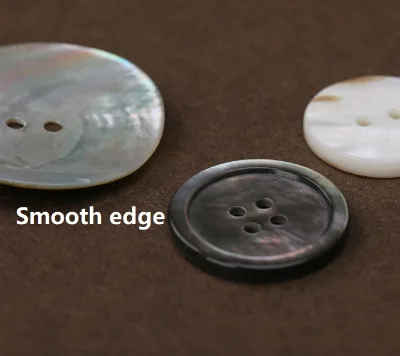
The observed market for shell buttons reveals a wide range of applications, including garments, bags, shoes, and decorative items. Listings indicate that these buttons are often categorized under fashion elements, with styles ranging from simple to luxurious. The material composition varies, with some products identified as shell-based, while others may involve metal or resin components. This diversity suggests that buyers should clearly define their material requirements to avoid mismatches between supplier offerings and product needs.
Stock availability is frequently highlighted, with many suppliers maintaining ready-to-ship inventory for standard sizes and colors. Customization is widely available, allowing for tailored solutions such as specific logos or unique color matching. The observed product models, such as 019, 015, and H-22, suggest a standardized yet flexible production framework. Buyers should leverage these signals to balance the need for quick turnaround with the desire for bespoke design elements, ensuring that the chosen supplier can meet both volume and customization demands.
Technical Specifications to Verify
Verifying technical specifications is crucial for ensuring that shell buttons meet the intended application requirements. Key attributes to confirm include the button type, such as 2-hole or jeans buttons, and the size range, which can vary from 8mm to 15mm or larger dimensions like 12L to 40L. The shape is typically round, but the finish, whether flatback or striped, should align with the design aesthetic. Buyers must also verify the packing details, which may include quantities per bag or carton, to ensure efficient logistics and storage.
Additional specifications to consider include the adjustability of the buttons, with options for both adjustable and non-adjustable variants. The origin of production, often noted as Guangdong or Zhejiang in China, can influence quality perceptions and lead times. It is essential to confirm the standard materials used, such as plastic or metal, and to request samples to assess the tactile and visual quality. These verification steps help prevent discrepancies between ordered specifications and delivered products, ensuring consistency across production batches.
Compliance and Safety Documentation
Compliance with safety standards is a critical aspect of sourcing shell buttons, particularly for products intended for children or sensitive applications. Buyers should verify that suppliers adhere to relevant international standards, such as CE certification, which indicates conformity with health, safety, and environmental protection standards. Although specific test results are not always provided in initial listings, requesting documentation for compliance with regulations like REACH or CPSIA is advisable to ensure the materials are free from harmful substances.
In addition to regulatory compliance, buyers should inquire about the eco-friendly attributes of the buttons, as some suppliers highlight this feature. This may involve verifying the use of sustainable materials or environmentally friendly production processes. It is also important to confirm that the suppliers have robust quality control measures in place to maintain consistency and safety across all batches. By prioritizing compliance and safety, buyers can protect their brand reputation and ensure that their products meet the expectations of discerning consumers.
Cost Drivers and Commercial Terms
Understanding the cost drivers for shell buttons involves analyzing factors such as material quality, customization complexity, and order volume. The observed price range of 0-100 USD suggests significant variation based on these factors. Buyers should consider the minimum order quantity (MOQ), which can range from 10 to 50,000 units, as this impacts the unit cost and overall budget. Higher customization levels, such as unique logos or specific color matching, may incur additional charges, so it is essential to clarify these costs upfront.
Commercial terms also play a significant role in the total cost of ownership. Lead times for production can vary, with some suppliers offering 20-30 days for standard orders and support for 7-day sample orders. Buyers should negotiate clear terms regarding payment, shipping, and returns to avoid unexpected expenses. Additionally, considering the shipping methods, such as air, sea, or train, can affect delivery times and costs. By carefully evaluating these commercial terms, buyers can optimize their procurement strategy and achieve better value for their investment.
Supplier Qualification and Quality Control
Supplier qualification is a vital step in ensuring the reliability and quality of Shell Button supplies. Buyers should assess suppliers based on their production capabilities, quality control processes, and track record. It is advisable to request references or case studies from previous clients to gauge the supplier's performance and reliability. Additionally, verifying the supplier's certifications and adherence to industry standards can provide confidence in their ability to deliver consistent quality.
Quality control measures should be clearly defined and agreed upon before placing orders. This includes establishing criteria for sample approval, in-process inspections, and final product checks. Buyers should also consider implementing a robust inspection protocol, such as third-party inspections, to verify that the delivered products meet the specified standards. By prioritizing supplier qualification and quality control, buyers can minimize the risk of defects and ensure that their products meet the highest quality standards.
Long-Term Procurement Checks
Long-term procurement checks involve continuous monitoring and evaluation of supplier performance to ensure sustained quality and reliability. Buyers should establish key performance indicators (KPIs) to track metrics such as on-time delivery, defect rates, and responsiveness to issues. Regular audits and reviews of supplier processes can help identify areas for improvement and ensure that the supplier remains aligned with the buyer's quality standards. This proactive approach helps maintain a strong partnership and mitigates potential risks over time.
Additionally, buyers should stay informed about market trends and technological advancements in Shell Button production. This includes monitoring changes in material availability, regulatory requirements, and consumer preferences. By maintaining open communication with suppliers and fostering a collaborative relationship, buyers can leverage their expertise and insights to drive innovation and efficiency. Continuous improvement and adaptation are essential for long-term success in the dynamic landscape of Shell Button procurement.
FAQs
What customization options are available for shell buttons?
Customization is available for shell buttons, allowing buyers to request specific logos or designs. The product supports various styles, including simple and luxurious elements. Buyers can choose from different colors and shapes to match their garment or bag requirements. This flexibility ensures the buttons fit specific aesthetic needs for fashion items.
Can I get a sample order for shell buttons?
Yes, sample orders are supported with a lead time of seven days. Samples are provided free of charge to help buyers evaluate quality before bulk production. This allows for quick verification of the shell material and button type. Buyers can proceed with confidence knowing the product meets their initial expectations for fashion applications.
What are the standard sizes for these shell buttons?
The standard sizes range from 12L to 40L, with specific models like 019 and H-22 available. Other sizes include 14L through 54L for various garment needs. These dimensions cover jackets, trousers, and bags. The variety ensures that buyers can find the correct fit for different fashion items, from small accessories to heavy coats.
Where are these shell buttons manufactured?
These shell buttons are manufactured in China, specifically in Guangdong and Zhejiang provinces. The origin is clearly stated as Made in China. This location supports efficient production and shipping logistics. Buyers can rely on established manufacturing hubs for consistent quality and timely delivery of fashion accessories and garment components.
What is the typical production time for bulk orders?
The typical production time is 20 to 30 days for bulk orders. This timeline applies after sample approval and order confirmation. Buyers should plan their inventory accordingly to avoid delays. The lead time ensures quality control and proper packaging, such as 10 gross per bag, for safe transport of shell buttons.
Are shell buttons eco-friendly and safe for use?
Yes, the shell buttons are described as eco-friendly. They are made from shell material and plastic standards, ensuring safety for various uses. The product is suitable for garments, bags, shoes, and decoration. This eco-conscious approach appeals to buyers seeking sustainable fashion accessories without compromising on durability or aesthetic appeal for their products.