Source two-phase vitamin c face serum for Face, Neck, and Eye
Find 30 listings for two-phase vitamin c face serum with customizable packaging and certifications like CE, GMP, and FDA. Buyers can compare features such as anti-aging, firming, and moisturizing properties across various models and ingredient profiles.
Key considerations
Products List


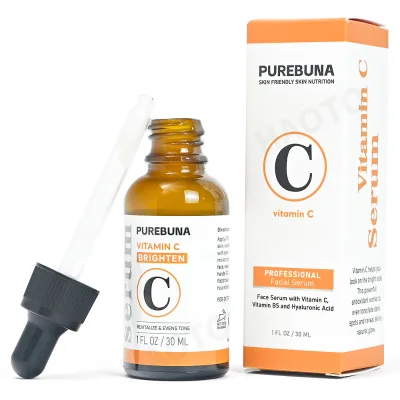
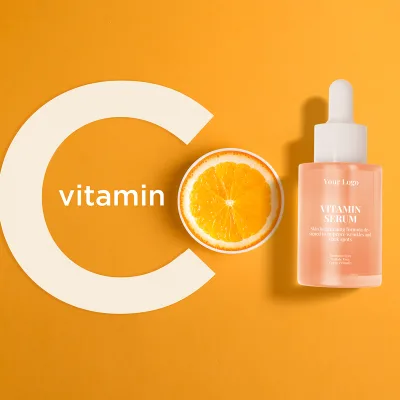
Hot Selling Face Antioxidant Serum Moisturizing Whitening Vitamin C Serum
$1.50 - $2.30
MOQ: 1000 Pieces







Comprehensive Sourcing Guide
Two-Phase Vitamin C Face Serum Sourcing Guide
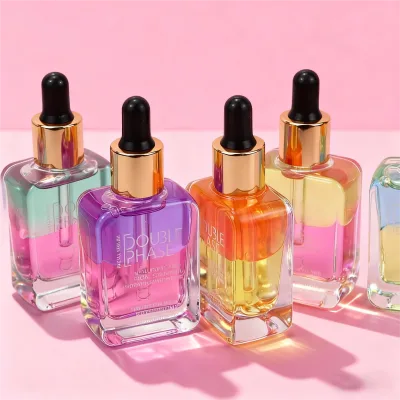
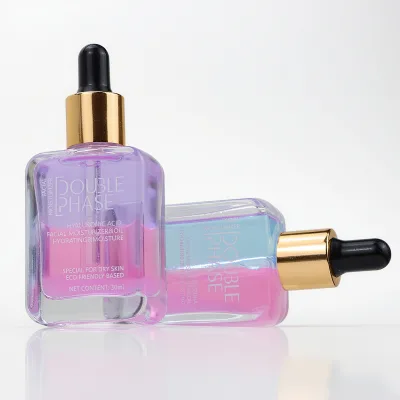
Sourcing two-phase vitamin C face serum requires a nuanced understanding of formulation stability, packaging integrity, and regulatory compliance. Unlike single-phase serums, two-phase formulations typically separate oil-soluble and water-soluble active ingredients, such as Vitamin C and hyaluronic acid, to maintain potency until application. This guide provides evidence-based procurement strategies for buyers seeking to source these specialized skincare products, focusing on verified supplier attributes, technical specifications, and commercial terms observed in the current market.
The following sections detail the critical verification steps for product scope, technical specifications, compliance documentation, cost drivers, supplier qualification, and long-term procurement checks. Buyers are advised to treat observed product attributes as observations rather than universal claims, ensuring that every potential supplier meets specific quality and regulatory standards before committing to orders.
Product Scope and Observed Listing Signals
The observed market for two-phase vitamin C face serum reveals a diverse range of product models and formulations, with identified models including VC, VCS01, VCSF, SH53, and generic "serum" or "Best Vitamin C Serum" designations. These products are primarily targeted at adult female consumers and are marketed with a wide array of efficacy claims, including anti-aging, anti-wrinkle, dark circle reduction, firming, lightening, moisturizing, nourishing, and whitening. Some listings also highlight specific features such as blackhead removal, anti-puffiness, and skin revitalization, indicating a broad spectrum of consumer benefits associated with these formulations.
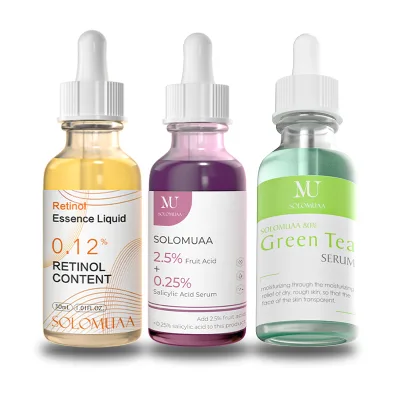
In terms of application, the observed products are designed for use on multiple areas of the body, including the face, eyes, neck, nose, hands, and in some cases, the lips and general body. The main ingredients frequently cited include plant extracts, vitamins, collagen, and specific actives like Vitamin C, hyaluronic acid, AHAs, aloe vera, dead sea salt, emu oil, glycerin, green tea, pearl, and shea butter. This variety suggests that buyers should carefully review the ingredient lists to ensure alignment with their brand’s positioning and target consumer preferences, as the "two-phase" nature may imply specific oil-water ratios or emulsion techniques that are not explicitly detailed in all listings.
Technical Specifications to Verify
Standardization and packaging are critical technical aspects to verify when sourcing two-phase serums. Observed product standards include specific volumes such as 30ml, 40ml, and 1 Fl. Oz, with some suppliers offering customized sizes. The packaging is frequently described as customizable, with options ranging from standard boxes to bespoke customer designs. Buyers must confirm that the packaging material is compatible with two-phase formulations, ensuring that the dropper or pump mechanism allows for proper mixing of the oil and water phases upon dispensing. The model numbers and size specifications should be cross-referenced with the supplier’s technical data sheets to ensure consistency in volume and fill accuracy.
The formulation’s physical properties, such as viscosity and phase separation behavior, are not explicitly detailed in the observed listings but are crucial for product performance. Buyers should request samples to test the stability of the two-phase system over time and under various temperature conditions. Additionally, the presence of active ingredients like Vitamin C and hyaluronic acid requires careful consideration of packaging opacity and airless pump systems to prevent oxidation and degradation. Verification of the product’s shelf life and storage requirements is essential to ensure that the serum maintains its efficacy from production to end-use.
Compliance and Safety Documentation
Regulatory compliance is a non-negotiable aspect of sourcing skincare products, and the observed listings indicate that suppliers may hold various certifications, including CE, GMP, MSDS, and FDA. These certifications suggest adherence to specific manufacturing and safety standards, but buyers must verify the validity and scope of each certification for the specific product and destination market. For instance, FDA registration may be required for products marketed in the United States, while CE marking is relevant for the European Union. Buyers should request copies of these certificates and confirm that they are current and applicable to the specific product model being sourced.
Safety data sheets (MSDS) are also observed as part of the documentation, providing critical information on the product’s chemical composition, handling, and storage. Buyers should review these documents to identify any potential allergens or irritants, especially given the diverse ingredient lists that may include AHAs, essential oils, or other potent actives. Additionally, buyers should ensure that the supplier provides a Certificate of Analysis (COA) for each batch, verifying the concentration of active ingredients and the absence of harmful contaminants. This documentation is essential for maintaining product safety and regulatory compliance in the final market.
Cost Drivers and Commercial Terms
The observed price range for two-phase vitamin C face serum is between $0.53 and $5.50 USD, with a minimum order quantity (MOQ) ranging from 2 to 10,000 pieces. These variations in price and MOQ are influenced by factors such as packaging customization, ingredient quality, and order volume. Buyers should note that lower prices may correspond to higher MOQs or standard packaging, while customized packaging and smaller orders may incur higher per-unit costs. Understanding these cost drivers is essential for budgeting and negotiating favorable terms with suppliers.
Commercial terms also include the supplier’s service offerings, such as OEM, ODM, and private label services, which are commonly available. Buyers should clarify the lead times for production and shipping, as well as the payment terms and return policies. It is important to establish clear communication regarding any additional costs for customization, such as logo printing or unique bottle designs. Buyers should also consider the total cost of ownership, including shipping, duties, and potential returns, to make informed procurement decisions.
Supplier Qualification and Quality Control
Supplier qualification involves verifying the manufacturer’s capabilities, quality control processes, and track record. Buyers should request information about the supplier’s production facilities, including their GMP compliance and quality management systems. It is advisable to conduct factory audits or request third-party inspection reports to ensure that the manufacturing environment meets international standards. Additionally, buyers should inquire about the supplier’s experience with two-phase formulations and their ability to maintain product stability and consistency.
Quality control measures should be clearly defined in the procurement agreement, including pre-production samples, in-process inspections, and final product testing. Buyers should specify the acceptance criteria for product appearance, packaging integrity, and active ingredient concentration. Establishing a clear protocol for handling non-conforming products is also essential to mitigate risks. Buyers should consider engaging a third-party inspection agency to conduct random checks during production and before shipment, ensuring that the delivered products meet the agreed-upon specifications.
Long-Term Procurement Checks
Long-term procurement success depends on continuous monitoring of supplier performance and product quality. Buyers should establish key performance indicators (KPIs) such as on-time delivery rate, product defect rate, and customer satisfaction scores. Regular reviews of these metrics will help identify potential issues early and allow for corrective actions. Additionally, buyers should maintain open communication with suppliers to address any concerns and foster a collaborative relationship.
Market trends and regulatory changes should also be monitored to ensure that the sourced products remain compliant and competitive. Buyers should stay informed about new ingredients, packaging technologies, and consumer preferences that may impact product development. Periodic re-evaluation of the supplier base is recommended to ensure that the chosen partners continue to meet the buyer’s quality and cost requirements. By implementing these long-term checks, buyers can sustain a reliable supply chain and deliver high-quality two-phase vitamin C face serums to their customers.
FAQs
What certifications do two-phase vitamin c face serum products have?
Products typically hold CE, GMP, and MSDS certifications, while some variants also include FDA approval. These certifications ensure compliance with international safety and quality standards for cosmetic manufacturing and distribution.
Can I customize the packaging for two-phase vitamin c face serum orders?
Yes, custom packaging is available for most orders to meet specific branding needs. Buyers can request tailored box designs or bottle configurations, often with flexible minimum order quantities depending on the supplier.
What are the main ingredients found in two-phase vitamin c face serum?
Common ingredients include Vitamin C, Hyaluronic Acid, collagen, and various plant extracts like Aloe Vera or Green Tea. Some formulations also feature Dead Sea Salt, Emu oil, or Shea Butter for enhanced skin benefits.
Which features does two-phase vitamin c face serum offer for skin care?
Key features include anti-aging, anti-wrinkle, firming, and moisturizing effects. Many products also target dark circles, blackheads, and pigmentation while providing nourishing and whitening benefits for overall skin revitalization.
What is the typical MOQ for ordering two-phase vitamin c face serum?
Minimum order quantities vary significantly, ranging from 100 pieces to 10,000 pieces depending on the supplier and customization level. Standard stock items often have lower thresholds compared to private label or custom formula requests.
Where are two-phase vitamin c face serum manufacturers located?
Most manufacturers are based in China, offering a wide range of OEM and ODM services. This location provides access to extensive supply chains and competitive pricing for bulk cosmetic production and export.
What specifications are available for two-phase vitamin c face serum sizes?
Standard sizes include 30ml, 40ml, and 1 Fl. Oz options, with custom sizes also available upon request. Buyers can select from various volume specifications to match their retail packaging requirements or market preferences.