Source Ultra Low Temperature Deep Freezer with Alarm for labs, hospitals, and biotech
Compare 30 verified Ultra Low Temperature Deep Freezer with Alarm units from Chinese manufacturers. Review specifications like temperature ranges, capacities, and certifications to find the right equipment for your facility.
Key considerations
Products List


Ultra Deep Freezer for Commercial Use with Low Temperature Technology
$499.00 - $1299.00
MOQ: 10 Pieces


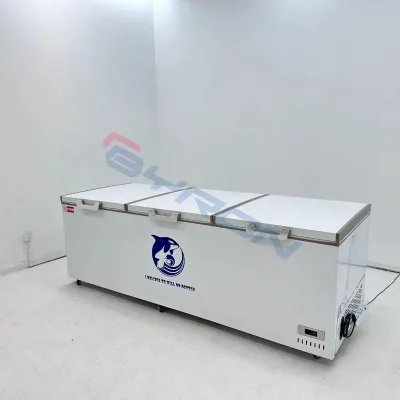
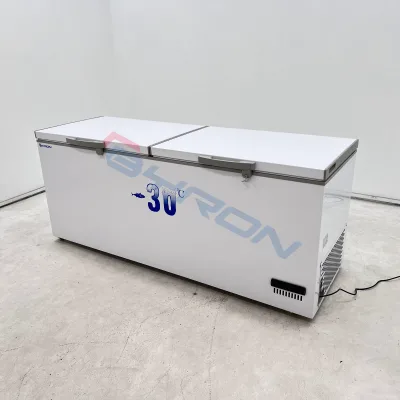
Ultra Low Temperature Freezer -86 Degree Adjustable for Ult Freezer Medical Freezer
$275.20 - $2221.97
MOQ: 1 Minimum


Deep Freezer-Laboratory Freezer-Freezer-Ultra Low Temperature Freezer
$1500.00 - $8500.00
MOQ: 1 Pieces


Horizontal Deep Ultra Low Temperature Freezer Laboratory Freezer
$4700.00 - $6000.00
MOQ: 2 Pieces
Zhejiang Heerxin Refrigeration Appliance Technology Co., Ltd.


Ultra Low Horizontal Ultra Low Temperature Freezer for Lab
$3800.00 - $5000.00
MOQ: 1 Pieces
Zhejiang Heerxin Refrigeration Appliance Technology Co., Ltd.


Portable -86 Degree Ultra Low Temperature Deep Freezer for Lab
$3310.00 - $4410.00
MOQ: 1 Pieces
Zhejiang Heerxin Refrigeration Appliance Technology Co., Ltd.


Comprehensive Sourcing Guide
Strategic Sourcing Guide for Ultra Low Temperature Deep Freezers with Alarm
Procuring an ultra-low temperature deep freezer equipped with an alarm system represents a critical investment for laboratories, pharmaceutical facilities, and biobanks where sample integrity is non-negotiable. The market offers a diverse array of units ranging from compact models to large-scale storage solutions, each with distinct operational parameters. Buyers must navigate a complex landscape of technical specifications, regulatory compliance, and supply chain logistics to ensure the selected equipment meets rigorous scientific standards. This guide provides a structured approach to evaluating potential suppliers and products, grounded in verified market data and essential procurement principles.
Technical Specifications and Operational Parameters
The foundation of a successful procurement decision lies in a precise understanding of the technical specifications required for the intended application. Ultra-low temperature freezers are defined by their ability to maintain temperatures significantly below the standard freezing point of water. Based on observed market data, the effective temperature range for these units typically spans from -15°C to -86°C, with some specialized models capable of reaching -70°C or lower. The precision of temperature control is equally vital; advanced units feature digital displays with a resolution of 0.1°C, allowing for minute adjustments and accurate monitoring.
When evaluating a unit, buyers should verify the cooling system architecture. Direct cooling systems are common, but the presence of a fan can be an optional feature that influences airflow and temperature uniformity. The compressor is a primary driver of performance; specifications often highlight the use of imported variable-frequency compressors, such as those from Enbrok, which offer enhanced efficiency and reliability compared to standard models. The effective volume of these freezers varies widely, with observed capacities ranging from 56 liters to over 300 liters, and physical dimensions extending up to 1000 liters in some configurations.
The physical construction of the freezer also dictates its longevity and safety. The inner liner is frequently constructed from food-grade stainless steel to ensure hygiene and resistance to corrosion. The frame design is another critical observation; some units are engineered with a "Never Freezes" frame to prevent structural damage in extreme cold. Door configurations vary from single doors to folding doors, and the inclusion of a door lock is a standard security feature for high-value samples. Buyers must also consider the defrost type, as manual defrost systems are prevalent in this category, requiring specific operational protocols.
Compliance and Certification Verification
In the B2B procurement of medical and scientific equipment, compliance is not merely a formality but a prerequisite for market access and operational safety. The certification landscape for ultra-low temperature freezers is extensive, with many units bearing multiple international marks. Verified data indicates that common certifications include CE, RoHS, ISO, CCC, CB, EMC, GS, and ETL. The presence of these marks suggests adherence to specific safety, electromagnetic compatibility, and environmental standards.
Buyers must distinguish between the product's origin and the standards it claims to meet. While many units originate from manufacturing hubs in China, including specific cities like Dongguan and Qingdao, the certifications apply to the product's compliance with international regulations. For instance, the CE mark indicates conformity with health, safety, and environmental protection standards for products sold within the European Economic Area. Similarly, ISO certifications, such as ISO 9001 (often referenced in background contexts), suggest a commitment to quality management systems, though specific model-level certification status should be verified against the supplier's documentation.
The voltage and plug standards are critical for international deployment. Units are often designed with a "Customer Country Standard" plug, ensuring compatibility with local electrical infrastructure. Voltage ratings typically align with 220V electrical equipment standards, though other configurations may exist. Climate type ratings, such as N and ST, indicate the ambient temperature ranges in which the unit can operate effectively, typically between 10°C and 30°C for the surrounding environment. Buyers should request test reports or certification documents to confirm that the specific model being purchased holds valid, current certification status rather than relying on general category claims.
Cost Drivers and Pricing Dynamics
Understanding the cost structure of ultra-low temperature freezers is essential for budgeting and value assessment. The observed price range in the market is substantial, spanning from approximately $189 to $13,000 USD. This wide variance is driven by several key factors, including capacity, temperature capability, and the sophistication of the control systems. A unit priced at the lower end of the spectrum may offer basic functionality with a mechanical thermostat and limited volume, whereas high-end models featuring touch screen electronic digital controllers, variable-frequency compressors, and larger capacities command premium prices.
The Minimum Order Quantity (MOQ) is another significant cost driver. Market observations indicate an MOQ range of 1 to 10 units. For small laboratories or pilot projects, suppliers offering an MOQ of 1 provide flexibility, while larger institutions may benefit from bulk purchasing agreements within the 10-unit range to negotiate better terms. Packaging also influences the final landed cost. Units may be shipped in standard cartons or, for larger and more fragile equipment, in export wooden crate packaging. The choice of packaging affects shipping costs and the risk of damage during transit.
Additional cost considerations include the warranty period and the availability of spare parts. A standard warranty of 2 years is observed in the market, which serves as a baseline for after-sales support. Buyers should clarify what is covered under the warranty, particularly regarding the compressor and cooling system, as these are the most expensive components to replace. The inclusion of an alarm system, while a standard feature for this category, may vary in sophistication, with some units offering remote monitoring capabilities that could impact the overall price.
Typical Applications and Use Cases
The versatility of ultra-low temperature deep freezers makes them suitable for a wide range of applications across various industries. The primary function of these units is often categorized as cold storage, freezing, or a combination of both. In the pharmaceutical sector, these freezers are indispensable for storing vaccines, biological reagents, and active pharmaceutical ingredients that require strict temperature control to maintain efficacy. The ability to reach temperatures as low as -86°C is crucial for preserving the stability of sensitive compounds that would degrade at higher temperatures.
In the medical and research fields, these units are used for the long-term storage of blood samples, tissue specimens, and DNA/RNA samples. The "Type: Chest/Deep Freezer" configuration is particularly popular in these settings due to its energy efficiency and ability to maintain stable temperatures even when the door is opened frequently. Beverage centers and commercial freezers also utilize similar technology, though the temperature requirements may differ. The "Single-temperature" type is common for applications requiring a consistent thermal environment, while units with "Cold Storage & Freezing" capabilities offer flexibility for facilities with diverse storage needs.
The specific environment in which the freezer operates is a critical consideration. Units are designed for use in environments ranging from 10°C to 30°C, making them suitable for standard laboratory conditions. However, for facilities with higher ambient temperatures, additional cooling infrastructure may be required to ensure the unit operates within its rated climate type. The inclusion of a door lock and alarm system adds a layer of security and safety, ensuring that samples are protected from unauthorized access and that temperature excursions are immediately detected and addressed.
Supplier Evaluation and Quality Control
Selecting the right supplier is as important as selecting the right product. Buyers should evaluate potential suppliers based on their ability to provide accurate product information, valid certifications, and reliable after-sales support. The origin of the product, whether from Dongguan, Qingdao, or other manufacturing centers in China, can provide insights into the supply chain capabilities, but it should not be the sole determinant of quality. Instead, focus on the supplier's track record in delivering units that meet the specified standards and certifications.
Quality control measures should be integrated into the procurement process. This includes verifying the material composition, such as the use of plastic and stainless steel, and ensuring that the inner liner is indeed food-grade. The brand name, often listed as BYRON, EDM, or OEM, should be cross-referenced with the supplier's authorization to ensure authenticity. For OEM products, buyers must ensure that the manufacturing process adheres to the same quality standards as branded units.
Inspection protocols should be established before shipment. This may involve requesting third-party inspection reports or conducting a pre-shipment inspection to verify the physical condition of the unit, the functionality of the alarm system, and the accuracy of the temperature display. The packaging method, whether carton or export wooden crate, should be confirmed to ensure the unit arrives without damage. Buyers should also verify the lead time and delivery terms to avoid delays that could compromise sample integrity.
Long-Term Procurement Considerations
Sourcing an ultra-low temperature deep freezer is a long-term commitment that extends beyond the initial purchase. Buyers must consider the total cost of ownership, including energy consumption, maintenance requirements, and the availability of replacement parts. The choice of compressor, particularly imported variable-frequency models, can significantly impact energy efficiency and operational costs over the lifespan of the unit. A unit with a higher initial price may offer lower long-term costs through reduced energy usage and fewer breakdowns.
The warranty period, typically observed as 2 years, is a key factor in risk management. Buyers should review the terms of the warranty to understand the coverage for labor, parts, and potential downtime. The availability of technical support and training for maintenance staff is also crucial for ensuring the longevity of the equipment. Suppliers that offer comprehensive training and readily available spare parts can significantly reduce the risk of extended downtime.
Finally, the scalability of the procurement strategy should be considered. As research needs grow, the ability to expand the storage capacity or integrate additional units into the existing infrastructure is important. Suppliers that offer modular solutions or a range of compatible models can facilitate this growth. Buyers should also plan for the eventual disposal or recycling of the unit, considering environmental regulations and the disposal of refrigerants. By addressing these long-term considerations, organizations can ensure that their investment in ultra-low temperature storage remains a reliable asset for years to come.
FAQs
What temperature range do these freezers support?
These units typically operate between -15°C and -86°C, with some specialized models reaching -70°C. Digital displays offer 0.1°C precision for accurate monitoring of stored samples.
Which certifications are common for these freezers?
Common certifications include CE, RoHS, ISO, CCC, CB, EMC, GS, and ETL. These marks indicate compliance with international safety and electromagnetic compatibility standards for medical and scientific equipment.
How is the inner liner constructed for safety?
The inner liner is frequently made from food-grade stainless steel to ensure hygiene and corrosion resistance. This material choice supports the storage of biological samples and pharmaceutical reagents safely.
Can buyers customize the plug and voltage?
Yes, the plug is often set to the customer country standard, and voltage typically aligns with 220V electrical equipment. This ensures compatibility with local electrical infrastructure upon delivery.
What warranty period is standard for these units?
A standard warranty of 2 years is observed in the market for these freezers. This coverage typically includes support for the compressor and cooling system components.
Which packaging methods are used for shipping?
Units may be shipped in standard cartons or export wooden crate packaging depending on size. The choice of packaging affects shipping costs and protects fragile equipment during transit.
What is the typical effective volume capacity?
Effective volumes range from 56 liters to over 300 liters, with some configurations extending up to 1000 liters. This variety supports applications from compact labs to large-scale biobanks.
Can the door be locked for security?
Yes, a door lock is a standard security feature included in many models. This protects high-value samples from unauthorized access while maintaining temperature stability.