Source Ultra Wide Stretched LCD Display for Advertising, Taxi, Indoor
Find 30 Ultra Wide Stretched LCD Display options featuring IPS panels, capacitive touch, and HDMI interfaces. Buyers can compare specifications like 700nit brightness and 16:9 aspect ratios for applications in advertising, taxi displays, and indoor environments.
Key considerations
Products List



Comprehensive Sourcing Guide
Ultra Wide Stretched LCD Display Sourcing Guide
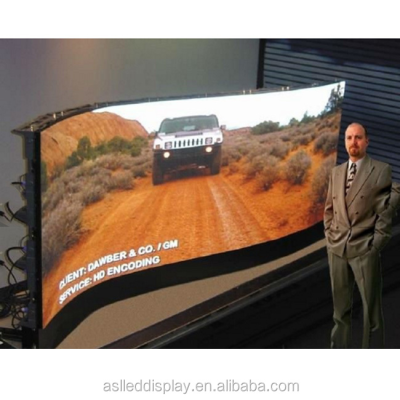
Sourcing ultra-wide stretched LCD displays requires a nuanced understanding of both the physical form factor and the specific electronic capabilities that define these specialized screens. These displays are engineered for environments where visual impact and continuous operation are paramount, such as digital signage in transit hubs, retail advertising, and large-scale projection mapping. Unlike standard rectangular monitors, these units feature an elongated aspect ratio that allows for panoramic content presentation, making them ideal for capturing attention in high-traffic areas. Buyers must recognize that this form factor introduces unique challenges in supply chain logistics, thermal management, and content creation, necessitating a procurement strategy that prioritizes technical verification and supplier reliability over simple price comparison.
The market for these displays is characterized by a wide variance in specifications, from basic indoor advertising panels to high-brightness outdoor units capable of withstanding environmental stressors. Procurement teams often encounter products labeled with varying model numbers, such as "Ultra Wide Stretch LCD Display" or specific model codes like "FT01713," which may correspond to different screen sizes or internal component configurations. It is critical to distinguish between the physical screen technology, typically IPS or LED-backlit LCD, and the installation method, which can range from wall-mounted single units to combined multi-screen arrays. Understanding these distinctions ensures that the selected hardware aligns with the intended application, whether it is for graphic design workstations, surveillance monitoring, or public information displays.
Product Scope and Observed Listing Signals
The observed product landscape for ultra-wide stretched LCDs reveals a diverse range of specifications that cater to different operational needs. Listings frequently highlight key attributes such as touch screen capabilities, which can be either capacitive or infrared, allowing for interactive experiences in retail or informational kiosks. The interface types are predominantly HDMI, ensuring compatibility with standard media players and computers, though some suppliers offer customized interface options to integrate with proprietary systems. Additionally, features such as remote control support and TV function compatibility are common, providing users with flexible control over display settings and content playback without the need for direct physical interaction with the hardware.
Another significant signal in the current market is the variation in screen sizes and resolutions, which directly impacts the visual clarity and installation requirements. Observed data indicates a range of screen sizes, from smaller units under 17 inches to larger displays exceeding 28 inches, with specific models like the 19.1-inch and 29-inch variants being prominent. The optimum resolution is often cited as 1920x1080 (Full HD), ensuring sharp image quality even on larger stretched formats. Buyers should also note the presence of different response times, ranging from 2ms to 8ms, which is a critical factor for applications involving fast-moving content or interactive touch interfaces. These signals help in narrowing down the search to products that meet the specific performance criteria of the intended deployment environment.
Technical Specifications to Verify
When evaluating technical specifications, the aspect ratio and physical dimensions are primary considerations for ensuring the display fits the intended space and content format. The standard aspect ratio for these stretched displays is often 16:9 or similar wide formats, but buyers must verify the exact active area and outline size to accommodate mounting structures and bezel requirements. For instance, specific models may have an active area of 705.6mm x 198.45mm with an outline size of 720.8mm x 226.25mm x 8.4mm, highlighting the importance of precise measurement in the design phase. Verifying these dimensions prevents costly installation errors and ensures that the visual content is displayed without unwanted cropping or distortion.
Brightness and contrast ratios are equally critical, especially for displays intended for outdoor or brightly lit indoor environments. Suppliers often specify brightness levels, such as 700 nits, which is suitable for indoor use but may require higher luminance for outdoor applications to combat glare. The contrast ratio, typically around 1200:1, affects the depth of blacks and the vibrancy of colors, influencing the overall visual appeal of the displayed content. Additionally, the color temperature, often set to warm white, should be considered in the context of the brand’s visual identity and the ambient lighting of the installation site. Buyers should request detailed photometric data to ensure the display meets the visibility requirements of the specific location.
Compliance and Safety Documentation
Compliance with international safety and environmental standards is non-negotiable for B2B procurement, particularly when deploying displays in public spaces or regulated industries. Certifications such as RoHS, CE, and CCC are commonly cited, indicating that the product meets specific requirements regarding hazardous substances and electromagnetic compatibility. Buyers must verify the validity and scope of these certifications, ensuring they cover the specific model and region of deployment. For example, CE certification is essential for market access in Europe, while CCC is required for sales in China. Relying on unverified or expired certifications can lead to legal liabilities and product recalls, making it imperative to request current certification documents from the supplier.
In addition to product-level certifications, the manufacturing process and packaging standards play a role in ensuring the product arrives in optimal condition. The use of wooden boxes or cargo boxes for packing is common, but buyers should inquire about the specific packaging materials, such as air bubble wrap or wool, to assess the level of protection during transit. Proper packaging is crucial for preventing damage to the fragile LCD panels, which can be susceptible to impact and pressure. Furthermore, understanding the origin of the product, often Shenzhen, China, can provide insights into the supply chain dynamics and potential logistical considerations. Buyers should ensure that the supplier has a robust quality control process in place to maintain consistency across batches.
Cost Drivers and Commercial Terms
The cost of ultra-wide stretched LCD displays is influenced by several factors, including screen size, resolution, touch capability, and brightness level. Larger screens with higher resolutions and specialized features like infrared touch or high-brightness panels command a premium price. The observed price range in the market varies significantly, reflecting the diversity in specifications and quality levels. Buyers should be aware that customization options, such as specific interface types or branding, can also impact the final cost. Understanding these cost drivers allows for more accurate budgeting and helps in evaluating the value proposition of different suppliers.
Commercial terms, including minimum order quantities (MOQ) and lead times, are critical components of the procurement strategy. MOQs can range from zero to 1000 units, depending on the supplier’s production capacity and inventory levels. For large-scale deployments, negotiating favorable MOQs and lead times can significantly impact project timelines and cash flow. Buyers should also consider the payment terms and warranty policies offered by the supplier, as these can affect the total cost of ownership. Clear communication regarding these terms during the initial negotiation phase helps in avoiding misunderstandings and ensures a smoother procurement process.
Supplier Qualification and Quality Control
Supplier qualification is a vital step in mitigating risks associated with sourcing specialized electronic components. Buyers should assess the supplier’s manufacturing capabilities, quality control processes, and after-sales support services. A reputable supplier will have a transparent production process, allowing for factory audits or virtual inspections to verify their operational standards. Additionally, the supplier’s ability to provide technical support and spare parts is crucial for maintaining the displays over their lifecycle. Buyers should prioritize suppliers who demonstrate a commitment to quality and customer satisfaction, as this reduces the risk of defects and service disruptions.
Quality control measures should be integrated into the procurement process to ensure that the delivered products meet the specified standards. This includes implementing incoming quality inspections to verify the physical condition and functionality of the displays upon receipt. Buyers should also establish clear acceptance criteria based on the technical specifications and compliance documentation provided by the supplier. Regular communication with the supplier regarding any issues or discrepancies helps in maintaining a collaborative relationship and ensures that problems are addressed promptly. By investing time in supplier qualification and quality control, buyers can enhance the reliability and performance of their ultra-wide stretched LCD display installations.
Long-Term Procurement Checks
Long-term procurement success depends on establishing a sustainable relationship with suppliers and continuously monitoring performance metrics. Buyers should conduct regular reviews of supplier performance, including delivery times, product quality, and responsiveness to issues. This ongoing evaluation helps in identifying potential risks and opportunities for improvement, allowing for proactive management of the supply chain. Additionally, staying informed about technological advancements in LCD display technology ensures that the procurement strategy remains aligned with industry trends and customer expectations. Buyers should engage in continuous dialogue with suppliers to explore new products and innovations that can enhance their offerings.
Furthermore, buyers should consider the lifecycle management of the displays, including maintenance, upgrades, and eventual replacement. Establishing a clear plan for these activities helps in minimizing downtime and maximizing the return on investment. Buyers should also monitor market trends and pricing fluctuations to make informed decisions about future purchases. By adopting a strategic approach to long-term procurement, buyers can build a resilient supply chain that supports their business objectives and adapts to changing market conditions. This proactive stance ensures that the ultra-wide stretched LCD displays continue to deliver value and performance over their operational lifespan.
FAQs
What is the optimum resolution for these displays?
The optimum resolution is 1920 pixels wide with varying response times. Some models feature a 6ms response time while others offer 2ms or 8ms speeds depending on the specific configuration and application needs.
Can these screens be customized for specific projects?
Yes, customization is available for these ultra-wide stretched LCD displays. Buyers can request tailored specifications to meet unique project requirements, ensuring the product fits specific installation or functional needs.
Which interface types are supported by these units?
The supported interface type is HDMI for connectivity. Some models also offer customized interface options to ensure compatibility with various external devices and control systems used in advertising or surveillance applications.
How are these displays typically installed?
These displays are designed for wall-mounted installation. They can also be configured for combined installation methods, providing flexibility for different indoor or outdoor setups in advertising and big-screen projects.
What certifications do these products hold?
The products hold RoHS, CE, and CCC certifications. These standards ensure compliance with safety and environmental regulations, making them suitable for international markets and various commercial applications.
What is the typical packing method for shipping?
Packing methods include wooden boxes, cargo boxes, or air bubble protection with outer cartons. Some options also support wool packing with cartons to ensure safe transport of the delicate display units.