Source Ultra Thin Magnetic Phone Case for Daily Use
Explore 30 options for the Ultra Thin Magnetic Phone Case, featuring TPU materials and shock-absorbent designs. Compare models compatible with iPhone, Samsung, and other brands to find the right fit for your sourcing needs; compare the available evidence and request quotations based on your requirements.
Key considerations
Products List


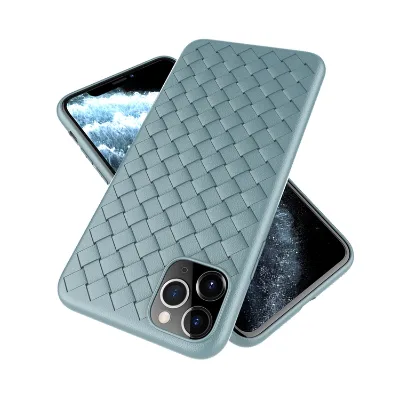


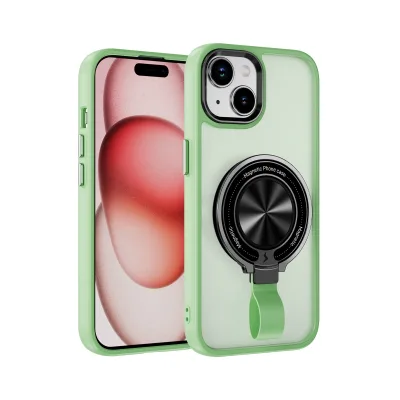
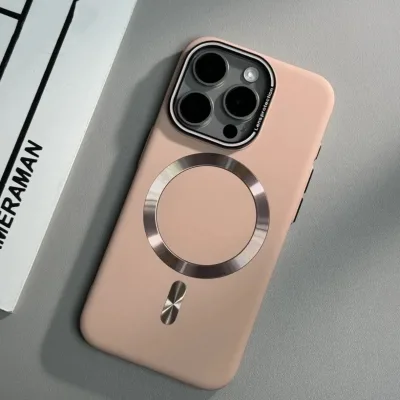


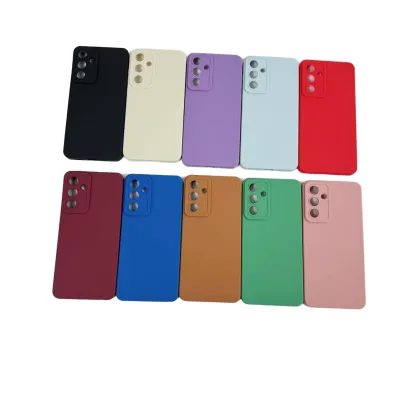


Comprehensive Sourcing Guide
Ultra Thin Magnetic Phone Case Sourcing Guide
Buyers seeking ultra-thin magnetic phone cases must first distinguish between general slim profiles and those engineered for specific magnetic ecosystems. The observed market data indicates a strong prevalence of TPU materials, which offer the necessary flexibility to maintain a low profile while providing shock absorption. This material choice is critical for achieving the "soft" or "medium soft" hardness levels observed in listings, ensuring the case does not add bulk that interferes with wireless charging or magnetic attachment mechanisms.
Procurement teams should also scrutinize the magnetic integration method, as listings vary between integrated magnetic rings and full-inclusive magnetic designs. The presence of "Magsafe" or "Magnetic" features in product attributes suggests compatibility with modern mounting systems, yet the physical implementation differs significantly between suppliers. Verifying whether the magnetic component is a separate ring or embedded directly into the TPU structure is essential for ensuring the case remains truly ultra-thin without compromising the magnetic field strength required for secure attachment.
Product Scope and Observed Listing Signals
The current market for these accessories reveals a diverse range of compatible brands, extending from major players like iPhone and Samsung to Xiaomi, VIVO, OPPO, and Huawei. This broad compatibility suggests that many suppliers utilize universal molds or adjustable internal dimensions to serve multiple device ecosystems simultaneously. Buyers must carefully cross-reference the specific model numbers listed, such as TZ-TP1036 or DZ629CC, against their target device SKUs to avoid ordering cases that fit the brand but not the specific phone generation.
Style and functional attributes also vary widely, with options ranging from "Simplicity" and "Leisure" to "Glamorous" finishes, alongside functional claims like waterproofing and anti-slip properties. While some listings explicitly mention a "Car Holder" or "Camera Holder" feature, others specify "Without Car Holder," indicating that these are often modular add-ons rather than standard inclusions. Procurement strategies should account for these variations by confirming whether the magnetic ring is a standalone accessory or an integrated part of the case design to prevent confusion during the final assembly or retail packaging phase.
Technical Specifications to Verify
Material composition is the primary technical differentiator, with TPU being the dominant standard observed in the supply chain. Buyers should verify if the TPU is 100% eco-friendly, as this is a specific attribute noted in several high-confidence listings, which can be a significant selling point for environmentally conscious markets. Additionally, the hardness rating, described as either "Soft" or "Medium Soft," directly impacts the tactile feel and the degree of protection offered against drops, requiring precise specification alignment with the intended market segment.
Dimensional standards and packaging requirements are equally critical for logistics planning. While some specifications list a standard size of 1507810mm, others provide single package dimensions like 22X15X4 cm, highlighting the need to confirm whether these figures refer to the product itself or the retail unit. The packaging type, ranging from simple PP bags to OEM packages, influences the final presentation and cost structure. Ensuring the magnetic ring holder type matches the intended mounting system is vital, as the physical geometry of the ring affects the overall thickness and magnetic alignment.
Compliance and Safety Documentation
Regulatory compliance is a non-negotiable aspect of sourcing, with RoHS certification appearing as a verified standard in the available product data. This certification ensures that the materials used, particularly the TPU and any metallic components within the magnetic ring, are free from restricted hazardous substances. Buyers must request current test reports to confirm that the specific batch of products adheres to these standards, as compliance is often batch-specific and cannot be assumed based on general supplier claims alone.
Safety documentation should also address the durability of the magnetic attachment and the structural integrity of the case under stress. While "Shock Absorbent" and "Drop Proof" are listed as functional attributes, these claims require validation through standardized drop tests to ensure they meet the expectations of the target market. Procurement teams should verify that the supplier has a documented quality control process for testing these specific functions, ensuring that the case provides genuine protection without the magnetic components detaching or the material degrading prematurely.
Cost Drivers and Commercial Terms
The observed price range of 0.18 to 6.99 USD indicates a highly competitive market with significant variance based on feature complexity and material quality. The lower end of the spectrum likely corresponds to basic TPU cases with simple magnetic rings, while the higher prices may reflect advanced features like waterproofing, privacy filters, or customized packaging. Buyers should analyze the cost structure to understand if the price difference is driven by material upgrades, such as eco-friendly TPU, or by the inclusion of additional accessories like car holders.
Minimum Order Quantity (MOQ) flexibility is another key commercial factor, with observed ranges spanning from 1 to 2000 units. Some suppliers offer low MOQs of 10 pieces, which is advantageous for testing new designs or fulfilling small retail orders, while others may require larger volumes to achieve the lower price points. Negotiating terms around packaging customization, such as moving from standard PP bags to OEM packaging, can also impact the final landed cost and should be factored into the total cost of ownership calculations before finalizing the purchase order.
Supplier Qualification and Quality Control
Supplier qualification should begin with verifying the place of origin, as the data points to Guangdong, China, as a primary manufacturing hub for these products. This region is known for its mature supply chain for mobile accessories, but buyers must still conduct due diligence on the specific factory's capacity and history. Checking for a "High-Quality" designation in supplier profiles is a good starting point, but it should be supplemented by requests for production capacity data and past performance records with similar clients.
Quality control protocols must be explicitly defined to ensure consistency across large orders. Since attributes like "Anti-Slip" and "Dirt-resistant" are claimed, the supplier must demonstrate how these properties are maintained during mass production. Buyers should require a pre-shipment inspection plan that specifically tests the magnetic strength, the fitment for the various compatible brands, and the durability of the TPU material. Establishing a clear acceptance criteria for defects, such as misaligned magnetic rings or packaging errors, is essential for maintaining brand reputation.
Long-Term Procurement Checks
Sustaining a successful supply relationship requires regular audits of the supplier's ability to maintain consistent product specifications over time. As the market evolves, the demand for new magnetic standards or updated device compatibility may arise, necessitating the supplier's agility in updating their molds and production lines. Buyers should establish a schedule for periodic reviews of the product's performance in the field, specifically monitoring for issues like magnetic degradation or material yellowing that could affect long-term customer satisfaction.
Strategic planning for future orders should also consider the scalability of the packaging and customization options. The ability to customize the package and the product model number suggests a flexible supply chain, but this flexibility must be maintained as order volumes grow. Procurement teams should develop a contingency plan for supply chain disruptions, ensuring that alternative suppliers or backup inventory levels are available to meet demand without compromising the specific technical requirements of the ultra-thin magnetic phone case.
FAQs
Can I customize the packaging for ultra thin magnetic phone cases?
Yes, packaging customization is available for these products. Buyers can select from standard PP bags or request OEM packaging solutions to match their brand identity. This flexibility supports private labeling efforts and ensures the final product presentation aligns with specific retail or corporate gifting requirements without compromising the protective integrity of the TPU material.
What certifications do these magnetic phone cases hold?
These ultra thin magnetic phone cases hold RoHS certification, ensuring they meet strict environmental and safety standards. This certification confirms the materials used are free from hazardous substances, making them suitable for global markets with rigorous regulatory requirements. Buyers can rely on this compliance for smoother customs clearance and consumer trust in product safety.
Which brands are compatible with these magnetic phone cases?
These cases are compatible with major brands including iPhone, Samsung, Xiaomi, VIVO, OPPO, and Huawei. The design supports various device models, ensuring broad applicability for retailers stocking diverse inventory. The magnetic feature, often aligned with MagSafe standards, provides secure attachment for accessories while maintaining a slim profile that does not add unnecessary bulk to the device.
What is the minimum order quantity for these cases?
The minimum order quantity starts at 1 piece, allowing for low-risk sampling and small batch testing. This low MOQ facilitates easy entry for new buyers or those testing market demand before committing to larger volumes. It supports flexible sourcing strategies, enabling businesses to adjust inventory levels quickly based on sales performance without significant upfront capital investment.
What materials are used in these ultra thin magnetic phone cases?
These cases are crafted from 100% eco-friendly TPU material, offering a soft and flexible feel. TPU provides excellent shock absorption and anti-slip properties, protecting devices from drops and scratches. The material ensures durability while maintaining a slim profile, making it ideal for users who prioritize both protection and aesthetics in their mobile accessories.
Are these phone cases waterproof and shock absorbent?
Yes, these cases feature waterproof and shock absorbent functions to protect devices from water exposure and impacts. The design includes anti-slip properties to prevent accidental drops, while the durable TPU construction absorbs energy from falls. These features ensure comprehensive protection for smartphones, making them suitable for active users or harsh environmental conditions.