Source Ultrasonic Essential Oil Humidifier with Night Light for Hotel, Home, Office
Find 30 Ultrasonic Essential Oil Humidifier with Night Light units featuring 5W power and capacities from 120ml to 200ml. Compare options with mist discharge, LED lighting, and USB power sources for various applications.
Key considerations
Products List
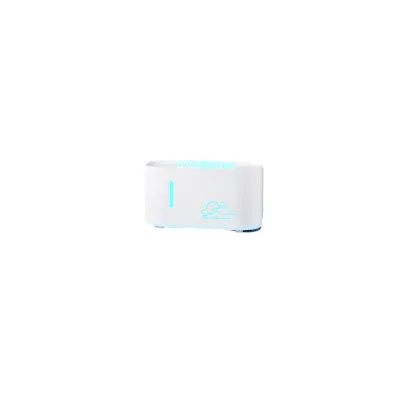
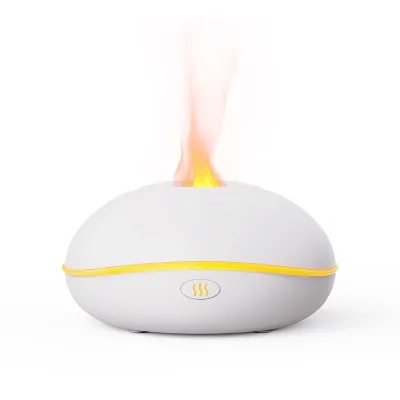


Home 7-Color Night Light Humidifier USB Car Ultrasonic Essential Oil Humidifier
$2.57 - $2.91
MOQ: 1200 Pieces


Ultrasonic Flame Effect Air Humidifier Light Wireless Night Lamp Essential Oil Aromatherapy
$2.00 - $2.24
MOQ: 500 Pieces

Ultrasonic Aroma Portable Diffuser - USB Powered Essential Oil Humidifier Diffuser
$14.33 - $16.01
MOQ: 80 Pieces
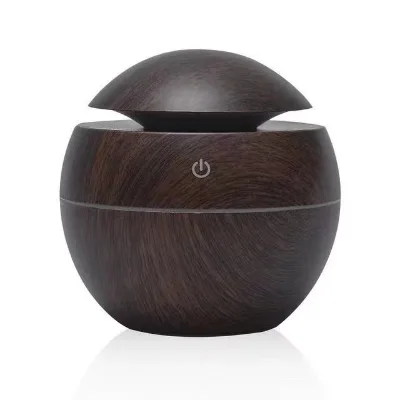


Large Capacity Essential Oil Diffuser USB Ultrasonic Dual Air Humidifier with Lights
$10.29 - $10.91
MOQ: 50 Pieces

Ultrasonic Air Humidifier USB Portable Water Bottle Humidifier with Night Light
$6.74 - $7.34
MOQ: 100 Pieces


Portable Small Ultrasonic Cool Mist Humidifierair Humidifier with Night Light
$3.59 - $3.89
MOQ: 200 Pieces


Nromantic Night Light Mini Ultrasonic Cooling Mist Sprayer Air Humidifier
$8.19 - $8.81
MOQ: 100 Pieces
Comprehensive Sourcing Guide
Strategic Sourcing Guide for Ultrasonic Essential Oil Humidifiers with Night Light
Understanding Core Technical Specifications and Performance Metrics
When sourcing an ultrasonic essential oil humidifier with a night light, buyers must first establish a clear understanding of the fundamental technical parameters that define product functionality and suitability for their specific market. The core mechanism relies on ultrasonic vibration to create a fine mist, a process that typically operates at low power levels to ensure energy efficiency and safety. Based on observed market data, the standard power consumption for these units frequently centers around 5 watts, with a voltage requirement of 5V, often facilitated through USB connectivity. This low-voltage operation makes the devices highly compatible with portable power banks, laptop ports, and standard USB adapters, enhancing their versatility for travel or office environments.
The physical construction of these units is predominantly plastic, utilizing materials such as ABS and PP to ensure durability while maintaining a lightweight profile. The capacity of the water tank is a critical differentiator, with observed models ranging from compact 120ml units to larger 200ml and sub-500ml variants. Buyers should verify the specific capacity against their intended usage duration; smaller tanks require more frequent refilling but offer greater portability, while larger tanks support extended operation in stationary settings like bedrooms or offices. The noise level is another paramount specification, with high-performance units operating at approximately 35dB to 36dB, ensuring that the humidification process does not disrupt sleep or concentration.
The integration of a night light is a standard feature, often utilizing LED technology to provide ambient illumination. This feature is frequently paired with aromatherapy functions, allowing the device to serve a dual purpose of air humidification and scent diffusion. The mist discharge method is typically ultrasonic, which preserves the integrity of essential oils by not heating the water. Buyers must also note the control mechanisms, which vary between touch control and mechanical switches. While some models offer app-controlled functionality, the majority of observed units rely on direct physical interaction, which can be a reliability advantage in environments where Wi-Fi connectivity is inconsistent.
Compliance, Certification, and Regulatory Standards
Navigating the regulatory landscape is essential for importing these devices, particularly when targeting markets in North America, Europe, and Asia. The electrical nature of the product necessitates compliance with specific safety and environmental standards. Observed product listings frequently cite certifications such as ISO, CE, and RoHS. These certifications indicate adherence to international quality management systems, European safety directives, and restrictions on hazardous substances, respectively. However, buyers must treat these as observations of specific supplier claims rather than universal guarantees for all listed products.
The "Made in China" origin is common for these devices, with production hubs located in provinces such as Zhejiang and Guangdong. While these regions have established manufacturing ecosystems, the specific certifications held by a supplier can vary significantly. Buyers should request valid, up-to-date certification documents for the specific model they intend to purchase. For instance, the CE mark is mandatory for selling in the European Economic Area, while RoHS compliance is critical for restricting lead, mercury, and other toxic materials. In the United States, while specific federal certifications may not always be labeled on the product itself, compliance with UL standards or FCC regulations for electromagnetic interference is often required for electrical devices.
It is crucial to verify the "prod_standard" or weight specifications, which may appear as 2kg in some contexts, though this likely refers to packaging weight rather than the device itself. The single gross weight of observed units is approximately 1.5kg, which influences shipping costs and logistics planning. Buyers should ensure that the supplier provides a Declaration of Conformity (DoC) that explicitly lists the model numbers covered under the certification. Relying on generic certification claims without verifying the specific model number can lead to customs delays or product seizures at the destination port.
Cost Drivers and Pricing Structure Analysis
The pricing of ultrasonic essential oil humidifiers is influenced by a complex interplay of factors, including material quality, capacity, feature set, and customization requirements. The observed price range in the market spans from $0.90 to $16.50 USD, a wide variance that reflects differences in build quality and feature complexity. The lower end of this spectrum typically corresponds to basic models with minimal features, such as a single color LED light and a mechanical switch, constructed from standard ABS plastic. Conversely, the higher price points often include advanced features like touch controls, multiple lighting modes, larger water capacities, and premium packaging.
Customization is a significant cost driver. Options such as adding a customer logo, selecting specific colors (e.g., black, white, or volcanic), and customizing packaging (e.g., color boxes versus corrugated boxes) will increase the unit cost. The Minimum Order Quantity (MOQ) also plays a pivotal role in pricing, with observed ranges extending from 1 unit to 2,000 units. Buyers purchasing at the lower end of the MOQ spectrum will generally face a higher per-unit cost, while bulk orders can leverage economies of scale to reduce the price significantly.
Lead times and shipping logistics further impact the total cost of ownership. Products originating from different regions within China, such as Zhejiang versus Guangdong, may have different shipping profiles and lead times. The single package size of 60x40x50 cm suggests that these items are often shipped in bulk cartons rather than individually, which affects freight calculations. Buyers should factor in the cost of the "selling unit" configuration, which is often a single item, against the cost of bulk packaging for retail distribution. Understanding these variables allows for more accurate budgeting and prevents unexpected cost overruns during the procurement process.
Typical Applications and Market Segmentation
The versatility of ultrasonic essential oil humidifiers with night lights makes them suitable for a diverse range of applications. Observed usage scenarios include hotels, households, offices, hospitals, garages, RVs, and outdoor settings. In the hospitality sector, these devices are valued for their ability to enhance guest comfort through aromatherapy and ambient lighting, often serving as a premium amenity in hotel rooms. The compact size and USB power capability make them ideal for travel and RV use, where space and power sources are limited.
In residential settings, the device serves as a functional addition to bedrooms and living areas, providing moisture to the air during dry seasons and creating a relaxing atmosphere with the night light. The low noise level is particularly beneficial for bedrooms, ensuring that the humidifier does not interfere with sleep. In commercial environments such as offices and hospitals, the humidification function helps maintain optimal humidity levels, which can reduce the spread of airborne pathogens and alleviate dry skin or respiratory issues. The "Public" usage classification indicates suitability for shared spaces where hygiene and air quality are priorities.
The "Style" of these products is often described as "Popular" or "Tabletop/Portable," indicating a design that fits seamlessly into modern interiors. The ability to customize the color and logo allows brands to align the product with their specific aesthetic and branding strategies. Whether for a boutique hotel chain or a home wellness brand, the application scope is broad, requiring buyers to select models that match the specific environmental and functional needs of their target customer base.
Supplier Evaluation and Quality Control Protocols
Selecting the right supplier requires a rigorous evaluation process that goes beyond simple price comparisons. Buyers should prioritize suppliers who demonstrate transparency in their manufacturing processes and provide clear documentation of their quality control measures. The presence of certifications like ISO, CE, and RoHS is a positive indicator, but buyers must verify that these certifications are current and applicable to the specific product model. It is also essential to assess the supplier's capacity to handle customization requests, such as logo printing and color variations, without compromising the structural integrity of the product.
Quality control should be a continuous process, starting from the raw material inspection to the final packaging. Given that the material is primarily plastic (ABS/PP), buyers should verify that the materials are free from defects and meet the required durability standards. The "Dry-run Protection" feature, observed in some models, is a critical safety mechanism that prevents the device from operating when the water tank is empty, thereby extending the product's lifespan and preventing electrical hazards. Buyers should request test reports or videos demonstrating this feature in action.
Noise levels and mist output consistency are other key quality metrics. While the observed noise level is around 35dB, buyers should conduct their own sampling to ensure that the units meet their specific noise tolerance requirements. Additionally, the consistency of the LED lighting and the ease of the control interface (touch vs. mechanical) should be tested. For bulk orders, implementing a third-party inspection service before shipment can help identify any manufacturing defects or packaging issues, ensuring that the delivered goods meet the agreed-upon specifications.
Long-Term Procurement Considerations and Sustainability
Long-term procurement success depends on building a sustainable supply chain that can adapt to changing market demands and regulatory landscapes. Buyers should consider the environmental impact of their products, particularly regarding the materials used and the packaging. The use of corrugated boxes and color boxes is common, but buyers can explore options for eco-friendly packaging to align with growing consumer demand for sustainable products. The "Eco-Friendly" feature observed in some listings suggests that manufacturers are increasingly focusing on environmentally conscious production methods.
Scalability is another critical factor. As demand grows, buyers need suppliers who can maintain consistent quality and delivery times while increasing production volumes. The observed MOQ range of 1 to 2,000 units offers flexibility for startups and established businesses alike, but buyers should negotiate terms that allow for scaling up without significant price penalties. The availability of spare parts and the longevity of the product design are also important considerations for after-sales support and customer satisfaction.
Finally, buyers should stay informed about evolving regulations and consumer preferences. The integration of smart features, such as app control, may become more prevalent in the future, and suppliers who are innovative in this area could offer a competitive advantage. By maintaining a proactive approach to supplier relationships and continuously evaluating product performance, buyers can ensure a steady supply of high-quality ultrasonic essential oil humidifiers that meet the needs of their customers.
Comparative Analysis of Product Variants
To assist buyers in making informed decisions, the following table compares key attributes of typical product variants observed in the market. This comparison highlights the differences in capacity, control mechanisms, and features that influence the final selection.
| Attribute | Variant A (Compact) | Variant B (Standard) | Variant C (Premium) |
|---|---|---|---|
| Capacity | 120ml | 200ml | <500ml |
| Power Source | USB (5V) | USB (5V) | USB (5V) |
| Power Consumption | 5W | 5W | 5W |
| Control Type | Mechanical | Touch Control | Touch Control |
| Lighting | LED Night Light | LED Night Light | Multi-color LED |
| Noise Level | ~35dB | <36dB | ~35dB |
| Material | ABS/PP | ABS/PP | ABS/PP |
| Customization | Logo Available | Logo Available | Logo + Color |
| Packaging | Corrugated Box | Color Box | Color Box |
| Safety Feature | Dry-run Protection | Dry-run Protection | Dry-run Protection |
This table illustrates that while the core technology remains consistent across variants, the differences in capacity, control interface, and packaging options allow buyers to tailor their procurement strategy to specific market segments. By carefully analyzing these attributes, buyers can select the most appropriate product configuration to meet their business objectives.
FAQs
What power source and voltage do these humidifiers use?
These units operate on a 5V electric power source, typically via USB connectivity. This low-voltage design allows compatibility with power banks and laptop ports, making them suitable for portable use in cars, RVs, and offices without needing standard wall outlets.
How much water capacity do the available models hold?
Observed models feature water tank capacities ranging from 120ml to 200ml, with some variants supporting up to 500ml. Smaller tanks offer greater portability for travel, while larger capacities support extended operation in stationary settings like bedrooms or hotel rooms.
Which certifications are commonly found on these devices?
Some listed products carry ISO, CE, and RoHS certifications indicating compliance with international quality and safety standards. Buyers should verify these documents for specific model numbers, as certifications may vary by supplier and are not guaranteed for every unit in the market.
Can buyers customize the logo and color of the product?
Yes, customization is available for customer logos and colors such as black, white, or volcanic. This feature allows brands to align the product with their specific aesthetic strategies, though it may influence the unit cost and minimum order quantity requirements.
What is the typical noise level during operation?
High-performance units operate at approximately 35dB to 36dB, ensuring the humidification process does not disrupt sleep or concentration. This low noise level makes the devices suitable for use in bedrooms, offices, and hospitals where quiet environments are prioritized.
Where are these humidifiers typically manufactured?
Production origins are primarily located in Zhejiang and Guangdong provinces in China. These regions have established manufacturing ecosystems, but buyers should verify specific supplier locations and lead times as shipping profiles may vary between different production hubs.
What materials are used to construct the humidifier body?
The devices are predominantly constructed from durable plastic materials, specifically ABS and PP. These materials ensure a lightweight profile while maintaining structural integrity, which is essential for portable units used in various environments like garages, outdoor spaces, and households.