Source Ultrasonic Endo Activator with 60 Flexible Tips for clinics
Compare 30 listings of Ultrasonic Endo Activator with 60 Flexible Tips from verified suppliers. Evaluate models by power source, voltage, and certifications like CE and ISO for dental department use.
Key considerations
Products List
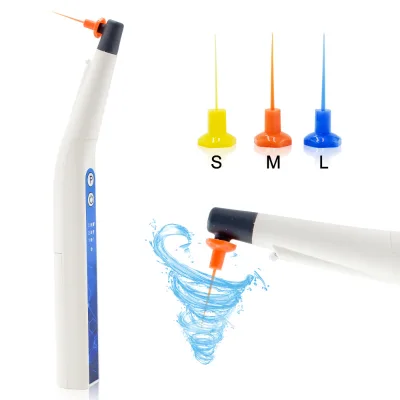
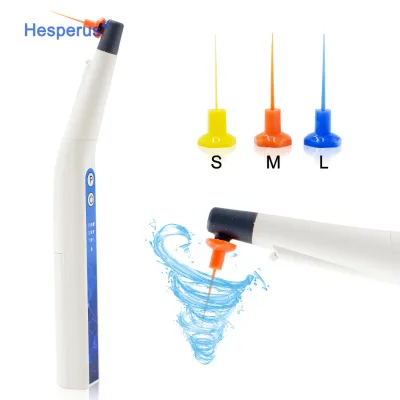


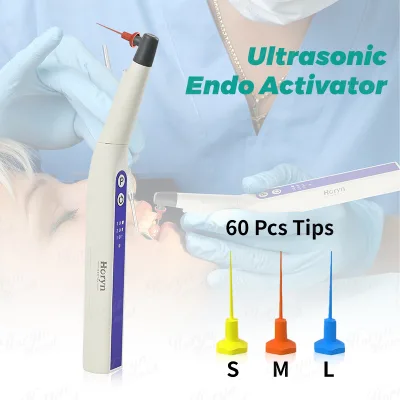
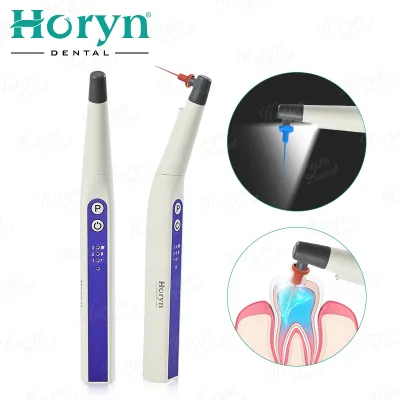
Wireless LED Dental Ultrasonicr Root Canal Endo Ultra Activator with 3 Tips
$600.00 - $680.00
MOQ: 1 Pieces


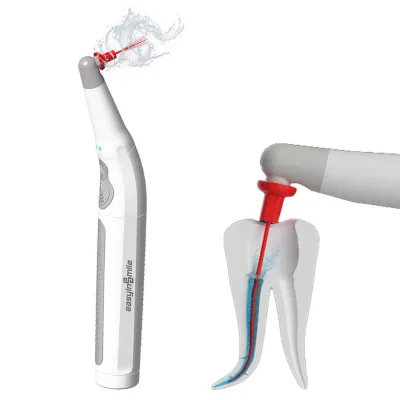
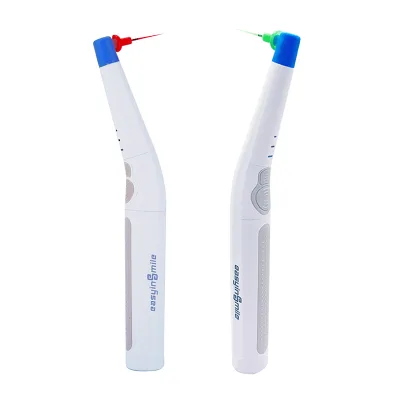
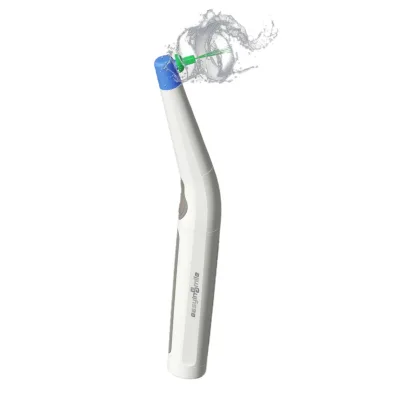
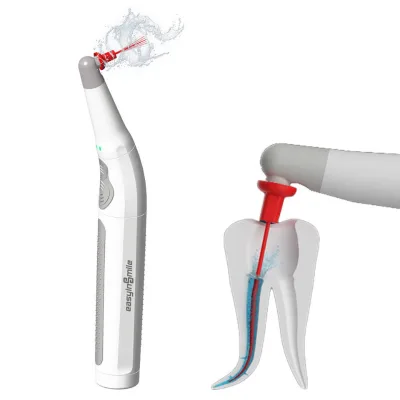
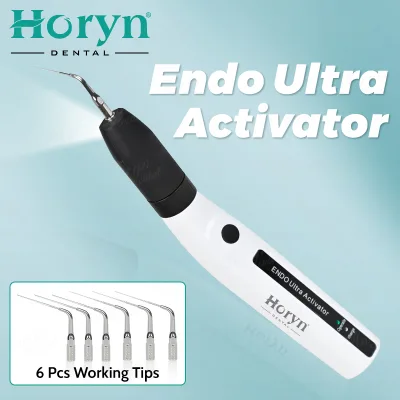
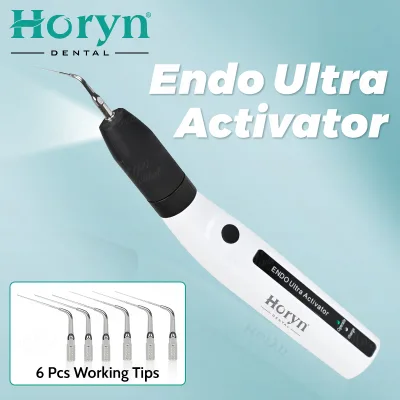


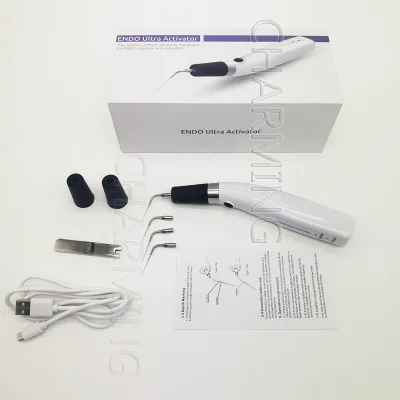
Ultrasonic Wireless Equipment Root Cannal Cleaning Dental Endo Activator with Tips
$45.00 - $65.00
MOQ: 50 Pieces

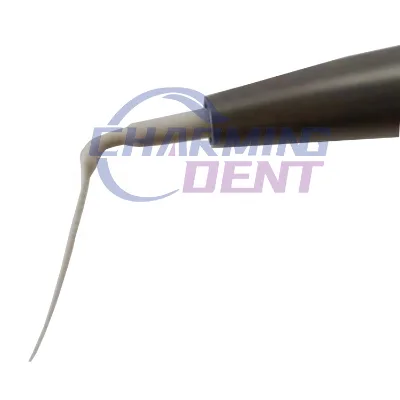
New 120 Tips Dental Endo Ultrasonic Activator for Using in Endodontic Treatment
$35.00 - $45.00
MOQ: 50 Pieces

Comprehensive Sourcing Guide
Strategic Sourcing Guide for Ultrasonic Endo Activators with Flexible Tip Sets
The global dental equipment market continues to evolve with a specific focus on endodontic efficiency and patient comfort. For procurement professionals seeking an ultrasonic endo activator equipped with a set of 60 flexible tips, the sourcing landscape requires a rigorous approach to technical verification and supplier reliability. The core product in this category is a specialized instrument designed to enhance the cleaning and shaping of root canals through ultrasonic vibration. Unlike standard hand files, these activators utilize high-frequency sound waves to agitate irrigants, improving debris removal from complex canal geometries. The inclusion of a 60-piece flexible tip set is a critical specification, as it allows practitioners to address varying canal curvatures and sizes without changing the primary handpiece, thereby streamlining clinical workflows.
Technical Specifications and Operational Parameters
When evaluating potential inventory for ultrasonic endo activators, buyers must scrutinize the operational parameters to ensure compatibility with existing dental chair units and clinical requirements. The power source for these devices varies significantly across listings, with some units operating on turbine-driven mechanisms while others rely on electric power supplies ranging from DC 1.5V to 110V/220V. This discrepancy necessitates a clear definition of the target market's electrical infrastructure before placing orders. For portable or battery-operated models, the power supply is often specified as DC 1.0V to 1.5V, utilizing AA batteries that are removable for easy replacement. In contrast, chair-side units typically require a stable voltage input, often supporting 110V or 220V standards.
The physical dimensions and weight of the device are equally important for ergonomics and storage. Observed specifications indicate a single package size of approximately 20x10x8 cm or 8x10x21 cm, with a gross weight hovering around 0.5 kg. This lightweight profile is essential for reducing hand fatigue during prolonged procedures. The device itself is constructed primarily from plastic, a material choice that balances durability with cost-effectiveness. However, buyers should verify the specific grade of plastic used, as it must withstand repeated sterilization cycles. The device is designed for non-disposable usage, implying a long service life provided that maintenance protocols are followed.
A critical technical feature is the working frequency, which for ultrasonic activators is typically around 45 kHz. This frequency range is optimal for activating irrigants without damaging the surrounding dentin structure. The device must also operate within specific environmental constraints. The atmospheric pressure range is observed between 70 kPa and 106 kPa, and the relative humidity should be maintained between 10% and 75%. The ambient temperature requirement is generally standard, but the device must function reliably within the typical range of a dental clinic. Furthermore, the device is often rated as waterproof, a crucial feature for instruments that are frequently exposed to fluids and cleaning agents during sterilization.
Compliance, Certification, and Safety Standards
Navigating the regulatory landscape is a fundamental step in B2B procurement of medical devices. The ultrasonic endo activator falls under the classification of a Class II instrument, which mandates a higher level of regulatory oversight compared to general medical supplies. This classification requires that the product meets specific safety and performance standards before it can be marketed in major jurisdictions. The presence of CE certification is a primary indicator of compliance with European Union health, safety, and environmental protection standards. Buyers must verify that the CE marking is current and corresponds to the specific model number being sourced.
In addition to CE, other quality certifications such as ISO are frequently cited for these devices. ISO certification indicates that the manufacturer adheres to international standards for quality management systems. However, the specific ISO standard (e.g., ISO 13485 for medical devices) should be confirmed in the supplier's documentation. Safety standards are also a critical area of focus. Some listings reference EN 149-2001+A1-2009, which is a standard typically associated with respiratory protection. While this specific standard may not apply directly to an endo activator, its presence in product data suggests a rigorous approach to safety documentation. Buyers should request the specific safety standard applicable to the ultrasonic device itself, ensuring it aligns with local regulations in the destination market.
The product's nature is defined as specialized instrument equipment, often intended for use in the Dental Department. The application scope includes both child and adult patients, requiring the device to be versatile enough for different anatomical sizes. The device is supplied as a new item, and the condition must be verified upon receipt. The warranty period is typically one year, offering a baseline of protection for the buyer. However, the warranty terms should be clearly defined regarding what constitutes a defect versus normal wear and tear.
Cost Drivers and Pricing Structures
The pricing for ultrasonic endo activators with 60 flexible tips is influenced by several factors, including the power source, certification status, and the complexity of the included accessories. The observed price range in the market spans from 1.08 USD to 680 USD. This vast disparity indicates a wide variety of product tiers, from basic models to advanced, feature-rich units. The lower end of the spectrum likely represents simpler, battery-operated devices with minimal accessories, while the higher end may include chair-side units with advanced frequency control and comprehensive warranty packages.
The Minimum Order Quantity (MOQ) is another significant cost driver, with observed ranges from 1 to 50 units. Buyers purchasing for a single clinic may find an MOQ of 1 acceptable, allowing for a low-risk trial. However, distributors or large chains may negotiate lower unit costs by ordering in bulk, adhering to an MOQ closer to 50. The selling unit is typically listed as a single item, which simplifies the ordering process but may not be cost-effective for large-scale procurement without volume discounts.
Accessories play a pivotal role in the total cost of ownership. The inclusion of 60 needle tips is a standard feature for this category, but the quality and material of these tips can vary. Some listings specify the needle count as 60 PCS, while others may include additional components like specific adapters or charging cables. The packaging is generally standard exported cartons, which must be robust enough to prevent damage during international shipping. The single gross weight of 0.500 kg per unit affects shipping costs, particularly for air freight, making the weight-to-value ratio a key consideration for budget-conscious buyers.
Typical Applications and Clinical Utility
The primary application of the ultrasonic endo activator is within the Dental Department, specifically for endodontic procedures. The device is designed to work in conjunction with taper files, which are often specified with dimensions such as 21mm or 19mm tapered rods. The flexibility of the 60 tips included in the set allows for the adaptation to various canal curvatures, ensuring that the ultrasonic energy is effectively transmitted to the irrigant solution. This agitation helps to remove debris and smear layer from the root canal system, which is critical for the success of the treatment.
The device is non-disposable, meaning it is intended for repeated use over a period of time. The working hours for battery-operated models are reported to be over 4.5 hours of continuous operation, which is sufficient for a full day of clinical procedures without frequent recharging or battery replacement. The shelf life of the device is typically one year, though some variations may list a six-month shelf life, likely referring to the consumable tips or specific components rather than the main unit. Buyers should clarify this distinction to ensure proper inventory management.
The device is suitable for a wide range of patients, including children and adults, due to its adjustable power settings and the availability of various tip sizes. The waterproof feature ensures that the device can be easily cleaned and sterilized between patients, maintaining high hygiene standards. The nature of the equipment as specialized instrument equipment underscores its role in enhancing the precision and efficiency of endodontic treatments.
Supplier Evaluation and Quality Control
Selecting the right supplier is paramount when sourcing medical devices. The place of origin for many of these products is Guangdong, China, a region known for its manufacturing capabilities in medical equipment. However, the origin alone does not guarantee quality. Buyers must evaluate the supplier's track record, focusing on their ability to provide consistent product quality and reliable after-sales support. Online technical support is a commonly offered service, which can be invaluable for troubleshooting device issues or training clinical staff.
Quality control measures should be a central part of the procurement process. Buyers should request documentation that verifies the product's compliance with the stated standards and certifications. The condition of the product must be new, and any signs of wear or damage upon receipt should be immediately reported. The customization availability mentioned in some listings suggests that suppliers may offer tailored solutions, such as specific branding or packaging, which can be a differentiator in the market.
The warranty period of one year is a standard expectation, but the terms of the warranty should be clearly understood. This includes coverage for defects in materials and workmanship, as well as the process for claiming repairs or replacements. The after-sale service should also include the availability of spare parts, such as replacement tips or batteries, to ensure the longevity of the investment.
Long-Term Procurement Considerations
Sourcing ultrasonic endo activators is not just a one-time transaction but a long-term relationship that impacts clinical outcomes. The shelf life of the device and its components must be managed carefully to prevent the use of expired or degraded products. The 1-year shelf life for the device and the 6-month shelf life for certain components require a robust inventory rotation system. Buyers should implement a first-in, first-out (FIFO) strategy to ensure that older stock is used before newer stock.
The power source compatibility is a long-term consideration as well. As dental clinics upgrade their electrical infrastructure or switch to portable battery-operated systems, the flexibility of the device to operate on different power sources becomes a valuable asset. The ability to use AA batteries or connect to standard mains power ensures that the device remains useful regardless of the clinic's specific setup.
Finally, the evolution of dental technology means that the device should be compatible with future accessories and updates. The availability of 60 flexible tips is a current standard, but buyers should inquire about the availability of newer tip designs or materials that may offer improved performance. By focusing on these long-term factors, buyers can ensure that their investment in ultrasonic endo activators remains relevant and effective for years to come.
FAQs
What power sources are available for ultrasonic endo activators?
These devices operate on turbine, electric, or battery power sources. Some models use DC 1.0V to 1.5V with removable AA batteries, while others support 110V or 220V mains voltage for chair-side use.
Which certifications do these dental instruments typically hold?
Products often carry CE and ISO quality certifications. These marks indicate compliance with international safety and quality management standards required for Class II medical instruments used in dental departments.
How long is the warranty period for these devices?
The standard warranty period is one year for the main unit. This coverage protects against defects in materials and workmanship, though terms vary by supplier regarding normal wear and tear.
Can these activators be customized for specific needs?
Yes, customization is available for many models. Buyers can often request specific branding or packaging variations, provided the supplier has the capacity to handle tailored production requirements.
What is the typical working frequency for ultrasonic activation?
The working frequency is typically around 45 kHz. This range is optimal for agitating irrigants to remove debris without damaging the surrounding dentin structure during endodontic procedures.
Where are these dental instruments primarily manufactured?
Most units originate from Guangdong, China. This region is a known manufacturing hub for medical equipment, offering a wide range of suppliers with varying production capacities and lead times.