Source Unbleached Hemp Smoking Rolling Paper for Booklets, Sheets, and Custom Sizes
Find 30 listings for Unbleached Hemp Smoking Rolling Paper with options for single-side coating, natural gum, and various leaf counts. Buyers can compare specifications like 14GSM weight, SGS certification, and packaging details from suppliers in China.
Key considerations
Products List


$0.07 - $0.28
MOQ: 10000 Pieces

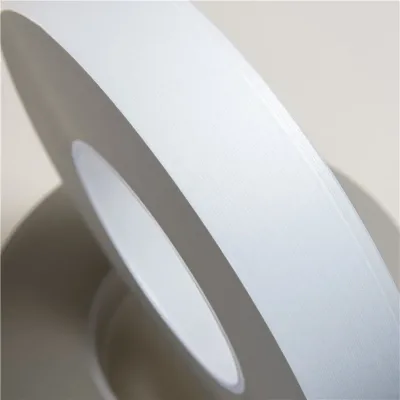



Bleached Free Sample Rolling Paper Slow-Burn Cigarette Paper for Smoking
$0.08 - $0.19
MOQ: 5000 booklet


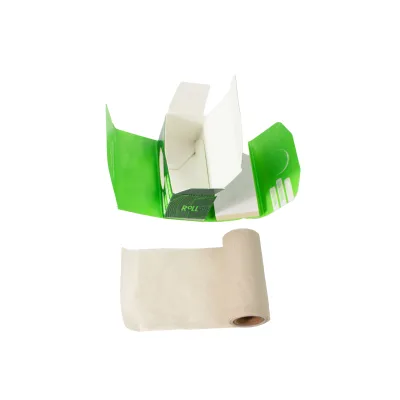
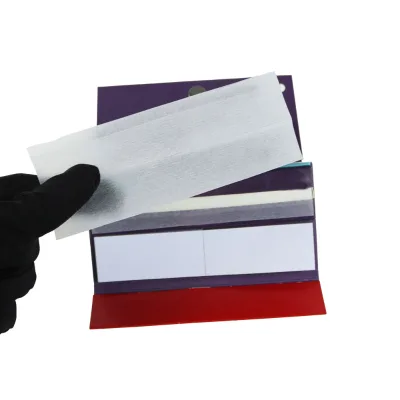
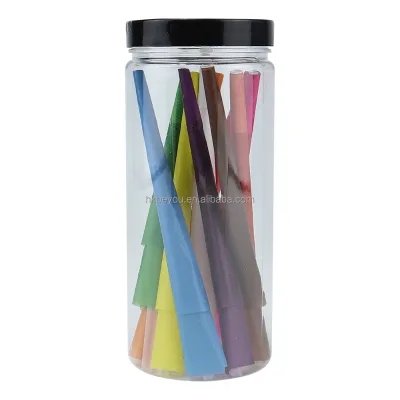
king size hemp paper 84mm /98mm /108mm customized pre rolled rolling paper
$0.06 - $0.08
MOQ: 10 packs
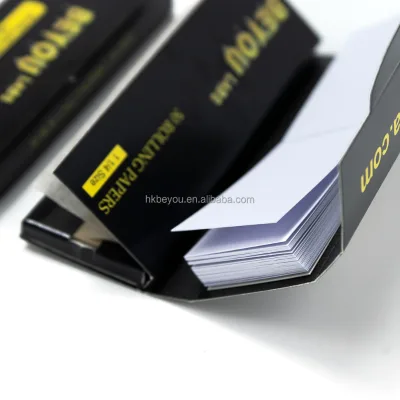
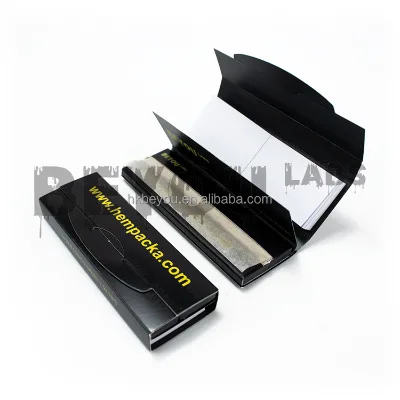
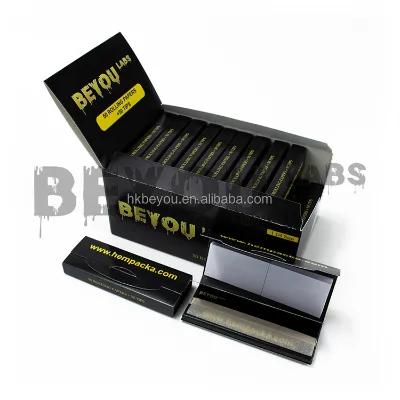

Unbleached White Color Cigarette Rolling Smoking Paper Smoke Tobacco Paper
$1800.00 - $2000.00
MOQ: 10 Tons


Comprehensive Sourcing Guide
Strategic Sourcing Guide for Unbleached Hemp Smoking Rolling Paper
The global market for smoking accessories has seen a significant shift toward natural, unprocessed materials, with unbleached hemp rolling paper emerging as a premium segment. For B2B procurement professionals, sourcing this specific category requires a nuanced understanding of material science, regulatory compliance, and supply chain logistics. Unlike standard bleached papers, unbleached variants retain the natural fiber characteristics of the hemp pulp, offering distinct aesthetic and functional properties. This guide provides a disciplined framework for evaluating suppliers, verifying product attributes, and establishing a robust procurement strategy for unbleached hemp rolling papers, ensuring that all sourcing decisions are grounded in verifiable facts rather than marketing assertions.
Technical Specifications and Material Composition
The foundation of any successful procurement strategy lies in the precise definition of technical specifications. When targeting unbleached hemp rolling paper, buyers must distinguish between the base material and the processing methods. The core attribute of this product category is the pulp material. While the market often lists "Mixed Pulp" or "Wood Pulp," the specific demand for hemp requires verification that the primary fiber source is indeed hemp cellulose. In the absence of explicit hemp certification in general listings, buyers must treat "Wood Pulp" or "Mixed Pulp" designations as observations that require further clarification to confirm the hemp content.
Weight is a critical performance metric that dictates the burn rate and structural integrity of the paper. Observed data indicates a range of weights from 13GSM to 27GSM, with 14GSM being a common standard for specific high-volume models. However, the target specification for premium unbleached hemp often falls within the 14GSM to 18GSM range to ensure a slow, even burn without tearing. The thickness and porosity are directly influenced by the pulp style; virgin pulp is generally preferred over recycled options to maintain the natural texture and flavor profile associated with unbleached products.
Dimensions and leaf count are equally vital for operational consistency. The market offers various sizes, including King Size (10844mm), King Slim (10744mm), and Regular Sizes. Some suppliers list "All Size" or "Custom Acceptable" as specifications, which necessitates a clear definition of the target dimensions during the RFQ process. The number of leaves per booklet typically ranges from 32 to 50, with some custom options extending up to 100 leaves. Buyers should verify if the "32 leaves" specification is a standard baseline or a variable parameter, as this directly impacts the unit price and packaging efficiency.
Compliance, Certification, and Safety Standards
In the B2B sector, compliance is not merely a formality but a prerequisite for market access. The sourcing of unbleached hemp rolling paper involves navigating a complex landscape of safety and environmental certifications. While the product is unbleached, implying a lack of chemical whitening agents, the presence of coatings and gums must be rigorously tested. The gum used to seal the paper is a critical component; natural Arabic gum is a standard observation in the market, but buyers must verify the absence of synthetic additives that could release harmful fumes when burned.
Certification verification is paramount. The market data references SGS certification and FSC (Forest Stewardship Council) standards. SGS is frequently cited as a product standard or a certificate for the paper itself, indicating that the material has undergone independent testing for safety and quality. However, the presence of FSC certification is noted as a low-confidence background fact in general listings. Buyers should not assume FSC status based on general descriptions; instead, they must request specific, valid FSC chain-of-custody certificates for the specific hemp source. This ensures that the hemp is sourced from sustainably managed forests or farms, a key selling point for unbleached products.
Furthermore, the production process must adhere to international safety standards. The coating side is often specified as "Single Side," which affects the application of the gum line. Buyers should verify that the coating process does not introduce heavy metals or prohibited substances. The standard "SGS" mentioned in product attributes serves as a benchmark for quality assurance, but it is essential to confirm that the specific test results cover the intended use case, including combustion safety and chemical composition.
Cost Drivers and Pricing Dynamics
Understanding the cost structure of unbleached hemp rolling paper is essential for budgeting and margin analysis. The price range in the observed market is exceptionally wide, spanning from $0.05 to over $16,000.00. This variance is not indicative of unit price fluctuations but rather reflects the difference between a single booklet sample and bulk industrial orders. For procurement planning, the unit cost is heavily influenced by the volume of the order, the specific customization level, and the raw material cost of hemp pulp.
The Minimum Order Quantity (MOQ) is a significant cost driver. Observed MOQs range from 2 units for sampling purposes to 50,000 units for full production runs. A specific high-volume observation notes an MOQ of 30,000 booklets for certain models. Buyers must balance the need for inventory against the capital tied up in stock. Higher customization, such as specific leaf counts, unique packaging designs, or branded printing, will inevitably increase the unit cost and may raise the MOQ threshold.
Packaging costs also play a role in the total landed cost. Standard packaging often involves 50 booklets per box and 50 boxes per carton, though variations like 40 boxes per carton or 22 booklets per box exist. The choice between "Display Box and Carton" versus standard shipping cartons affects the retail presentation and the shipping weight. Buyers should calculate the cost per unit including packaging, as the packaging design can be a significant differentiator in the retail market, especially for premium unbleached hemp products.
Supplier Evaluation and Verification Protocols
Selecting the right supplier requires a rigorous evaluation process that goes beyond the surface-level product descriptions. The market data indicates that many suppliers offer "Customization" and "OEM" services, with brands like Richer and Ryo appearing in the listings. However, buyers should treat these brand names as examples of market presence rather than endorsements. The primary focus should be on the supplier's ability to meet the specific technical and compliance requirements outlined in the technical specifications section.
When evaluating suppliers, buyers must verify the "prod_origin" and "prod_packing" details. Most observed data points to "China" as the origin, but specific factory locations and their capacity should be confirmed. A supplier claiming "Made in China" must provide evidence of their manufacturing capabilities, including quality control processes and production timelines. The "Sampling" attribute is a crucial tool for evaluation; most suppliers support sampling, and some even offer free samples. Utilizing these samples to test burn rate, gum adhesion, and paper texture is essential before committing to a large order.
The supplier's response to customization requests is another key indicator of reliability. While "Customization" is listed as available, the feasibility of custom sizes, leaf counts, and packaging designs varies by supplier. Buyers should assess the supplier's flexibility in adjusting the "prod_model" and "prod_standard" to meet specific market needs. A supplier that can seamlessly transition from standard 32-leaf booklets to custom 50-leaf or 100-leaf configurations demonstrates a higher level of operational maturity.
Quality Control and Performance Verification
Quality control (QC) is the final gatekeeper in the procurement process, ensuring that the delivered product matches the ordered specifications. For unbleached hemp rolling paper, QC checks should focus on the consistency of the pulp material, the uniformity of the weight, and the integrity of the gum line. The observed weight range of 13GSM to 27GSM suggests that buyers must specify a tight tolerance band to avoid performance issues. A variation of even 1-2 GSM can alter the burn characteristics significantly.
Visual inspection is the first step in QC. The "Unbleached" color attribute implies a natural, off-white or beige hue. Buyers should verify that the color is consistent across the batch and free from discoloration or staining that could indicate poor storage or processing. The "Leaves" count must be verified to ensure that the booklet contains the exact number of sheets promised, as discrepancies here can lead to customer complaints and returns.
Performance testing should include burn rate analysis and ash quality. Unbleached hemp paper is often marketed for its slow, even burn and clean ash. Buyers should conduct burn tests on the received samples to confirm that the paper does not self-extinguish prematurely or burn too quickly. The gum line must be tested for adhesion; it should seal the paper effectively without leaving residue or failing to stick. If the supplier claims "Watermarked, Printed, Flavored" processes, these features must be tested for durability and safety, ensuring that the additives do not compromise the paper's structural integrity or safety profile.
Long-Term Procurement and Supply Chain Considerations
Sourcing unbleached hemp rolling paper is not a one-time transaction but a long-term partnership that requires strategic planning. The "Custom Acceptable" and "Customization" attributes suggest that market trends and consumer preferences may evolve, requiring the ability to adapt product specifications. Buyers should establish a relationship with suppliers who can scale production up or down based on demand fluctuations. The observed MOQ of 30,000 booklets for certain models indicates that suppliers are geared toward large-scale production, which may require buyers to plan their inventory carefully to avoid overstocking.
Supply chain resilience is another critical consideration. The "Lead Time" is not explicitly provided in the observed data, but buyers must negotiate clear delivery schedules. The "Packing" specifications, such as 50 booklets per box and 50 boxes per carton, must be standardized to ensure efficient logistics and warehousing. Discrepancies in packaging can lead to increased shipping costs and handling difficulties.
Finally, buyers should consider the sustainability aspect of the supply chain. While the product is unbleached and potentially eco-friendly, the sourcing of the hemp and the manufacturing process must align with the buyer's corporate social responsibility goals. Verifying the "FSC" status and ensuring that the "Natural Arabic Gum" is sourced ethically are steps that can enhance the brand value of the final product. By maintaining a disciplined approach to verification and quality control, buyers can secure a reliable supply of high-quality unbleached hemp rolling paper that meets both market demands and regulatory standards.
FAQs
What certifications are available for Unbleached Hemp Smoking Rolling Paper?
SGS certification is available for the product, while FSC is noted as a low-confidence background fact. Buyers must request specific chain-of-custody certificates to verify sustainable sourcing rather than assuming status based on general descriptions.
Which paper weights are commonly offered for these rolling papers?
Observed weights range from 13GSM to 27GSM, with 14GSM being a common standard for high-volume models. Buyers should specify a tight tolerance band to ensure consistent burn rates and structural integrity during use.
Can I customize the leaf count for Unbleached Hemp Smoking Rolling Paper?
Yes, customization is available for leaf counts ranging from 32 to 100 leaves per booklet. Specific configurations like 32 leaves serve as a baseline, but suppliers can adjust this parameter based on order requirements.
What are the standard packaging configurations for these products?
Standard packaging often involves 50 booklets per box and 50 boxes per carton, though variations like 40 boxes per carton exist. Display boxes and cartons are also available to enhance retail presentation for premium products.
How does the gum type affect the quality of the rolling paper?
Natural Arabic gum is a standard observation used to seal the paper effectively without leaving residue. Buyers must verify the absence of synthetic additives to ensure safety and prevent harmful fumes when burned.
What is the typical minimum order quantity for bulk purchases?
MOQs range from 2 units for sampling to 50,000 units for full production runs. A specific high-volume observation notes an MOQ of 30,000 booklets for certain models, requiring careful inventory planning.
Which sizes are available for Unbleached Hemp Smoking Rolling Paper?
Available sizes include King Size (108*44mm), King Slim (107*44mm), and Regular Sizes. Suppliers also accept custom dimensions, allowing buyers to define specific target measurements during the RFQ process.