Source Unbalanced Metal Bellow Cartridge Seal for Chemical, Slurry, and Centrifugal Pumps
Find 30 listings for the Unbalanced Metal Bellow Cartridge Seal designed for chemical, slurry, and centrifugal pump applications. Buyers can compare specifications including double-end structures, high-temperature ratings, and various metal bellows materials to identify suitable options.
Key considerations
Products List


Dual-cartridge Seals Type SB2A/SB2/Dual Cartridge Seal Sb2a/SB2 for Pump
$150.00 - $300.00
MOQ: 1 Pieces
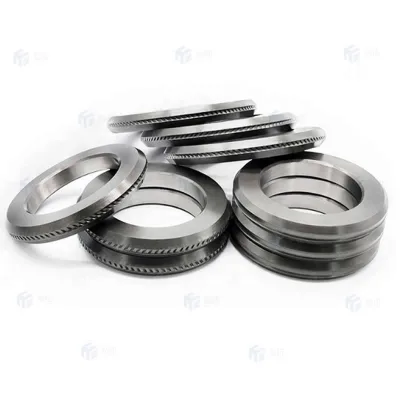


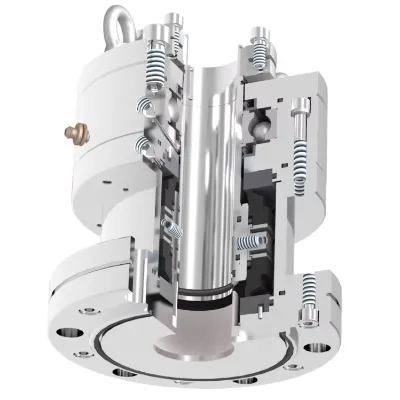
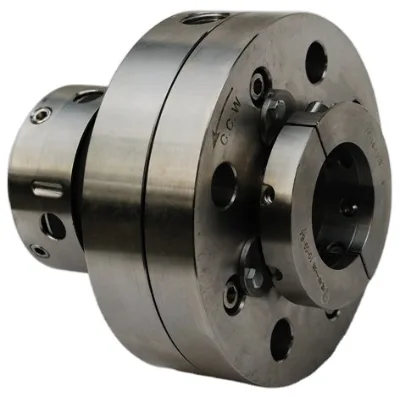
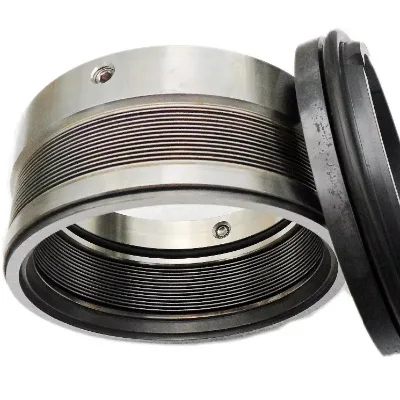

Comprehensive Sourcing Guide
Unbalanced Metal Bellow Cartridge Seal Sourcing Guide
Procuring unbalanced metal bellow cartridge seals requires a precise understanding of hydraulic forces and material compatibility, as these components are engineered for specific pressure regimes where balanced designs would fail. Unlike balanced seals that distribute hydraulic load across the sealing faces to reduce friction and heat, unbalanced configurations expose a larger portion of the primary sealing face to system pressure. This design choice is critical for low-pressure applications or processes where minimizing the closing force on the seal faces is necessary to prevent dry running or excessive wear. Buyers must recognize that selecting an unbalanced variant is not a default option but a calculated engineering decision based on the operating pressure, fluid viscosity, and rotational speed of the pump.
The cartridge seal format offers significant advantages in installation consistency and maintenance efficiency, making it a preferred choice for modern industrial procurement. By pre-assembling the seal, springs, and secondary elements into a single unit, manufacturers eliminate the risk of human error during installation, which is a common cause of premature seal failure in field applications. For buyers managing large fleets of centrifugal or process pumps, the availability of customized cartridge solutions ensures that the seal geometry matches the specific shaft diameter, sleeve dimensions, and gland plate configurations of existing equipment. This standardization reduces inventory complexity and allows maintenance teams to replace seals quickly without custom machining or fitting adjustments.
Product Scope and Observed Listing Signals
Market listings for unbalanced metal bellow cartridge seals reveal a diverse range of structural configurations and material combinations, reflecting the highly customized nature of industrial sealing solutions. Observed product attributes indicate that while many seals are balanced, a distinct subset is explicitly categorized as unbalanced, often paired with double-end structures for enhanced reliability in hazardous or high-temperature environments. The presence of double-end designs suggests that buyers are increasingly seeking redundancy, where a secondary seal provides a barrier against process fluid leakage even if the primary seal fails. This trend is particularly relevant in chemical processing and oil and gas sectors, where environmental compliance and safety are paramount.
Price and minimum order quantity (MOQ) signals in the market vary significantly, ranging from low-cost entry-level units to high-performance specialized seals with substantial MOQ requirements. The observed price range of $0.01 to $1000 USD highlights the disparity between standard off-the-shelf components and custom-engineered solutions featuring exotic materials like Inconel 718 or Hastelloy C. Buyers should interpret low MOQs as an indicator of flexibility for pilot projects or emergency replacements, while higher MOQs often correlate with volume discounts and dedicated manufacturing runs for specific pump models. Understanding these market signals helps procurement teams align their purchasing strategy with their operational needs, whether they require immediate availability for critical repairs or bulk procurement for new equipment installations.
Technical Specifications to Verify
When evaluating technical specifications, the material composition of the metal bellows is a primary determinant of seal performance and longevity. Trusted category knowledge and observed attributes confirm that bellows are commonly manufactured from SUS316L, AM350, Inconel 718, Titanium, Hastelloy C, or Alloy 20. Each material offers distinct advantages: SUS316L provides general corrosion resistance, while Inconel 718 and Hastelloy C are essential for high-temperature and highly corrosive chemical environments. Buyers must verify that the selected bellows material is compatible with the process fluid to prevent stress corrosion cracking or fatigue failure, which are common modes of failure in metal bellows seals under cyclic pressure conditions.
The configuration of the sealing rings and secondary elements also requires careful verification to ensure proper function. Observed data indicates that rotary rings may be constructed from Silicon Carbide (SiC), Carbon, or Tungsten Carbide (TC), while stationary rings often use SiC or TC for superior hardness and wear resistance. Secondary seals are frequently made from Aflas, a fluoropolymer known for its excellent chemical resistance and high-temperature stability. Additionally, the balance ratio of the seal must be confirmed as unbalanced, typically defined by a specific face width and diameter ratio that results in higher hydraulic closing forces. Buyers should request detailed engineering drawings that specify these material grades and geometric ratios to ensure the seal meets the exact hydraulic requirements of their application.
Compliance and Safety Documentation
Compliance with international quality management standards is a baseline expectation for reputable seal manufacturers, although specific certification status should be verified on a case-by-case basis. While ISO 9001 and ISO 14001 are commonly referenced in the industry as markers of quality and environmental responsibility, buyers should not assume automatic compliance without requesting current certificates from the supplier. These certifications indicate that the manufacturer has established robust processes for quality control and environmental management, which are critical for ensuring consistent product performance and reducing the risk of supply chain disruptions. Procurement teams should include verification of these certifications as a standard step in their supplier qualification process.
Safety documentation must also address the specific hazards associated with the process fluid and operating conditions. For unbalanced seals used in high-pressure or high-temperature applications, suppliers should provide data sheets that detail the maximum allowable pressure and temperature limits for each material combination. Buyers should ensure that the seal design includes appropriate secondary sealing materials that can withstand the chemical aggressiveness of the process fluid without degrading. Additionally, for applications involving hazardous chemicals, buyers may need to verify that the seal materials comply with relevant industry standards for chemical compatibility, such as those published by NACE International or ASTM, to prevent catastrophic failures that could lead to environmental releases or safety incidents.
Cost Drivers and Commercial Terms
The cost of unbalanced metal bellow cartridge seals is driven primarily by the complexity of the design, the grade of materials used, and the level of customization required. Seals featuring exotic bellows materials like Inconel 718 or Hastelloy C, along with precision-machined SiC faces, command higher prices due to the cost of raw materials and the specialized manufacturing processes involved. Buyers should anticipate that customized seals, which are tailored to specific pump models or unique operating conditions, will carry a premium compared to standard catalog items. However, the long-term value of a customized seal often outweighs the initial cost savings of a generic alternative, as it reduces the risk of premature failure and unplanned downtime.
Commercial terms, including payment conditions and lead times, should be negotiated based on the volume and urgency of the order. Observed MOQ ranges from 1 to 1000 units suggest that suppliers are flexible in accommodating both small-scale repairs and large-scale procurement projects. Buyers should clarify whether the quoted price includes packaging, such as neutral packing or customized branding, which may be required for internal inventory management or customer-specific deliveries. Additionally, lead times can vary significantly depending on the availability of raw materials and the current production schedule of the manufacturer. Establishing clear communication regarding delivery schedules and potential delays is essential for maintaining operational continuity, especially for critical spare parts.
Supplier Qualification and Quality Control
Supplier qualification for metal bellow cartridge seals should focus on the manufacturer’s engineering capabilities and quality assurance processes. Buyers should assess whether the supplier has the technical expertise to design and manufacture seals with specific balance ratios and material combinations, as this requires precise control over machining tolerances and material properties. Observations indicate that many suppliers offer customization services, which suggests a level of engineering support that can be valuable for complex applications. Procurement teams should request evidence of the supplier’s ability to produce seals that meet specific performance criteria, such as wear resistance and temperature stability, through documented quality control procedures.
Quality control measures should include rigorous testing of the finished seals to ensure they meet design specifications and performance expectations. Buyers should inquire about the testing protocols used by the supplier, such as pressure testing, leak testing, and material analysis, to verify the integrity of the metal bellows and sealing faces. Additionally, suppliers should provide traceability documentation for all critical components, including the bellows material, ring materials, and secondary seals, to ensure that the correct materials are used in the assembly. This level of transparency is crucial for maintaining accountability and facilitating root cause analysis in the event of a seal failure. Buyers should also consider the supplier’s service branches and geographic presence, as local support can enhance responsiveness and reduce logistics costs.
Long-Term Procurement Checks
Long-term procurement success depends on establishing a robust relationship with suppliers who can provide consistent quality and technical support over time. Buyers should regularly review supplier performance metrics, including on-time delivery rates, product quality, and responsiveness to technical inquiries, to ensure that the supplier continues to meet their evolving needs. Monitoring these metrics helps identify potential issues early and allows for proactive management of the supply chain. Additionally, buyers should stay informed about advancements in seal technology and materials, as new innovations may offer improved performance or cost savings for their applications.
Regular audits of the supplier’s quality management system and production facilities can provide valuable insights into their operational capabilities and commitment to quality. These audits should verify that the supplier maintains the necessary equipment and expertise to produce high-quality metal bellow cartridge seals consistently. Buyers should also encourage open communication regarding any changes in materials, processes, or design specifications that could impact the performance of the seals. By maintaining a collaborative relationship with their suppliers, buyers can ensure that they have access to the best available technology and support, ultimately enhancing the reliability and efficiency of their pumping systems.
FAQs
What is the structure of the Unbalanced Metal Bellow Cartridge Seal?
The Unbalanced Metal Bellow Cartridge Seal features a single-end structure. It utilizes metal bellows made from materials like SUS316L or Inconel718 for durability. This design supports high-pressure applications while maintaining stability in demanding industrial environments.
Can I request customization for the Unbalanced Metal Bellow Cartridge Seal?
Yes, customization is available for the Unbalanced Metal Bellow Cartridge Seal. Buyers can specify neutral packing or customized packaging options. The product also supports various ring materials and secondary seals to meet specific operational requirements.
Which materials are used for the metal bellows in this seal?
The metal bellows are constructed from SUS316L, Am350, Inconel718, Titanium, Hast-C, or Alloy-20. These materials ensure resistance to corrosion and high temperatures. The selection depends on the specific chemical and thermal conditions of the application.
How is the Unbalanced Metal Bellow Cartridge Seal packed for shipment?
The seal is typically packed in neutral packing or customized packaging as requested. This flexible approach ensures safe transport and allows for branding or specific logistical needs. Standard packaging options are also available for general distribution requirements.
What is the origin of the Unbalanced Metal Bellow Cartridge Seal?
The Unbalanced Metal Bellow Cartridge Seal originates from China. It is manufactured to meet standard specifications and is available in all sizes. The product serves service branches in the US, Australia, and various Chinese cities like Shanghai and Guangzhou.
Which pump types are compatible with the Unbalanced Metal Bellow Cartridge Seal?
This seal is compatible with chemical process pumps and slurry pumps. It functions effectively as a metal bellow seal in centrifugal pump applications. The design supports both single and double-end configurations depending on the specific pump model and service needs.