Source Under Car Magnetic Key Box for Home, Office, and Garage
Compare 30 listings for the Under Car Magnetic Key Box to find secure storage solutions for vehicles and homes. Buyers can evaluate specifications like material, size, and shielding effectiveness from verified suppliers in China.
Key considerations
Products List
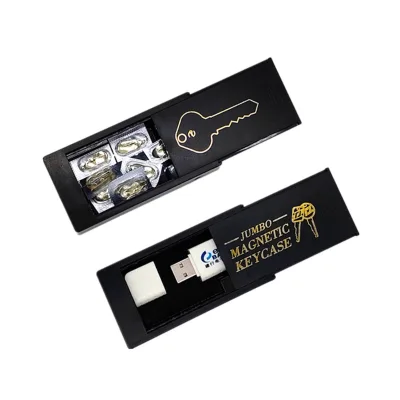


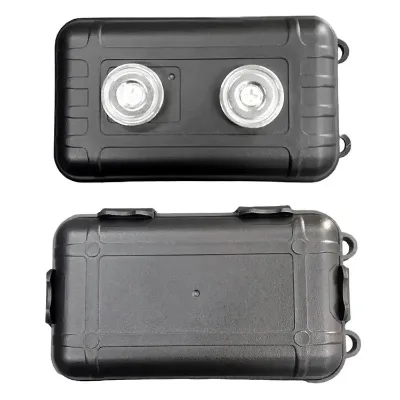

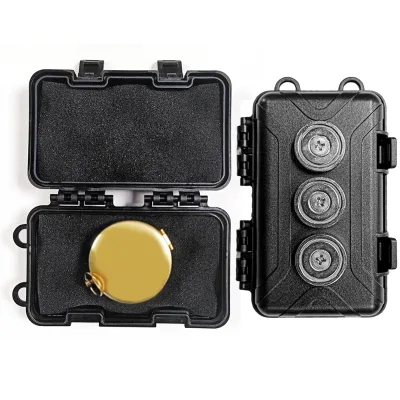
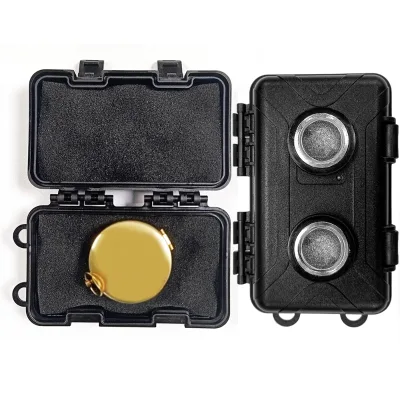


Comprehensive Sourcing Guide
Under Car Magnetic Key Box Sourcing Guide
Sourcing an under-car magnetic key box requires a careful balance between physical security, material durability, and logistical feasibility. These devices are designed to provide a discreet, secondary access point for vehicles, allowing owners to hide keys in a location that is difficult for thieves to reach without specialized tools. The procurement process involves evaluating the mechanical integrity of the magnetic attachment, the weatherproofing of the housing, and the reliability of the locking mechanism. Buyers must distinguish between generic plastic enclosures and purpose-built security containers that can withstand environmental stressors while maintaining a low profile beneath a vehicle chassis.
The market for these products is fragmented, with listings often mixing attributes from different product categories, such as RFID shielding films or general storage boxes. This guide focuses specifically on the physical key box component, ensuring that procurement decisions are based on accurate product definitions. By understanding the specific technical requirements and commercial terms associated with these items, buyers can avoid common pitfalls such as receiving non-waterproof units or mismatched magnetic strengths. The following sections provide a structured approach to evaluating suppliers, verifying specifications, and managing the risks associated with importing security hardware.
Product Scope and Observed Listing Signals
The observed market data reveals a wide variance in product attributes, indicating that many listings may be aggregating unrelated items or using generic templates. For instance, some listings describe products with dimensions of 9.84.91.7cm and a weight of 54g, which aligns with compact, portable key boxes, while others mention larger packaging sizes of 37X30X30 cm per batch. This discrepancy suggests that buyers must carefully distinguish between the individual unit specifications and the bulk shipping parameters. A unit that is too large may be easily visible under a car, defeating the purpose of concealment, while one that is too small may not accommodate standard key rings or fobs.
Furthermore, the presence of conflicting material and functional descriptions highlights the need for rigorous verification. Some listings mention "Plastic" as the material, which is standard for weather-resistant housings, while others reference "magnetic" metal types or even "RFID Shielding" functions. It is critical to confirm that the product in question is primarily a physical container for keys and not a signal-blocking accessory. The core keyword "Under Car Magnetic Key Box" implies a mechanical device that attaches to a metal surface via strong magnets and houses keys in a secure compartment. Buyers should prioritize listings that clearly define the locking mechanism, the magnetic strength, and the waterproof rating, rather than those that mix in unrelated features like privacy filters or signal blocking.
Technical Specifications to Verify
When evaluating potential suppliers, the physical dimensions and weight of the key box are paramount for ensuring compatibility with various vehicle undercarriages. The observed model BY-KC2024CW025-40, for example, has a size of 9.84.91.7cm, which is a compact form factor suitable for tight spaces. Buyers should verify that the internal volume is sufficient for their specific key types, including modern smart keys that may be bulkier than traditional metal keys. Additionally, the weight of the unit, such as the 54g observed in some listings, affects how securely it can be mounted; lighter units may require additional adhesive or mounting hardware to prevent vibration-induced detachment.
The material composition and construction quality are equally important for long-term reliability. Most observed listings specify plastic as the primary material, which offers corrosion resistance and lightweight durability. However, buyers must inquire about the specific type of plastic used, as some may become brittle in extreme cold or degrade under UV exposure if the vehicle is parked outdoors. The magnetic attachment system should be evaluated for strength and coverage; a single weak magnet may fail, whereas a perimeter of strong neodymium magnets provides more secure attachment. Buyers should also check the sealing mechanism, ensuring that the lid closes tightly to prevent water and dust ingress, which is critical for a device installed in an exposed under-car location.
Compliance and Safety Documentation
While specific certifications were not uniformly listed across all observed products, buyers should request documentation to ensure the materials used are safe and compliant with relevant standards. For plastic components, this may include RoHS compliance to ensure the absence of hazardous substances, which is particularly important if the product is marketed for consumer use. Although some listings mentioned ISO certification, this typically refers to the supplier’s quality management system rather than the product itself. Buyers should clarify whether the certification applies to the manufacturing process or the final product’s performance, as this distinction impacts the reliability of the supply chain.
Safety considerations also extend to the magnetic properties of the device. Strong magnets can interfere with electronic devices, including pacemakers and credit cards, if not properly shielded or if placed too close to sensitive items. Buyers should verify that the magnetic field is contained within the housing and does not leak excessively, ensuring that it does not damage the vehicle’s electronic systems or pose a risk to the user. Additionally, if the product includes any electronic components, such as a digital lock or RFID blocker, buyers must ensure that these components meet electromagnetic compatibility (EMC) standards. Requesting test reports for magnetic strength and material safety can help mitigate these risks and ensure the product is suitable for its intended application.
Cost Drivers and Commercial Terms
The pricing for under-car magnetic key boxes varies significantly based on material quality, customization options, and order volume. The observed price range of 0.35-11.59 USD reflects this variance, with lower prices likely corresponding to basic, non-customized plastic units and higher prices associated with premium materials, complex locking mechanisms, or branded products. Buyers should consider the total cost of ownership, including shipping and potential customs duties, rather than focusing solely on the unit price. Bulk orders often benefit from economies of scale, but the minimum order quantity (MOQ) can be a barrier for smaller buyers.
The observed MOQ range of 1-500 pieces indicates flexibility in supplier requirements, but buyers must align their order size with their inventory needs and cash flow constraints. Some listings specify an MOQ of 144 pieces, which may correspond to a specific packaging configuration, such as a carton containing multiple units. Buyers should also inquire about the lead time, which was observed to range from 7-30 days, to ensure that production schedules align with their launch or distribution timelines. Customization options, such as adding a customer logo or specific color schemes, may incur additional setup fees or increase the MOQ, so these factors should be factored into the initial cost analysis.
Supplier Qualification and Quality Control
Selecting a reliable supplier is crucial for ensuring consistent product quality and timely delivery. Buyers should verify the supplier’s location, as observed origins include Jilin, Shenzhen, Ningbo, and Anhui in China, each of which may have different manufacturing capabilities and logistical advantages. Suppliers with a history of producing security-related products may have more robust quality control processes in place. Buyers should request samples to evaluate the physical quality of the product, including the strength of the magnets, the durability of the plastic, and the ease of use of the locking mechanism.
Quality control measures should also include checks for packaging integrity, as observed packing methods range from OPP bags to cartons and blister packages. Proper packaging is essential to prevent damage during transit, especially for products that may be subjected to rough handling. Buyers should establish clear acceptance criteria for defects, such as cracks, loose magnets, or faulty locks, and ensure that the supplier has a process for addressing these issues. Regular communication with the supplier and periodic audits, if feasible, can help maintain high standards and identify potential problems before they impact the supply chain.
Long-Term Procurement Checks
Sourcing under-car magnetic key boxes is not a one-time transaction but an ongoing process that requires continuous monitoring and evaluation. Buyers should track supplier performance metrics, such as on-time delivery rates, defect rates, and responsiveness to issues, to identify any trends that may indicate declining quality or reliability. Regularly reviewing market trends and new product offerings can help buyers stay competitive and offer improved solutions to their customers. This includes staying informed about advancements in magnetic technology, waterproofing materials, and security features that may enhance the product’s value.
Additionally, buyers should maintain a diversified supplier base to mitigate risks associated with single-source dependencies. Having alternative suppliers can provide flexibility in case of production delays, quality issues, or changes in market demand. It is also important to stay updated on regulatory changes and industry standards that may affect the product, such as new safety requirements for magnetic devices or environmental regulations for plastic materials. By proactively managing these aspects, buyers can ensure a stable and efficient supply chain that supports their long-term business goals.
FAQs
What is the typical weight of a magnetic key box?
The typical weight is 54 grams per unit. Some variations may weigh 53 grams depending on the specific model and material composition used in manufacturing.
Which brands are compatible with this magnetic key box?
This box is compatible with major brands including Xiaomi, VIVO, Sony-Ericsson, Samsung, OPPO, Motorola, iPhone, Huawei, and HTC. It serves as a universal storage solution for various mobile devices.
Can I customize the logo on the magnetic key box?
Yes, customer logo customization is available for this product. Buyers can request specific branding to be applied to the modern style rectangular plastic box during the production process.
What is the minimum order quantity for this product?
The minimum order quantity is 144 pieces. Orders must be placed in multiples of 144 items, which aligns with the selling units defined for this specific product type.
How long does delivery take for this magnetic key box?
Delivery time ranges from 7 to 30 days after order confirmation. This lead time applies to standard production batches originating from factories in Jilin, China.
What material is used to construct the magnetic key box?
The product is constructed from durable plastic material. It features a magnetic metal type component to ensure secure attachment and privacy filtering capabilities for stored items.