Source Under Desk Cable Management Tray for Office, Home, and Workshop
Compare 30 listings for Under Desk Cable Management Tray options featuring materials like steel, PVC, and cast iron. Buyers can evaluate customization, tolerances, and certifications from suppliers in China.
Key considerations
Products List







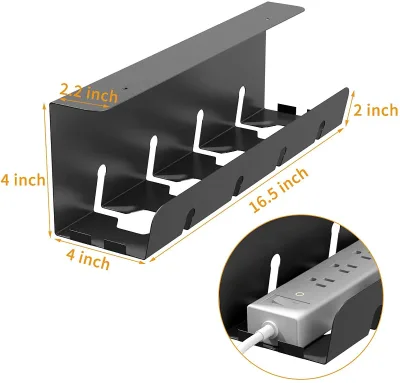
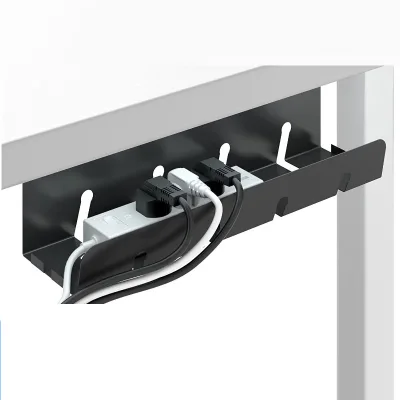
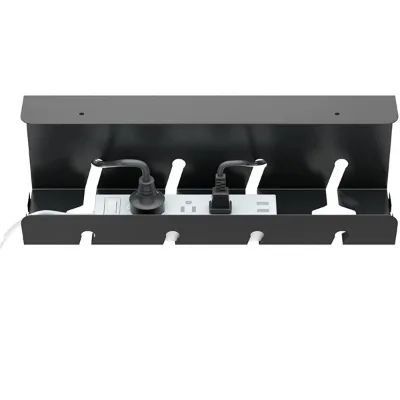
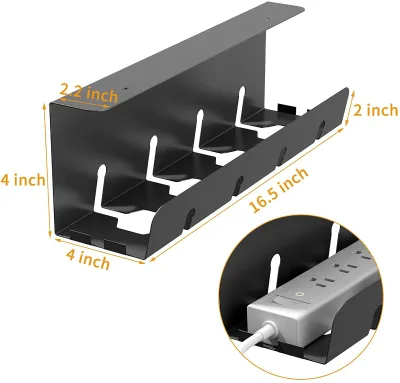


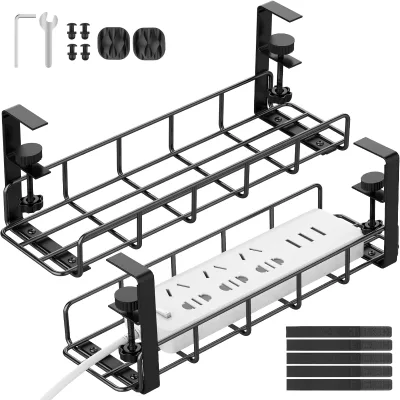
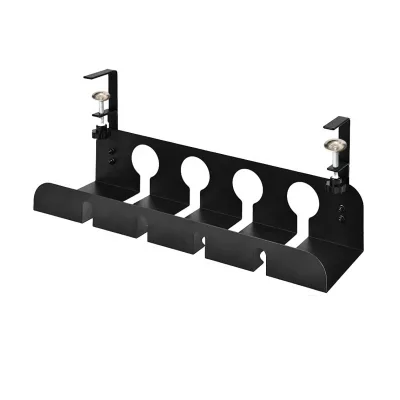
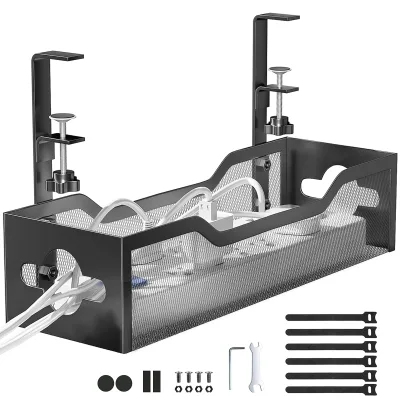
Comprehensive Sourcing Guide
Strategic Sourcing Guide for Under-Desk Cable Management Trays
Navigating the global market for under-desk cable management solutions requires a disciplined approach to verifying product attributes against specific procurement needs. The category of under-desk cable management trays encompasses a diverse range of products, from rigid metal structures to flexible conduit systems. Buyers must distinguish between these variations to ensure the selected solution aligns with their infrastructure requirements. The following guide synthesizes observed market data and technical specifications to provide a framework for evaluating potential suppliers and products without relying on unverified claims.
Technical Specifications and Material Composition
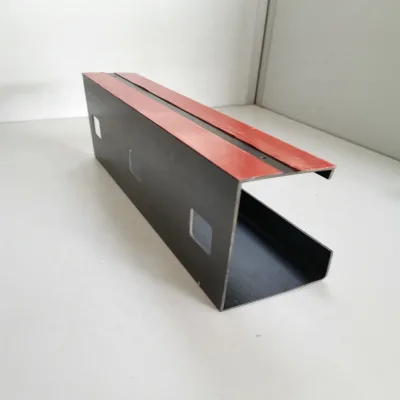
The foundation of a reliable cable management system lies in its material composition and structural design. Market observations indicate a significant divergence in material choices, ranging from heavy-duty metals to synthetic polymers. Buyers should expect to encounter products constructed from cast iron, steel, and metal alloys, which are often associated with high-strength applications such as general stamping and shaping metal processes. These metal-based trays typically feature a single-side bracket structure and are designed for shelf bracket usage, offering robust support for heavier cable bundles.
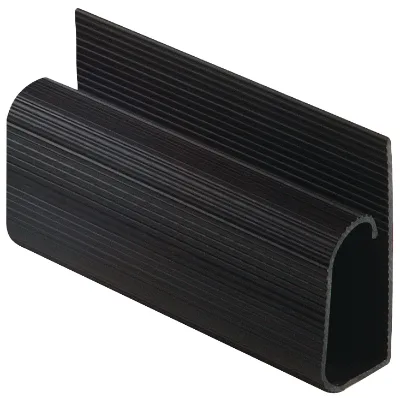
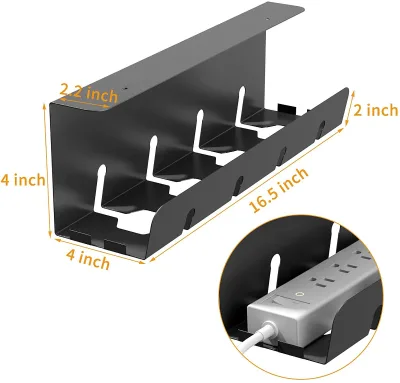
Conversely, a substantial segment of the market offers solutions made from PVC, UPVC, or vinyl materials. These products are frequently characterized by a "J" shape and are marketed specifically for desk applications and wire cover functions. The flexibility of PVC allows for easier installation in confined spaces, whereas metal options provide superior fire resistance and durability. When evaluating technical specifications, buyers must verify the exact dimensions. Observed data includes specific models with dimensions such as 29512546mm, while other listings indicate "custom" sizing capabilities. The ability to customize size is a critical attribute, as standard dimensions may not fit all desk configurations.
Tolerance levels are another vital technical parameter. High-precision manufacturing is evident in products claiming tolerances of 0.01mm, which is essential for ensuring a snug fit within desk cutouts or mounting rails. The processing type for metal variants often involves forming processes and multi-step progressive dies, suggesting a high level of automation and consistency in production. In contrast, PVC options may rely on extrusion or molding techniques. The color palette available in the market is extensive, including white, black, silver, and gold, allowing for aesthetic integration with various office environments. Buyers should confirm that the color options are consistent across the entire production batch to avoid visual discrepancies.
Compliance, Certification, and Quality Standards
In the B2B procurement landscape, compliance with international standards is non-negotiable. Verified product listings frequently cite adherence to ISO9001:2008 for quality control systems. This standard ensures that the manufacturer maintains a consistent approach to quality management throughout the production lifecycle. Furthermore, environmental and safety certifications are increasingly important. Suppliers often provide documentation for RoHS and REACH compliance, which are critical for electronics and office furniture components that may come into contact with human skin or the environment.
The inspection protocols employed by manufacturers serve as a proxy for their commitment to quality. A robust quality assurance framework typically includes Incoming Quality Control (IQC), In-Process Quality Control (IPQC), Final Quality Control (FQC), and Quality Assurance (QA) checks. These stages ensure that raw materials are vetted before processing, that the manufacturing process remains within tolerance during production, and that the final product meets all specifications before packaging. Buyers should request evidence of these inspection reports to validate the supplier's claims.
It is important to note that while some products are certified under ISO, RoHS, and REACH, not every listed item in the market will automatically possess these credentials. Procurement teams must verify the specific certification status of the batch they intend to purchase. Additionally, the product standard itself may be "customized," meaning the buyer must define the specific requirements that the product must meet, rather than relying on a generic industry standard. This customization aspect allows for tailored solutions but requires clear communication of technical expectations.
Cost Drivers and Pricing Dynamics
Understanding the cost structure of cable management trays is essential for budgeting and negotiation. The observed price range in the market spans from $0.05 to $8.00 USD per unit. This wide variance is driven by several factors, including material costs, manufacturing complexity, and order volume. Metal trays, particularly those made from cast iron or steel, generally command higher prices due to the cost of raw materials and the energy-intensive nature of shaping and forming processes. In contrast, PVC-based solutions are often more cost-effective, making them attractive for large-scale deployments where budget constraints are a primary concern.
The Minimum Order Quantity (MOQ) is another significant cost driver. Market data indicates an MOQ range from 1 to 2000 units. Suppliers with lower MOQs may charge a premium per unit to cover setup costs for smaller batches, while those requiring higher volumes can offer more competitive pricing. Buyers should assess their inventory needs carefully; ordering in bulk can significantly reduce the unit cost but increases storage requirements and capital tie-up. Customization also impacts pricing. Products labeled as "customized" or "unadjustable" may have different cost structures compared to standard off-the-shelf items. The "unadjustable" nature of some brackets suggests a fixed design, which might lower costs if the buyer's requirements match the standard, but could increase costs if modifications are needed.
Packaging requirements also influence the final landed cost. Standard packaging often includes an inner plastic bag and an outer standard carton box, or a neutral brown box. However, customized packaging options are available, which can add to the unit price. Buyers should clarify whether the packaging needs to be branded or if standard neutral packaging suffices for their distribution channels.
Typical Applications and Functional Requirements
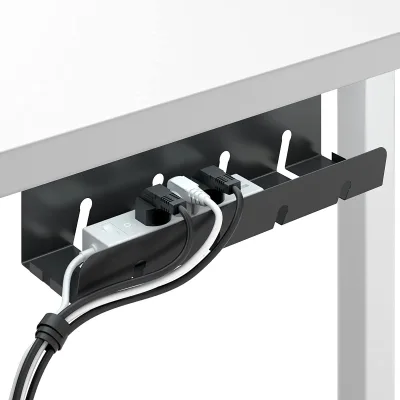
The application of under-desk cable management trays varies widely depending on the environment and the specific needs of the users. The primary function is cable management and wire organization, keeping cords tidy and preventing tangling. Products are frequently marketed for use in desk settings, where they serve as wire covers or cord holders. The "J" shape design is particularly suited for routing cables along the edge of a desk or under a desktop surface.
Beyond standard office desks, these trays are utilized in general stamping industries and for shelf bracket applications. The structural integrity of metal trays makes them suitable for heavier loads, such as bundling power cables, data lines, and charging cords in high-traffic areas. The "multi-position" fine blanking capability suggests that some metal trays can be configured in various orientations to suit different desk layouts. The "single-side bracket" structure is a common design feature that simplifies installation while providing adequate support.
For buyers in the hospitality or retail sectors, the aesthetic aspect is crucial. The availability of colors like white, black, silver, and gold allows these products to blend seamlessly with modern office furniture or stand out as a design element. The "new classical" style mentioned in some product attributes indicates a design trend that combines traditional aesthetics with modern functionality. Buyers should consider the visual impact of the tray in the final workspace, ensuring it complements the overall interior design.
Supplier Evaluation and Manufacturing Capabilities
Selecting the right supplier requires a thorough evaluation of their manufacturing capabilities and operational history. The "Place of Origin" for many of these products is listed as China, with specific regions like Zhejiang noted as manufacturing hubs. This concentration of suppliers in Zhejiang suggests a mature supply chain with access to specialized machinery and skilled labor. Buyers should verify the supplier's capacity to handle "customized" orders, as many listings emphasize customization as a key service.
The manufacturing arts and processing types are critical indicators of quality. Suppliers utilizing "shaping metal" processes and "forming processes" demonstrate a capability to produce durable, high-precision components. The use of "multistep progressive dies" indicates a high level of automation, which can lead to consistent product quality and reduced lead times. However, buyers must ensure that the supplier has the necessary equipment to produce the specific material they require, whether it is metal or PVC.
When evaluating suppliers, it is essential to look beyond the product listing and assess their overall business practices. The presence of a "Brand Name" such as "GS" suggests a level of market presence and accountability. However, buyers should be cautious of generic listings that lack brand identification. A reputable supplier will provide clear documentation regarding their production capacity, lead times, and quality control procedures. The ability to offer "customized" solutions is a strong indicator of a flexible and responsive supplier, but it requires clear communication of specifications to avoid misunderstandings.
Long-Term Procurement Considerations
Sourcing cable management trays is not merely a transactional exercise but a long-term investment in office infrastructure. Buyers should consider the longevity and maintainability of the products they select. Metal trays, with their robust construction, are likely to have a longer lifespan than PVC options, which may degrade over time under heavy use or exposure to sunlight. The "unfolded" state of some products suggests that they may require assembly or adjustment upon delivery, which can impact installation time and labor costs.
Packaging and logistics are also long-term considerations. The standard packaging of "inner plastic bag; outer standard carton box" is designed for protection during transit, but buyers should verify that the packaging is sufficient for their specific shipping requirements. Customized packaging options can enhance brand visibility but may require additional lead time. The "1 piece / box" standard for some models simplifies inventory management, while bulk packaging may be more efficient for large orders.
Finally, buyers should plan for scalability. As office layouts change or expand, the need for additional cable management solutions will arise. Suppliers who offer "custom" sizes and "customized" standards are better positioned to support this growth. However, buyers must ensure that the customization process is streamlined and that the supplier can maintain consistency across different production batches. By focusing on these long-term factors, buyers can build a resilient supply chain that supports their operational needs for years to come.
FAQs
What materials are used for under desk cable management trays?
Trays are constructed from cast iron, steel, metal alloys, or PVC. Metal options offer high strength for general stamping, while PVC provides flexibility for desk applications and wire covering.
Which certifications ensure quality and safety for these trays?
Verified products often hold ISO9001:2008, RoHS, and REACH certifications. These standards confirm quality control systems and compliance with environmental and safety regulations for office components.
Can buyers customize the size and color of the trays?
Yes, customization is available for size, color, and standard specifications. Buyers can select from white, black, silver, or gold colors and request specific dimensions like 295*125*46mm or custom sizes.
How does the minimum order quantity affect the unit price?
The MOQ ranges from 1 to 2000 units, influencing the final cost per piece. Lower volumes may incur higher unit prices, while bulk orders typically reduce the cost significantly.
What is the typical price range for under desk cable trays?
Market prices span from 0.05 to 8 USD per unit. The variance depends on material choice, manufacturing complexity, and order volume, with metal trays generally costing more than PVC options.
Where are these cable management trays typically manufactured?
Most products originate from China, specifically the Zhejiang region. This location hosts mature supply chains with specialized machinery for metal shaping and PVC extrusion processes.