Source Under Desk Walking Pad for Office, Home, and Retail
Compare 30 Under Desk Walking Pad models with varying speeds, incline features, and load capacities. Buyers can evaluate specifications like motor power, belt size, and folding dimensions to find suitable options for office, home, or retail environments.
Key considerations
Products List


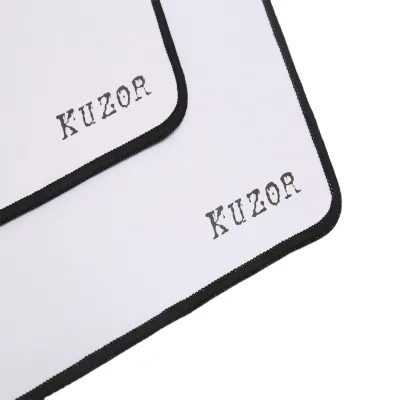


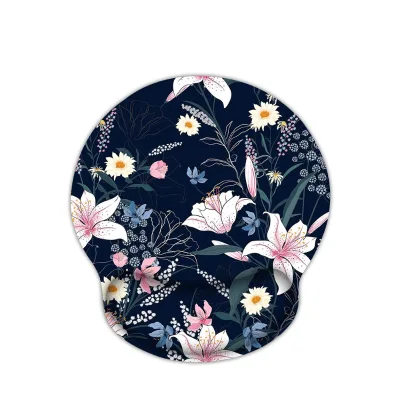


$2.50 - $4.00
MOQ: 1000 Pieces


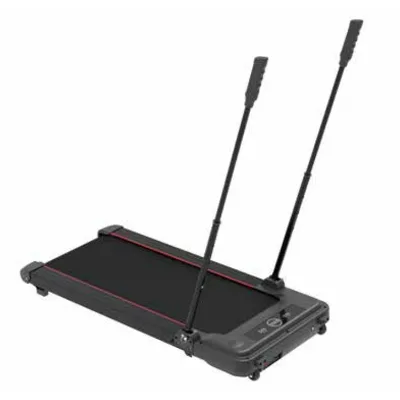
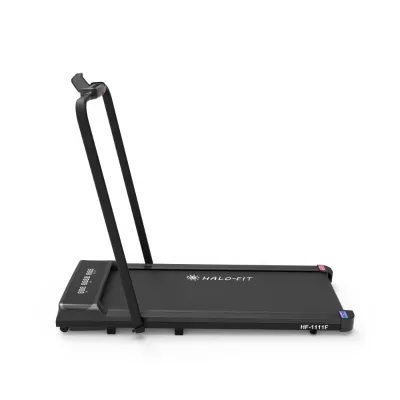

Comprehensive Sourcing Guide
Strategic Sourcing Guide for Under-Desk Walking Pads
The global shift toward hybrid work models has significantly elevated the demand for under-desk walking pads, positioning them as essential equipment for maintaining physical activity within office environments. For B2B procurement professionals, sourcing these devices requires a nuanced understanding of technical specifications, regulatory compliance, and supply chain dynamics. Unlike traditional treadmills, under-desk walking pads are designed for low-speed, continuous movement while seated or standing, necessitating specific design criteria that differ from high-performance fitness equipment. This guide outlines the critical factors buyers must evaluate to ensure a successful procurement strategy, focusing on verified product attributes, cost structures, and quality assurance protocols.
Technical Specifications and Performance Metrics
When evaluating under-desk walking pads, the primary focus must be on the motor power, speed range, and running belt dimensions, as these directly dictate the device's suitability for office use. The market offers units with varying motor capabilities, typically ranging from 0.75 HP DC motors with peak outputs of 1.5 HP to more robust configurations. For a standard office environment, a motor capable of sustaining a speed range between 0.8 km/h and 6.0 km/h is generally sufficient for walking while working. However, some models extend this range up to 10 km/h, which may be unnecessary for seated walking but beneficial for standing desk users.
The running belt size is another critical specification. A belt width of 380 mm is common, with lengths varying between 930 mm and 1000 mm. This dimension ensures adequate foot placement for users of different heights without requiring excessive stride length. Buyers should verify the exact running area specifications, as a standard of 930 x 380 mm or 1000 x 385 mm provides a safe margin for movement. Additionally, the maximum weight capacity is a vital safety parameter; observed data indicates load limits ranging from 110 kg to 120 kg. Procurement teams must ensure that the selected model accommodates the heaviest anticipated user to prevent motor strain and structural failure.
The display interface and control mechanisms also play a significant role in user experience. Most modern units feature LED displays that track essential metrics such as time, speed, distance, and calories burned. Some advanced models include multifunctional consoles with slope adjustment capabilities, allowing users to increase the incline for a more intense workout. The configuration often includes safety features like safety ropes and specific positioning sensors. Furthermore, the voltage requirements must align with the target market; a universal voltage range of 110-240V at 50/60Hz is standard for international distribution, ensuring compatibility across different regions without the need for additional transformers.
Compliance, Certification, and Regulatory Standards
Navigating the regulatory landscape is a non-negotiable aspect of B2B procurement, particularly for electronic fitness equipment destined for international markets. Compliance with safety and environmental standards ensures that the product can be legally sold and used without liability risks. The most frequently observed certifications for these devices include CE, RoHS, and ISO. The CE mark indicates conformity with health, safety, and environmental protection standards for products sold within the European Economic Area. RoHS compliance ensures that the product does not contain hazardous substances, which is critical for electronic devices. ISO certification often relates to quality management systems, providing assurance that the manufacturer adheres to consistent production standards.
For specific regional markets, additional certifications may be required. For instance, products intended for the North American market might need to meet specific safety standards, though the provided data highlights the Cpsia (Consumer Product Safety Improvement Act) certification in the context of related office accessories like desk mats. While Cpsia is primarily associated with children's products, its mention in the context of office accessories suggests a broader commitment to non-toxic materials. Buyers should verify if the walking pad manufacturer holds relevant electrical safety certifications for their specific destination, such as UL or ETL for the United States, even if not explicitly listed in the initial product data.
Environmental standards are increasingly important in B2B sourcing. Products labeled as "Eco Friendly" often adhere to standards regarding sustainable materials and non-toxic composition. The presence of lead-free standards and sustainable manufacturing processes should be verified through documentation. Buyers must request proof of these certifications from suppliers rather than relying solely on marketing claims. The absence of specific test results in public listings means that procurement teams must conduct their own due diligence or require third-party testing reports to confirm that the product meets the declared standards.
Cost Drivers and Pricing Structures
Understanding the cost drivers for under-desk walking pads is essential for budgeting and negotiating effective contracts. The observed price range for these products spans from $0.82 to $105 USD, a wide variance that reflects differences in motor quality, build materials, and feature sets. The lower end of the spectrum typically corresponds to basic models with minimal features, such as a simple LED display and a standard motor. In contrast, higher-priced units often include advanced features like incline adjustment, more robust shock absorption systems, and premium materials for the running belt.
The Minimum Order Quantity (MOQ) is another significant factor influencing the total cost of ownership. The market shows an MOQ range from 1 unit to 1000 units. For small businesses or pilot programs, suppliers offering an MOQ of 1 or low quantities allow for risk-free testing. However, larger enterprises seeking to equip entire offices will benefit from suppliers with higher MOQs, which often come with volume discounts. The packaging specifications also impact logistics costs; units packed in export cartons with foam protection (1 PC/Foam, Export Carton) are designed to minimize damage during transit, reducing the risk of returns and associated costs.
Material costs play a substantial role in pricing. The use of high-quality materials, such as PU leather for the running belt or robust steel for the frame, increases the manufacturing cost. Suppliers utilizing standard packaging versus specialized export packaging will also have different cost structures. Buyers should analyze the total landed cost, including shipping, duties, and insurance, rather than focusing solely on the unit price. The weight of the product, ranging from 18.5 kg to 22 kg for net weight, and gross weight of 22 kg, directly affects shipping expenses, especially for air freight.
Typical Applications and Use Cases
Under-desk walking pads are primarily designed for office environments, where they facilitate active work habits without disrupting workflow. The "Office Desk Mat Mouse Pad" application mentioned in the data suggests a synergy between walking pads and other office accessories, indicating a holistic approach to ergonomic workspace design. These devices are ideal for employees who spend long hours seated, allowing them to walk at a slow pace while attending to computer tasks. The "Non-Heated" feature is particularly relevant for office settings, ensuring that the device does not become a fire hazard or an uncomfortable surface in climate-controlled environments.
Beyond general offices, these pads can be utilized in co-working spaces, corporate training centers, and even home offices. The "Multifunctional" nature of the product allows it to serve various purposes, from light exercise to rehabilitation therapy. The "Incline Walking Pad" feature adds versatility, enabling users to simulate uphill walking, which can increase calorie burn and engage different muscle groups. The "Built-in Shock Absorption" is a critical feature for reducing joint stress, making the device suitable for a wider range of users, including those with minor mobility issues.
The "Adult" age specification confirms that these devices are not intended for children, aligning with safety regulations and usage patterns. The "Folded" and "Unfolded" states highlight the space-saving design, which is crucial for offices with limited floor space. When folded, the device can be stored under a desk or in a closet, making it highly practical for shared workspaces. The "Unicolor" design ensures that the equipment blends seamlessly with various office aesthetics, avoiding the need for custom color matching.
Supplier Evaluation and Quality Control
Selecting the right supplier is paramount to ensuring product quality and supply chain reliability. Buyers should prioritize suppliers with a proven track record in manufacturing electric treadmills and related fitness equipment. The "Jinhua, China" origin is a notable hub for such manufacturing, suggesting a concentration of expertise and supply chain infrastructure. However, buyers must verify the specific factory capabilities and quality control processes. The "Standard specifications" and "Standard packaging" mentioned in the data indicate a baseline level of quality, but buyers should request detailed quality assurance protocols.
Quality control should encompass both pre-production and post-production checks. Pre-production checks involve verifying raw materials, such as the "PU Leather" and "PVC" surface treatments, to ensure they meet durability and safety standards. Post-production checks should include functional testing of the motor, speed consistency, and safety features like the safety rope. The "Surface Treatment: PVC" and "Raw Materil: PU Leather" details suggest specific material requirements that must be strictly adhered to during manufacturing.
Buyers should also evaluate the supplier's ability to handle customization. The "Customization: Available" attribute indicates that suppliers can tailor products to specific brand requirements, such as logo placement or color variations. This flexibility is valuable for companies looking to brand their office equipment. However, customization often requires a higher MOQ and longer lead times, which must be factored into the procurement timeline.
Long-Term Procurement Considerations
Sourcing under-desk walking pads is not just a one-time purchase but a long-term investment that requires careful planning for maintenance, support, and scalability. The "New" condition of the products ensures that buyers receive the latest technology, but the long-term viability depends on the availability of spare parts and technical support. Buyers should inquire about the warranty terms and the supplier's policy on replacing defective units. The "Peak 1.5HP" motor capability suggests a robust design, but regular maintenance is necessary to sustain performance over time.
Scalability is another critical consideration. As a company expands its workforce, the ability to source additional units quickly is essential. Suppliers with a high production capacity and flexible MOQs can accommodate growth without significant delays. The "1 PC/Foam, Export Carton" packaging is designed for efficient shipping, but buyers should consider the storage requirements for bulk orders. The "Folded Size" of 1186560120mm allows for compact storage, which is beneficial for large-scale deployments.
Finally, buyers should monitor market trends and technological advancements. The "Incline Walking Pad" feature represents a trend toward more versatile fitness equipment. Staying informed about new features and standards will help procurement teams make informed decisions that align with future needs. By focusing on these long-term factors, organizations can build a sustainable and efficient supply chain for their office fitness equipment.
FAQs
What are the typical speed ranges for under desk walking pads?
Typical speed ranges span from 0.8 to 6.0 km/h for standard office use, with some models extending up to 10 km/h. These units are designed for continuous low-speed movement suitable for seated or standing work environments.
Which certifications are standard for electric treadmill products?
Standard certifications include CE, RoHS, and ISO marks for safety and environmental compliance. Additional certifications like CPSIA may apply to specific office accessories, ensuring non-toxic and sustainable material usage.
Can buyers customize under desk walking pads for branding?
Yes, customization is available for specific brand requirements such as logos or color variations. Buyers should note that custom orders often require higher minimum order quantities and may affect lead times.
What is the maximum weight capacity for these walking pads?
Maximum weight capacities typically range from 110 kg to 120 kg depending on the specific model. Buyers must ensure the selected unit accommodates the heaviest anticipated user to prevent motor strain.
How do folding mechanisms affect storage space requirements?
These units feature folded sizes around 1186 x 560 x 120 mm, allowing compact storage under desks. The unfolded dimensions are approximately 1186 x 568 x 1058 mm for active use in office spaces.
What motor power is suitable for office walking pads?
Suitable motors are typically 0.75 HP DC with peak outputs of 1.5 HP. This power level sustains speeds up to 10 km/h while maintaining reliability for continuous office use.
Which origin locations are common for these manufacturers?
Common origins include China, with specific manufacturing hubs like Jinhua noted for this equipment. Buyers should verify factory capabilities and quality control processes for each specific supplier.