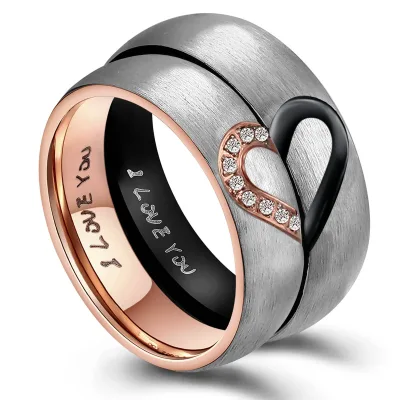
Source Unique 3D Design Promise Ring for Wedding Decoration Gift
Find a curated selection of 30 Unique 3D Design Promise Ring options crafted from titanium and stainless steel. Buyers can compare features like laser engraving, electroplating, and customization services for wedding, decoration, and gift purposes.
Key considerations
Products List


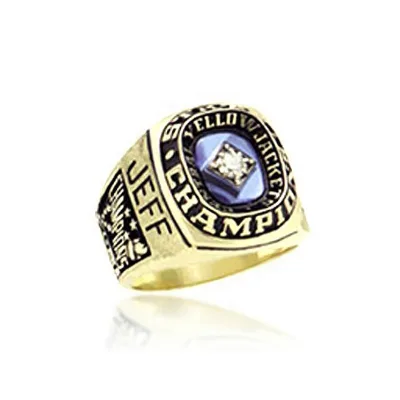
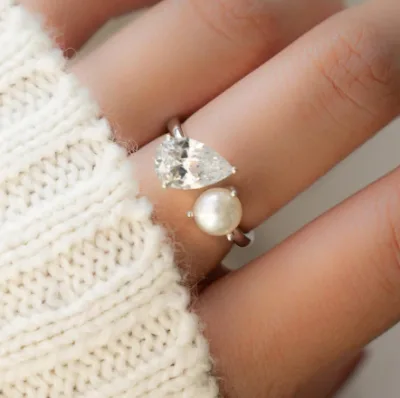


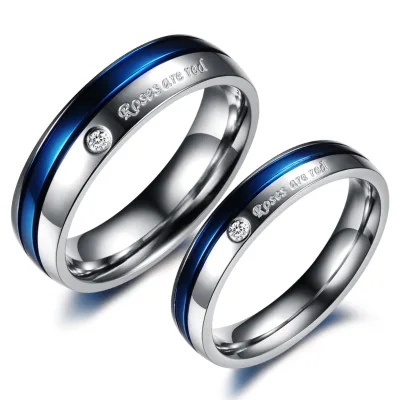
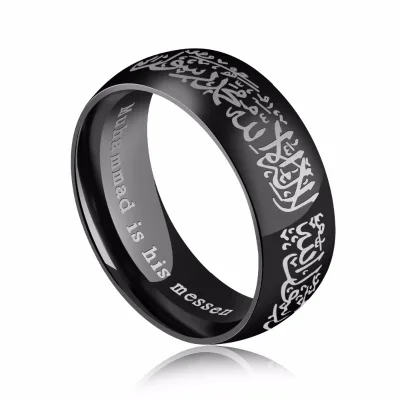


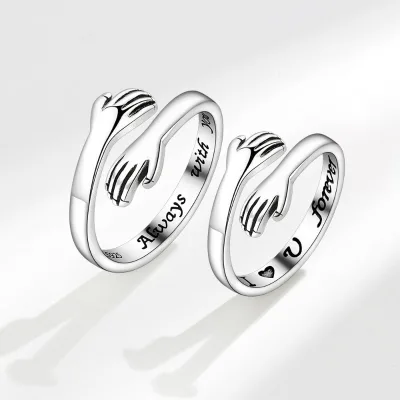
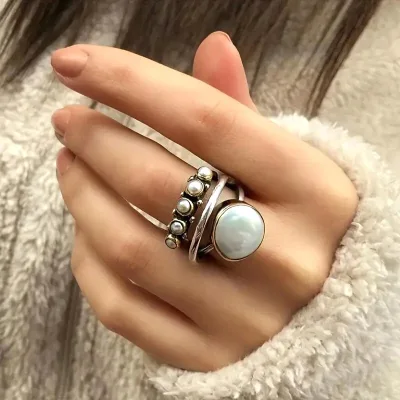
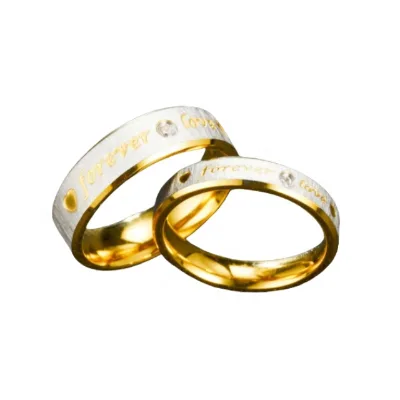


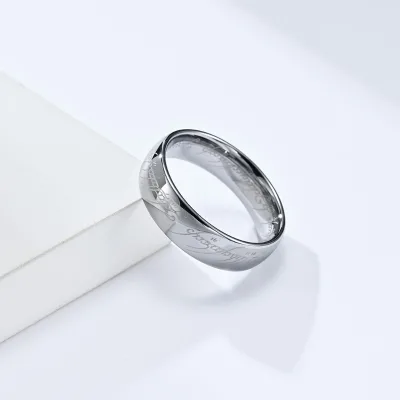




Comprehensive Sourcing Guide
Strategic Sourcing Guide for Unique 3D Design Promise Rings
The global market for promise rings has evolved significantly, moving beyond simple bands to encompass intricate, three-dimensional designs that serve as tangible symbols of commitment. For B2B procurement professionals seeking "unique 3D design promise rings," the sourcing landscape requires a nuanced understanding of material science, fabrication technologies, and supply chain logistics. This guide synthesizes available product attributes and industry standards to provide a disciplined framework for evaluating suppliers and defining product specifications. The focus remains on verifying observable facts rather than assuming universal performance across all listings, ensuring that procurement decisions are grounded in verified data points.
Defining Technical Specifications and Material Integrity
The foundation of any successful procurement strategy for promise rings lies in the precise definition of technical specifications. The market currently offers a diverse array of materials, with stainless steel and titanium being the most prominent options observed in current listings. Stainless steel variants often boast specific purity metrics, such as purity over 90%, and are frequently highlighted for their scratch-resistant properties. These rings are often treated with electroplating processes to achieve a mirror polish, ensuring a long-lasting shine and anti-tarnish performance. Conversely, titanium options are noted for their lightweight durability and are often processed through polishing techniques to achieve a refined finish.
When evaluating 3D designs, the fabrication processing method is critical. The observed data indicates that technologies such as die casting and stamping are utilized to create complex shapes and custom dimensions. For buyers seeking unique 3D aesthetics, the "custom shape" attribute is a key differentiator, allowing for designs that deviate from standard round or square profiles. Furthermore, the surface treatment is a vital specification; mirror polishing is frequently cited as a standard for high-end promise rings, providing the necessary luster to accentuate 3D engravings. Buyers must verify that the specific supplier's production line can handle the required surface treatments, as the transition from raw material to a polished, plated finish involves multiple quality checkpoints.
| Material | Key Attributes | Fabrication Process | Typical Finish |
|---|---|---|---|
| Stainless Steel | Purity >90%, Scratch-Resistant, Hypoallergenic | Electroplating, Mirror Polishing | Long-Lasting Shine, Anti-Tarnish |
| Titanium | Lightweight, Durable | Polishing | Exquisite Engraved Patterns |
| Iron | Structural Base | Die Casting & Stamping | Custom Shapes, Plated Finish |
Compliance, Certification, and Skin Safety
In the jewelry sector, particularly for items intended for daily wear and sensitive skin, compliance with health and safety standards is non-negotiable. The product data explicitly highlights "Nickel-Free" and "Hypoallergenic" properties as critical features for stainless steel rings. This is a significant selling point for B2B buyers targeting consumers with metal sensitivities. However, procurement teams must treat these as observations of specific product lines rather than universal guarantees for all suppliers. When sourcing unique 3D designs, the complexity of the geometry can sometimes trap plating materials or create crevices where nickel might leach if the coating is compromised.
Buyers should verify the "Skin-Friendly Property" claims through independent laboratory testing rather than relying solely on supplier assertions. The absence of nickel is a standard requirement for hypoallergenic claims, but the verification process must include checking the plating integrity. The observed data mentions "Nickel" as a plating material in some contexts, which creates a potential conflict with "Nickel-Free" claims if the plating wears off. Therefore, a rigorous compliance check is essential. This involves requesting Certificates of Analysis (CoA) that specifically test for heavy metals and allergens according to international standards. While specific certification names are not provided in the current data, buyers should demand evidence of compliance with REACH regulations or similar regional safety standards that govern jewelry components.
Cost Drivers and Pricing Dynamics
Understanding the cost structure of unique 3D promise rings is vital for maintaining healthy profit margins. The observed price range in the market spans from $0.03 to $10.00 USD, a wide variance that reflects differences in material costs, labor intensity, and customization levels. The primary cost drivers include the raw material type, with titanium and high-purity stainless steel generally commanding higher base costs than iron or standard steel alloys. Additionally, the "Exquisite Engraved Patterns" and "Laser Engraving Logo" capabilities add significant value but also increase production time and cost.
The "Customized Service" attribute, which includes size adjustments ranging from 5 to 13 US sizes, introduces another layer of cost complexity. Customization often requires retooling or manual intervention, which can impact the Minimum Order Quantity (MOQ). The observed MOQ range is between 3 and 1000 units, suggesting that suppliers offer flexibility for small-batch testing but may require larger volumes for cost-effective production of unique 3D designs. Buyers must balance the desire for low MOQs with the need for unit cost efficiency. The "Cost-Effective" feature noted in the data suggests that some suppliers optimize their processes to offer competitive pricing, but this should be weighed against the quality of the electroplating and the durability of the 3D structure.
Typical Applications and Market Positioning
The versatility of promise rings makes them suitable for a broad spectrum of applications. The data indicates usage scenarios ranging from "Wedding" and "Decoration" to "Gift-Giving" and "Daily Wear." The "Unisex" and "Male" gender attributes suggest that these rings are not limited to traditional bridal markets but are increasingly popular as fashion accessories for all genders. The "Fashion" and "Design: fashionable" attributes highlight the trend-driven nature of this product category. Unique 3D designs are particularly effective for "Gift-Giving" scenarios, where the visual impact and personalization (via laser engraving) add emotional value.
For B2B buyers, understanding the end-user context is crucial for supplier selection. A supplier specializing in "Inlaid Ring" types with "Electroplate" technology may be better suited for high-volume, fashion-forward retailers, while a supplier offering "Custom Shape" and "Die Casting" capabilities might be ideal for boutique brands focusing on bespoke, high-end promise rings. The "Wear Scenario" data, which includes "Business" and "Casual" settings, implies that the rings must be durable enough for daily use without losing their aesthetic appeal. This durability is directly linked to the "Mirror Polishing" and "Anti-Tarnish" features observed in the product specifications.
Supplier Evaluation and Customization Capabilities
Evaluating suppliers for unique 3D designs requires a deep dive into their technological capabilities and customization infrastructure. The presence of "Laser Engraving Logo" and "Exquisite Engraved Patterns" indicates that the supplier possesses advanced laser technology capable of high-precision detailing. This is essential for 3D designs where intricate patterns must be rendered accurately on curved or complex surfaces. Buyers should assess the supplier's ability to handle "Custom Size" requests, as the data shows a range of standard sizes (6, 9#, 17g) alongside custom options.
The "Serve: Customized Service" attribute suggests a willingness to adapt to buyer requirements, but the extent of this service must be clarified. Does the supplier offer design modification, or are they limited to engraving existing templates? The "Technics: Die Casting & Stamping" note implies a robust manufacturing base capable of producing complex geometries. However, buyers must verify the supplier's capacity for "Custom Shape" production, as this often requires specialized molds or 3D printing prototyping. The "OPP Bag" and "PP Bag" packaging options indicate standard protective measures, but for high-value promise rings, the "Box" packaging option may be necessary to meet premium market expectations.
Quality Control and Long-Term Procurement Considerations
Quality control in the jewelry industry is multifaceted, encompassing material purity, plating adhesion, and dimensional accuracy. The "Standard: 50#-72#" and "Standard: 8mm, 13mm, 16mm, 18mm, 20mm, 40mm ring" specifications highlight the importance of consistent sizing and dimensional tolerances. For 3D designs, maintaining these tolerances is more challenging than for simple bands. Buyers should implement a rigorous inspection protocol that checks for plating defects, such as peeling or uneven coverage, which can compromise the "Nickel-Free" claim if the base metal is exposed.
Long-term procurement considerations involve the stability of the supply chain and the consistency of product quality. The "Origin: China" location is a common source for these products, but buyers should not assume uniform quality across all Chinese manufacturers. Establishing a relationship with a supplier that offers "Customized Service" and has a proven track record of "Mirror Polishing" consistency is key. Additionally, the "Lead Time" and "MOQ" flexibility are critical for managing inventory. A supplier that can accommodate small MOQs for new designs while scaling up production for bestsellers provides a strategic advantage.
| Evaluation Criteria | Key Verification Points |
|---|---|
| Material Consistency | Verify purity levels (>90% for steel) and hypoallergenic claims |
| Plating Quality | Check for anti-tarnish performance and adhesion strength |
| Dimensional Accuracy | Confirm tolerance levels for custom sizes and diameters |
| Customization Capacity | Assess laser engraving precision and mold flexibility |
| Packaging Integrity | Ensure protection against damage during transit (Box vs. Bag) |
In conclusion, sourcing unique 3D design promise rings requires a balanced approach that prioritizes material integrity, technical capability, and supplier reliability. By focusing on the observable attributes of stainless steel and titanium, verifying skin-friendly properties, and understanding the cost drivers associated with customization, B2B buyers can build a robust supply chain. The market offers a wide range of options, from cost-effective daily wear rings to exquisite, engraved gift pieces, but success depends on rigorous due diligence and clear communication of specifications.
FAQs
What materials are used for unique 3d design promise rings?
Stainless steel and titanium are the primary materials observed for these rings. Stainless steel options often feature purity over 90% and scratch-resistant properties, while titanium is processed through polishing for a refined finish.
Can I get custom sizes for these promise rings?
Yes, customization services include size adjustments ranging from 5 to 13 US sizes. Some listings also offer custom sizes and custom shapes to meet specific design requirements for unique 3D aesthetics.
How are the rings finished to ensure long-lasting shine?
Rings undergo electroplating and mirror polishing to achieve a long-lasting shine and anti-tarnish performance. Titanium variants are polished to display exquisite engraved patterns, ensuring a high-quality visual finish.
Are these rings suitable for sensitive skin?
Stainless steel variants are often described as nickel-free and hypoallergenic for sensitive skin. Buyers should verify specific product claims regarding skin-friendly properties before purchasing for daily wear or business scenarios.
What customization services are available for these rings?
Services include laser engraving logos and exquisite engraved patterns. Suppliers offer customized service for design modifications, allowing for unique 3D shapes and specific branding requirements for gifts or weddings.
What is the typical price range for these rings?
The observed price range spans from 0.03 to 10 USD per unit. Costs vary based on material type, fabrication processing complexity, and the level of customization required for the final product.
How are the rings packaged for shipment?
Packaging options include OPP bags, PP bags, and boxes depending on the product tier. Standard protective measures ensure the rings remain safe during transit while maintaining their polished and plated finish.