Source Universal Rubber Air Intake Pipe for Engine Repair
Compare 30 listings for universal rubber air intake pipe components. Options include aluminum and EPDM materials with OEM specifications. Buyers can evaluate flexible, safety-focused designs for replace and repair purposes across various vehicle applications; compare the available evidence and request quotations based on your requirements.
Key considerations
Products List


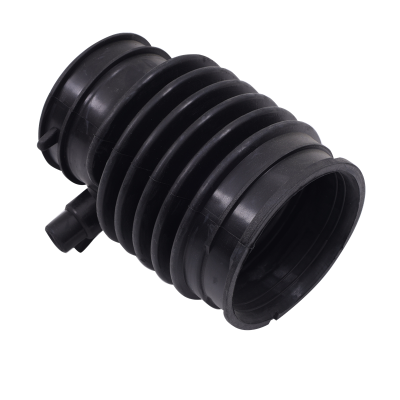
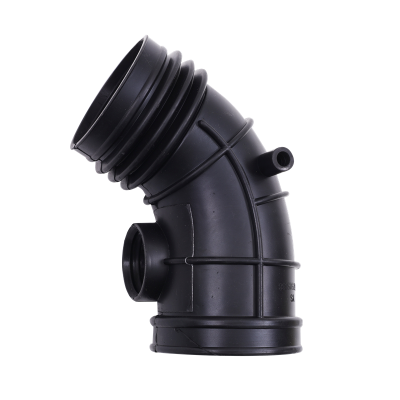


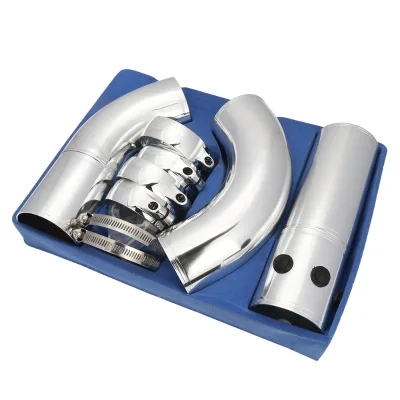


Comprehensive Sourcing Guide
Universal Rubber Air Intake Pipe Sourcing Guide
Procuring universal rubber air intake pipes requires careful evaluation of material compatibility and dimensional flexibility to ensure seamless integration across diverse vehicle platforms. Buyers must prioritize suppliers offering OEM-standard customization, as the observed market data indicates a strong prevalence of flexible EPDM and CR rubber compounds designed for high-temperature resistance. These materials are essential for maintaining structural integrity within the air intake system, particularly when operating within the extreme thermal ranges observed in the supply chain, such as -40℃ to 130℃ or even -60℃ to 180℃.
The sourcing strategy should focus on verifying the specific application context, whether for replacement or repair, to avoid mismatches in pipe diameter or connection types. Since the observed listings include various models like 16576-1CB0A and 28138-2B200, buyers must confirm that the selected pipe matches the exact OEM specifications of their target vehicle. Relying on generic descriptions without cross-referencing part numbers can lead to installation failures, making it critical to validate the "OEM Standard Size" or "Customized" attributes against the vehicle's service manual before finalizing any purchase order.
Product Scope and Observed Listing Signals
The current market for universal rubber air intake pipes displays a wide variance in product attributes, ranging from simple clamps and intercooler pipes to complex, multi-component assemblies. Listings frequently highlight features such as flexibility and safety, which are crucial for absorbing engine vibrations and preventing cracks under thermal stress. The observed inventory includes items with specific color options like black, blue, green, and red, suggesting that aesthetic matching or color-coding for different system zones is a common supplier offering. Buyers should note that while some products are sold as single items, others may be part of larger kits including necessary clamps for secure installation.
Commercial signals in the listings reveal significant diversity in packaging and logistics, with single gross weights varying from 9kg to over 25kg depending on the package size and component density. This variation impacts shipping costs and storage requirements, necessitating a clear understanding of the "Single Package Size" dimensions, which range from compact 40x20x10cm units to larger 80x50x40cm shipments. The presence of neutral packing and specific carton descriptions indicates that many suppliers cater to private label or rebranding needs, allowing buyers to customize the final presentation without altering the core product specifications.
Technical Specifications to Verify
Technical verification must begin with the material composition, as the supply chain data explicitly lists both Aluminum and CR Rubber EPDM as primary construction materials. While aluminum components may serve as rigid connectors or brackets, the flexible air intake pipes themselves rely heavily on the durability of EPDM rubber to withstand the harsh chemical and thermal environment of an engine bay. Buyers must confirm that the specified temperature range, such as -40℃ to 130℃, aligns with the operational demands of their specific vehicle application to prevent premature degradation or hardening of the rubber compound.
Dimensional accuracy is equally critical, with observed listings offering both "OEM Standard Size" and fully "Customized" options to accommodate unique vehicle modifications. The presence of specific model numbers like 13541440102 and 17228-REZ-A00 suggests that precise part identification is necessary to ensure a perfect fit. Procurement teams should request detailed dimensional drawings or physical samples to verify that the internal and external diameters match the intended hose connections, as even minor deviations can compromise airflow efficiency and lead to dangerous air leaks within the intake system.
Compliance and Safety Documentation
Compliance verification is a non-negotiable step in the sourcing process, with ISO9001 and ISOCE certifications appearing as key quality markers in the available product data. These certifications indicate that the manufacturing facilities adhere to established international standards for quality management and product safety, which is essential for ensuring consistent performance across large production batches. Buyers should explicitly request current certification documents from potential suppliers to validate that the production processes for rubber molding and assembly meet these rigorous requirements before committing to a large order.
Safety documentation must also address the specific performance claims of the rubber compounds, particularly regarding their flexibility and resistance to environmental stressors. The observed attributes highlight "flexible" and "Safety" as core features, implying that the products are designed to prevent failure under dynamic conditions. However, buyers should not assume these claims are universally true for all listed items; instead, they must demand test reports or material safety data sheets (MSDS) that confirm the rubber's ability to withstand the stated temperature extremes without cracking or losing elasticity during operation.
Cost Drivers and Commercial Terms
Cost structures for universal rubber air intake pipes are heavily influenced by the degree of customization required and the specific material grade selected. The observed MOQ ranges from 50 to 1000 pieces, with some suppliers setting a minimum of 30 or 50 pieces, which directly impacts the unit price and the overall budget for the procurement project. Buyers with lower volume needs may face higher per-unit costs or may need to negotiate with suppliers who offer flexible MOQ terms, while those seeking bulk pricing must be prepared to commit to larger order quantities to achieve economies of scale.
Commercial terms also vary significantly, with payment methods including T/T, PayPal, and Western Union, and lead times potentially affected by the origin location in provinces like Zhejiang, Hebei, and Xingtai. The single gross weight and package dimensions observed in the listings suggest that shipping costs will be a significant variable, particularly for heavier items weighing up to 25.4kg. Procurement managers should factor in these logistics costs when comparing supplier quotes and ensure that the agreed-upon Incoterms clearly define who bears the risk and expense during transit to avoid unexpected financial liabilities.
Supplier Qualification and Quality Control
Supplier qualification should prioritize manufacturers with a proven track record in OEM and ODM services, as the data indicates a strong presence of suppliers offering these specific capabilities. The observation of brands like "Dema" and the mention of "OEM Service" suggests that many suppliers are capable of producing private-label goods or manufacturing to exact client specifications. Buyers should verify the supplier's production capacity and their ability to maintain consistency in material properties, especially given the critical nature of rubber components in engine performance and safety.
Quality control protocols must be rigorously enforced, focusing on the consistency of the rubber compound and the precision of the molding process. The observed processing services, such as cutting, indicate that suppliers may offer value-added services that require tight quality control to ensure dimensional accuracy. Buyers should implement a pre-shipment inspection plan that includes checking for defects like uneven surfaces, incorrect colors, or improper flexibility, ensuring that the final delivered goods match the agreed-upon specifications and performance standards before release.
Long-Term Procurement Checks
Establishing a long-term procurement relationship requires regular audits of supplier performance and continuous monitoring of product quality over time. The dynamic nature of the automotive aftermarket means that vehicle models and engine specifications evolve, necessitating that suppliers remain agile in updating their product lines to match new OEM requirements. Buyers should schedule periodic reviews of the supplier's ability to deliver consistent quality, particularly regarding the material's resistance to aging and thermal stress, to ensure the longevity of the air intake systems they supply.
Continuous improvement initiatives should be integrated into the procurement strategy, focusing on feedback loops between the buyer and the supplier to address any recurring issues or performance gaps. The observed diversity in product models and origins suggests that a robust supply chain strategy involves diversifying sources to mitigate risks associated with single-supplier dependency. By maintaining open communication and setting clear expectations for future product development, buyers can ensure a steady supply of high-quality universal rubber air intake pipes that meet the evolving demands of their customers.
FAQs
What materials are used for universal rubber air intake pipes?
These pipes are typically manufactured from CR Rubber EPDM or Aluminum. EPDM provides flexibility and safety, while Aluminum offers durability. The material choice depends on the specific application requirements and environmental conditions of the vehicle's air intake system.
Can these pipes be customized for specific vehicle models?
Yes, customization is available for universal rubber air intake pipes. Manufacturers offer OEM service and customized sizes to fit various engine configurations. Buyers can specify dimensions to ensure a precise fit for their particular vehicle model or aftermarket modification needs.
What certifications do these air intake pipes hold?
These products often hold ISO9001 and ISOCE certifications, indicating adherence to quality management standards. They are primarily targeted at the European market. Buyers should verify specific certification documents with suppliers to ensure compliance with regional regulations and quality expectations.
What is the typical temperature range for these pipes?
The pipes are designed to withstand temperatures ranging from -40℃ to 130℃, and some variants handle up to 180℃. This wide range ensures reliable performance in various engine bay conditions, preventing degradation or failure under extreme heat or cold.
Where are these air intake pipes manufactured?
These pipes are manufactured in China, specifically in regions like Zhejiang, Hebei, and Xingtai. Different suppliers may operate in these locations, offering various production capabilities. Buyers can select suppliers based on proximity to logistics hubs or specific regional manufacturing strengths.
What is the minimum order quantity for these pipes?
The minimum order quantity varies by supplier, typically ranging from 1 to 1000 pieces. Some suppliers require a MOQ of 30 or 50 pieces. Buyers should check individual supplier listings to determine the specific MOQ that aligns with their procurement volume.