Source Universal Type Bulldozer for Construction, Mining, and Land Clearing
Find 30 Universal Type Bulldozer listings with hydraulic transmission and crawler or wheeled walking modes. Buyers can compare engine power, machine weight, and blade specifications from verified Chinese manufacturers.
Key considerations
Products List


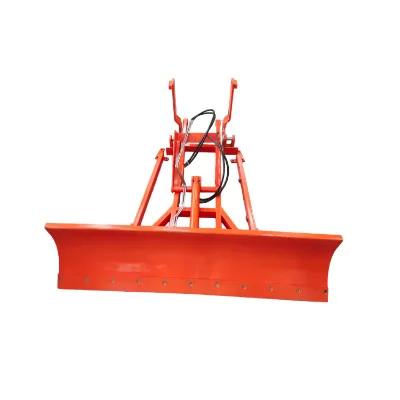


Competitive Price Bulldozer SD32 Cheap Price in High Quality Assurance
$53000.00 - $55000.00
MOQ: 1 Pieces


Ready-to-Load Used Bulldozer with Fast Dispatch to Major International Ports
$27999.00 - $52000.00
MOQ: 1 Pieces

Used SD16tl Bulldozer with Negotiable Price /Second Hand Bulldozer for Sale
$35000.00 - $38500.00
MOQ: 1 Pieces

Durable Bulldozer 160c for Challenging Terrain and Tough Conditions
$29000.00 - $33500.00
MOQ: 1 Pieces

Comprehensive Sourcing Guide
Strategic Sourcing Guide for Universal Type Bulldozers
Understanding the Universal Type Bulldozer Category
The term "universal type" in the context of heavy construction machinery refers to a versatile class of equipment designed to perform a wide array of earthmoving tasks across diverse terrains. When sourcing a Universal Type Bulldozer, buyers are typically looking for a machine that balances raw power with operational flexibility. Based on observed market data, these units are predominantly categorized as crawler bulldozers, utilizing a continuous track system known as "walking mode" to provide superior traction and stability on uneven ground. This walking mode is a critical differentiator from wheeled variants, which are generally reserved for smoother surfaces or specific transport scenarios. The universal designation implies that the machine is not limited to a single specialized function but is capable of pushing, grading, and leveling materials effectively.
The core identity of these machines is often anchored by specific model series, such as the SHANTUI SD16, SD16L, SD22, and SD32. These models represent a spectrum of power and size, allowing procurement teams to select a unit that matches the specific scale of their construction projects. The observed product attributes indicate a strong preference for hydraulic transmission systems, which offer smoother power delivery and better control compared to mechanical alternatives. This transmission type is essential for maintaining consistent performance under heavy loads, a common requirement in construction machinery applications. The Universal Type Bulldozer is fundamentally designed for the construction industry, serving as a primary tool for site preparation, road building, and bulk material handling.
Technical Specifications and Performance Metrics
When evaluating the technical specifications of a Universal Type Bulldozer, buyers must scrutinize the engine power, machine weight, and dimensional constraints. The observed data reveals a significant range in engine power, spanning from 147 kW to 515 kW, with specific models like the SD16 featuring a rated power of approximately 160 HP or 162 kW. Larger models, such as the SD22, demonstrate higher output with a rated power of 235 kW. This variance allows buyers to match the machine's capabilities to the soil conditions and volume of work expected. The engine models cited, such as the Cummins Nt855-C280s10 and Cumminsnta855-C360s10, indicate a reliance on established, high-torque diesel engines known for durability in demanding environments.
Machine weight is another critical specification that influences transport logistics and ground pressure. The observed data shows a weight range from 15,200 kg for smaller units to 37.2 tons for larger crawler models. For instance, a specific universal type unit is listed with a machine weight of 23.4 tons, while a larger counterpart reaches 37.2 tons. These weight figures directly correlate with the machine's ability to penetrate hard soil and maintain stability during pushing operations. Dimensional specifications are equally vital for site access and transport. The standard dimensions observed include lengths ranging from approximately 5,262 mm to 6,880 mm, with widths between 3,725 mm and 4,150 mm, and heights varying from 3,074 mm to 3,725 mm.
The blade configuration is a defining feature of the universal type. The data points to an "SD Shantui" blade type, which is a standard configuration for these models. The blade's performance is further defined by its maximum depth of soil penetration, observed at 572 mm, and a maximum lifting height of 592 mm. These metrics determine the machine's efficiency in moving material in a single pass. Additionally, the load and unload method is specified as front discharge, which is the standard operational mode for bulldozers, allowing for efficient forward pushing and dumping of material. The number of teeth on the blade, observed as three teeth, suggests a configuration optimized for breaking up compacted soil or rocky terrain.
Compliance, Certification, and Safety Standards
In the global B2B procurement landscape, compliance with international standards is non-negotiable. The observed product listings consistently highlight certifications such as CE and ISO9001. The CE marking indicates conformity with health, safety, and environmental protection standards for products sold within the European Economic Area, a crucial requirement for international buyers. The ISO9001 certification confirms that the manufacturer adheres to a quality management system that ensures consistent product quality and customer satisfaction. It is important to note that these certifications are often linked to specific conditions, such as the "New" condition of the machine, ensuring that the compliance applies to the current inventory rather than refurbished units.
Beyond general certifications, buyers must verify adherence to specific industry standards regarding machine dimensions and operational safety. The observed data references a standard dimension of 526241503074 mm for certain models, which serves as a baseline for transport and site compatibility. Furthermore, the "ISO" standard is explicitly mentioned in the context of product standards, suggesting that the manufacturing processes and final product specifications align with International Organization for Standardization guidelines. Buyers should request documentation proving that the specific unit being purchased meets these standards, particularly regarding noise emissions, exhaust gas levels, and operator safety features.
The origin of the machinery is also a factor in compliance. The data indicates that these universal type bulldozers originate from China, specifically from the Shandong region. While this is a major manufacturing hub, buyers must ensure that the specific supplier can provide valid proof of origin and that the export documentation aligns with the import regulations of the destination country. The "Nude" or "Seaworthy Packing" options observed in the product attributes suggest that the machines are prepared for long-distance ocean shipment, but the buyer must verify that the packing meets the specific requirements of the shipping line and the destination port to prevent damage during transit.
Cost Drivers and Procurement Economics
The economics of sourcing a Universal Type Bulldozer are influenced by several variables, including engine power, machine weight, and the level of customization available. The observed price range in the market spans from $1,000 to $1,000,000 USD. This wide range reflects the diversity of the product line, from smaller, lower-power units to heavy-duty, high-horsepower models. The Minimum Order Quantity (MOQ) is observed to be 1, indicating that buyers can procure a single unit without needing to commit to a bulk order, which is advantageous for small to medium-sized construction firms or rental companies.
Customization is a significant cost driver and value-adder. The product attributes confirm that customization is available, allowing buyers to tailor the machine to specific project needs. This could include modifications to the blade type, engine configuration, or auxiliary attachments. However, buyers should be aware that custom orders may impact the delivery time. The standard delivery time observed is "Shipped in 30 Days After Payment," but this timeline can extend if significant customization is requested.
The condition of the machine is another factor affecting cost. The data consistently lists the condition as "New," which commands a premium price compared to used or refurbished units. Buyers must weigh the benefits of a new machine, such as warranty coverage and lower maintenance costs, against the initial capital expenditure. The "Nude" packing option may reduce shipping costs but requires the buyer to arrange for additional protective measures if the destination site lacks proper storage facilities. Conversely, "Seaworthy Packing" adds to the initial cost but ensures the machine arrives in optimal condition, potentially reducing long-term repair expenses.
Typical Applications and Operational Scenarios
The Universal Type Bulldozer is designed for a broad spectrum of construction applications. Its primary use is in construction machinery projects, where it serves as the backbone of earthmoving operations. The hydraulic transmission and crawler walking mode make it particularly effective in soft, muddy, or uneven terrain where wheeled vehicles might struggle. The machine's ability to push large volumes of soil, rock, and debris makes it ideal for site clearing, grading, and leveling.
The specific dimensions and weight of the machine dictate its suitability for different project scales. Smaller models, with weights around 15,200 kg and engine powers under 74 kW, are well-suited for residential construction, landscaping, and small-scale road work. These units offer greater maneuverability in confined spaces. Larger models, such as the SD32 with a weight of 37.2 tons and engine power exceeding 200 kW, are designed for large-scale infrastructure projects, including highway construction, dam building, and major mining operations. The maximum depth of soil penetration of 572 mm allows these machines to handle deep excavation tasks efficiently.
The "front discharge" load and unload method is standard for most bulldozer applications, facilitating continuous forward movement and material placement. This operational method is particularly efficient in open sites where the machine can push material directly to the designated dump area. The "Three Teeth" blade configuration suggests that these machines are also capable of handling harder materials, such as compacted clay or light rock, by breaking them up before pushing. The versatility of the Universal Type Bulldozer ensures that it can adapt to changing site conditions, making it a reliable asset for contractors who face unpredictable terrain.
Supplier Evaluation and Quality Assurance
When evaluating suppliers for universal type bulldozers, buyers must look beyond the basic product specifications. The presence of CE and ISO9001 certifications is a baseline requirement, but buyers should also verify the supplier's track record in delivering machines that meet these standards. The observation of specific engine models, such as Cummins and Shangchai, indicates that the supplier sources components from reputable manufacturers. Buyers should request proof of these component origins to ensure that the final assembly meets the expected quality standards.
Quality control should be a priority throughout the procurement process. The "New" condition of the machines suggests that they have undergone a final inspection before listing, but buyers should insist on a pre-shipment inspection report. This report should verify that the machine's dimensions, engine performance, and hydraulic systems match the specifications provided. The "Nude" or "Seaworthy Packing" options should be inspected to ensure that the machine is properly secured for transport, preventing damage during the 30-day shipping window.
The supplier's location, specifically the Shandong region in China, is a known hub for heavy machinery manufacturing. However, buyers should verify the specific factory's capabilities and capacity to ensure they can meet the delivery timeline. The "30 Days After Payment" lead time is a standard benchmark, but buyers should confirm that this timeline is realistic for the specific model and customization level ordered. Communication with the supplier regarding the production schedule and any potential delays is essential to manage expectations and ensure timely delivery.
Long-Term Procurement and Lifecycle Management
Procuring a Universal Type Bulldozer is a long-term investment that requires careful consideration of lifecycle management. The machine's durability, maintenance requirements, and availability of spare parts are critical factors that influence the total cost of ownership. The use of established engine brands like Cummins and Shangchai suggests that spare parts should be readily available, but buyers should confirm the supplier's commitment to after-sales support and parts availability.
The "Universal Type" designation implies that the machine will be used for various tasks over its lifespan. Buyers should consider the machine's adaptability to different attachments and configurations. The available customization options suggest that the machine can be modified to suit future project needs, extending its useful life. However, buyers should also consider the depreciation of the machine and its resale value. New machines with full certifications and warranties generally hold their value better than used or non-compliant units.
Finally, buyers should plan for the operational costs associated with the machine, including fuel consumption, operator training, and routine maintenance. The engine power range of 147 to 515 kW indicates varying fuel consumption rates, which should be factored into the project budget. The hydraulic transmission system, while efficient, requires regular maintenance to ensure optimal performance. By selecting a supplier that offers comprehensive support and training, buyers can ensure that the Universal Type Bulldozer remains a productive asset throughout its operational life.
FAQs
What certifications do universal type bulldozers have?
These machines typically hold CE and ISO9001 certifications for safety and quality management. The certifications apply to new condition units, ensuring compliance with international standards for European and global markets.
Which engine models are used in these bulldozers?
Common engines include Cummins Nt855-C280s10 and Shangchai D6114zg4b models. These power units provide rated outputs ranging from 147 kW to 515 kW depending on the specific model selected.
How is the delivery time calculated for these units?
Delivery is typically shipped within 30 days after payment is received. This timeline applies to standard orders, though customization requests may alter the final shipping schedule.
Can buyers customize the Universal Type Bulldozer specifications?
Yes, customization is available for specific project requirements. Buyers can request modifications to blade types or engine configurations to suit their unique construction site conditions.
What is the minimum order quantity for these machines?
The minimum order quantity is one unit, allowing single-unit procurement. This flexibility supports small to medium construction firms without requiring bulk purchase commitments.
Which walking modes are available for these bulldozers?
Crawler walking modes are standard for superior traction on uneven terrain. Some smaller units may feature wheeled modes, but crawler systems are preferred for heavy construction tasks.