Source Universal White PRP Kits for Skin Care, Dental, Orthopedic
Find 30 Universal White PRP Kits suitable for skin care, dental, and orthopedic applications. Buyers can compare specifications like size, sterilization methods, and certifications from verified Chinese manufacturers offering customizable options.
Key considerations
Products List


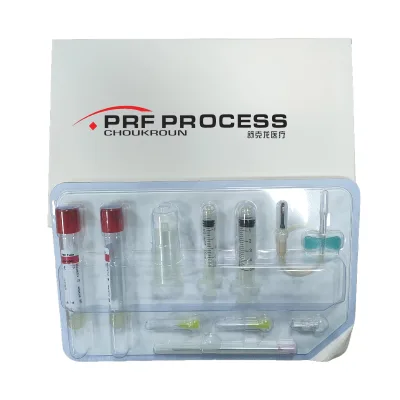
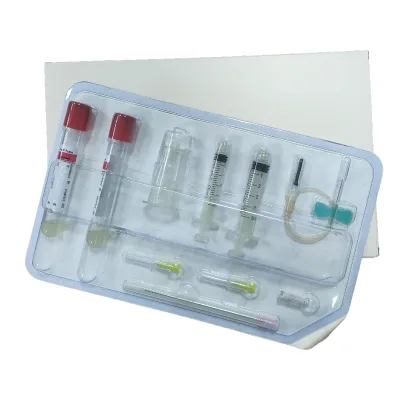
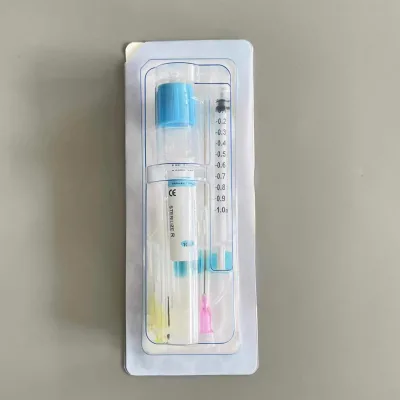
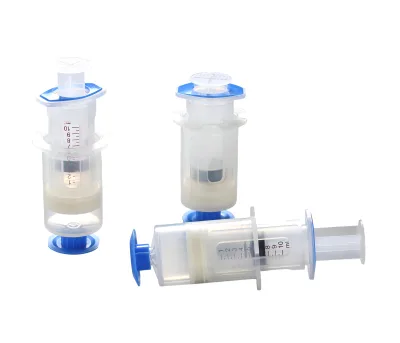
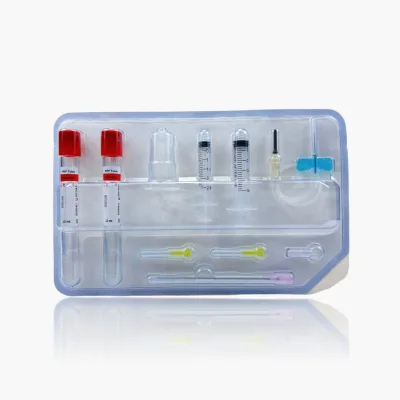
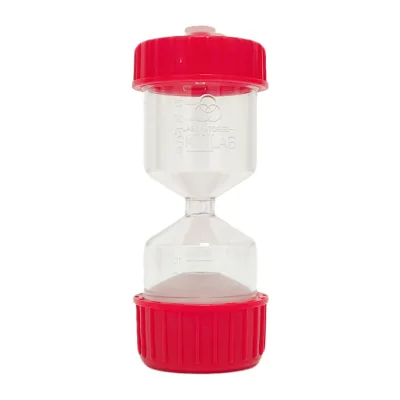


Hospital Medical Use Platelet Rich Plasma Prp Kit for Facial Surgery Obstetrics
$40.00 - $58.00
MOQ: 50 pieces

Medical 20ml Dr Prp Kit for Skin Orthopedic Spinal Surgery Bone Regeneration
$48.00 - $60.00
MOQ: 10 pieces


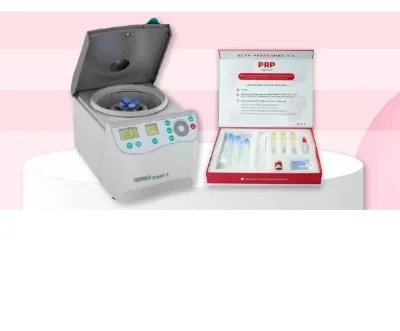

Comprehensive Sourcing Guide
Strategic Sourcing Guide for Universal White PRP Kits
Understanding Product Definitions and Core Specifications
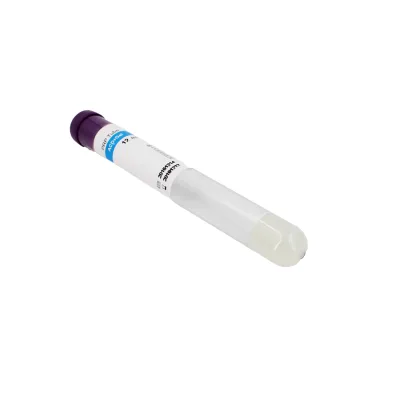
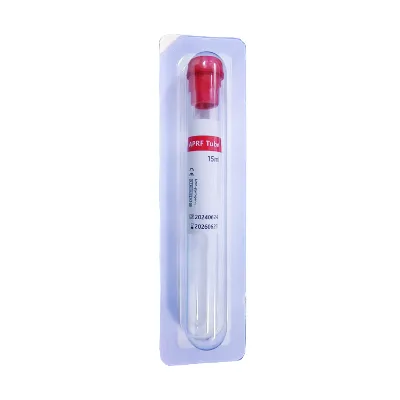
When sourcing Universal White PRP Kits, buyers must first establish a precise understanding of the product's physical and functional identity. The market terminology often varies, but the core component is consistently identified as a "prp tube" or "prp kit" designed for the separation of platelet-rich plasma from whole blood. These devices are fundamentally classified as vacuum blood tubes and blood bags, constructed primarily from plastic materials to ensure compatibility with standard centrifugation protocols. The visual descriptor "white" typically refers to the packaging or the tube body color, which aids in visual identification during clinical workflows, though the internal mechanism relies on specific chemical additives.
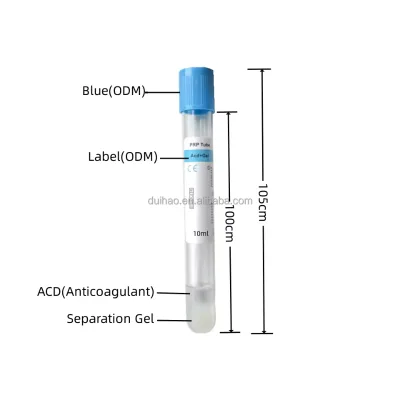
The technical architecture of these kits is defined by their internal composition. A critical observation in the supply chain is the presence of specific additives, namely separation gel and anticoagulant. The separation gel serves to create a physical barrier between the cellular components and the plasma after centrifugation, while the anticoagulant prevents the blood from clotting prematurely, ensuring the integrity of the sample. The physical dimensions of these tubes vary significantly to accommodate different clinical needs. Observed specifications include a range of volumes such as 8ml, 10ml, 12ml, 20ml, 22ml, and 30ml. Specific model standards often cite dimensions like 16mm in diameter by 120mm in length for a 15ml capacity, or simply denote a 10ml standard. The "universal" aspect of the keyword implies compatibility with various centrifuge models, but buyers must verify that the tube geometry matches their specific equipment requirements.
Furthermore, the classification of these instruments is a vital technical parameter. While some listings categorize these items under general surgical supplies materials, specific regulatory classifications exist. In certain contexts, these devices are classified as Class II instruments, indicating a moderate to high risk profile that requires special controls. However, other variations or specific component types within the kit may be classified as Class I. This discrepancy highlights the necessity for buyers to verify the exact regulatory classification of the specific model number they intend to purchase, as this dictates the regulatory pathway for import and clinical use in different jurisdictions.
Regulatory Compliance and Certification Verification
Navigating the regulatory landscape for PRP kits requires rigorous verification of certifications, as these devices are medical instruments subject to strict oversight. The supply chain presents a mix of certification claims that buyers must scrutinize. High-confidence data indicates that many suppliers offer products with CE, ISO13485, and GMP certifications. Additionally, some listings reference ISO13485 combined with FSC (Forest Stewardship Council) certification, which may relate to the packaging materials rather than the medical device itself. Other sources mention a combination of CE, FDA, and ISO13485, suggesting a broader market reach, though the specific status of FDA approval for a particular model must be confirmed with the manufacturer.
Safety standards are another critical pillar of compliance. Products are frequently described as adhering to International Safety Standards, which serves as a baseline for quality assurance. The sterilization method is a definitive compliance factor. The observed data points to two primary sterilization approaches: Ethylene Oxide (EtO) Sterilization and Co-60 Gamma Radiation. The choice between these methods impacts the supply chain logistics and the shelf life of the product. For instance, radiation sterilization is often preferred for its ability to penetrate packaging effectively, while EtO is a common alternative. Buyers must ensure that the sterilization method claimed by the supplier aligns with their local regulatory requirements and hospital protocols.
The product's shelf life is directly tied to the sterilization and packaging integrity. Standard observations indicate a shelf life of two years. This duration is contingent upon the product remaining in its sterile, sealed condition. The packaging type is consistently described as a sterile package, often packed by blister or in a pouch within a carton. The "universal white" kits are designed to be disposable, a feature that simplifies waste management but increases the volume of medical waste generated. Verification of the "Sterile Package" claim is essential, as the integrity of the seal determines the validity of the sterility assurance level (SAL).
Cost Drivers and Pricing Dynamics
The pricing structure for Universal White PRP Kits is influenced by a complex interplay of factors, resulting in a wide observed range from $0.01 to $68 per unit. This variance is not merely a reflection of brand prestige but is driven by specific procurement parameters. The most significant cost driver is the Minimum Order Quantity (MOQ). The market data reveals a stark contrast in entry barriers: some suppliers offer an MOQ of just 1 unit, catering to small clinics or trial orders, while others mandate an MOQ of 10,000 pieces, targeting large distributors or hospital networks. This disparity suggests that unit pricing is highly volume-dependent, with bulk orders likely securing the lower end of the price spectrum.
Material costs and manufacturing complexity also play a role. The use of specific plastics, the inclusion of separation gel and anticoagulant additives, and the precision required for the vacuum sealing process contribute to the base cost. Additionally, the packaging requirements, such as blister packs, inner boxes, and outer cartons, add to the final price. The logistics of shipping, whether via DHL, FedEx, TNT, UPS, EMS, or sea freight, further influence the landed cost. Suppliers often list payment terms such as T/T (Telegraphic Transfer), which can affect cash flow and negotiating leverage.
Buyers should also consider the cost of customization. The availability of logo printing and OEM (Original Equipment Manufacturer) services, with brands like Kealor or custom branding options, introduces an additional variable. Customization typically requires higher MOQs and longer lead times, which can increase the per-unit cost. The observed delivery times, ranging from 20 to 25 days for certain models, indicate that lead time is a factor in the overall cost of ownership. Rush orders or smaller batch sizes may incur premium shipping fees, whereas consolidated sea freight for large orders reduces the per-unit logistics cost.
Typical Clinical Applications and Usage Scenarios
The versatility of Universal White PRP Kits is evidenced by their diverse application spectrum. These devices are primarily utilized in medical settings where autologous blood products are required for therapeutic purposes. The observed applications span several key medical disciplines, including skin care, hair loss treatment, orthopedics, and dentistry. In dermatology and aesthetic medicine, PRP is used to stimulate collagen production and improve skin texture. In hair restoration, the growth factors in the plasma are applied to the scalp to promote follicle health.
Orthopedic applications focus on the treatment of musculoskeletal injuries, utilizing PRP to accelerate the healing of tendons, ligaments, and joints. Similarly, in dentistry, PRP kits are employed to enhance bone grafting procedures and improve the healing of oral tissues. The "Medical" application category is broad, encompassing any procedure where the separation of plasma from blood cells is necessary for therapeutic intervention. The fact that these kits are classified as surgical supplies materials underscores their role in sterile, invasive procedures.
The "No-Toxic" and "Pyrogen-Free" features of these kits are critical for their application in sensitive medical fields. The absence of toxic substances and pyrogens ensures patient safety during the injection or application of the plasma. The manual power source mentioned in some specifications suggests that the kits are designed for use in settings where automated processing is not available or where a manual centrifugation step is preferred. This flexibility allows the kits to be used in a wide range of clinical environments, from high-volume surgical centers to smaller outpatient clinics.
Supplier Evaluation and Quality Control Protocols
Evaluating suppliers for Universal White PRP Kits requires a multi-faceted approach that goes beyond price comparison. Buyers must assess the supplier's ability to maintain consistent quality, as the performance of the kit relies on the precise concentration of additives and the integrity of the vacuum seal. The presence of certifications like ISO13485 and GMP is a strong indicator of a supplier's commitment to quality management systems. However, buyers should verify the validity of these certifications and ensure they cover the specific manufacturing site.
Quality control should extend to the physical attributes of the product. The "Concentricity" of 4.0 microns mentioned in some specifications suggests a high level of manufacturing precision, which is crucial for the proper functioning of the vacuum tube. Buyers should request test results or quality assurance reports that confirm the sterility, the absence of pyrogens, and the correct volume of the anticoagulant and separation gel. The "Stock" availability is another practical consideration; suppliers with "Yes" stock status can offer faster delivery, which is vital for urgent medical needs.
The origin of the product is also a factor in supplier evaluation. Most observed data points to China as the place of origin, with specific mentions of Jiangsu as a manufacturing hub. While this does not inherently indicate lower quality, it does influence the supply chain dynamics, including shipping times and import regulations. Buyers should inquire about the supplier's experience with international shipping, including the ability to handle customs documentation and ensure that the products meet the safety standards of the destination country.
Long-Term Procurement and Supply Chain Considerations
Sourcing Universal White PRP Kits is not a one-time transaction but a strategic long-term partnership. The availability of customization options, such as logo printing and OEM branding, allows buyers to build a distinct market presence. However, these customizations often come with higher MOQs and longer lead times, requiring careful inventory planning. The standard delivery time of 20-25 days should be factored into the procurement cycle to avoid stockouts.
Buyers should also consider the scalability of their supply chain. The wide range of MOQs, from 1 to 5,000 units, offers flexibility, but the jump to 10,000 pieces for certain models indicates that significant volume discounts may only be available at higher tiers. Planning for growth involves understanding the supplier's capacity to scale production without compromising quality. The variety of shipping options, from air freight to sea freight, allows buyers to balance cost and speed based on their inventory levels.
Finally, the shelf life of two years provides a reasonable window for inventory management, but buyers must monitor their stock rotation to ensure that older units are used first. The "Universal" nature of the kits means they can serve multiple clinical departments, which can help in managing inventory turnover. By maintaining a relationship with a reliable supplier who adheres to strict quality standards and offers consistent lead times, buyers can ensure a steady supply of high-quality PRP kits for their medical operations.
FAQs
What certifications do Universal White PRP Kits typically hold?
These kits commonly hold CE, ISO13485, and GMP certifications. Some listings also reference FSC certification for packaging materials, while others include FDA approval, requiring verification of the specific model status.
How are Universal White PRP Kits sterilized before shipping?
The kits are sterilized using either Ethylene Oxide or Co-60 Gamma Radiation methods. This ensures the products are pyrogen-free and safe for medical applications like skin care and orthopedic procedures.
Which specifications define the volume and size of these kits?
Available volumes range from 8ml to 30ml, with specific models like 10ml or 15ml standard sizes. Dimensions often include 16mm diameter by 120mm length for the 15ml capacity tubes.
Can buyers customize the branding on Universal White PRP Kits?
Yes, logo printing and OEM services are available for these kits. Customization options allow for brand names like Kealor, though they may require specific minimum order quantities and longer lead times.
What is the typical shelf life of these medical kits?
The standard shelf life is two years from the date of manufacture. This duration applies provided the sterile blister package remains sealed and the product is stored according to safety standards.
How does the minimum order quantity vary for these kits?
MOQs range widely from 1 unit for small trials to 10,000 pieces for bulk distribution. The specific requirement depends on the supplier and whether customization or standard packaging is selected.