Source HPLC Column for Preparative, Semi-Prep, and Research
Compare 30 HPLC Column options including preparative and semi-preparative types for biochemistry and medical research. These units feature liquid chromatography with solid adsorbent stationary phases and are available with custom service from manufacturers in China.
Key considerations
Products List


Factory Price Acrylic Column Column, Bed Lenght 500mm HPLC Column
$271415.00 - $291415.00
MOQ: 1 Pieces


High Performance Portable HPLC System Liquid Chromatography Machine HPLC Column for Analysis
$1000.00 - $3000.00
MOQ: 1 Pieces


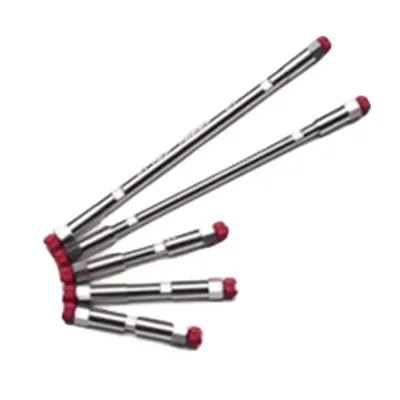
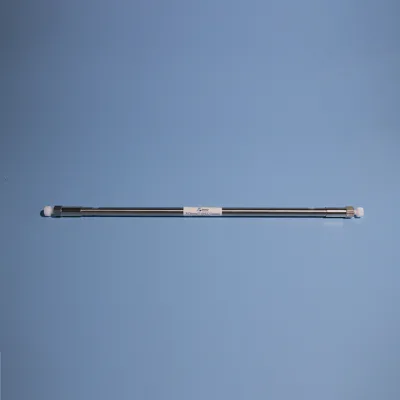
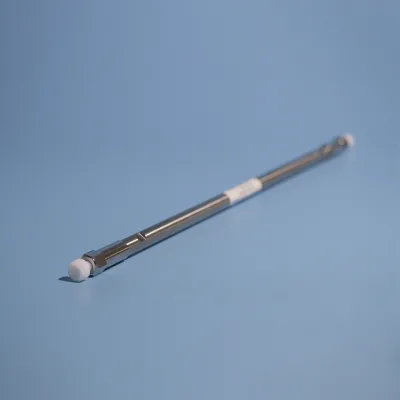
USP L56 Low-pH Stable Reversed Phase C3 HPLC Column for Acidic Compound
$550.00 - $630.00
MOQ: 1 Pieces


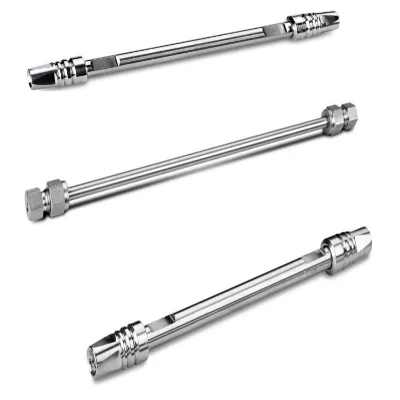
HPLC High Performance Liquid Chromatography Analytical HPLC for Laboratory
$7199.00 - $11999.00
MOQ: 1 Pieces

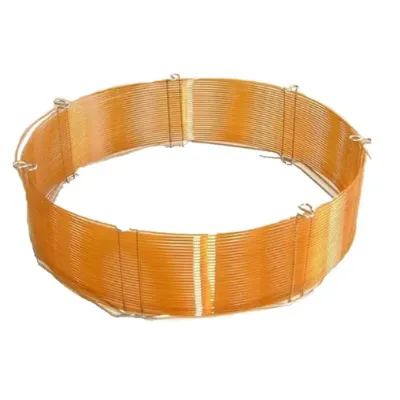
Laboratory Column Gc HPLC Accessories Gas Liquid Chromatography Column
$400.00 - $800.00
MOQ: 1 Pieces

Comprehensive Sourcing Guide
Strategic Sourcing Guide for High-Performance Liquid Chromatography Columns
Understanding Technical Specifications and Material Compatibility
When sourcing High-Performance Liquid Chromatography (HPLC) columns, the primary objective is to align the physical and chemical properties of the column with the specific requirements of the analytical or preparative process. The supply market presents a diverse array of configurations, ranging from standard analytical units to large-scale preparative systems. A critical starting point for any procurement strategy is the verification of the column's physical dimensions and internal geometry. Buyers must scrutinize the effective column bed height, which in the observed market data ranges from 50 to 350 millimeters, and the overall column length, which typically spans between 10 and 30 centimeters for semi-preparative applications. The physical footprint is equally important; specific models may require dimensions such as 1450mm by 990mm by 1900mm to accommodate the necessary housing and support structures.
Material compatibility is the second pillar of technical evaluation. The wetted parts of the column must be chemically inert to the mobile phase and the analytes being processed. The observed product attributes indicate a variety of construction materials, including 316L stainless steel, Polypropylene (PP), Peek, and EPDM for wetted components. The outer housing or tube material often utilizes Acrylic, Glass, or 316L stainless steel. Selecting the correct combination is vital to prevent corrosion, leaching, or adsorption issues that could compromise sample integrity. For instance, 316L stainless steel is frequently specified for its robustness in high-pressure environments, while Peek offers excellent chemical resistance for aggressive solvents.
The pore size of the packing material is another decisive specification. Data indicates a standard pore size of 5 micrometers (5um) for the packing material, which directly influences the resolution and flow dynamics of the separation. Buyers should verify that the pore size matches the molecular weight of the target analytes; smaller pores are generally required for smaller molecules to maximize surface area interaction, while larger pores facilitate the separation of macromolecules. Furthermore, the stationary phase is typically described as a solid adsorbent, and the chromatographic column type can vary between preparative and semi-preparative categories. The choice between these types dictates the scale of operation and the throughput capacity of the system.
Compliance, Certification, and Regulatory Standards
In the laboratory and medical research sectors, regulatory compliance is not merely a formality but a prerequisite for operational validity. When evaluating potential suppliers, buyers must confirm the presence of recognized certifications that validate the manufacturing quality and safety of the equipment. The market data highlights several key certifications, including RoHS, ISO, and CE. The CE mark indicates conformity with health, safety, and environmental protection standards for products sold within the European Economic Area, while ISO certification suggests adherence to international quality management standards. Additionally, the presence of a "Certificate: Yes" attribute reinforces the need for documented proof of compliance rather than relying on verbal assurances.
Beyond general certifications, specific industry standards apply to the intended application. For medical research and biochemistry applications, Good Manufacturing Practice (GMP) compliance is often mandatory. The observed attributes explicitly mention "GMP: Yes," indicating that certain products in the supply chain are manufactured under strict quality control protocols suitable for pharmaceutical or clinical environments. Buyers should request documentation proving GMP adherence if the column is intended for drug development or clinical diagnostics.
The origin of the product is also a factor in compliance verification. The data confirms that the products originate from China. While this is a major manufacturing hub, it necessitates a rigorous verification process to ensure that the exported goods meet the specific regulatory requirements of the buyer's country. This includes checking for proper labeling, traceability of materials, and adherence to local safety standards regarding pressure vessels and chemical containment. The "Certificate" attribute serves as a baseline, but buyers should demand specific test reports or batch certificates that correlate the certification to the specific unit being purchased.
Cost Drivers and Pricing Dynamics
The pricing structure for HPLC columns is influenced by a complex interplay of factors, including material costs, manufacturing complexity, and customization requirements. The observed price range in the market is exceptionally broad, spanning from 1 USD to 291,415 USD. This vast disparity suggests that the market includes both low-cost consumable components and high-value, fully integrated systems. A column priced at the lower end of the spectrum likely represents a standard, off-the-shelf analytical unit with minimal customization. In contrast, the upper end of the price range likely corresponds to large-scale preparative columns, systems with automated packing stations, or units with specialized materials and custom geometries.
Material composition is a primary cost driver. Columns utilizing high-grade 316L stainless steel, Peek, or specialized polymeric coatings will inherently cost more than those made from standard acrylic or glass. The complexity of the stationary phase and the precision required for the 5um pore size packing also contribute to the final price. Customization is another significant factor; the availability of "Custom Service" and "Customization: Available" indicates that buyers can request specific dimensions, such as the ID800*500mm Acrylic column model, or tailored packing materials. These bespoke requests invariably increase the unit cost and may affect the Minimum Order Quantity (MOQ).
Interestingly, the observed MOQ range is consistently 1 to 1, suggesting that suppliers are willing to sell individual units without requiring bulk purchases. This flexibility is advantageous for research laboratories that need to test different column types before committing to large-scale procurement. However, buyers should be aware that while the MOQ is low, the lead time for custom orders may be longer than for standard stock items. The "Factory Direct Supply" attribute implies that some pricing may be optimized by cutting out intermediaries, but this benefit should be weighed against the potential risks of dealing directly with a manufacturer without a local support network.
Typical Applications and Operational Context
HPLC columns serve a wide array of applications, ranging from basic analytical chemistry to complex preparative separations in the pharmaceutical industry. The observed product attributes highlight several key application areas, including Biochemistry, Medical Research, and general Laboratory Use. The "Mobile Phase" is specified as Liquid, and the "Chromatography Type" is Liquid Chromatography, confirming the suitability of these columns for standard HPLC workflows. The "Appliance" category further refines the use case, with mentions of "Medical Research" and "Biochemistry," indicating that these columns are designed to handle biological samples, proteins, and other sensitive compounds.
The distinction between preparative and semi-preparative columns is crucial for operational planning. Preparative columns are designed for isolating significant quantities of a substance for further analysis or use, while semi-preparative columns offer a middle ground, suitable for purifying moderate amounts of material. The "Chromatographic Column Type" attribute explicitly lists both "Preparative Column" and "Semi Preparative Column," allowing buyers to select the unit that matches their throughput needs. Additionally, the "Solvent" attribute mentions "Reverse Phase," a common mode of operation in HPLC where the stationary phase is non-polar and the mobile phase is polar. This configuration is ideal for separating hydrophobic compounds.
The "Bioprocess Analysis: Yes" attribute suggests that these columns are also integrated into broader bioprocessing workflows. This is particularly relevant for the production of biologics, where the purity and recovery of the target molecule are paramount. The "Automatic: with Packing Station" feature indicates that some systems come equipped with automation capabilities, which can enhance reproducibility and reduce operator error in high-volume environments. Buyers should assess whether their workflow requires manual operation or if the investment in automated packing and processing is justified by the volume and criticality of the separations.
Supplier Evaluation and Quality Assurance
Evaluating a supplier for HPLC columns requires a multi-faceted approach that goes beyond price comparison. The "Factory Direct Supply" and "Laboratory Universal" attributes suggest a direct relationship between the manufacturer and the end-user, which can offer benefits in terms of communication and support. However, buyers must verify the supplier's capacity to maintain consistent quality across batches. The "Standard: Regular Size + Custom Service" attribute implies that the supplier offers both standard and bespoke solutions, but the consistency of the custom service must be validated through sample testing.
Quality control is paramount in chromatography. The "Sterilized" and "Disposable" attributes found in related product lines, such as pipette tips, highlight a general industry trend toward sterility and single-use components to prevent cross-contamination. While HPLC columns are often reusable, the integrity of the packing material and the housing must be maintained over time. Buyers should inquire about the supplier's quality assurance protocols, including how they test for leaks, pressure ratings, and separation efficiency. The "Max Pressure: 4 Bar" specification provides a concrete benchmark for operational limits, but buyers should verify if this is a maximum safe operating pressure or a burst pressure.
The "Ingress Protection: IP65" rating is a critical specification for the environmental durability of the equipment. This rating indicates that the column housing or associated equipment is dust-tight and protected against water jets, making it suitable for laboratory environments where cleaning or spills may occur. Buyers should ensure that the supplier's quality control includes testing for this rating to guarantee the equipment's longevity in wet or dusty conditions. Additionally, the "Surrouding Tempressure: 5-30" range defines the operational temperature limits, and suppliers should provide data confirming that the column performs consistently within this range.
Long-Term Procurement and Lifecycle Management
Sourcing HPLC columns is not a one-time transaction but part of a long-term procurement strategy that involves lifecycle management. The "Product Name" and "Product Model" attributes, such as "ID800*500mm Acrylic column," serve as identifiers for future reordering. Buyers should establish a robust cataloging system to track these specifications to ensure that replacement columns match the original performance characteristics. The "Packing" details, including "Carton" and "Individual Paper Plastic Package," are essential for storage and shipping. Proper packaging prevents damage during transit and maintains the sterility of the column until it is ready for use.
Maintenance and replacement cycles are influenced by the "Disposable" nature of related consumables and the durability of the column itself. While the column housing may be reusable, the internal packing material may degrade over time, requiring replacement. Buyers should negotiate service agreements that include access to replacement parts or refurbished columns. The "Customization: Available" feature also implies that buyers may need to update their specifications as their research evolves, necessitating a supplier relationship that is flexible and responsive to changing needs.
Finally, the "Lead Time" and "MOQ" dynamics should be factored into inventory planning. With an MOQ of 1, buyers can maintain a lean inventory, but they must be prepared for potential delays if the supplier is not holding stock of specific custom models. The "Factory Direct Supply" model may offer faster lead times for standard items but could require longer lead times for custom orders. Buyers should establish clear communication channels with the supplier to manage expectations regarding delivery schedules and to ensure a steady supply of critical chromatography equipment. By focusing on these long-term considerations, organizations can ensure the continuity of their research and production activities.
FAQs
What certifications do HPLC columns typically hold?
Products typically hold RoHS, ISO, and CE certifications. These validate compliance with health, safety, and environmental standards for European markets and international quality management protocols.
Which materials are used for wetted parts in columns?
Wetted parts commonly use 316L stainless steel, Polypropylene, Peek, or EPDM. These materials ensure chemical inertness against mobile phases and prevent corrosion or leaching during operation.
Can I find HPLC columns with custom specifications?
Yes, customization is available for specific dimensions and packing materials. Buyers can request tailored geometries like the ID800*500mm model or specific pore sizes to match analytical needs.
What is the maximum operating pressure for these columns?
The maximum pressure rating is 4 Bar. This limit defines the safe operational boundary for the column housing and internal packing to prevent structural failure during liquid chromatography.
How are these columns packaged for shipping?
Packaging options include individual paper plastic packages or cartons. Some units are supplied in racked boxes, ensuring sterility and protection during transit from the factory origin.
Are these columns suitable for medical research applications?
Yes, they are suitable for medical research and biochemistry applications. Many units comply with GMP standards, making them appropriate for pharmaceutical development and clinical diagnostic workflows.
What is the origin of these HPLC Column products?
The products originate from China. This manufacturing hub provides a wide range of options, though buyers must verify that exported goods meet specific local regulatory requirements.