Source Upholstery Faux Leather for Furniture, Shoes, and Bags
Explore 30 listings of Upholstery Faux Leather suitable for furniture, shoes, and bags. Buyers can compare specifications like thickness, backing, and features such as waterproof and abrasion resistance across multiple suppliers.
Key considerations
Products List


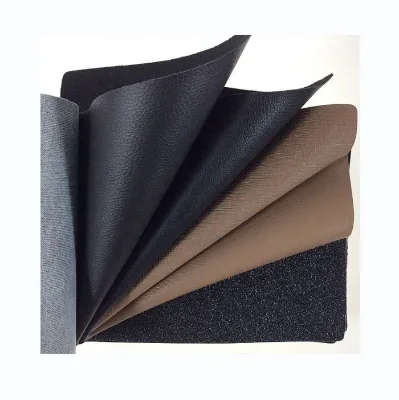
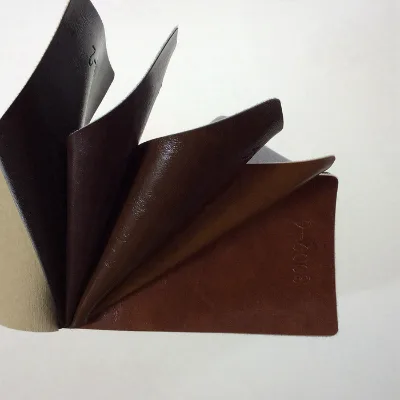


Comprehensive Sourcing Guide
Strategic Sourcing Guide for Upholstery Faux Leather
Understanding Material Composition and Variants
The global market for Upholstery Faux Leather is defined by a clear distinction between polyvinyl chloride (PVC) and polyurethane (PU) variants, each offering distinct performance profiles for industrial and commercial applications. When sourcing Upholstery Faux Leather, the primary decision point involves selecting the base polymer that aligns with the intended end-use environment. PVC-based materials are frequently characterized by their robust durability and cost-effectiveness, often cited in product listings as "PVC Car Seat Leather" or "PVC Car Leather." These materials typically exhibit a thickness range of 0.8mm, a dimension that provides a balance between flexibility and structural integrity suitable for automotive and heavy-duty furniture applications.
In contrast, PU-based options, often labeled as "PU Furniture Decorative" or "Long-Lasting Artificial Sofa Leather," generally present a slightly higher thickness profile, with observed specifications reaching 1.2mm. This increased mass often correlates with a softer hand feel and enhanced drape, making them preferable for residential furniture and garment applications where tactile comfort is paramount. The material composition also dictates the backing system; PVC variants may utilize towelling cloth or fishing-style backings, whereas PU options frequently employ knitted or imitate velveteen backings. The backing is not merely a structural component but a critical factor in the material's ability to adhere to substrates and resist delamination over time. Buyers must verify the specific backing type against the mechanical stresses expected in the final product, as the choice between a knitted and a towelling backing can significantly impact the longevity of the upholstery.
Technical Specifications and Performance Attributes
When evaluating Upholstery Faux Leather for procurement, technical specifications serve as the primary filter for quality assurance. Width is a fundamental constraint in the supply chain, with standard industry offerings consistently observed at 54/55 inches. This standardized width is crucial for optimizing material yield and minimizing waste during the cutting and sewing processes in manufacturing facilities. Thickness remains a variable metric that buyers must scrutinize closely. While 0.8mm is a common specification for automotive-grade PVC, applications requiring higher durability or a more substantial feel may necessitate materials in the 1.0mm to 1.2mm range. The weight of the material, often measured in grams per square meter (GSM), provides another layer of verification; observed ranges for certain upholstery grades fall between 350-400GSM, indicating a dense, high-quality construction.
Surface texture and embossing patterns are equally critical aesthetic and functional specifications. The market offers a diverse array of finishes, ranging from smooth surfaces to complex textures such as "Lichi," "Nature Pattern," and "Terry Fabric." These embossing techniques are not merely decorative; they often serve to mask minor imperfections and enhance grip or comfort. For instance, a "Terry Fabric" embossing might be selected for its softness in seating applications, while a "Lichi" pattern provides a classic leather-like appearance for automotive interiors. Furthermore, the feature set of the material must align with the environmental demands of the application. High-performance Upholstery Faux Leather is frequently marketed with attributes such as waterproofing and abrasion resistance. These features are essential for materials used in high-traffic areas, automotive seats, or outdoor furniture, where exposure to moisture and friction is constant. Buyers should verify that the claimed features are intrinsic to the material formulation rather than superficial coatings that may degrade over time.
Compliance, Certification, and Safety Standards
Navigating the regulatory landscape is a non-negotiable aspect of sourcing Upholstery Faux Leather, particularly for applications in the automotive, furniture, and consumer goods sectors. While specific certification statuses like REACH compliance are often referenced in the broader industry context, buyers must treat these as verification targets rather than guaranteed attributes of every listing. The primary focus should be on ensuring that the material meets the chemical safety standards of the target market. In the European Union, compliance with REACH regulations regarding the restriction of hazardous substances is a baseline requirement for any material entering the supply chain. Similarly, standards such as EN 13773, which relate to the safety of furniture, may be relevant depending on the specific end-use application.
Procurement teams must explicitly request documentation from suppliers to confirm that the PVC or PU formulations do not contain prohibited phthalates or heavy metals. The "prod_standard" attribute in product data often indicates that standards can be customized, which implies that the supplier may need to tailor their production process to meet specific client requirements. This customization capability is a significant advantage for large-scale buyers who have strict internal compliance protocols. However, it also places the burden of verification on the buyer to ensure that the customized standard is rigorously tested and certified by an independent third party. Relying solely on a supplier's self-declaration without physical test reports can lead to significant compliance risks, including product recalls and reputational damage. Therefore, the sourcing strategy must include a mandatory step for requesting current test reports that validate the material's adherence to relevant chemical and safety standards.
Cost Drivers and Procurement Economics
The economics of sourcing Upholstery Faux Leather are influenced by a complex interplay of material costs, order volume, and customization requirements. The observed price range for these materials in the market spans from approximately $0.90 to $29.00 per unit, a variance that reflects differences in material grade, thickness, and feature set. Lower-cost options typically correspond to thinner PVC materials with standard embossing and basic color palettes, while premium pricing is associated with thicker PU variants, specialized backings, and complex surface textures.
Minimum Order Quantity (MOQ) is another critical cost driver. While some suppliers may offer flexible terms with an MOQ as low as 1 meter for sampling or small-batch production, standard commercial orders often require a commitment of 1000 meters or more. This threshold is designed to ensure production efficiency and cost-effectiveness for the manufacturer. Buyers must align their inventory planning with these MOQ constraints to avoid excessive carrying costs or the need to split orders across multiple suppliers, which can complicate logistics and quality control. Additionally, customization plays a pivotal role in pricing. Attributes such as custom colors, specific backing types, and tailored embossing patterns often incur additional setup fees and higher unit costs. The "prod_packing" method, whether transparent, kraft paper, or woven bag, can also influence the final landed cost, particularly for international shipments where packaging durability is essential to prevent damage during transit.
Typical Applications and Usage Scenarios
Upholstery Faux Leather is a versatile material utilized across a broad spectrum of industries, with its application defined by the specific combination of material properties and design requirements. The automotive sector is a primary consumer, utilizing materials labeled as "PVC Car Seat Leather" for their durability, ease of cleaning, and resistance to abrasion. These applications demand high-performance characteristics, including waterproofing and the ability to withstand constant friction and temperature fluctuations. Similarly, the furniture industry relies heavily on faux leather for sofa and chair upholstery, where materials like "Long-Lasting Artificial Sofa Leather" are selected for their aesthetic appeal and softness. The availability of a wide color palette, including options like orange, army green, beige, and various shades of blue and brown, allows designers to match diverse interior design trends.
Beyond automotive and furniture, the material finds significant use in the fashion and accessory sectors. Products designated for "Shoes" and "Bags" leverage the flexibility and water-resistant properties of faux leather to create durable and stylish goods. The "Home Textile" and "Garment" applications further demonstrate the material's adaptability, where softer PU variants are preferred for their drape and comfort. The "Decorative" usage category highlights the material's role in interior design, where embossed patterns and specific textures are used to create visual interest. Buyers must carefully match the material's usage attributes to their specific product requirements, ensuring that the selected faux leather possesses the necessary mechanical and chemical properties for the intended application.
Supplier Evaluation and Quality Control Protocols
Selecting a reliable supplier for Upholstery Faux Leather requires a rigorous evaluation process that goes beyond price and lead time. The geographic origin of the product, often identified as Jiangsu or generally China in the supply chain, provides context for the manufacturing ecosystem but does not guarantee quality. Buyers should prioritize suppliers who demonstrate transparency in their production processes and offer clear documentation regarding material composition and testing. The ability to customize the product, including color, backing, and embossing, is a strong indicator of a supplier's flexibility and technical capability. However, customization must be balanced with the supplier's ability to maintain consistent quality across batches.
Quality control protocols should be established early in the procurement relationship. This includes defining clear acceptance criteria for thickness, width, and surface finish. Given the observed variations in thickness (0.8mm to 1.2mm) and the diverse range of embossing patterns, buyers must implement a sampling and inspection regime to ensure that the delivered goods match the agreed-upon specifications. The "prod_model" numbers, such as 250813004Wendy or 2025081444ginny, serve as unique identifiers for specific product configurations and should be used to track consistency across orders. Furthermore, buyers should verify the supplier's capacity to handle the required order volumes, as the observed MOQ range of 1 to 5000 units suggests a wide spectrum of production capabilities. A robust quality control strategy will mitigate the risks associated with material inconsistencies and ensure that the final upholstery products meet the highest standards of performance and aesthetics.
Long-Term Procurement and Sustainability Considerations
Sourcing Upholstery Faux Leather is not merely a transactional activity but a strategic decision that impacts long-term product viability and brand reputation. As the market evolves, there is an increasing emphasis on sustainability and the environmental impact of synthetic materials. While the supplied data does not explicitly detail the recyclability of the PVC or PU variants, buyers should proactively inquire about the supplier's sustainability initiatives and the end-of-life management of the materials. The choice between PVC and PU can have significant implications for the product's lifecycle, with some formulations being more amenable to recycling or disposal in compliance with environmental regulations.
Furthermore, the long-term relationship with a supplier should be built on mutual trust and clear communication regarding quality standards and compliance. As regulations tighten and consumer preferences shift towards more sustainable options, suppliers who can adapt their product lines to meet these changing demands will be better positioned to support their clients. Buyers should consider the total cost of ownership, including the potential costs associated with material failure, returns, or compliance violations, rather than focusing solely on the initial purchase price. By establishing a comprehensive sourcing strategy that prioritizes quality, compliance, and supplier reliability, organizations can ensure a steady supply of high-performance Upholstery Faux Leather that meets the rigorous demands of the global market.
FAQs
What are the available material options for Upholstery Faux Leather?
The available material options include PVC and PU variants. PVC is often used for car seats with 0.8mm thickness, while PU is suitable for furniture with 1.2mm thickness and softer backing options like knitted or imitate velveteen.
Can the backing material be customized for specific applications?
Yes, the backing material can be customized to meet specific needs. Options include fishing, towelling cloth, knitted, and imitate velveteen backings, allowing buyers to select the best fit for automotive, furniture, or garment uses.
What is the standard width for Upholstery Faux Leather products?
The standard width for these products is 54/55 inches. This dimension is consistent across listings and helps optimize material yield during cutting and sewing processes for various manufacturing applications.
Which embossing patterns are available for decorative purposes?
Available embossing patterns include Lichi, Nature Pattern, Terry Fabric, and Smooth finishes. These textures provide aesthetic variety and functional benefits like enhanced grip or a classic leather-like appearance for different end uses.
What is the typical MOQ for ordering Upholstery Faux Leather?
The typical MOQ is 1000 meters, though some suppliers may accept orders as low as 1 meter for sampling. Buyers should verify specific minimums as standard commercial orders often require higher volume commitments.
How does the thickness vary between different product models?
Thickness varies between 0.8mm for automotive PVC and 1.2mm for furniture PU. Specific models like 250813004Wendy have 0.8mm thickness, while others like 250814008Wendy reach 1.2mm for enhanced durability and softness.