Source Upgrade Front Lip for BMW, Universal Cars, and Retrofits
Compare 30 verified products for Upgrade Front Lip options including carbon fiber and PP materials. Buyers can evaluate specifications, MOQs, and certifications from suppliers in Guangdong and Jiangsu to find the best fit for universal or specific car models; compare the available evidence and request quotations based on your requirements.
Key considerations
Products List


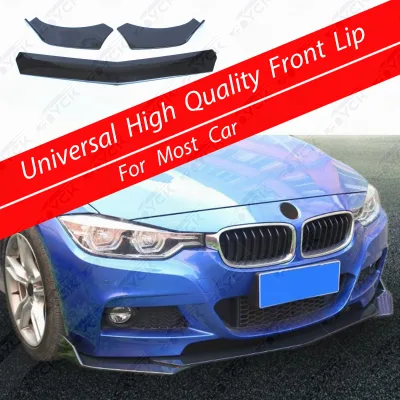
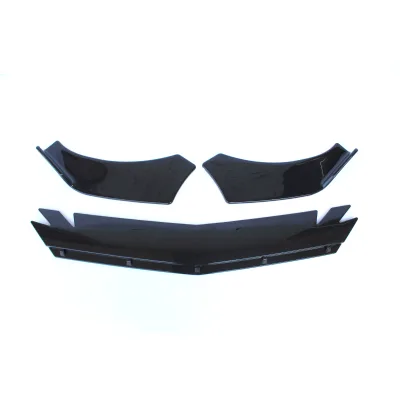
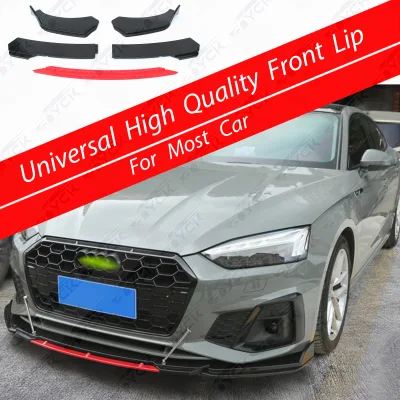
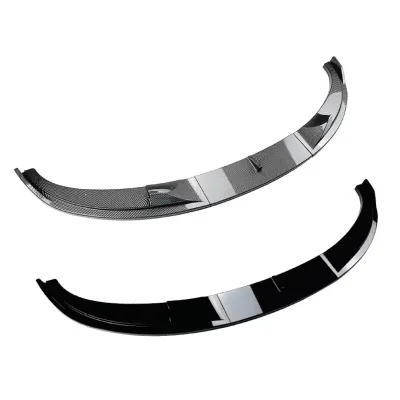
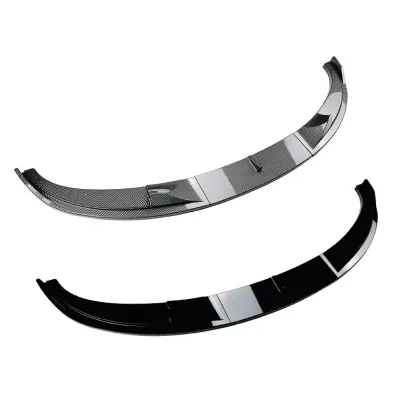
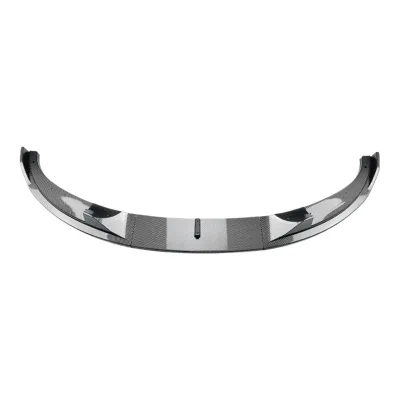
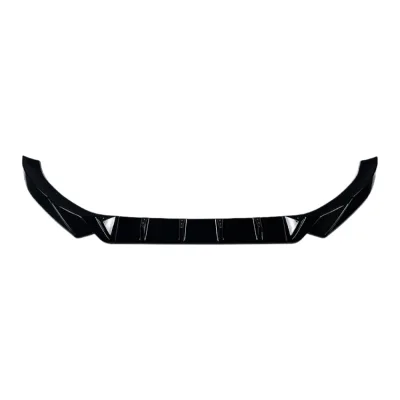


Exterior Accessories ABS Plastic D Style 3 Sections Front Lip for All Car
$27.00 - $36.00
MOQ: 30 Pieces
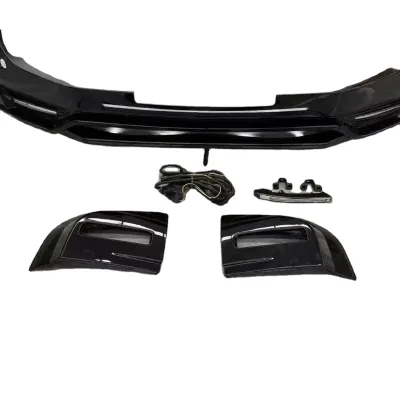
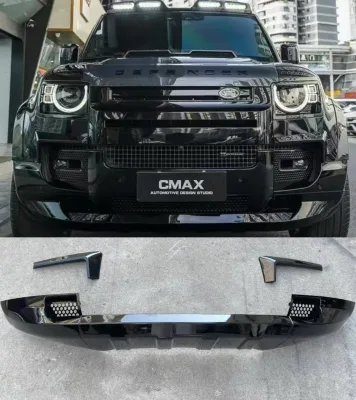
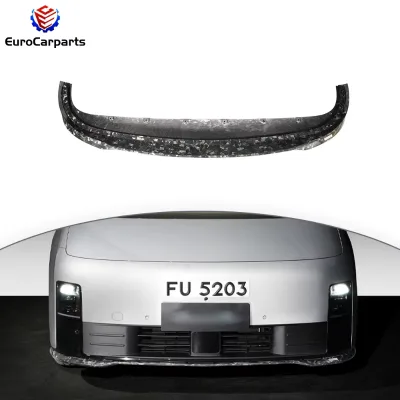
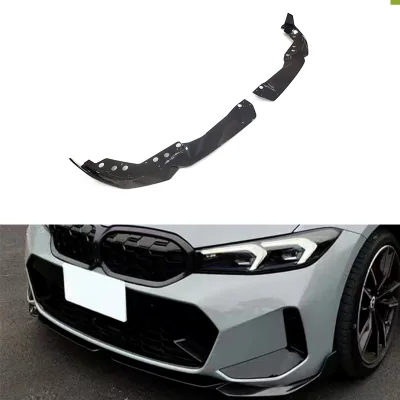
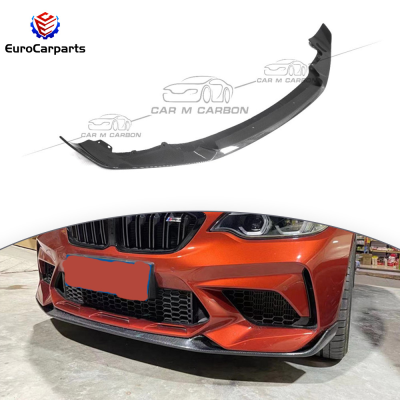
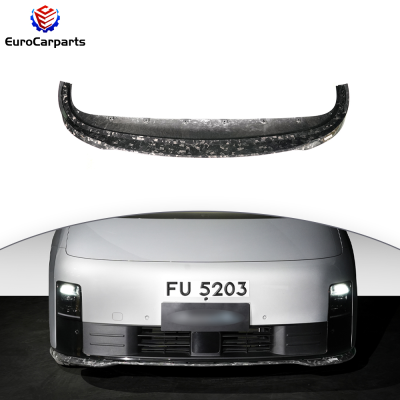


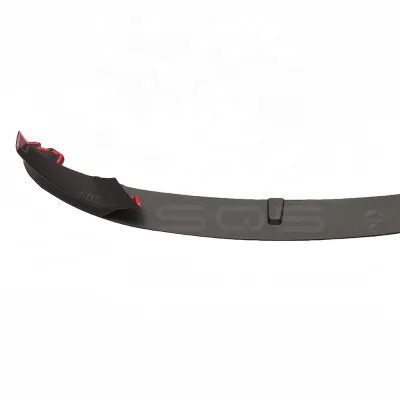
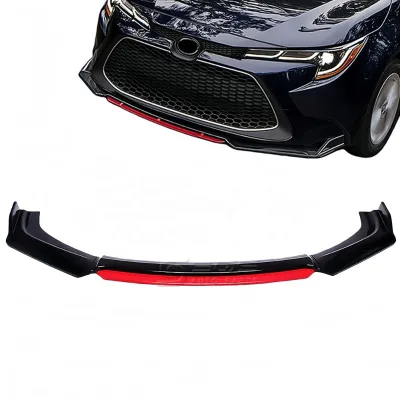


Comprehensive Sourcing Guide
Upgrade Front Lip Sourcing Guide
Sourcing an Upgrade Front Lip requires balancing aesthetic enhancement with functional aerodynamic performance, particularly for vehicles seeking improved downforce or a more aggressive stance. Buyers must first define whether the goal is purely visual modification or if the component serves a performance role in reducing lift at high speeds. This distinction dictates the material selection and structural integrity requirements, as lightweight composites offer different benefits compared to heavier, more durable plastics. Understanding the primary application helps narrow the search to suppliers who specialize in the specific vehicle class or universal fitment needs.
The market offers a diverse range of options, from carbon fiber components that provide superior strength-to-weight ratios to polypropylene or PVC alternatives that offer cost-effective durability. Each material presents distinct installation and maintenance considerations, influencing the total cost of ownership beyond the initial purchase price. Buyers should evaluate how the lip integrates with existing bumper geometry, ensuring that the upgrade does not compromise ground clearance or interfere with factory sensors. This initial assessment forms the foundation for a successful procurement strategy that aligns with both budget constraints and performance expectations.
Product Scope and Observed Listing Signals
Current market listings reveal a wide spectrum of product attributes, including materials such as carbon fiber, PVC, and polypropylene, which cater to different durability and aesthetic preferences. Observed specifications indicate standard dimensions like 0.06*2.5m rolls or fixed sizes such as 129cm, suggesting that buyers may encounter both raw material suppliers and finished component manufacturers. The presence of universal fitment options alongside brand-specific listings, such as those for BMW, highlights the importance of verifying compatibility before placing orders. Buyers must carefully distinguish between generic aftermarket parts and those designed for precise OEM replacement or enhancement.
Listing signals also show varied packaging methods, ranging from individual OPP bags to carton boxes containing multiple units, which impacts shipping costs and product protection. Some suppliers offer customization services, allowing for tailored solutions that meet specific design requirements or branding needs. The observed minimum order quantities vary significantly, from single-piece orders to bulk requirements of 150 units, reflecting the flexibility of different manufacturing models. Buyers should analyze these signals to determine the most suitable supplier tier, whether they require small-batch prototyping or large-scale production runs for retail distribution.
Technical Specifications to Verify
Verifying technical specifications is critical to ensuring that the Upgrade Front Lip meets the intended functional and aesthetic standards. Buyers should confirm the exact material composition, as carbon fiber offers high rigidity and low weight, while PVC and PP provide flexibility and impact resistance. Dimensions must be precisely measured against the vehicle’s bumper, with attention to width, height, and curvature to ensure a seamless fit. The presence of features like glue tape or screw mounting points indicates the installation method, which affects the complexity of the retrofit process and the long-term security of the component.
Additional technical details, such as single package dimensions and gross weight, are essential for calculating logistics costs and storage requirements. Buyers must also verify the model numbers and standard sizes provided by suppliers, as inconsistencies can lead to ordering errors. The inclusion of items like front shovels or surround spoilers suggests that some listings may offer comprehensive kits rather than individual components. Understanding these technical nuances allows buyers to make informed decisions about compatibility, installation feasibility, and the overall quality of the product being sourced.
Compliance and Safety Documentation
Compliance and safety documentation are often overlooked in the aftermarket automotive parts industry, yet they remain crucial for liability and quality assurance. Buyers should request certification documents, such as ISO 9001, which indicate that the supplier adheres to recognized quality management standards. While specific safety certifications for front lips may vary by region, verifying that the materials used are non-toxic and durable is essential for long-term performance. Buyers must ensure that the supplier can provide evidence of material safety and manufacturing consistency to mitigate risks associated with product failure.
In addition to certifications, buyers should inquire about testing procedures and quality control measures implemented by the supplier. This includes verifying that the components undergo rigorous checks for dimensional accuracy and material integrity. Documentation should also cover any relevant standards for automotive accessories, ensuring that the product meets local regulatory requirements. By prioritizing suppliers with robust compliance frameworks, buyers can reduce the risk of receiving substandard products and ensure that their inventory meets professional quality expectations.
Cost Drivers and Commercial Terms
Cost drivers for upgrade front lips include material selection, manufacturing complexity, and order volume, all of which influence the final price per unit. Carbon fiber components typically command higher prices due to their superior performance characteristics, while PVC and PP options offer more budget-friendly alternatives. Buyers should analyze the observed price ranges, which span from low-cost items to premium components, to align their procurement strategy with their target market. Understanding these cost dynamics helps in negotiating better terms and selecting suppliers that offer the best value for money.
Commercial terms, such as minimum order quantities and payment conditions, also play a significant role in the total cost of acquisition. Suppliers may offer flexible MOQs, starting from single pieces, which is beneficial for small businesses or custom orders. However, bulk purchases often come with discounts, making it essential to evaluate the trade-off between inventory holding costs and unit price reductions. Buyers should also consider shipping costs, which can be affected by package dimensions and weight, and negotiate favorable terms to optimize their overall procurement budget.
Supplier Qualification and Quality Control
Supplier qualification is a critical step in ensuring the reliability and consistency of the Upgrade Front Lip supply chain. Buyers should assess suppliers based on their production capabilities, quality control processes, and track record in the automotive aftermarket industry. Verifying the supplier’s location, such as Guangdong or Jiangsu in China, can provide insights into their logistical advantages and manufacturing expertise. Buyers must also evaluate the supplier’s ability to handle customization requests, as this indicates their flexibility and responsiveness to specific client needs.
Quality control measures should be rigorously evaluated, including in-process inspections and final product testing. Buyers should request samples to assess the finish, fitment, and material quality before committing to larger orders. Establishing clear communication channels and defining quality expectations upfront helps prevent misunderstandings and ensures that the delivered products meet the required standards. By prioritizing suppliers with strong quality control systems, buyers can maintain high product standards and build trust with their end customers.
Long-Term Procurement Checks
Long-term procurement checks involve continuous monitoring of supplier performance, product quality, and market trends to ensure sustained success. Buyers should establish key performance indicators, such as delivery times, defect rates, and customer feedback, to evaluate supplier reliability over time. Regular audits and quality checks help identify potential issues early, allowing for corrective actions before they impact the supply chain. By maintaining a proactive approach to supplier management, buyers can mitigate risks and ensure a steady supply of high-quality upgrade front lips.
Additionally, buyers should stay informed about emerging materials and technologies in the automotive aftermarket industry to remain competitive. This includes exploring new design trends and customer preferences that may influence future procurement decisions. Building strong relationships with suppliers fosters collaboration and innovation, leading to better product offerings and improved service levels. By focusing on long-term strategic partnerships, buyers can secure a competitive advantage and drive growth in their business operations.
FAQs
Can I customize the material for an Upgrade Front Lip?
Yes, customization is available for upgrade front lips to meet specific project needs. Buyers can select from materials such as carbon fiber or PVC depending on performance requirements. This flexibility allows for tailored aesthetic and functional outcomes. Suppliers typically accept OEM requests to ensure the final product aligns with the buyer's exact design specifications and quality standards.
What is the typical MOQ for ordering upgrade front lips?
The minimum order quantity varies by supplier, ranging from a single piece to 150 units. Some vendors accept orders as low as one piece for testing, while others require a batch of 150 for production runs. Buyers should verify the specific MOQ with the chosen manufacturer to ensure it aligns with their inventory capacity and budget constraints before finalizing the purchase agreement.
Which certifications are standard for Upgrade Front Lip manufacturers?
Many manufacturers hold ISO 9001 certification, ensuring consistent quality management processes. This standard indicates that the production facility adheres to international quality benchmarks. Buyers seeking reliable suppliers should prioritize those with documented certifications. This verification helps ensure that the upgrade front lips meet safety and durability expectations for automotive retrofitting and performance enhancement applications.
How are upgrade front lips packaged for shipping?
Packaging methods include individual OPP bags, relative boxes, or sturdy carton boxes. Each roll or unit is typically packed securely to prevent damage during transit. Some suppliers use a system where thirty boxes are consolidated into one master carton. This structured packaging ensures that the carbon fiber or PVC components arrive in pristine condition, ready for immediate installation or retail display.
What installation methods are recommended for universal front lips?
Installation can be performed using glue tape or screws for secure attachment. These methods ensure the lip remains firmly in place during high-speed driving. Buyers should choose the method based on their vehicle's bumper material and desired permanence. Proper installation is critical for maintaining aerodynamic efficiency and preventing the component from detaching, ensuring both safety and aesthetic integrity.
Are upgrade front lips compatible with all car models?
Many products are designed as universal fitment for broad compatibility across various vehicles. Some specific items may target brands like BMW, but universal options offer flexibility. Buyers must verify the exact dimensions, such as 129cm or 90cm lengths, against their vehicle's bumper width. Ensuring proper fitment is essential for a seamless look and optimal aerodynamic performance without requiring extensive modification.