Source Upgrade Facelift Car Body Kit for Toyota Hilux, Rocco, and General Automotive Upgrades
Find and compare 30 available options for an Upgrade Facelift Car Body Kit designed for specific models like the Toyota Hilux GR Sport and Rocco. Buyers can review details on materials such as ABS plastic, fitment types, and customization services to select the right bumper reinforcement or styling kit for their vehicle retrofit needs.
Key considerations
Products List


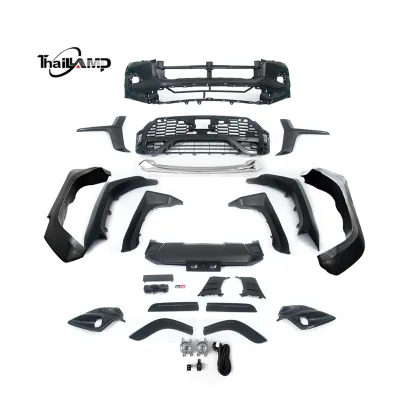
Facelift Conversion Bodykit Upgrade for Car Body Kit Hilux Body Kit Gr Sport
$158.30 - $183.83
MOQ: 1 sets
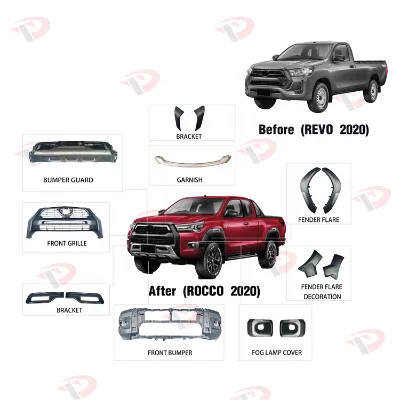

Auto Modification Body Kit Full Car Plastic Body Kit with Excellent Fit
$1500.00 - $2600.00
MOQ: 1 Pieces


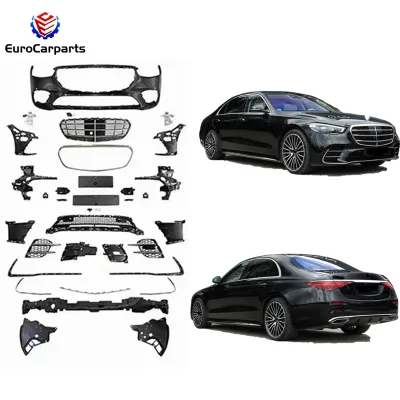
Modified Car Body Kit for 2022+ Mercedes Benz W257 Facelift to Cls Gt63 Body Kit
$950.00 - $1050.00
MOQ: 1 Sets


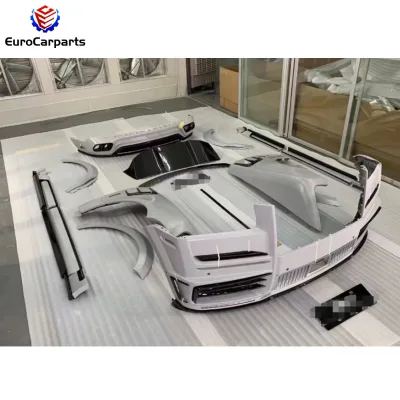


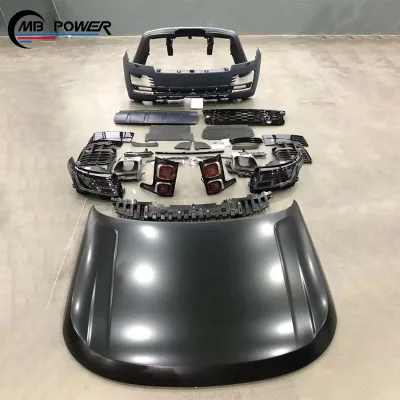
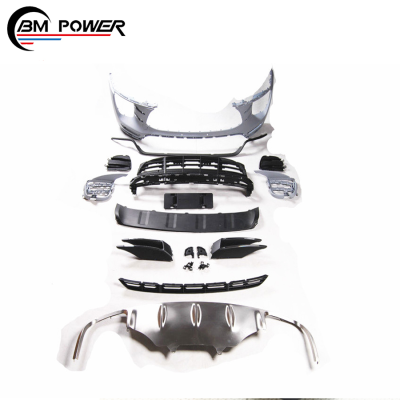
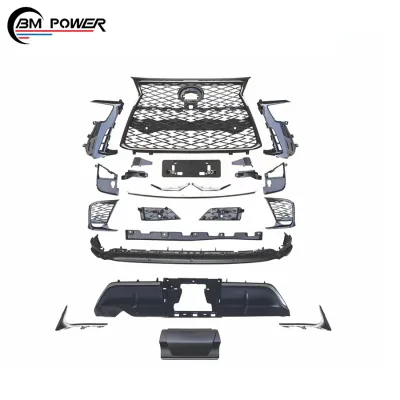
Comprehensive Sourcing Guide
Upgrade Facelift Car Body Kit Sourcing Guide
Sourcing upgrade facelift car body kits requires a disciplined approach to balancing aesthetic enhancement with structural integrity and fitment precision. These components are designed to modernize the appearance of existing vehicle models, often mimicking the styling cues of newer facelifted versions or high-performance variants. Buyers must recognize that these are not universal accessories but rather model-specific engineering solutions that demand rigorous verification of compatibility. The procurement process involves navigating a market where customization is prevalent, and the distinction between cosmetic updates and functional replacements must be clearly defined to avoid operational disruptions or installation failures.
The decision to source these kits is often driven by the desire to refresh vehicle fleets or offer premium styling options for specific automotive models. However, the complexity of modern vehicle designs means that a "facelift" kit may involve multiple components, including bumpers, grilles, and side skirts, which must work in unison. Procurement teams must evaluate whether the supplier provides complete sets or individual pieces, as incomplete kits can lead to additional sourcing costs and logistical headaches. Understanding the scope of the product, from material composition to packaging standards, is essential for accurate budgeting and inventory planning, ensuring that the final installation meets both visual and functional expectations.
Product Scope and Observed Listing Signals
The market for upgrade facelift body kits exhibits a wide range of product configurations, with observed listing prices spanning from approximately $103 to $11,700 USD. This variance reflects differences in material quality, component complexity, and brand positioning, with some listings offering basic bumper replacements while others provide comprehensive body kit sets. Buyers should note that the minimum order quantity (MOQ) typically ranges from 1 to 10 sets, indicating flexibility for both small-scale repairs and larger fleet upgrades. This flexibility allows procurement teams to test fitment and quality on a small scale before committing to larger volumes, reducing the risk of inventory obsolescence.
Product attributes observed in current listings highlight a strong emphasis on customization and specific vehicle compatibility. Many suppliers offer customization options, allowing buyers to tailor the kits to specific brand requirements or aesthetic preferences. The products are predominantly made from plastic or ABS materials, chosen for their durability and ease of molding into complex shapes. Listings often specify that these kits are intended for retrofit or upgrade purposes, with some explicitly designed for models like the Hilux Gr Sport or Rocco. Buyers must carefully review these fitment details, as universal fitment is rare and often leads to poor installation results if not verified against the specific vehicle chassis.
Technical Specifications to Verify
Verifying technical specifications is critical to ensuring that the body kit integrates seamlessly with the target vehicle. Key dimensions, such as those observed at 2057258mm for certain bumper components, must be cross-referenced with the vehicle’s existing mounting points and clearance requirements. Buyers should request detailed technical drawings or 3D models from suppliers to confirm that the kit’s geometry aligns with the vehicle’s body lines. Additionally, the weight of the components, which can range from 15kg to 25kg per set, impacts handling and installation logistics, requiring appropriate equipment and skilled labor for safe handling and mounting.
The attachment method and included hardware are also vital technical considerations. Some kits utilize riveted attachment types, which may require specialized tools and expertise for secure installation. Buyers must verify whether mounting hardware is included in the package, as missing components can delay installation and increase labor costs. Furthermore, the condition of the parts should be confirmed as new, with high-quality finishes that resist cracking or fading. Suppliers often provide a warranty, such as a 6-month period, which serves as a benchmark for expected durability, but buyers should clarify the terms of coverage to ensure protection against manufacturing defects.
Compliance and Safety Documentation
While body kits are primarily aesthetic, they must comply with local vehicle safety and regulatory standards to ensure legal roadworthiness. Buyers should inquire about the materials’ compliance with flammability and toxicity standards, particularly if the kits are intended for commercial or fleet use. Although specific certification statuses are not always listed, reputable suppliers should be able to provide material safety data sheets (MSDS) or test reports confirming that the ABS or plastic components meet relevant environmental and safety regulations. This documentation is essential for risk management and ensures that the vehicles remain compliant with local traffic laws.
Additionally, buyers must consider the impact of the body kit on vehicle aerodynamics and pedestrian safety. Some jurisdictions have strict regulations regarding bumper height and protrusion, which can be affected by the addition of a facelift kit. Procurement teams should verify that the supplier’s designs adhere to these regulatory constraints, particularly for models like the Hilux, which may be used in diverse operational environments. Ensuring that the kit does not obstruct sensors, lights, or license plates is also crucial for maintaining vehicle functionality and legal compliance.
Cost Drivers and Commercial Terms
The cost of upgrade facelift body kits is influenced by several factors, including material costs, manufacturing complexity, and customization requirements. Buyers should analyze the price range in the context of the included components, as some listings may offer only the bumper while others provide a full set. Payment terms, such as T/T (Telegraphic Transfer), are common, and buyers should negotiate favorable terms to manage cash flow effectively. It is also important to consider the total landed cost, including shipping and handling, as the packaging dimensions and weight can significantly impact logistics expenses.
Delivery times typically range from 14 to 30 days, depending on the supplier’s production capacity and the level of customization required. Buyers should plan their procurement cycles accordingly to avoid delays in vehicle maintenance or fleet upgrades. Suppliers with extensive manufacturing experience, such as those claiming 10 years in the industry, may offer more reliable lead times and consistent quality. However, buyers should confirm these timelines in writing and establish clear communication channels to monitor production progress, ensuring that any potential delays are addressed promptly.
Supplier Qualification and Quality Control
Selecting a qualified supplier is paramount to securing high-quality body kits that meet procurement standards. Buyers should evaluate suppliers based on their manufacturing experience, quality control processes, and customer service capabilities. Suppliers offering 24-hour online support can provide valuable assistance during the installation and troubleshooting phases, reducing downtime and operational disruptions. It is also advisable to request samples or reference projects to assess the fitment and finish quality before placing large orders.
Quality control measures should include rigorous inspection of materials and dimensions to ensure consistency across batches. Buyers should verify that the supplier uses standard packaging, such as carton packing, to protect the components during transit. Additionally, suppliers should provide clear instructions for installation and maintenance, along with a warranty that covers defects in materials and workmanship. By prioritizing suppliers with robust quality assurance systems, buyers can minimize the risk of receiving substandard products and ensure long-term satisfaction with the upgrade facelift kits.
Long-Term Procurement Checks
Long-term procurement success depends on establishing ongoing relationships with reliable suppliers and continuously monitoring product performance. Buyers should track the durability and fitment of the body kits over time, gathering feedback from installation teams and end-users to identify any recurring issues. This feedback loop can inform future purchasing decisions and help negotiate better terms with suppliers. Regular audits of supplier performance, including delivery reliability and quality consistency, are essential for maintaining a stable supply chain.
Furthermore, buyers should stay informed about changes in vehicle models and design updates that may affect the compatibility of existing body kits. As automotive manufacturers release new versions or facelifts, the demand for updated kits will evolve, requiring procurement teams to adapt their sourcing strategies accordingly. By maintaining a flexible and informed approach, buyers can ensure that their vehicle fleets remain modern, compliant, and visually appealing, maximizing the value of their investment in upgrade facelift car body kits.
FAQs
Can I customize the Upgrade Facelift Car Body Kit for my vehicle?
Yes, customization is available for this Upgrade Facelift Car Body Kit. The product page explicitly states that customization is possible and the remark confirms it can be customized to meet specific buyer requirements for fitment and style.
What is the minimum order quantity for the Upgrade Facelift Car Body Kit?
The minimum order quantity is one set for some listings and five sets for others. Buyers should check specific product details as the observed MOQ range spans from one to ten sets depending on the supplier and specific model variant.
How long does it take to receive the Upgrade Facelift Car Body Kit?
Delivery typically takes between 14 to 30 days after order confirmation. Specific lead times vary by supplier, with observed delivery times ranging from 14 days to 30 days for shipping the product from the place of origin.
Which materials are used to make the Upgrade Facelift Car Body Kit?
The kits are constructed from high-quality plastic and ABS materials. These durable materials ensure the bumper reinforcement beams and facelift components maintain their shape and provide a high-quality finish for automotive applications.
What is the warranty period for the Upgrade Facelift Car Body Kit?
A six-month warranty is provided for the Upgrade Facelift Car Body Kit. This coverage applies to the product condition and ensures buyers receive support for any defects or issues arising within the specified warranty timeframe.
Can the Upgrade Facelift Car Body Kit be used for retrofitting older models?
Yes, the product is designed for retrofit and upgrade purposes. It serves as a replacement or repair solution for specific car models like the Hilux Gr Sport, allowing owners to update their vehicle's appearance with new styling.