Source Used City Coach Bus for Touring, School, and Commercial Transport
Find a selection of 25 used city coach buses with diesel engines and varying seat capacities from 30 to 70. Buyers can compare specifications like power, transmission, and emission standards to find the right vehicle for touring, school, or commercial transport needs.
Key considerations
Products List

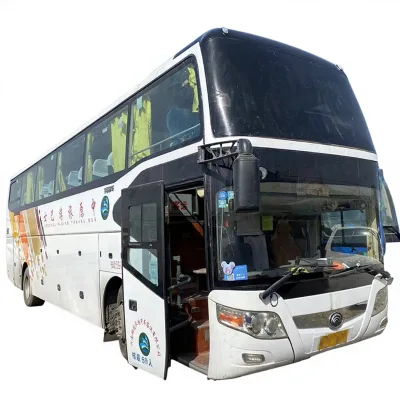
Used Refurbished Bus City Transportation Diesel Engine 51 Seat Coach Bus
$8000.00 - $8600.00
MOQ: 1 Pieces


Used Coach Bus Used Bus Price Second Hand Bus Price Good Sales From China
$15000.00 - $16500.00
MOQ: 1 Sets


$23528.00 - $35000.00
MOQ: 1 Pieces

$35625.00 - $35689.00
MOQ: 1 Pieces
Comprehensive Sourcing Guide
Strategic Sourcing Guide for Used City Coach Buses
Understanding the Technical Landscape of Pre-Owned Coaches
When evaluating the market for used city coach buses, buyers must first navigate a complex array of technical specifications that define vehicle utility and longevity. The current inventory presents a diverse range of configurations, primarily characterized by diesel fuel systems and varying power outputs. Observations from available listings indicate that these vehicles typically feature diesel engines with capacities exceeding 8 liters, a standard configuration for heavy-duty transit applications requiring sustained torque and reliability. The power output across the observed fleet ranges significantly, with documented maximum power ratings spanning from 153 kilowatts to 243 kilowatts. This variance suggests that procurement decisions should be driven by specific route requirements, such as the need for high-torque performance on hilly terrain versus standard urban cruising.
Structural integrity and interior layout are equally critical factors. The available units exhibit a mix of single-deck and low-floor structures, catering to different accessibility needs and passenger flow requirements. Seat capacity is a primary differentiator, with observed configurations ranging from 31 seats in medium-sized units to capacities exceeding 60 seats in larger models. Some listings specify seat counts between 39 and 70, while others indicate a range of 45 to 60, highlighting the importance of matching vehicle size to expected passenger volume. The steering systems are predominantly integral power steering, which is essential for maneuverability in dense urban environments. Furthermore, transmission types observed are manual, a characteristic that may influence driver training requirements and maintenance protocols for fleet operators.
The physical dimensions of these buses also vary, with packing and standard dimensions provided in specific listings. For instance, some units have dimensions around 8774mm in length, while others extend to 12800mm, with widths generally hovering between 2450mm and 3000mm. These dimensional constraints are vital for logistics planning, particularly regarding warehouse storage, transport on flatbeds, and garage fitment. Buyers must verify that the specific model dimensions align with their operational infrastructure before finalizing a purchase.
Compliance Standards and Certification Verification
Navigating the regulatory landscape is a non-negotiable aspect of sourcing used commercial vehicles. The market data indicates that many units comply with Euro emission standards, a critical requirement for operating in regions with strict environmental regulations. However, the specific Euro stage (e.g., Euro 4, Euro 5) is not uniformly detailed in the general observations, necessitating a rigorous verification process by the buyer. It is imperative to request the specific emission certification documents for each unit to ensure compliance with local laws, as operating non-compliant vehicles can result in significant fines or operational bans.
Certification status is another area requiring careful scrutiny. While some listings reference ISO certifications, including ISOCCC and general ISO standards, the exact nature and validity of these certificates must be confirmed. Buyers should not assume that a listed certification applies to the specific vehicle being purchased without seeing the physical certificate or a valid digital copy. The presence of a "Used" condition tag on certification labels suggests that the certification status might be tied to the vehicle's history rather than a current, active compliance status. Therefore, independent verification through a recognized third-party inspection agency is recommended to validate that the vehicle meets all necessary safety and environmental standards in the destination market.
Additionally, the origin of the vehicles is noted as China in several records. This geographic origin can influence the availability of spare parts and the compatibility of certain components with local standards. Buyers should investigate the import regulations specific to used vehicles from this region, as some jurisdictions have strict age limits or specific technical requirements for imported used buses. The "Service Life" attribute observed in the data, ranging from 1 to 3 years, may refer to a specific warranty period or a projected remaining operational life, but this should be treated as an observation rather than a guaranteed metric. Actual service life depends heavily on maintenance history, which must be audited independently.
Cost Drivers and Financial Considerations
The financial aspect of sourcing used city coach buses involves more than just the sticker price. The observed price range in the market spans from 8,000 to 180,000 USD, a wide disparity that reflects differences in model age, condition, mileage, and specific equipment. This range indicates that buyers can find entry-level options as well as high-specification units, but the lower end of the spectrum may carry higher risks regarding maintenance costs and remaining lifespan. The minimum order quantity (MOQ) for these transactions is consistently observed as 1 unit, offering flexibility for buyers looking to expand their fleet incrementally rather than committing to large bulk purchases.
Mileage is a significant cost driver, with observed units ranging between 10,000 and 30,000 kilometers. While this appears relatively low for heavy-duty buses, it is crucial to understand that mileage figures can vary based on the type of service the bus previously performed. A bus with 10,000 kilometers used for short urban hops may have more wear on its braking and suspension systems than a bus with 30,000 kilometers used for long-haul touring. Therefore, the price should be evaluated in conjunction with the vehicle's usage history. The "Road Conditions" attribute suggests that these vehicles are designed for standard road environments, but buyers should verify if the suspension and chassis have been adapted for specific local road qualities.
Other cost factors include the potential need for customization. The market data indicates that customization is available, which can add to the initial acquisition cost but may be necessary to meet specific operational needs, such as wheelchair accessibility or specific interior layouts. Additionally, the color of the vehicle, with yellow being a noted option, may impact resale value or regulatory compliance depending on local school bus or public transport color codes. Buyers should budget for immediate post-purchase modifications, including repainting, interior refurbishment, and the installation of necessary safety equipment to ensure the vehicle is ready for service.
Typical Applications and Operational Fit
The versatility of used city coach buses makes them suitable for a wide range of applications, from public transit to private charter services. The observed usage categories include general bus operations, coach services, and school bus duties. Some listings also mention suitability for novice drivers, experience cars, commercial vehicles, and touring cars, suggesting a broad adaptability across different sectors. The "Intelligence" attribute, specifically mentioning BRT (Bus Rapid Transit), indicates that certain models are equipped with systems or features compatible with high-capacity, high-frequency transit corridors.
For operators considering these vehicles for school transport, the seat capacity and safety features are paramount. The range of seat capacities, from 31 to over 70, allows for flexibility in serving different school sizes. However, the "Service Life" of 1 to 3 years mentioned in the data suggests that these vehicles may be nearing the end of their optimal operational cycle for high-intensity use. Buyers must carefully assess whether the remaining service life aligns with their long-term fleet strategy. If the vehicle is intended for a 5 to 10-year operational horizon, a unit with a shorter projected service life may require more frequent capital investment in major overhauls.
The low-floor structure observed in some units is particularly advantageous for urban environments where passenger boarding and alighting frequency is high. This feature enhances accessibility for elderly passengers and those with mobility challenges, making these buses ideal for municipal transit contracts. Conversely, single-deck units with higher seating capacities may be better suited for inter-city coach routes where passenger density is lower but luggage space is a priority. The choice between these configurations should be driven by the specific route profile and passenger demographics of the intended service.
Supplier Evaluation and Quality Assurance Protocols
Selecting the right supplier is critical to mitigating the risks associated with purchasing used vehicles. While specific supplier names should not be recommended, buyers should look for suppliers who provide transparent documentation regarding the vehicle's history, including maintenance logs, accident reports, and previous ownership records. The presence of certifications like ISOCCC in the product descriptions is a positive indicator, but buyers must verify the authenticity and scope of these certifications. A reputable supplier should be willing to facilitate third-party inspections and provide detailed condition reports.
Quality control measures should be a central part of the procurement process. Buyers should insist on a comprehensive pre-purchase inspection that covers the engine, transmission, braking systems, and electrical components. The braking system, noted as barometric in the data, requires specific attention to ensure that the air lines, valves, and chambers are in good working order. Given the manual transmission type, the clutch and gear synchronization should be tested thoroughly. Additionally, the structural integrity of the chassis and body should be inspected for signs of corrosion or previous repair work, especially since the vehicles are classified as "Used."
The "Customization" availability mentioned in the data suggests that some suppliers may offer value-added services, such as interior refurbishment or the installation of specific safety features. Buyers should evaluate the supplier's capability to deliver these customizations to a high standard. A supplier that offers a warranty or a guarantee period, even if short, can provide a safety net against immediate post-purchase failures. However, buyers must be cautious of vague warranty terms and should ensure that the scope of coverage is clearly defined in the contract.
Long-Term Procurement and Lifecycle Management
Procuring a Used City Coach Bus is not just a transaction but the beginning of a long-term operational relationship. Buyers must consider the total cost of ownership, which includes fuel efficiency, maintenance costs, and the availability of spare parts. The diesel engine capacity and power output observed in the market suggest that fuel consumption will be a significant ongoing expense. Buyers should analyze the fuel efficiency of different models to determine which offers the best value for their specific route requirements.
The availability of spare parts is another critical long-term consideration. Since the origin of many units is China, buyers should verify the global availability of parts for the specific models, such as the XMQ6113 or zk6112D. If the vehicle is a less common model, parts may need to be sourced directly from the manufacturer or specialized suppliers, potentially leading to longer lead times and higher costs. Establishing a relationship with a reliable parts supplier before purchasing the vehicle can streamline the maintenance process and minimize downtime.
Finally, buyers should plan for the eventual retirement of the vehicle. The "Service Life" of 1 to 3 years observed in the data may indicate a shorter remaining lifespan for some units, necessitating a clear exit strategy. This could involve selling the vehicle to a secondary market, recycling components, or repurposing the chassis for other uses. A well-planned lifecycle management strategy ensures that the procurement of used buses remains a financially viable part of the fleet's long-term growth and sustainability goals. By carefully evaluating technical specs, compliance, costs, and supplier reliability, buyers can make informed decisions that maximize the value and utility of their Used City Coach Bus investments.
FAQs
What is the seat capacity range for used city coach buses?
Seat capacities range from 31 to over 70 seats depending on the model. Medium units typically hold 31 seats, while larger models accommodate between 45 and 60, with some configurations reaching up to 70 passengers.
Which fuel type and emission standards do these buses use?
These buses primarily use diesel fuel with engine capacities exceeding 8 liters. They generally comply with Euro emission standards, though specific stages vary and require verification against local regulations before purchase.
Can buyers customize the interior or exterior of these buses?
Yes, customization is available for these used city coach buses. Buyers can request specific modifications to meet operational needs, though this may affect the final price and lead time for delivery.
What is the maximum power output for these diesel engines?
Maximum power outputs range from 153 kilowatts to 243 kilowatts across the available inventory. Higher power ratings are found in larger models designed for demanding routes or heavy passenger loads.
How does the steering system affect maneuverability in urban areas?
Most units feature integral power steering to ensure precise control in dense traffic. This system is essential for navigating narrow city streets and frequent stops required for public transit operations.
What are the typical dimensions and packing sizes for transport?
Dimensions vary significantly, with lengths ranging from approximately 8774mm to 12800mm. Widths generally fall between 2450mm and 3000mm, requiring specific logistics planning for storage and shipping.
Are these buses suitable for school bus or BRT applications?
Yes, they are suitable for school buses, coaches, and Bus Rapid Transit systems. Some models include intelligence features for BRT, while others are configured specifically for school transport with appropriate seating capacities.
What is the expected service life and mileage range?
Observed mileage ranges from 10,000 to 30,000 kilometers with a service life of 1 to 3 years noted. Buyers should verify maintenance history as actual longevity depends heavily on prior usage conditions.