Source Used Cooking Oil Purification Machine for Biodiesel, Soap, and Feed
Find and compare 30 used cooking oil purification machines designed for biodiesel production, soap manufacturing, and animal feed processing. Evaluate specifications such as flow rates, voltage, and filtration types to select the right equipment for your industrial needs.
Key considerations
Products List


Biodiesel Pretreatment or Other Application Used Cooking Oil Filter Machine
$5000.00 - $50000.00
MOQ: 1 Sets

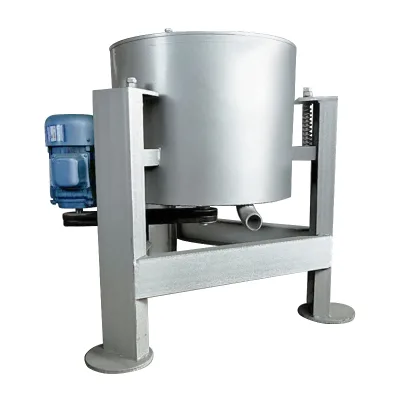


Automatic Turbine Oil Purification Machine for Used Oil Recondition Recycling
$8500.00 - $36500.00
MOQ: 1 Pieces

Cooking Oil Purifier for Fine Cleaning of Oil Particles and Water Contamination
$5500.00 - $6500.00
MOQ: 1 Pieces

Good Price Used Cooking Oil Purification and Regeneration Machine
$18000.00 - $120000.00
MOQ: 1 Pieces


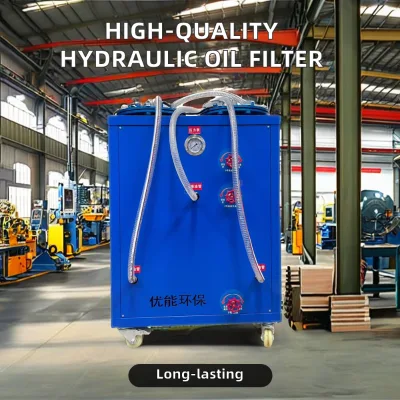


Comprehensive Sourcing Guide
Used Cooking Oil Purification Machine Sourcing Guide
Procuring a Used Cooking Oil Purification Machine requires a disciplined approach to technical verification and supplier qualification, as the equipment serves as the critical bridge between waste collection and refined fuel or industrial feedstock. Buyers must recognize that these systems are not generic industrial filters but specialized vacuum distillation units designed to remove water, solids, and carbon content from degraded lipid streams. The core value proposition lies in the machine’s ability to restore viscosity and purity, enabling the output to meet strict specifications for biodiesel production, soap manufacturing, or animal feed applications. Consequently, the sourcing process must prioritize mechanical integrity, flow rate consistency, and energy efficiency over superficial aesthetic features or basic price points.
The market landscape for these machines is characterized by a wide variance in capacity, structural design, and operational voltage, reflecting the diverse needs of small-scale processors versus large industrial refineries. While some units are designed as mobile, roadworthy trailers for on-site collection and immediate processing, others are stationary installations requiring fixed electrical infrastructure. Understanding these structural differences is paramount before initiating supplier inquiries, as the choice between a suction filter-based system and a return filter configuration will dictate the entire layout of your processing facility. This guide provides a framework for evaluating these machines based on observed market signals, technical requirements, and commercial realities, ensuring that procurement decisions are grounded in verifiable data rather than marketing claims.
Product Scope and Observed Listing Signals
The current market for used cooking oil purification equipment displays a broad spectrum of capabilities, with observed listing prices ranging from approximately $300 to $300,000 USD. This extreme variance indicates that the category encompasses everything from small, single-item units suitable for minor maintenance or low-volume testing to large-scale industrial plants capable of processing tons of oil per day. Buyers must be cautious when interpreting low-end pricing, as these figures may correspond to minimal auxiliary components or smaller capacity models that do not meet the throughput requirements of commercial biodiesel production. Conversely, high-end listings often reflect complete turnkey solutions with integrated heating, vacuum, and filtration stages, necessitating a clear definition of your daily processing volume before comparing quotes.
Observed minimum order quantities (MOQ) in the market are consistently listed as one unit, suggesting that suppliers are accustomed to handling individual project-based sales rather than bulk commodity transactions. This structure allows for customization, with many suppliers offering tailored solutions for voltage, color, and structural housing to fit specific site constraints. However, the availability of customization does not imply that every listed feature is standard; rather, it indicates that the supplier has the engineering capacity to adapt the base model to your specifications. Buyers should view the "New Condition" and "Customization Available" tags as indicators of modern manufacturing practices, but must verify that the specific model number, such as the COP series or similar vacuum-based systems, aligns with their desired flow rate and power consumption.
Technical Specifications to Verify
When evaluating technical specifications, the flow rate and daily processing capacity are the most critical metrics for determining suitability. Market data indicates flow rates ranging from 50 liters per minute to 200 liters per minute, with some larger systems claiming a throughput of 10 tons per day. Buyers must calculate their required capacity based on the volume of waste oil collected and the desired turnaround time, ensuring that the selected machine’s flow rate does not become a bottleneck in the production line. It is essential to distinguish between the theoretical maximum flow rate and the sustainable operational rate, as continuous high-flow operation can lead to premature wear on vacuum pumps and filter elements if the system is not adequately sized for the impurity load of the specific oil source.
Electrical and mechanical parameters require equally rigorous scrutiny, particularly regarding voltage and power consumption. Observed specifications include voltages of 220V and 380V, with total power ratings ranging from 1.5 kW for smaller units to 147 kW for large industrial installations. Buyers must verify that the supplier’s recommended voltage matches their facility’s electrical infrastructure, as mismatched power requirements can lead to costly retrofits or operational failures. Additionally, the mechanical principle of operation, typically vacuum-based for these purification units, relies on precise pressure control, often cited around 0.4 MPa to 0.6 MPa. Understanding the relationship between vacuum pressure, temperature, and filtration efficiency is crucial for optimizing the removal of humidity and solids, which directly impacts the final quality of the purified oil.
Compliance and Safety Documentation
Compliance with international standards is a non-negotiable aspect of sourcing industrial purification equipment, with CE and ISO certifications frequently cited as baseline requirements. These certifications indicate that the machine meets specific European safety, health, and environmental protection standards, which is particularly important for buyers operating in regulated markets or exporting finished biodiesel. However, the presence of a certification mark on a listing does not guarantee that the specific unit delivered will be fully compliant; buyers must request valid certification documents and verify their authenticity with the issuing body. It is also advisable to inquire about additional local regulatory requirements, such as pressure vessel certifications or electrical safety approvals, which may be necessary depending on the country of installation.
Safety documentation should extend beyond basic certifications to include detailed operational manuals, hazard analysis, and maintenance schedules. Since these machines operate under vacuum and often involve heated oil, the risk of thermal burns or pressure-related incidents is significant. Buyers should ensure that the supplier provides comprehensive safety guidelines, including emergency shutdown procedures and lockout/tagout protocols. Furthermore, the structural design, such as weather-proof housing or roadworthy trailers for mobile units, must be evaluated for its ability to protect internal components from environmental damage while ensuring operator safety during transport and operation. Verifying that the supplier adheres to ISO quality management systems can provide additional assurance that their manufacturing processes are consistent and reliable.
Cost Drivers and Commercial Terms
The total cost of ownership for a Used Cooking Oil Purification Machine is influenced by several factors beyond the initial purchase price, including power consumption, maintenance requirements, and packaging logistics. High-power units, such as those exceeding 100 kW, will incur significant electricity costs, making energy efficiency a key consideration for long-term profitability. Buyers should request detailed power consumption profiles under different load conditions to accurately estimate operational expenses. Additionally, the cost of consumables, such as filter elements and vacuum pump oil, should be factored into the financial model, as these recurring costs can accumulate rapidly in high-throughput operations.
Commercial terms and logistics also play a significant role in the final cost, with standard export wooden case packaging being the norm for protecting the equipment during transit. Buyers must clarify whether the quoted price includes freight, insurance, and customs clearance, as these costs can vary widely depending on the destination and the size of the unit. For larger systems, such as those mounted on roadworthy trailers, special shipping arrangements may be required, potentially increasing logistics costs. It is also important to negotiate clear warranty terms, although some listings indicate warranty availability as "unavailable," which suggests that buyers may need to rely on supplier support agreements or third-party insurance for post-purchase protection.
Supplier Qualification and Quality Control
Supplier qualification begins with verifying the manufacturer’s location and production capabilities, with many suppliers originating from industrial hubs in China, such as Chongqing and Henan. Buyers should conduct due diligence to confirm that the supplier is a legitimate manufacturer rather than a trading company, as this can impact pricing, technical support, and spare parts availability. Requesting video tours of the production facility or references from previous clients can provide valuable insights into the supplier’s manufacturing quality and reliability. Additionally, verifying the brand name, such as DFFILTRI or Huading, against industry databases can help establish the supplier’s reputation and track record in the market.
Quality control measures should be implemented both during the manufacturing process and upon delivery. Buyers should insist on pre-shipment inspections, either conducted by a third-party agency or by their own technical team, to verify that the machine meets the agreed-upon specifications. This inspection should include functional testing of the vacuum system, electrical components, and filtration stages to ensure that the machine operates correctly before it leaves the factory. Furthermore, establishing a clear communication channel for technical support and spare parts supply is essential for minimizing downtime in the event of a malfunction. Buyers should negotiate service level agreements that define response times and availability of critical components, ensuring that operational disruptions are kept to a minimum.
Long-Term Procurement Checks
Long-term procurement success depends on the ability to maintain and upgrade the purification system over its operational lifespan. Buyers should establish a preventive maintenance schedule that includes regular inspection of seals, filters, and vacuum pumps, as well as periodic calibration of pressure and temperature sensors. Keeping detailed records of maintenance activities and performance metrics can help identify trends and predict potential failures before they occur. Additionally, staying informed about advancements in purification technology can provide opportunities to upgrade specific components, such as switching to more efficient filter media or upgrading control systems, without replacing the entire machine.
Finally, buyers should regularly review their supplier relationship to ensure that it continues to meet their evolving needs. This includes evaluating the supplier’s responsiveness to technical queries, the quality of spare parts, and the availability of updated documentation. As regulations regarding biodiesel and waste oil disposal become more stringent, suppliers who invest in R&D and offer compliant, up-to-date solutions will be better positioned to support their customers. By maintaining a proactive approach to supplier management and system maintenance, buyers can maximize the return on their investment and ensure the long-term viability of their used cooking oil purification operations.
FAQs
What certifications do these machines have?
These machines typically hold CE and ISO certifications. Some listings also mention SGS standards. Buyers should verify specific certification documents for each supplier to ensure compliance with local regulations.
Can the machine be customized for specific needs?
Yes, customization is available for these purification units. Buyers can request specific configurations to match their production requirements. This flexibility allows adaptation to different oil types and processing capacities.
What is the typical voltage requirement for operation?
The standard voltage requirement is 380V for most industrial models. Some units may also support 220V depending on the specific configuration. Buyers should confirm the exact voltage needs with the supplier before purchase.
How is the machine packed for shipping?
The machines are packed in standard export wooden cases per set. This packaging ensures protection during international transit. Some listings specify a single wooden case for the entire unit to prevent damage.
What is the origin location of these machines?
These machines originate from China, specifically from regions like Chongqing and Henan. Buyers can expect manufacturing from these established industrial hubs. The origin location often influences shipping logistics and lead times.
What is the flow rate capacity of the system?
Flow rates vary by model, with options ranging from 50 to 200 liters per minute. Some larger units handle up to 10 tons per day. The specific capacity depends on the selected model and configuration.
What is the condition of the supplied equipment?
All listed units are in new condition. They are manufactured as fresh equipment ready for immediate installation. Buyers receive brand-new machinery rather than refurbished or used units.