Source Used Light-Duty Box Truck with ABS for Logistics
Compare 30 Used Light-Duty Box Truck with ABS listings from verified suppliers. Buyers can evaluate specifications like horsepower, transmission, and tire types to find suitable vehicles for local delivery, moving services, and small business logistics; compare the available evidence and request quotations based on your requirements.
Key considerations
Products List


Used Foton 4×2 Box Light Truck Low Mileage for Small Logistics Fleets
$15000.00 - $20000.00
MOQ: 1 Pieces

Sturdy and Durable Used Sinotruk Tx / Max 4×2 Heavy Box Cargo Truck
$15000.00 - $20000.00
MOQ: 1 Pieces


Foton Light Duty Box Truck with Diesel Engine and 4X2 Drive, Designed for City Logistics Use
$12040.00 - $51600.00
MOQ: 1 Pieces

Used Mobile Light Refrigerator Truck with Cold Box for Transporting Items
$14500.00 - $15500.00
MOQ: 1 Pieces


Light Truck High Quality Van Cargo Box HOWO Light Truck for Salelight Truck
$9900.00 - $10890.00
MOQ: 1 Pieces

Diesel Cargo Light Duty Commercial Trucks, Light Duty Box Trucks 20 Cbm
$9900.00 - $10890.00
MOQ: 1 Pieces

Used HOWO Flatbed Cargo Truck for Heavy Duty transportation 6*4 Used Cargo Box Truck
$17999.00 - $21800.00
MOQ: 1 Pieces


Dump Truck with Reinforced Cargo Box for Heavy Construction Hauling
$19999.00 - $23000.00
MOQ: 1 Pieces


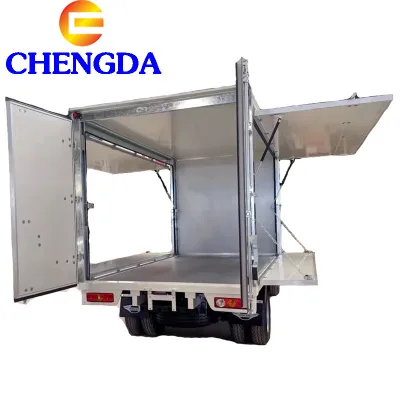


HOWO Used Box Cargo Trucks 8X4 Used Cargo Van Truck 40 Tons Used Truck
$22000.00 - $29000.00
MOQ: 1 Pieces


Comprehensive Sourcing Guide
Used Light-Duty Box Truck with ABS Sourcing Guide
The market for used light duty box trucks with ABS reveals a diverse inventory where condition and powertrain specifications vary significantly across listings. Buyers will encounter units ranging from compact vans to larger flatbed styles, with horsepower ratings observed between under 150hp and the 150-250hp range. This variation necessitates a careful review of the specific vehicle history to ensure the engine capacity aligns with intended cargo loads and route requirements.
Procurement decisions must account for the wide spectrum of transmission types and drive configurations available, including manual transmissions and 4x2 traction setups. While some units feature advanced safety systems like 360-degree camera options, the core requirement remains the presence of an Anti-lock Braking System to ensure stability during operation. Sourcing agents should prioritize listings that explicitly confirm the ABS functionality alongside the vehicle's overall mechanical integrity to mitigate operational risks.
Product Scope and Observed Listing Signals
Listing signals indicate a strong presence of vehicles originating from China, with specific models such as HOWO, Foton, and various chassis codes like Ql5180 appearing in the catalog. The observed product scope includes both new and used conditions, though the core search term focuses on the latter, where units often display a tare weight around 2430kg or a curb weight near 8950kg depending on the configuration. Buyers must distinguish between these weight classes to calculate accurate payload capacities for their specific logistics needs.
The physical dimensions and tire specifications provide critical signals for operational compatibility, with wheelbases ranging from 3360mm to 6500mm and tire sizes like 7.00r16lt or 295/80r22.5. Some listings specify a volume capacity under 5000L or a payload of up to 30T, highlighting the need to match the vehicle's physical envelope with the cargo type. Verification of the tire design, often radial, and the certification status is essential to ensure the vehicle meets the regulatory standards of the destination market.
Technical Specifications to Verify
Buyers must rigorously verify the engine capacity and emission standards, as observed data shows engines ranging from under 4L to over 8L with Euro compliance levels. The power output can vary from diesel engines producing less than 150hp to those delivering up to 250hp, directly influencing the vehicle's ability to handle steep grades or heavy loads. Confirming the exact model number, such as Yn4102 or RUI54652GBS4279FT, is vital for sourcing compatible spare parts and ensuring the engine matches the intended duty cycle.
Transmission and drive wheel configurations require precise validation, as the market offers manual transmissions paired with 4x2 or 6x4 drive wheels. The wheelbase length, observed between 3600mm and 6500mm, dictates the turning radius and stability, which is crucial for urban delivery versus long-haul transport. Additionally, the maximum torque and GVW ratings, such as 18000kg, must be cross-referenced with local road regulations to prevent legal penalties and ensure the vehicle is not overloaded during operation.
Compliance and Safety Documentation
Documentation verification is paramount when sourcing used vehicles, as certifications like ISO, EEC, RoHS, and CE appear frequently in the listings but may not apply to every unit. Buyers should demand proof of the specific safety standards met by the vehicle, particularly regarding the ABS system and braking efficiency, to ensure compliance with local traffic laws. The presence of multiple certifications such as TSEPA and DOT suggests a higher likelihood of regulatory adherence, but individual verification is necessary to avoid accepting non-compliant assets.
Safety features extend beyond the braking system to include optional equipment like 360-degree camera systems, which enhance visibility and reduce accident risks in tight spaces. The vehicle's condition, whether listed as new or used, must be supported by a comprehensive inspection report that details the state of the chassis and bodywork. Ensuring that the vehicle meets the emission standards of the target region is equally critical, as non-compliant engines can lead to significant fines or operational bans in strict environmental zones.
Cost Drivers and Commercial Terms
The price range for these vehicles is substantial, spanning from 2000 to 51600 USD, driven by factors such as age, condition, and specific technical specifications. Buyers should analyze the cost per ton of payload capacity and the total cost of ownership, including potential maintenance for older units with higher mileage. The observed MOQ of 1 to 4 units suggests flexibility for small fleet expansions, but bulk purchasing may offer better leverage on pricing and shipping terms.
Commercial terms regarding packing and shipping methods, such as RO-RO, bulk freighter, or containerized waxing, significantly impact the final landed cost. The origin location, primarily Hubei, China, influences lead times and logistics complexity, requiring buyers to factor in customs duties and inland transportation expenses. Understanding the specific packing standards, whether standard or bulk, helps in planning the unloading process and minimizing damage risks during transit.
Supplier Qualification and Quality Control
Supplier qualification should focus on verifying the origin and standard of the vehicle, with many listings indicating a standard of production from China or specific provinces like Hubei. Buyers must assess the supplier's ability to provide detailed inspection reports and ensure that the vehicle's condition matches the description, particularly for used units where wear and tear can be deceptive. The presence of standard certifications and clear model identification helps in establishing a baseline for supplier reliability and product consistency.
Quality control measures must include a pre-shipment inspection that validates the mechanical condition, including the engine, transmission, and braking systems. Buyers should request evidence of the vehicle's history, such as service records or previous ownership details, to gauge the remaining lifespan of the asset. Ensuring that the supplier adheres to the stated standards and provides transparent communication regarding any defects is essential for maintaining the integrity of the procurement process.
Long-Term Procurement Checks
Long-term procurement success depends on establishing a reliable supply chain for spare parts and maintenance services, especially for models with specific engine capacities like the Yn4102 or Ql5180 chassis. Buyers should verify the availability of compatible tires, such as the 7.00r16lt or 295/80r22.5 sizes, and ensure that the supplier can support the vehicle's lifecycle with genuine parts. A robust after-sales support network is crucial for minimizing downtime and maintaining the operational efficiency of the fleet over time.
Regular audits of the vehicle's performance and compliance status are necessary to ensure continued adherence to safety and environmental regulations. Buyers should monitor the vehicle's condition through scheduled maintenance checks and track any changes in emission standards or road regulations that might affect the fleet's usability. Building a relationship with a supplier who offers ongoing technical support and updates on regulatory changes will help in managing the long-term risks associated with used vehicle procurement.
FAQs
What customization options are available for Used Light-Duty Box Truck with ABS?
Customization is available for these vehicles to meet specific buyer needs. You can request modifications to the flatbed style or van type configurations. This flexibility allows you to adapt the truck for unique cargo requirements while maintaining the original diesel power and manual transmission features found in the inventory.
How much horsepower do these Used Light-Duty Box Truck with ABS units have?
The available units feature horsepower ranging from less than 150hp up to 250hp depending on the specific model. Some models like the Yn4102 or HOWO variants offer different power outputs. Buyers should verify the exact horsepower rating for each unit to ensure it matches their intended load capacity and operational demands.
Which certifications do these Used Light-Duty Box Truck with ABS vehicles hold?
These vehicles hold multiple certifications including ISO, CCC, TSEPA, EEC, RoHS, and CE. Some units also carry ECE, GCC, and DOT tire certifications. These documents verify that the trucks meet international safety and emission standards, ensuring compliance for various global markets and regulatory requirements.
Can I find Used Light-Duty Box Truck with ABS with a 4x2 drive wheel configuration?
Yes, 4x2 drive wheel configurations are available among the listed inventory. Some units also feature 6x4 drive systems for heavier loads. The 4x2 models typically come with left-hand drive and specific tire sizes like 295/80r22.5, making them suitable for standard road transport operations.
What is the typical load capacity for these Used Light-Duty Box Truck with ABS?
Load capacities vary significantly, ranging from 1 to 10 tons for smaller units up to 30 tons for larger models. Specific vehicles like the Ql5180 chassis support substantial payloads. Buyers must check the gross vehicle weight and curb weight details for each listing to determine the exact usable capacity for their cargo.
How are these Used Light-Duty Box Truck with ABS vehicles packed for shipping?
Packing methods include standard packing, bulk freighter, RO-RO, and after waxing by container. Some units are packed in bulk with specific dimensions like 12800x3000x4000mm. The chosen method depends on the vehicle type and destination, ensuring safe transport from the origin in China to the buyer.
What engine capacity options exist for Used Light-Duty Box Truck with ABS?
Engine capacities range from less than 4 liters to over 8 liters depending on the model. Smaller units often use the Yn4102 engine, while larger trucks may have higher displacement engines. This variation allows buyers to select a powertrain that balances fuel efficiency with the required torque and emission standards.