Source USP Grade Chlorhexidine Gluconate Solution for Antiseptic, Fungicide, and Preservative
Compare 30 listings for USP Grade Chlorhexidine Gluconate Solution from verified Chinese suppliers. Buyers can evaluate purity levels, packaging options, and supply capabilities for medical and industrial applications.
Key considerations
Products List


Comprehensive Sourcing Guide
Strategic Sourcing Guide for USP Grade Chlorhexidine Gluconate Solution
Procuring industrial-grade chemical intermediates and active pharmaceutical ingredients requires a rigorous approach to verification, particularly when the core keyword involves specific pharmacopeial standards such as USP Grade Chlorhexidine Gluconate Solution. The global market for this compound is characterized by a complex array of product variations, ranging from raw synthesis intermediates to finished medical-grade solutions. Buyers must navigate a landscape where product attributes, such as appearance, purity, and physical state, vary significantly between listings. This guide provides a structured framework for evaluating potential suppliers and products, ensuring that procurement decisions are grounded in verified data rather than marketing assertions. The following sections detail the technical specifications, compliance requirements, and supply chain considerations essential for securing high-quality chlorhexidine gluconate.
Technical Specifications and Physical Attributes
The first critical step in sourcing is the precise identification of the chemical product's physical and chemical properties. In the current market, listings for chlorhexidine gluconate often present conflicting data regarding the state of matter and concentration. A buyer must distinguish between the raw synthesis intermediates and the final solution product. Observed market data indicates that the chemical name is Polyaminopropyl Biguanide, with a molecular formula of C28H42Cl2N10O7 and a CAS number of 18472-51-0. However, the physical appearance varies drastically in available listings; some sources describe the product as a colorless liquid, while others list it as a white powder. This discrepancy highlights the necessity of verifying the specific form required for the intended application.
For a USP grade solution, the product is typically a liquid with a specific density and pH range. Verified data suggests a density of 1.060-1.070 g/mL at 20°C and a pH value between 5.5 and 7.0. The concentration of the active ingredient is another vital parameter. While some listings indicate a purity of over 99% for the raw material, the solution form often targets a specific content range, such as 19.0% to 21.0%, which aligns with a 20% standard concentration. The molecular weight and chemical structure remain constant, but the presence of gluconate as a salt form is what defines the solution's solubility and stability. Buyers should request a Certificate of Analysis (CoA) that explicitly confirms the content percentage, as "20%" is a common nominal value, but the actual range may vary between 19.0% and 21.0% depending on the manufacturer's tolerance.
Furthermore, the packaging and storage requirements are intrinsically linked to the product's stability. The standard packaging for bulk quantities includes drums of 25kg, 50kg, or 200kg, as well as aluminum foil bags for smaller quantities. The product must be stored in a cool, dry place to maintain its efficacy. The shelf life is typically observed to be 24 months, provided these storage conditions are met. When evaluating a supplier, the buyer must ensure that the "Appearance" listed in the product data sheet matches the physical reality of the shipment. If a listing claims the product is a "White Powder" but the requirement is a "Colorless Liquid," the supplier may be offering a different grade or a raw intermediate that requires further processing.
Compliance, Certification, and Regulatory Standards
Navigating the regulatory landscape is paramount when sourcing materials intended for medical, food, or industrial applications. The term "USP grade" implies adherence to the standards set by the United States Pharmacopeia, but the actual certification status must be verified through documentation. Market observations show that suppliers often list a variety of certifications, including BP (British Pharmacopoeia), USP, ISO, HSE, and GMP (Good Manufacturing Practice). However, the presence of these acronyms in a product listing does not guarantee that the specific batch being purchased is certified. Buyers must treat these as potential attributes that require validation rather than absolute facts.
The distinction between "Food Grade" and "Medical Grade" is particularly important. Some listings specify the grade as "Food Grade," while others explicitly state "Medical grade" or "Medical grade" with a standard of 99% Chlorhexidine Gluconate. If the intended application is for medical devices, wound care, or pharmaceutical formulations, the supplier must provide evidence of GMP compliance and USP certification. The European Chemicals Agency (EINECS) number 242-354-0 is a standard identifier for this chemical, and its presence in the documentation confirms the chemical's identity. However, buyers should not assume that a supplier with an EINECS number automatically meets USP standards.
Verification of the "Test Method" is also a critical component of compliance. High-quality suppliers typically utilize High-Performance Liquid Chromatography (HPLC) for purity testing. The listing of HPLC as the test method is a positive indicator of analytical rigor. Buyers should request the specific HPLC chromatogram and purity report to confirm that the product meets the stated >99% purity or the specific content range for the solution. Additionally, the "Quality" attribute, often described as "Refined," should be supported by a detailed quality control protocol. The absence of specific test data or the use of vague terms like "High Quality" without reference to a recognized standard should be treated as a red flag.
Cost Drivers and Pricing Dynamics
Understanding the cost structure of chlorhexidine gluconate solution is essential for budgeting and negotiating effective procurement contracts. The observed price range in the market is extremely broad, spanning from $0.10 to $5,000 USD. This wide variance is not indicative of a single product but rather reflects differences in quantity, purity, packaging, and the specific grade of the material. A price of $0.10 likely refers to a small sample or a bulk raw material price per kilogram, whereas a price of $5,000 could represent a specialized, certified batch with specific packaging or a larger volume order.
The Minimum Order Quantity (MOQ) is a significant factor influencing the unit cost. Listings show an MOQ range from 1 kg to 100,000 kg. For buyers seeking small quantities for testing or pilot production, an MOQ of 1 kg is advantageous, often accompanied by free sample availability. However, as the order volume increases, the unit price typically decreases. The supply ability of the manufacturer, observed to be up to 100,000 kilograms per week, suggests that large-scale buyers can secure consistent supply, but this capacity must be matched with the buyer's demand to avoid supply chain bottlenecks.
Other cost drivers include the packaging type and the origin of the product. Products originating from Shanxi, China, or other major chemical hubs in China are common, but the "Place of Origin" can affect logistics costs. The "Port of dispatch" is typically any main port in China, which allows for flexibility in shipping but requires the buyer to calculate freight costs based on their specific destination. The "Single gross weight" of 1.500 kg for a single package unit might seem low for a drum, suggesting that the listing might refer to a specific sample size or a smaller container, which could impact the overall shipping weight calculation for bulk orders. Buyers must clarify whether the price includes packaging materials, such as the 25kg or 200kg drums, or if these are charged separately.
Typical Applications and Usage Scenarios
The versatility of chlorhexidine gluconate solution makes it a critical component in various industries, but the specific application dictates the required grade and specifications. The primary application listed is as a fungicide, but its use extends far beyond this. In the medical field, it is widely used as an antiseptic for skin preparation before surgery, for wound cleaning, and in oral hygiene products. The "Suitable for: Adult" attribute indicates that the product is generally intended for adult use, but specific formulations for pediatric or veterinary use may require different purity levels or concentrations.
In the industrial sector, the product serves as a synthesis material intermediate. The "Type" is often categorized as "Organic Intermediates" or "Syntheses Material Intermediates," indicating its role in the production of other chemicals. The "Extraction Type" of Solvent Extraction suggests that the manufacturing process involves specific chemical extraction methods, which can influence the final purity and cost. For buyers in the food industry, the "Food Grade" designation is crucial, ensuring that the product meets safety standards for contact with food processing equipment or as a preservative.
The "Customization" attribute being "Available" allows suppliers to tailor the product to specific client needs, such as adjusting the concentration or packaging format. However, the "Customized" attribute being "Non-Customized" in some listings suggests that standard products are the norm. Buyers should clarify if the product can be customized for specific pH levels or density requirements. The "Model Number" often varies, with examples like "ST-Chlorhexidine Gluconate" or "Chlorhexidine Gluconate Solution 20%," indicating that different models may correspond to different grades or concentrations. Understanding the specific application is the first step in selecting the correct model number and ensuring compatibility with existing processes.
Supplier Evaluation and Quality Control
Evaluating a supplier for chlorhexidine gluconate solution requires a multi-faceted approach that goes beyond the initial product listing. The "Brand Name" listed as "Further" is one example, but buyers should not rely on brand recognition alone. Instead, they must assess the supplier's ability to provide consistent quality and reliable logistics. The "Supply Ability" of 100,000 kilograms per week is a strong indicator of capacity, but it must be verified against the supplier's actual production facilities and inventory levels.
Quality control is the backbone of a successful procurement relationship. Buyers should demand a comprehensive quality control plan that includes the "Test Method" of HPLC and detailed purity reports. The "Standard" of 99% Chlorhexidine Gluconate or "Medical grade" must be backed by third-party testing results. The "Storage" requirement of a cool, dry place is a standard instruction, but the supplier must demonstrate that their logistics partners can maintain these conditions during transit. The "Transportation" method of "by Sea" is common for bulk orders, but the buyer must ensure that the shipping containers are suitable for liquid chemicals and that the packaging is robust enough to prevent leakage.
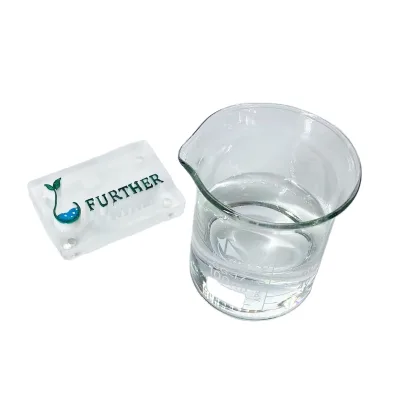
The "Sample" availability is a critical tool for supplier evaluation. The option for a "Free Sample" allows buyers to verify the physical attributes, such as the "Colorless" color and "Liquid" appearance, before committing to a large order. However, the "Single package size" of 15x10x10 cm and "Single gross weight" of 1.500 kg for a sample may not represent the bulk packaging accurately. Buyers should request samples that match the bulk packaging format to ensure that the quality remains consistent. The "Packaging Details" of 25kg/drum, 50kg/drum, and 170kg/drum should be confirmed to ensure that the supplier can meet the specific packaging requirements of the buyer.
Long-Term Procurement and Supply Chain Resilience
Securing a long-term supply of USP Grade Chlorhexidine Gluconate Solution requires a strategic approach to supply chain management. The "Lead time" and "Port of dispatch" are key factors in planning inventory levels. While the "Port of dispatch" is typically any main port in China, the specific port chosen can impact transit times and costs. Buyers should establish a relationship with a supplier who can provide reliable lead times and maintain a consistent supply of the product. The "Shelf life" of 24 months provides a buffer for inventory management, but buyers must ensure that the product is consumed or used within this timeframe to avoid degradation.
The "Customization" capability is another long-term consideration. As market needs evolve, the ability to customize the product, such as adjusting the concentration or packaging, can provide a competitive advantage. However, the "Customized" attribute being "Non-Customized" in some listings suggests that the supplier may have limitations in this area. Buyers should clarify the extent of customization available and the associated costs. The "Type" of "Organic Intermediates" or "Syntheses Material Intermediates" indicates that the product is part of a larger supply chain, and buyers should ensure that the supplier has a stable source of raw materials to prevent disruptions.
Finally, the "Quality" attribute of "Refined" should be a baseline expectation. Buyers should implement a robust quality assurance program that includes regular testing of incoming shipments. The "Test Method" of HPLC should be used consistently to verify purity and content. By maintaining a rigorous quality control process and fostering a strong relationship with a reliable supplier, buyers can ensure a steady supply of high-quality chlorhexidine gluconate solution for their specific applications. The broad range of observed prices and MOQs underscores the importance of due diligence in selecting a supplier that aligns with the buyer's specific needs and budget constraints.
FAQs
What is the typical purity range for this solution?
The solution typically contains 19.0% to 21.0% active content, aligning with a 20% standard concentration. While raw materials may list over 99% purity, the final liquid product targets this specific range verified by HPLC testing methods.
Which certifications are commonly listed for this chemical?
Commonly listed certifications include BP, USP, ISO, HSE, and GMP. Buyers must verify that specific batches hold these credentials rather than assuming all listings with these acronyms meet the required pharmacopeial standards for medical use.
How is the product packaged for bulk orders?
Bulk orders are typically shipped in 25kg, 50kg, or 200kg drums. Smaller quantities may be packed in aluminum foil bags, and the single package size for samples is often listed as 15x10x10 cm.
Can suppliers provide free samples for testing?
Yes, free samples are available for many listings to allow buyers to verify physical attributes. This option is useful for checking the liquid appearance and density before committing to larger Minimum Order Quantities.
What is the standard shelf life for this solution?
The standard shelf life is 24 months provided the product is stored in a cool, dry place. Maintaining these storage conditions is essential to ensure the stability and efficacy of the chlorhexidine gluconate solution.
Which physical state does the USP grade solution take?
The USP grade solution is a colorless liquid with a density of 1.060 to 1.070 g/mL at 20°C. Some listings may incorrectly describe it as a white powder, so verifying the physical state is critical for medical applications.
What is the minimum order quantity for testing?
The minimum order quantity can be as low as 1 kg for testing purposes. This low threshold allows buyers to secure small batches without significant inventory commitment while evaluating supplier reliability and product quality.