Source UV Quartz Flow Optical Cuvette for Lab Testing
Find and compare 30 UV Quartz Flow Optical Cuvette options from verified Chinese manufacturers. Evaluate specifications like path length, material quality, and customization availability to select the right laboratory supplies for your spectrophotometer needs; compare the available evidence and request quotations based on your requirements.
Key considerations
Products List


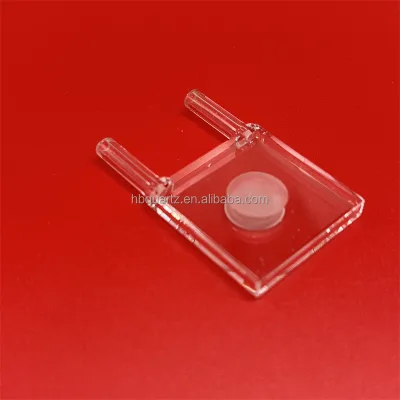
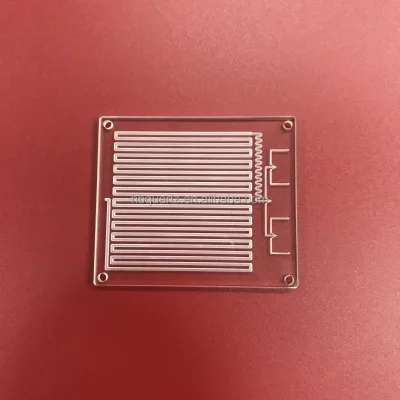
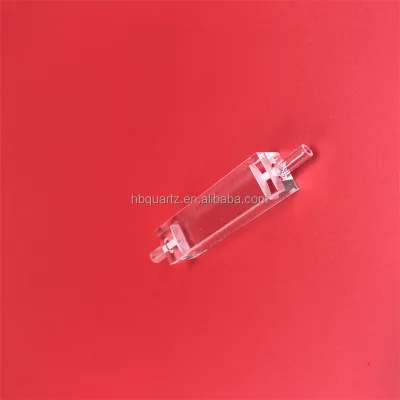
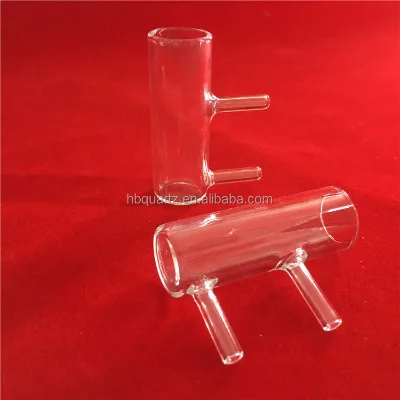
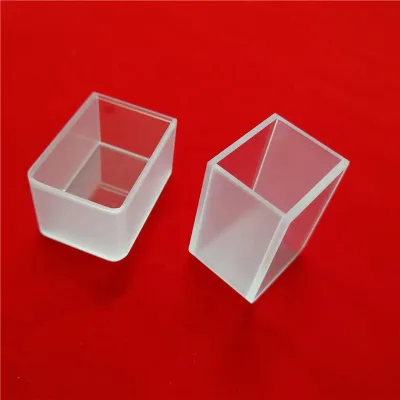
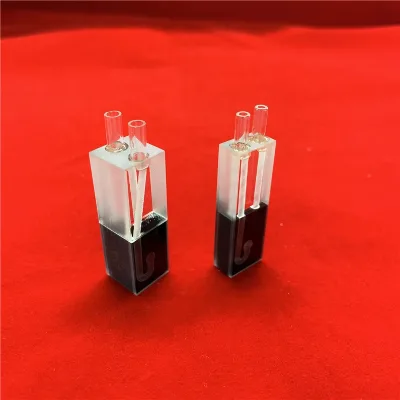
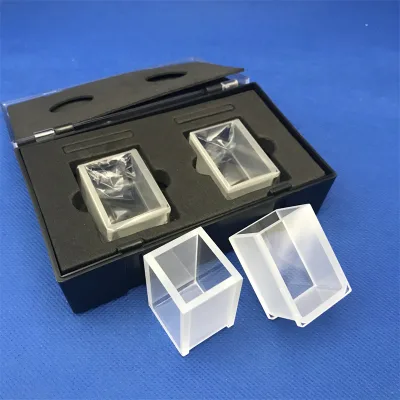
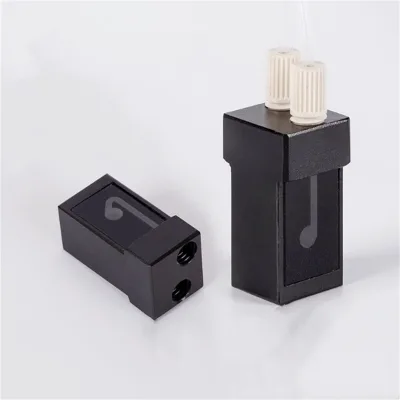
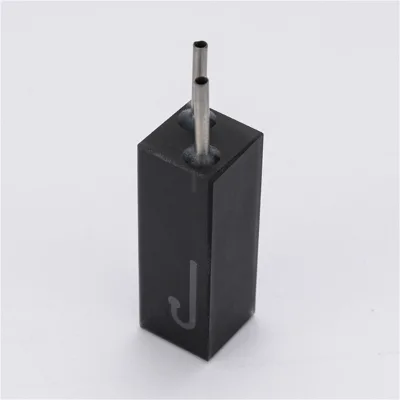
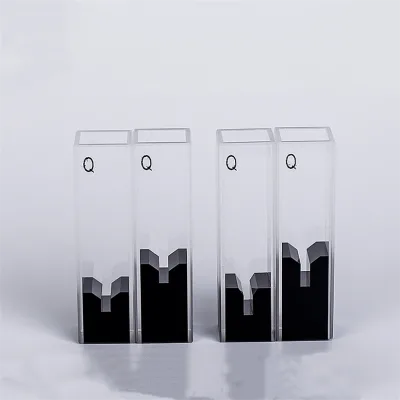
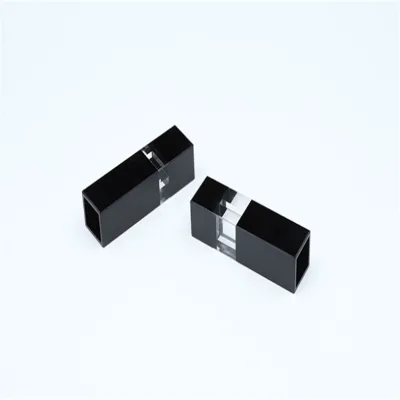
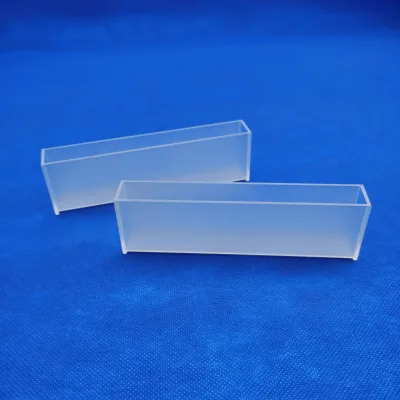


Customize Clear Optical UV Quartz Glass Flow Cell Cuvette with Cut Corner
$265.00 - $300.00
MOQ: 3 Pieces


Comprehensive Sourcing Guide
UV Quartz Flow Optical Cuvette Sourcing Guide
Procuring UV quartz flow optical cuvettes requires distinguishing between standard disposable glass options and high-performance fused quartz cells designed for spectrophotometric precision. The market presents a mix of products labeled as disposable or non-disposable, with materials ranging from standard glass to high-quality quartz, necessitating careful verification of the optical path and material composition. Buyers must prioritize suppliers who explicitly state the use of fused or glued quartz processes to ensure the necessary light transmission properties for UV applications.
The observed product landscape includes variations in path lengths, with common specifications ranging from 1mm to 100mm, though specific UV flow applications often demand precise 10mm paths. While some listings offer free samples and competitive pricing, the critical differentiator remains the optical clarity and the absence of bubbles or scratches on the surface. Sourcing strategies should focus on verifying the specific model numbers and dimensions, such as 12.512.545mm, to ensure compatibility with existing laboratory instrumentation and flow cells.
Product Scope and Observed Listing Signals
Buyers should analyze the diverse range of listed attributes to identify products suitable for specific laboratory, testing chemistry, and microbiology applications. The supply chain includes items described as transparent or frosted, with some explicitly marketed as dye beakers or general laboratory supplies, which may not meet the strict optical requirements of UV flow analysis. It is essential to filter for products specifically identified as quartz cells or cuvettes with high-quality material claims rather than generic glass containers.
Listing signals indicate a wide availability of stock, with many suppliers offering free sample charges and competitive pricing structures. However, the presence of varying packing standards, from simple carton packages to five-layer cardboard cartons, suggests differences in handling and protection during transit. Procurement teams must verify that the selected product includes the correct light path specifications, such as 10mm, and confirm whether the item is sterile or non-sterile based on the specific experimental protocol requirements.
Technical Specifications to Verify
Verification of the optical path length is the primary technical requirement, as the supplied data highlights specific models with 10mm paths alongside others offering ranges from 1mm to 100mm. Buyers must confirm that the physical dimensions, such as 12.512.545mm, align with the sample holder of their spectrophotometer to prevent measurement errors or mechanical incompatibility. The surface quality is equally critical, with a requirement for no bubbles and no scratches to maintain the integrity of the light transmission during analysis.
Material composition must be rigorously checked to ensure the use of high-quality quartz rather than standard glass, which may absorb UV light and compromise data accuracy. The production process, whether fused or glued, directly impacts the durability and optical consistency of the flow cell. Procurement specifications should explicitly demand confirmation of the material type and the manufacturing method to guarantee the product meets the rigorous demands of chemical and scientific applications.
Compliance and Safety Documentation
Compliance verification should focus on the presence of recognized certifications such as RoHS, ISO, and CE, which are frequently cited in the product listings. These certifications indicate adherence to environmental and safety standards, though buyers must confirm that the specific batch or model carries these valid credentials rather than relying on general supplier claims. The documentation should also address the sterile status of the product, as most listed items are non-sterile, which may require additional sterilization steps for microbiology applications.
Safety considerations extend to the handling of the optical components, particularly given their use in chemical and medical settings. While the products are generally transparent and designed for laboratory use, the lack of specific safety data sheets in the provided facts necessitates a direct request for material safety information from the supplier. Ensuring that the packaging, often described as carton or five-layer cardboard, meets the necessary standards for protecting fragile optical glass during shipping is also a key compliance factor.
Cost Drivers and Commercial Terms
Cost structures are influenced by the material quality, with high-quality quartz cells commanding higher prices than standard glass alternatives, despite the observed price range spanning from 0.62 to 300 USD. The minimum order quantity (MOQ) varies significantly, ranging from 1 to 100 units, allowing for flexibility in initial sampling or bulk procurement. Buyers should evaluate the total cost of ownership, including the potential need for custom orders and the availability of stock, which can impact lead times and unit pricing.
Commercial terms often include the acceptance of OEM orders and the availability of customization, which can add value but may increase the unit cost. The supply chain origin, primarily from regions like Changde, Changsha, and Hunan in China, suggests a competitive market with established manufacturing capabilities. Procurement strategies should leverage the availability of free samples and competitive pricing to negotiate better terms while ensuring that the volume purchased aligns with the supplier's capacity and standard packing configurations.
Supplier Qualification and Quality Control
Supplier qualification requires a thorough review of their manufacturing capabilities, specifically their ability to produce fused or glued quartz cells with consistent optical properties. The presence of multiple origins, including Jiangsu and Hunan, indicates a broad supplier base, but buyers must verify the specific production standards and quality control measures for each vendor. It is crucial to confirm that the supplier can consistently deliver products with the specified surface quality, free from bubbles and scratches, which are critical for accurate spectrophotometric readings.
Quality control protocols should include a verification of the product standard, such as the 2pcs/box or 10mm path length specifications, to ensure consistency across batches. Buyers should request evidence of the production process and the specific model numbers to avoid receiving generic or mismatched items. Establishing a relationship with suppliers who offer stock availability and clear communication regarding their capacity and standard packing methods will help mitigate risks associated with supply chain disruptions.
Long-Term Procurement Checks
Long-term procurement strategies must include regular audits of the supplier's ability to maintain the specified material quality and optical performance over time. As the market offers both disposable and non-disposable options, buyers should establish clear criteria for product lifecycle management to ensure that the cuvettes remain suitable for repeated use or safe disposal as intended. Continuous monitoring of the supplier's certification status and adherence to ISO and CE standards is essential for maintaining compliance in regulated laboratory environments.
Procurement teams should also track changes in the product specifications, such as variations in path length or dimensions, to ensure ongoing compatibility with laboratory equipment. The availability of samples and the supplier's responsiveness to customization requests are key indicators of a reliable long-term partner. By maintaining a detailed record of product performance and supplier reliability, organizations can optimize their sourcing decisions and ensure a steady supply of high-quality UV quartz flow optical cuvettes for their research and testing needs.
FAQs
What materials are used for uv quartz flow optical cuvettes?
These cuvettes are primarily manufactured from high-quality quartz glass to ensure excellent light transmission. Some variants may use standard glass for less demanding applications. The material choice directly impacts durability and optical clarity, making quartz the preferred option for precise spectrophotometric measurements in laboratory settings.
Can I customize the path length of these cuvettes?
Yes, customization is available for path lengths ranging from 1mm to 10mm, with common options including 5mm, 10mm, 20mm, and 30mm. Buyers can specify exact dimensions to match their spectrophotometer requirements. This flexibility allows for tailored solutions in chemical, scientific, and medical testing environments.
Are these cuvettes sterile or disposable?
Most listed products are non-sterile and designed for reusable use in laboratory environments. However, some options are explicitly marked as disposable for convenience in high-throughput testing. Buyers should verify the specific product attributes, as availability varies between sterile, non-sterile, disposable, and non-disposable configurations depending on the supplier.
What certifications do these optical cuvettes typically hold?
Products often carry ISO, CE, and RoHS certifications, ensuring compliance with international quality and safety standards. These credentials verify that the manufacturing processes meet rigorous requirements for laboratory supplies. Buyers can rely on these certifications to ensure the cuvettes are suitable for professional scientific and medical applications.
How are these cuvettes packaged for shipping?
Cuvettes are typically packed in cartons, with standards like 2 pieces per box or 40x30x30 cm outer cartons. Some suppliers use 5-layer cardboard cartons for enhanced protection. This packaging ensures safe transit while maintaining the integrity of the fragile optical components during global shipping from origins like China.
What is the minimum order quantity for these products?
The minimum order quantity generally ranges from 1 to 100 units, offering flexibility for both small labs and large manufacturers. This low MOQ allows buyers to test samples or order small batches without significant commitment. Specific MOQs may vary by supplier, so checking individual listings is recommended for precise ordering details.