Find UV Reduction Card Display Case for Retail, Cosmetics, and Food
Explore 30 UV Reduction Card Display Case options to compare materials, sizes, and packaging. This guide helps buyers evaluate acrylic and plastic models suitable for supermarkets, specialty stores, and retail environments; compare the available evidence and request quotations based on your requirements.
Key considerations
Products List


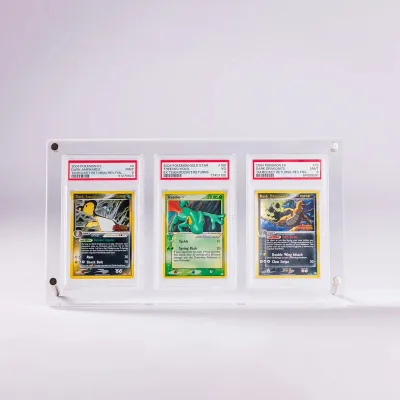


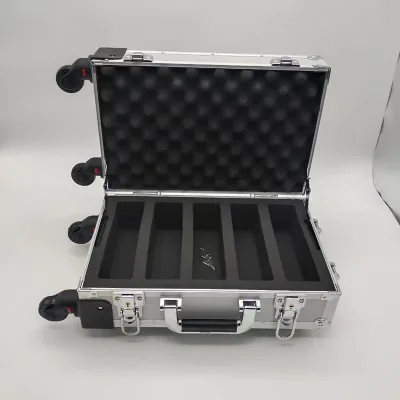


Durable Aluminum Sports Card Storage Box Waterproof Display Case for Card Collection
$14.00 - $16.00
MOQ: 100 Pieces

Waterproof Aluminum Graded Card Storage Box for Sports Cards 2-Slots Display Case
$14.00 - $16.00
MOQ: 100 Pieces


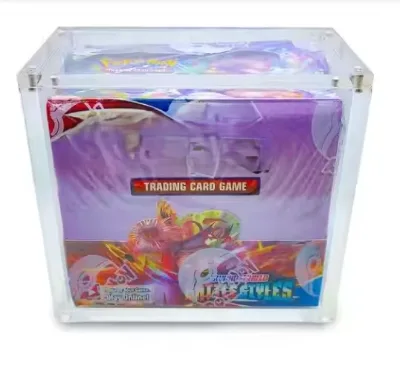
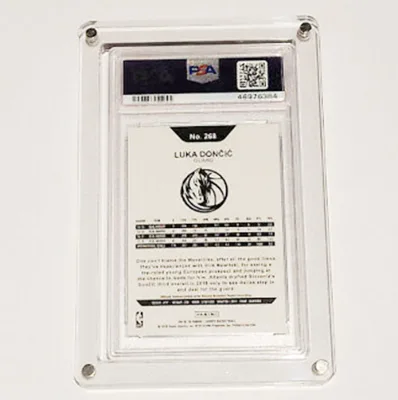


Custom Acrylic Trading Card Display Case for Collectible Storage Showcase
$0.30 - $0.80
MOQ: 100 Pieces
Comprehensive Sourcing Guide
UV Reduction Card Display Case Sourcing Guide
Buyers seeking UV reduction card display cases must first distinguish between general acrylic displays and specialized units designed to mitigate light exposure. The available market data indicates a strong presence of acrylic materials used for grade card slabs and retail displays, often featuring UV coating as a surface treatment. This suggests that while standard acrylic cases exist, the specific "UV reduction" capability may rely on the application of specialized coatings or the selection of specific plastic sheet types rather than a universal material property.
Procurement teams should verify whether the "UV Coating" mentioned in product attributes is a standard finish or a specific requirement for light-sensitive items like cards. The observed listings show products with "UV Coating" alongside acrylic and plastic materials, but do not explicitly confirm light-blocking performance metrics. Consequently, buyers must treat the coating as a surface feature that requires further validation to ensure it meets the actual UV reduction needs of their specific inventory, such as preventing fading in cosmetic or electronic card displays.
Product Scope and Observed Listing Signals
The current market signals for card display cases reveal a diverse range of applications, including supermarkets, specialty stores, and retail environments. Products are frequently described as suitable for displaying grade card slabs, with styles ranging from minimalist to trendy and cultural designs. The observed listings include options for single-item selling units and customized sizes, indicating that buyers can source both standard and bespoke solutions for various display needs without being limited to a single rigid format.
Material composition varies significantly across the observed listings, with paper, acrylic, and plastic sheets all appearing in the product data. Some items are explicitly noted as flat-packed for easy assembly, while others utilize 3D packing or standard packaging methods. This variation requires buyers to carefully match the material durability and aesthetic style to their specific use case, ensuring that the chosen display case aligns with the intended environment, whether it is an indoor supermarket or a specialized retail store.
Technical Specifications to Verify
When evaluating technical specifications, the tensile strength and contraction percentage of the plastic sheets are critical metrics for structural integrity. Observed data points to a tensile strength range of 81 to 130 MPa and a contraction percentage of less than 0.4% for certain PVC plastic sheets, which are relevant for ensuring the display case maintains its shape under load. Buyers should request specific test data for these mechanical properties to confirm that the material can withstand the weight of the cards and the rigors of retail handling without deforming.
Water absorption rates and surface treatments also play a vital role in the longevity and appearance of the display case. The available information notes a water absorption rate between 0.2% and 0.3% for specific plastic sheets, alongside UV coating as a surface treatment. Procurement teams must verify if these specific values apply to the exact product being sourced, as high water absorption could lead to warping in humid environments, while the effectiveness of the UV coating must be confirmed against the specific light conditions of the display location.
Compliance and Safety Documentation
Safety documentation for card display cases often centers on the materials used and their suitability for food or electronic applications, as indicated by the observed product attributes. While the listings mention applications for food and electronics, they do not explicitly list specific safety certifications or compliance standards for the acrylic or plastic components. Buyers must therefore request material safety data sheets (MSDS) and confirm that the materials meet local regulations for indoor use, particularly if the display is intended for environments where food or sensitive electronics are present.
The absence of explicit antitheft features in the observed product data suggests that security is not a standard attribute of these display cases. Buyers should clarify whether the display case requires integration with external security systems or if the design itself offers any inherent protection against theft. Additionally, since the products are often used in supermarkets and specialty stores, verifying that the materials are non-toxic and safe for public interaction is essential, even if specific certification labels are not immediately visible in the product listings.
Cost Drivers and Commercial Terms
Cost drivers for UV reduction card display cases are heavily influenced by the customization level and the specific material composition. The observed listings show a wide MOQ range from 10 to 1000 units, with some products offering customized sizes and others adhering to standard dimensions. Buyers should anticipate that requests for custom sizes, specific UV reduction coatings, or unique surface treatments like UV coating will increase the unit price and potentially raise the minimum order quantity requirements.
Commercial terms regarding packing and assembly also impact the total cost of ownership. Products are available in flat packing, which eliminates the need for assembly, or in 3D packing, which may require additional handling. The observed data indicates that some items are designed for easy assembly, while others are flat-packed to reduce shipping volume. Buyers must factor in the logistics costs associated with these packing methods and ensure that the supplier's lead times align with their inventory planning, especially when dealing with customized orders that may have longer production cycles.
Supplier Qualification and Quality Control
Supplier qualification should focus on the manufacturer's ability to deliver consistent material properties and surface treatments. The observed data lists origins in Shanghai and Zhejiang, China, indicating a concentration of manufacturing capabilities in these regions. Buyers should verify the supplier's experience with PVC plastic sheets and acrylic materials, specifically their track record in applying UV coatings and maintaining the specified tensile strength and water absorption rates for their products.
Quality control processes must be robust enough to handle the variability in material properties and customization requests. Since the listings show a mix of standard and customized products, suppliers should have clear protocols for inspecting the hardness, color consistency, and surface finish of each batch. Buyers should request samples to test the actual UV reduction capabilities and ensure that the "Medium Soft" hardness and other physical attributes match the product description before committing to a larger order.
Long-Term Procurement Checks
Long-term procurement checks should include regular audits of the supplier's ability to maintain consistent material specifications over time. Given the observed variations in material types and surface treatments, buyers must ensure that the supplier can consistently deliver products with the required tensile strength, contraction percentage, and water absorption rates. This is particularly important for maintaining the structural integrity and aesthetic appeal of the display cases in a retail environment where they are subject to constant handling.
Buyers should also monitor the supplier's responsiveness to customization requests and their ability to adapt to changing market trends. The observed data shows a wide range of styles, from minimalist to glamorous, indicating that consumer preferences can shift rapidly. Establishing a long-term partnership with a supplier who can quickly adjust their production lines to meet new design requirements or material specifications will ensure a steady supply of relevant and attractive display cases for the buyer's retail operations.
FAQs
What materials are used for uv reduction card display cases?
These display cases are typically constructed from paper, acrylic, or plastic. Paper options offer eco-friendly customization, while acrylic and plastic variants provide durability and waterproof features. The choice depends on whether you need a lightweight flat-packed solution or a robust, shock-absorbent retail display unit for supermarkets and specialty stores.
Can I customize the size of the display case?
Yes, customized sizes are available for these display units. Manufacturers offer flexible specifications to fit specific product dimensions, such as grade card slabs or cosmetics. You can request tailored dimensions to ensure optimal visibility and protection for your items, whether for indoor retail environments or specialized store displays.
How is the display case packed for shipping?
Packing methods vary by material and model. Paper and some plastic displays often use flat packing to save space and avoid assembly requirements. Acrylic or more complex units may utilize 3D packing for protection. Standard packing ensures safe transit, while flat options reduce logistics costs for bulk orders.
What is the typical MOQ for these display cases?
The minimum order quantity generally ranges from 10 to 1000 units, depending on the supplier and customization level. Some specific models may have an MOQ of 50. Buyers should verify the exact threshold with the manufacturer, as higher customization or specific material choices like acrylic might influence the minimum order requirements.
Where are these display cases manufactured?
These products are primarily manufactured in China, with origins in regions like Shanghai and Zhejiang. This location allows for efficient production of various materials including paper, acrylic, and plastic. Buyers can expect competitive pricing and flexible customization options due to the established manufacturing infrastructure in these Chinese industrial hubs.
Are these display cases suitable for retail use?
Yes, they are designed for retail environments including supermarkets, specialty stores, and indoor displays. Features like anti-slip surfaces, decoration capabilities, and waterproof properties make them ideal for showcasing cosmetics, electronics, or food items. The minimalist and trendy styles also help enhance product visibility and appeal to customers.