Source UV Protection Tinted Window Film for Cars, Homes, Offices
Find and compare 30 listings for UV Protection Tinted Window Film tailored for automotive, residential, and commercial applications. Evaluate options based on material types like PET and PE, varying VLT levels, and specific features such as heat rejection and privacy protection to find the right solution for your needs.
Key considerations
Products List


$0.10 - $0.20
MOQ: 30000 Square Meters

$0.17 - $0.21
MOQ: 30000 Square Meters


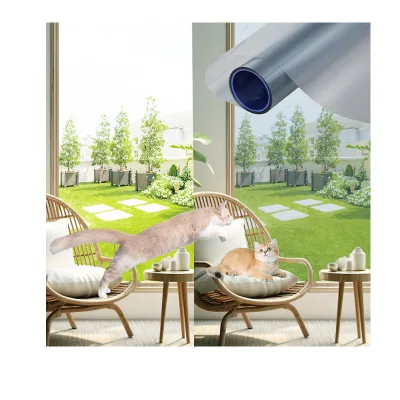


Tinting Film Window Scratch-Resistant Automotive Glass Building Window Film
$1.20 - $1.40
MOQ: 100 Meters


Comprehensive Sourcing Guide
UV Protection Tinted Window Film Sourcing Guide
Sourcing UV Protection Tinted Window Film requires a nuanced understanding of material science, optical performance, and long-term durability. Unlike standard decorative films, UV-protective variants are engineered to block harmful ultraviolet radiation while maintaining specific visible light transmission (VLT) levels. Buyers must distinguish between basic dyed films and advanced nano-ceramic or metallic options, as the latter offer superior heat rejection and clarity without signal interference. The decision matrix hinges on balancing aesthetic preferences, thermal performance, and budget constraints, ensuring the selected film meets both functional and regulatory requirements for the intended installation environment.
This guide provides a structured approach to evaluating suppliers and products in the global market. It focuses on verifying technical specifications, understanding compliance documentation, and assessing supplier reliability. By adhering to evidence-based procurement practices, buyers can mitigate risks associated with premature degradation, adhesive failure, or inconsistent optical quality. The following sections detail the critical parameters that define product quality and the commercial considerations that influence total cost of ownership.
Product Scope and Observed Listing Signals
The market for UV protection window films encompasses a diverse range of materials, primarily categorized by their base composition and manufacturing method. Common materials include polyethylene (PE) for protective layers and polyethylene terephthalate (PET) for the functional film itself. PET-based films, particularly nano-ceramic types, are prevalent in high-performance applications due to their stability and optical clarity. Observations from current listings indicate a wide variety of models, such as the CS05 nano-ceramic film and various protective films like H50BL-UV, which serve different purposes from surface protection to architectural tinting. Buyers should note that some products listed under similar keywords may serve entirely different functions, such as industrial stretch films or surface protectors, necessitating careful verification of the product type.
Listing signals reveal significant variability in color options, thickness, and functional claims. Available colors range from transparent and blue to black, green, and orange, allowing for customization based on architectural or automotive needs. Thickness specifications vary widely, with some protective films offering 50-micron or 60-120 micron options, while functional tinting films may have different dimensional profiles. Functional claims often include UV proofing, self-healing properties, sand proofing, and heat insulation. However, buyers must treat these claims as observations requiring verification. For instance, while some listings advertise heat rejection rates of 90% to 99%, these figures are specific to certain models and VLT levels and should not be generalized across all products.
Technical Specifications to Verify
Verifying the core technical specifications is paramount to ensuring the film meets performance expectations. The Visible Light Transmission (VLT) is a critical metric, with common options including 5%, 20%, 35%, 50%, 70%, 75%, and 80%. Lower VLT values provide greater privacy and heat rejection but reduce interior brightness. Buyers must align the chosen VLT with local regulations and aesthetic goals. Additionally, the type of film, such as nano-ceramic or metallic, dictates its interaction with electronic signals. Nano-ceramic films, for example, typically do not interfere with GPS, radio, or cellular signals, making them suitable for modern vehicles and smart buildings. Confirming the material composition ensures the film will not degrade or discolor over time.
Adhesion and tensile strength are equally important for installation success and longevity. High adhesion properties ensure the film stays securely in place without bubbling or peeling, while tensile strength values, observed in some protective films to range from 0.0 to 50.0 MPa, indicate durability during handling and installation. Buyers should also verify the width and length specifications, as standard rolls may vary from 60cm to wider industrial sizes. Customization options for width, length, and color are frequently available, allowing for tailored solutions. However, custom orders may impact lead times and minimum order quantities, so these variables should be clarified early in the sourcing process.
Compliance and Safety Documentation
Compliance with international standards is essential for ensuring product safety and quality. Many suppliers claim adherence to ISO 9001 and SGS certification, which indicate robust quality management systems and independent testing verification. Buyers should request valid certificates and verify their authenticity through the respective certification bodies. These certifications provide assurance that the manufacturing process meets consistent quality benchmarks, reducing the risk of defects. Additionally, understanding the standard specifications for UV protection and heat rejection is crucial. While specific test results may vary, buyers should ensure that the film meets relevant regional standards for optical clarity and chemical safety.
Safety documentation should also cover the environmental and health impacts of the film. Buyers should inquire about the presence of harmful chemicals, such as lead or heavy metals, in the film’s composition. Transparent films and nano-ceramic options are generally preferred for their inert properties. Furthermore, understanding the warranty terms related to UV protection and heat rejection is vital. Some products offer a 12-month UV resistance guarantee for indoor use, while outdoor applications may have shorter lifespans due to environmental exposure. Buyers should clarify whether the warranty covers fading, bubbling, or adhesive failure, and under what conditions these guarantees apply.
Cost Drivers and Commercial Terms
Several factors influence the cost of UV protection window films, including material type, thickness, and customization requirements. Nano-ceramic films typically command a higher price due to their advanced manufacturing processes and superior performance characteristics. In contrast, basic dyed or metallic films may be more cost-effective but offer lower durability or signal interference. Thickness also plays a role, with thicker films often providing better durability and insulation but at a higher cost. Buyers should evaluate the total cost of ownership, considering installation expenses and potential replacement costs, rather than focusing solely on the unit price.
Commercial terms, such as minimum order quantity (MOQ) and payment terms, vary significantly among suppliers. Observed MOQs range from small quantities for sample orders to large volumes for industrial projects. Packaging methods, including carton and pallet configurations, affect shipping costs and handling efficiency. Buyers should negotiate clear terms regarding shipping responsibilities, insurance, and delivery timelines. Additionally, understanding the supplier’s return and refund policies is crucial in case of product defects or non-conformance. Clear communication of these terms helps avoid unexpected costs and ensures a smooth procurement process.
Supplier Qualification and Quality Control
Supplier qualification is a critical step in mitigating procurement risks. Buyers should verify the supplier’s business type, with many manufacturers claiming to be direct producers rather than traders. Direct manufacturers often offer better pricing and technical support, but buyers should confirm this through site audits or third-party verification. Checking the supplier’s production capacity and lead times is essential for meeting project deadlines. Additionally, assessing the supplier’s reputation through customer reviews and industry references can provide insights into their reliability and service quality.
Quality control processes should be rigorously evaluated to ensure consistent product performance. Buyers should inquire about the supplier’s testing procedures for UV protection, adhesion, and optical clarity. Requesting sample batches for independent testing is a prudent step to verify claims before committing to large orders. Suppliers with established quality management systems, such as ISO 9001 certification, are more likely to deliver consistent quality. Furthermore, understanding the supplier’s approach to handling defects and customer complaints is important for long-term partnership stability.
Long-Term Procurement Checks
Long-term procurement success depends on continuous monitoring of product performance and supplier reliability. Buyers should establish a schedule for periodic audits of installed films to assess their condition and performance over time. Monitoring for signs of fading, bubbling, or adhesive failure can help identify potential issues early. Additionally, staying informed about advancements in film technology and materials can inform future sourcing decisions. Engaging with suppliers for feedback on product performance can also provide valuable insights for improvement.
Building a strong relationship with qualified suppliers is essential for securing favorable terms and priority service. Regular communication and collaboration on product development can lead to customized solutions that meet evolving needs. Buyers should also consider diversifying their supplier base to mitigate risks associated with supply chain disruptions. By maintaining a proactive approach to supplier management and product evaluation, buyers can ensure a steady supply of high-quality UV protection window films that meet their operational and aesthetic requirements.
FAQs
What materials are used for UV Protection Tinted Window Film?
The film is primarily made from PET or PE materials. Some variants use LDPE for stretch applications, while others utilize PET for nano ceramic properties. These materials ensure durability and specific functional attributes like heat rejection or surface protection.
Can the film be customized for specific thickness requirements?
Yes, customization is available for thickness and other specifications. Options include 50 micron, 60 to 120 micron, or fully customizable dimensions. Buyers can request specific widths ranging from 26mm to 2200mm to fit their project needs.
Which certifications do the manufacturers hold for quality assurance?
Manufacturers hold ISO 9001 and SGS certifications for quality assurance. These standards verify production processes and product reliability. Some listings also reference ISO2001, ensuring compliance with international quality management systems for all supplied film products.
How long does the UV resistance last on the film?
The UV resistance typically lasts for 12 months. Some specific products offer a lifespan of 12 months indoors and 6 months outdoors. This durability ensures effective protection against sun damage for glass and stainless steel applications.
What are the available color options for the tinted film?
Available colors include transparent, black, white, blue, green, orange, and customizable shades. The film can be produced in various hues to match aesthetic requirements. Specific models may offer black or transparent options depending on the functional needs.
Where are the manufacturers located for sourcing this film?
Manufacturers are located in China, with specific origins noted in Wuxi. These locations serve as the primary production hubs for the film. Buyers can source directly from these Chinese factories for various product models and specifications.
What is the minimum order quantity for purchasing the film?
The minimum order quantity ranges from 1 to 30,000 units depending on the supplier. This flexibility allows buyers to order small samples or large bulk quantities. Specific MOQs vary by product model and customization requirements.