Source v-shaped wall-mounted key rack for Entryway, Living Room, Kitchen
Compare 30 v-shaped wall-mounted key rack options from verified suppliers. Explore metal and wood materials, wall-mounted designs, and modern styles suitable for entryways, living rooms, and kitchens with varying dimensions and finishes; compare the available evidence and request quotations based on your requirements.
Updated
Key considerations
Products List
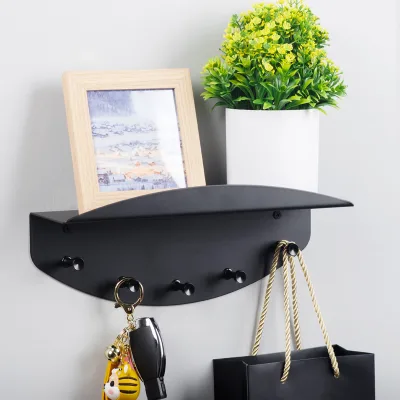
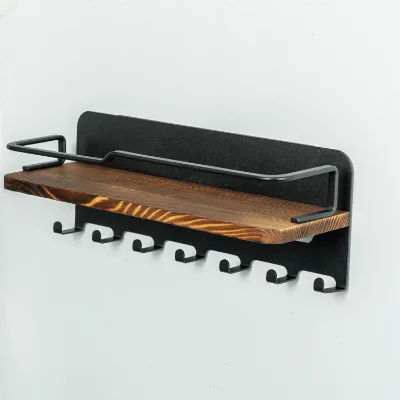
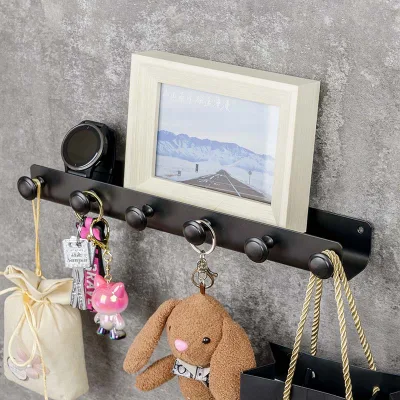
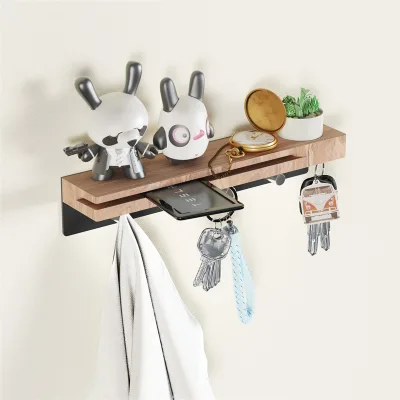
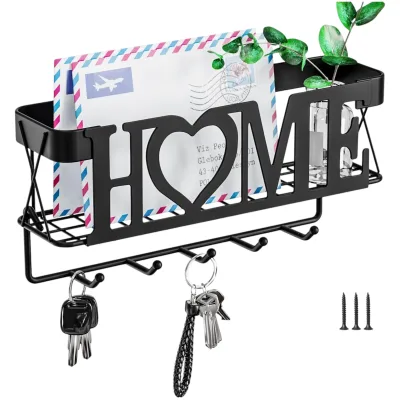
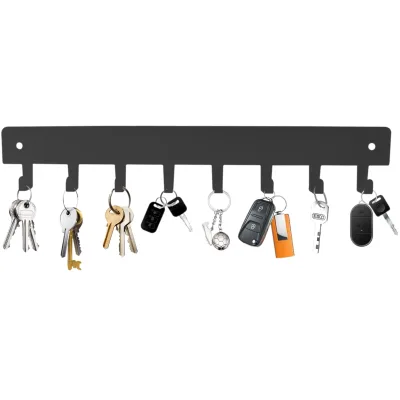
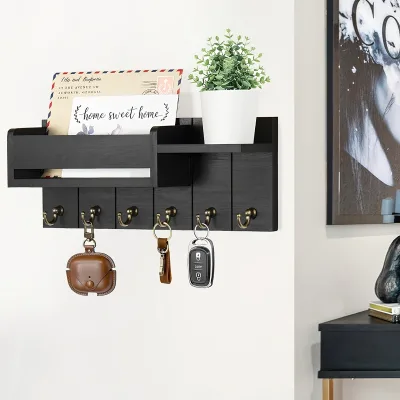
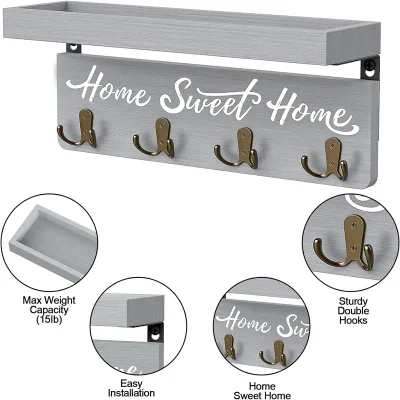
Kitchen Rack Multifunctional Key Holder for Storage Wooden High-end Storage Rack
$2.28 - $3.05
MOQ: 1000 pieces



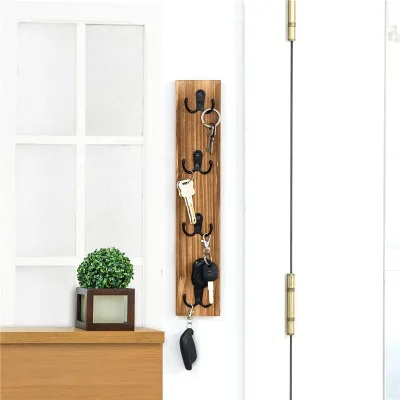
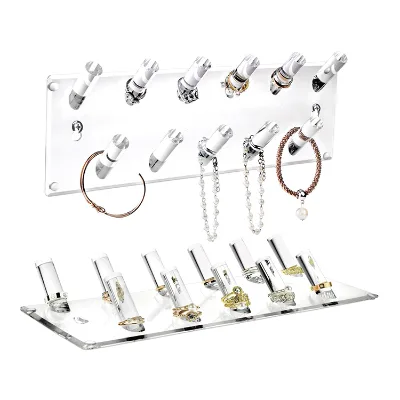
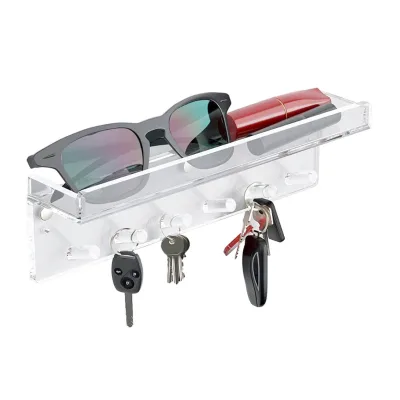


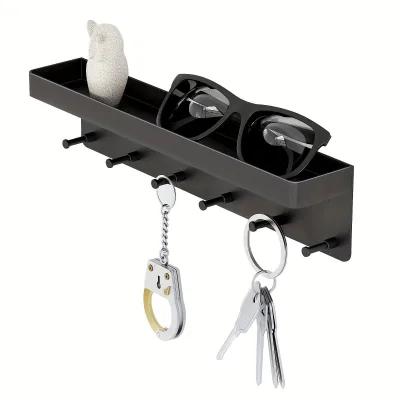
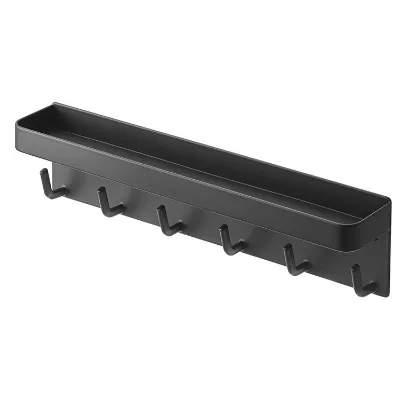
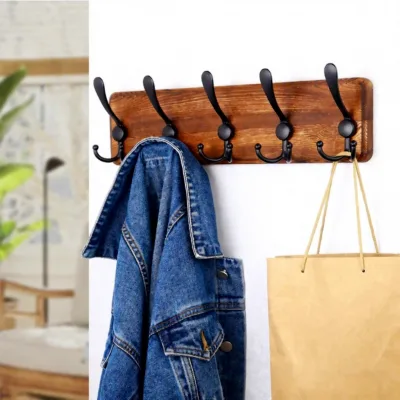
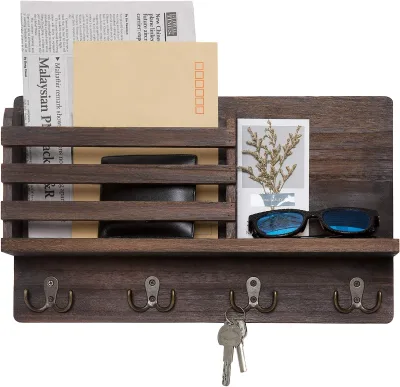
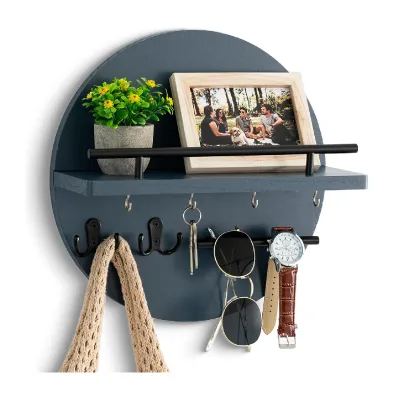



Comprehensive Sourcing Guide
V-Shaped Wall-Mounted Key Rack Sourcing Guide
Sourcing v-shaped wall-mounted key racks requires a clear understanding of the diverse product landscape available from manufacturers, particularly those concentrated in industrial hubs like Guangdong, China. Buyers must navigate a market where terminology can be ambiguous, with listings often using generic terms such as "key holder for wall" or "storage holders & racks" rather than specific geometric descriptors. The observed product range includes items described as having a "modern" style, with finishes ranging from lacquer to chrome, and materials spanning from pure iron to composite constructions involving wood. This variety means that a buyer searching for a specific v-shaped design must carefully scrutinize product images and detailed specifications to ensure the physical form matches their aesthetic and functional requirements.
The procurement process is further complicated by the presence of multifunctional designs and varying installation types, although wall mounting is the predominant method observed in current listings. Buyers should note that while some products are explicitly labeled for living rooms or entryways, others may list broader applications including bathrooms and kitchens, which necessitates a verification of material durability against humidity and wear. The distinction between single-tier and multi-tier structures is also critical, as the observed data indicates a prevalence of single-tier units, which may not meet the storage needs of high-traffic commercial environments. Therefore, defining the exact tier count and spatial footprint early in the inquiry process is essential to avoid receiving products that are functionally inadequate for the intended space.
Product Scope and Observed Listing Signals
The current market signals indicate a strong emphasis on sustainable features and modern aesthetics, with many suppliers highlighting their products as eco-friendly or made from recyclable metals like iron and cast iron. Buyers will encounter listings that specify a "carbon black" color palette, which aligns with contemporary interior design trends, alongside other standard finishes such as black lacquer or polished chrome. The observed product attributes suggest that manufacturers are catering to both residential and light commercial sectors, with some items explicitly designed for living rooms and entryways, while others are marketed for broader use in kitchens and bathrooms. This versatility requires buyers to assess the specific finish and material composition to ensure suitability for their target environment, particularly regarding resistance to scratches and corrosion.
In addition to aesthetic considerations, the functional design of these racks often includes multifunctional elements that go beyond simple key storage, such as integrated shelves or hooks for bags and hats. The observed data shows a range of dimensions, with some units measuring approximately 30x9x12 cm, while others are larger, indicating that buyers must carefully evaluate the spatial constraints of their installation site. The presence of OEM services suggests that customization is widely available, allowing buyers to tailor the product to their brand identity or specific functional needs. However, this customization potential must be balanced against the minimum order quantities and lead times, which can vary significantly depending on the complexity of the design and the chosen material finish.
Technical Specifications to Verify
When evaluating technical specifications, buyers must prioritize dimensional accuracy and weight tolerance, as these factors directly impact the installation process and the structural integrity of the mounted unit. The observed listings provide specific single package sizes, such as 35x15x10 cm or 47x34x25 cm, which are crucial for calculating shipping volumes and storage requirements. Additionally, dimensional tolerances are cited as being within ±1mm to ±5mm, a range that buyers should verify with their supplier to ensure that the product fits precisely within pre-drilled holes or designated wall spaces. Weight tolerance is another critical parameter, with some products specifying a tolerance of less than ±1%, while others allow for up to ±5%, which can affect the balance and stability of the rack once installed.
Material thickness and type are also key technical details that require verification, as the durability of the key rack depends heavily on the quality of the metal used. Listings indicate the use of iron, cast iron, and composite materials, with thicknesses ranging from 1mm to 1.3mm. Buyers should request detailed material certificates or samples to confirm that the metal grade meets their durability standards, especially for high-traffic areas where the rack will be subjected to frequent use. Furthermore, the finishing process, which may include brushing, polishing, powder coating, or chrome plating, should be specified to ensure that the surface treatment provides adequate protection against wear and tear, as well as aesthetic consistency across large orders.
Compliance and Safety Documentation
Compliance with safety and environmental standards is a critical aspect of sourcing wall-mounted key racks, particularly when these products are intended for use in public or commercial spaces. Buyers should inquire about the certification status of their suppliers, with RoHS compliance being a relevant standard for ensuring that the materials used do not contain hazardous substances. Although the observed data mentions RoHS as a background fact, buyers must actively verify this certification with their supplier to ensure that the products meet international environmental regulations. This verification is essential for maintaining brand reputation and avoiding potential legal issues related to the sale of non-compliant goods in regulated markets.
In addition to environmental compliance, buyers should also consider the structural safety of the wall-mounted units, ensuring that they are designed to support the intended load without risk of detachment. While specific load-bearing test results are not provided in the observed data, buyers should request engineering drawings or safety assessments from their suppliers to confirm the stability of the mounting mechanism. This is particularly important for racks that may be used to hold multiple keys, bags, or other heavy items. By prioritizing suppliers who provide comprehensive safety documentation, buyers can mitigate the risk of product failure and ensure a safe user experience for the end consumers.
Cost Drivers and Commercial Terms
The cost of v-shaped wall-mounted key racks is influenced by several factors, including the material type, finishing process, and order volume. The observed price range spans from $0.16 to $1200, reflecting the vast difference between simple, mass-produced items and high-end, customized designs. Buyers should be aware that the minimum order quantity (MOQ) typically starts at 1000 pieces, which can be a significant barrier for small businesses or those testing new product lines. However, some suppliers may offer lower MOQs for standard items, so buyers should negotiate based on their specific volume requirements and the supplier's production capacity.
Commercial terms such as payment methods and delivery times also play a crucial role in the overall cost structure. The observed data indicates that payments are commonly made via T/T or L/C, with sample times ranging from three days and delivery times around 30 days. Buyers should factor in these lead times when planning their inventory and marketing campaigns, as delays in production can impact their ability to meet customer demand. Additionally, buyers should inquire about any additional costs associated with customization, such as tooling fees for OEM orders, to ensure that the total cost of ownership is accurately calculated before committing to a purchase.
Supplier Qualification and Quality Control
Supplier qualification is a vital step in the sourcing process, requiring buyers to assess the manufacturing capabilities and quality control systems of potential partners. Buyers should prioritize suppliers who have a proven track record in producing metal and wooden key racks, as this experience often translates to better product consistency and reliability. The observed data indicates that many suppliers are located in Guangdong, China, a region known for its robust manufacturing infrastructure. Buyers should verify the supplier's production capacity and lead times to ensure that they can meet the required order volumes and delivery schedules.
Quality control measures should be clearly defined and agreed upon before production begins, including inspection protocols for dimensional accuracy, surface finish, and structural integrity. Buyers should request samples to evaluate the product quality firsthand, checking for issues such as sharp edges, uneven coatings, or weak mounting points. Additionally, buyers should inquire about the supplier's defect rate and their process for handling quality issues, such as returns or replacements. By establishing a rigorous quality control framework, buyers can minimize the risk of receiving substandard products and ensure that their inventory meets the expected standards of quality and durability.
Long-Term Procurement Checks
Long-term procurement success depends on establishing a sustainable relationship with suppliers who can consistently deliver high-quality products and adapt to changing market demands. Buyers should regularly review their supplier's performance metrics, including on-time delivery rates, product quality consistency, and responsiveness to issues. This ongoing evaluation helps identify potential risks and opportunities for improvement, allowing buyers to make informed decisions about their supply chain strategy. Additionally, buyers should stay informed about industry trends and technological advancements that may impact the design and functionality of wall-mounted key racks, ensuring that their product offerings remain competitive and relevant.
Furthermore, buyers should consider the environmental and social impact of their sourcing decisions, prioritizing suppliers who demonstrate a commitment to sustainability and ethical labor practices. The observed data highlights the importance of sustainable features, such as the use of recyclable materials and eco-friendly finishes, which are increasingly valued by consumers. By aligning their procurement strategy with these values, buyers can enhance their brand reputation and build loyalty among environmentally conscious customers. Regular communication with suppliers about sustainability goals and performance can foster a collaborative partnership that benefits both parties and contributes to a more responsible supply chain.
FAQs
What materials are used for v-shaped wall-mounted key racks?
These racks are typically constructed from metal, specifically iron or cast iron, often combined with wood for aesthetic appeal. The metal components undergo various finishing processes such as lacquer, powder coating, chrome plating, or polishing to ensure durability and a modern look suitable for living rooms and entryways.
Can I customize the size of a wall-mounted key holder?
Yes, OEM customization is warmly welcomed for these products. While standard sizes like 30x9x12cm or 20.1x4.9xH3.8cm are common, buyers can request specific dimensions. The thickness of the metal can also be adjusted, with options including 1mm, 1.2mm, or 1.3mm to meet specific structural requirements.
What is the typical lead time for ordering key racks?
The standard delivery time for bulk orders is approximately 30 days. For sample requests, the production time is significantly shorter, usually taking only 3 days. Payment terms typically include T/T or L/C, ensuring secure transactions for both buyers and manufacturers during the sourcing process.
What is the minimum order quantity for these key holders?
The minimum order quantity is generally set at 1000 pieces. This MOQ applies to standard production runs. Buyers should note that sample orders may have different requirements, but bulk procurement typically adheres to this threshold to ensure cost-effective manufacturing and shipping logistics for international suppliers.
Where are these wall-mounted key racks manufactured?
These products are primarily manufactured in Guangdong, China. This region is known for its robust manufacturing infrastructure and supply chain efficiency. Buyers sourcing from this location can expect access to a wide variety of styles, including modern designs suitable for living rooms, bathrooms, and kitchens.
How are these key racks packaged for shipping?
Individual units are typically packaged in polybags, with one piece per bag. For bulk shipping, they are packed in cartons with specific dimensions such as 35x15x10cm or 47x34x25cm depending on the model. The single gross weight ranges from approximately 0.6kg to 1.0kg, facilitating easier logistics planning.