Source v-shaped duct suspension bracket for HVAC, Construction, and Industrial Projects
Compare 30 v-shaped duct suspension bracket options from verified Chinese manufacturers. These steel and stainless steel fittings support HVAC systems, construction frameworks, and industrial shelving with cold pressing and galvanized finishes.
Key considerations
Products List


Best Quality HVAC Ventilation Suspension Brackets with Anti-Vibration Mount
$0.70 - $2.00
MOQ: 1 Pieces


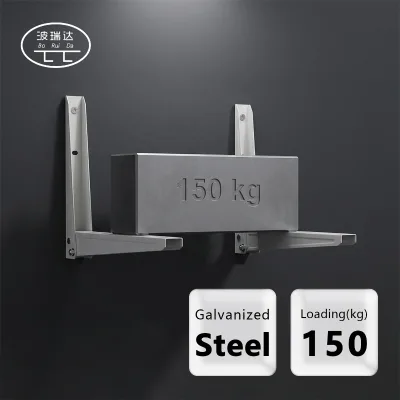

Rectangular Duct Suspension L-Type Brackets - L Hanger Bracket - L-Holder
$0.50 - $0.80
MOQ: 5000 Pieces


Comprehensive Sourcing Guide
Strategic Sourcing Guide for V-Shaped Duct Suspension Brackets
Understanding Technical Specifications and Material Integrity
When sourcing a v-shaped duct suspension bracket, the primary objective is to identify components that ensure structural stability while accommodating the specific weight and vibration profiles of HVAC ductwork. The v-shape geometry is critical as it provides a dual-point attachment that distributes load more evenly than single-point hangers, reducing stress on the duct material. Based on available market data, these components are frequently manufactured from high-grade steel or stainless steel, with galvanized sheet metal also appearing as a viable option for corrosion resistance in humid environments. The choice between stainless steel and galvanized steel often depends on the specific application environment; stainless steel offers superior longevity in aggressive chemical or marine settings, while galvanized steel provides a cost-effective solution for standard indoor air conditioning applications.
The physical dimensions of the bracket are equally vital. Market observations indicate that standard models often feature a size specification around 605945mm, though "common" sizing is also prevalent to accommodate various duct widths. The manufacturing process plays a significant role in the final product's durability. Cold pressing is a documented technique used in the production of these brackets, ensuring high tensile strength and precise dimensional accuracy without the thermal distortion associated with hot forming. Furthermore, surface treatments such as galvanization and Dacromet coating are standard requirements to prevent rust and extend the service life of the hardware. Buyers must verify that the selected supplier utilizes these specific surface treatments, as they are essential for maintaining the integrity of the suspension system over decades of operation.
Compliance, Certification, and Standard Adherence
Navigating the regulatory landscape is a non-negotiable aspect of B2B procurement for construction hardware. The v-shaped duct suspension bracket must adhere to rigorous international and national standards to ensure safety and performance. Data indicates that products in this category often comply with GB (Guobiao) standards, which are the primary national standards in China, as well as DIN and ANSI standards for international compatibility. The presence of ISO9001 certification is a high-confidence indicator of a supplier's commitment to quality management systems, ensuring that production processes are consistent and controlled.
Beyond quality management, specific product certifications are required for different markets. The supply chain frequently lists certifications such as CCC (China Compulsory Certification), CE (Conformité Européenne), and ISO/TS16949, which is particularly relevant if the brackets are intended for automotive-related ventilation systems or specialized industrial applications. Additionally, DOT (Department of Transportation) certification may be necessary for components used in transportation infrastructure. It is crucial for buyers to verify that the specific batch of brackets being purchased carries the relevant certification marks rather than relying on general supplier claims. The absence of ABS (Anti-lock Braking System) in these components is a standard attribute, as these are static structural supports rather than dynamic mechanical systems. Buyers should request valid certification documents and cross-reference them with the specific product model numbers, such as YRBR-02 or UT13TS1450, to ensure authenticity.
Cost Drivers and Pricing Variables
The pricing structure for v-shaped duct suspension brackets is influenced by a complex interplay of material costs, manufacturing complexity, and order volume. The observed price range in the market spans from 0 to 200 USD, a wide variance that reflects differences in material quality, finishing processes, and order quantities. The primary cost driver is the raw material; stainless steel commands a significantly higher price point than carbon steel or galvanized sheet metal due to its superior corrosion resistance and raw material costs. Additionally, the surface treatment process adds to the final cost; brackets with Dacromet coating are generally more expensive than those with standard galvanization due to the specialized chemistry and equipment required.
Order volume is another critical factor affecting the unit price. The Minimum Order Quantity (MOQ) varies widely, ranging from as low as 1 unit for sample orders to as high as 5000 units for bulk industrial procurement. Suppliers often offer tiered pricing structures where the unit cost decreases significantly as the order volume increases. For instance, an MOQ of 1000 units is a common threshold for accessing competitive pricing, while smaller orders may incur a premium. The packaging method also influences logistics costs; options such as pallets, cartons, or export packing affect the efficiency of shipping and handling. Buyers should evaluate the total landed cost, including shipping and packaging, rather than focusing solely on the unit price, as inefficient packaging can lead to damage and increased replacement costs.
Typical Applications and Usage Scenarios
V-shaped duct suspension brackets are versatile components designed for a wide array of applications beyond simple duct support. While their primary function is to secure HVAC ductwork, the market data suggests they are also utilized as shelf brackets, wall brackets, and projector mounts in commercial and residential settings. The "Simple Modern" style often associated with these brackets makes them suitable for visible installations in retail spaces or open-plan offices where aesthetics matter. The usage category extends to "Line Fittings" in industrial piping systems, highlighting their adaptability across different sectors.
The specific application dictates the required specifications. For air conditioning systems, the brackets must support the weight of the ducts while allowing for thermal expansion and contraction. In commercial projects, the "Complex" tent type or specific mounting configurations may be required to accommodate irregular ceiling structures. The color of the bracket, often available in blue or pure finishes, can be a selection criterion for projects requiring color coordination with other building elements. Furthermore, the condition of the product must be "New" to ensure maximum load-bearing capacity and safety. Buyers should assess whether the bracket is adjustable or unadjustable; market data indicates that unadjustable models are common, which simplifies installation but requires precise measurement during the planning phase.
Supplier Evaluation and Service Capabilities
Selecting the right supplier requires a thorough evaluation of their manufacturing capabilities and service offerings. A key differentiator in the market is the availability of customization services. Many suppliers offer "Customization: Available," allowing buyers to specify dimensions, materials, and surface treatments to meet unique project requirements. However, it is important to distinguish between custom and non-customized options, as non-customized products often have lower MOQs and faster lead times. The "Service" attribute often includes OEM (Original Equipment Manufacturer) and ODM (Original Design Manufacturer) capabilities, indicating that the supplier can produce branded products or modify existing designs.
Geographic location is another factor to consider. The majority of suppliers in this sector are located in China, with specific hubs like Hebei emerging as significant production centers. This concentration allows for economies of scale but requires careful logistics planning. The "After-Sales Service" is a critical component of supplier evaluation, with a standard offering of one year of support. Buyers should verify the scope of this service, including warranty terms and response times for defect resolution. Additionally, the availability of free samples is a valuable indicator of supplier confidence in their product quality. A supplier willing to provide samples allows buyers to physically inspect the product for fit, finish, and material quality before committing to a large order.
Quality Control and Long-Term Procurement Considerations
Maintaining product quality is paramount in the procurement of structural hardware. High-confidence facts indicate that leading suppliers implement rigorous quality control measures, such as "100% QC Steps Inspect Before Shipment." This ensures that every bracket meets the specified standards for dimensions, material strength, and surface finish. The inspection process should cover critical attributes such as the "Shape" (Round or V-shaped), "Color," and the integrity of the "Rubber" components if EPDM rubber is used for vibration damping. Buyers should request detailed inspection reports or certificates of analysis to verify that the products have passed these stringent checks.
Long-term procurement considerations involve assessing the supplier's ability to maintain consistency over time. The "Production Arts" and "Manufacturing Arts" described as "Metal" and "Cold Pressing" suggest a stable production process, but buyers must ensure that the supplier has the capacity to scale production without compromising quality. The "Standard" attribute, which may vary between GB, DIN, ANSI, or custom specifications, must remain consistent across all batches. Furthermore, the "Code" for the product, such as 87169000, is essential for customs clearance and inventory management. Buyers should establish a long-term relationship with suppliers who demonstrate reliability in meeting delivery schedules and maintaining stock levels for critical components. By focusing on these quality and consistency factors, buyers can mitigate risks and ensure the long-term performance of their duct suspension systems.
Comparative Analysis of Product Attributes
To facilitate informed decision-making, the following table summarizes key attributes observed in the market for v-shaped duct suspension brackets. This comparison highlights the variability in specifications and helps buyers identify the most suitable options for their specific needs.
| Attribute Category | Observed Options | Relevance to Procurement |
|---|---|---|
| Material | Steel, Stainless Steel, Galvanized Sheet | Determines corrosion resistance and load capacity. |
| Surface Treatment | Galvanized, Dacromet | Affects longevity and suitability for humid environments. |
| Manufacturing Process | Cold Pressing | Ensures high tensile strength and dimensional precision. |
| Certifications | ISO9001, CE, CCC, ISO/TS16949, DOT | Mandatory for regulatory compliance in various markets. |
| Packaging | Pallet, Carton+Pallet, Export Packing | Impacts shipping efficiency and product protection. |
| Customization | Available, Non-Customized | Influences lead time and unit cost. |
| Origin | China, Hebei, China | Affects logistics costs and supply chain reliability. |
| Standard | GB, DIN, ANSI, Customized | Ensures compatibility with local building codes. |
| MOQ Range | 1 - 5000 Units | Determines minimum investment required. |
| Price Range | 0 - 200 USD | Reflects material and volume differences. |
This comparative overview underscores the importance of aligning product specifications with project requirements. By carefully evaluating these attributes, buyers can select v-shaped duct suspension brackets that offer the optimal balance of performance, compliance, and cost-effectiveness.
FAQs
What materials are used for v-shaped duct suspension brackets?
These brackets are commonly made from steel, stainless steel, or galvanized sheet. The choice depends on the environment, with stainless steel offering superior corrosion resistance for aggressive settings while galvanized steel suits standard indoor applications.
Which certifications should I verify for these brackets?
Look for ISO9001, CE, CCC, ISO/TS16949, and DOT certifications. These marks indicate compliance with quality management systems and specific regional safety standards required for construction hardware and transportation infrastructure applications.
How does the manufacturing process affect product durability?
Cold pressing is a standard technique used to ensure high tensile strength and precise dimensions. This process avoids thermal distortion, providing the structural stability needed to support HVAC ductwork loads effectively over decades.
Can I customize the dimensions of these suspension brackets?
Customization is available for many suppliers to meet unique project requirements. However, non-customized options often have lower minimum order quantities and faster lead times, so specify your needs clearly before ordering.
What is the typical price range for these brackets?
The observed price range spans from 0 to 200 USD depending on material and volume. Stainless steel and Dacromet coatings generally cost more than standard galvanized steel, and bulk orders reduce the unit price significantly.
Where are these brackets typically manufactured?
The majority of suppliers are located in China, with Hebei emerging as a significant production hub. This concentration allows for economies of scale but requires careful logistics planning for international shipping.
What quality control steps are performed before shipment?
Leading suppliers implement 100% QC steps to inspect every bracket before shipment. This ensures all units meet specified standards for dimensions, material strength, and surface finish like galvanization or Dacromet coating.