Source V6 Petrol Engine Assembly for Generators, Trucks, and Boats
Source a v6 petrol engine assembly from 30 verified listings. Compare specifications such as cylinder arrangement, cooling methods, and power output to find the right fit for your industrial or automotive needs; compare the available evidence and request quotations based on your requirements.
Key considerations
Products List


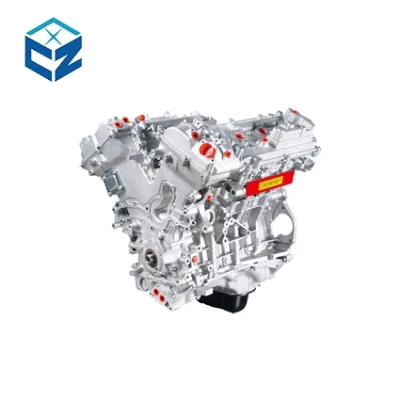


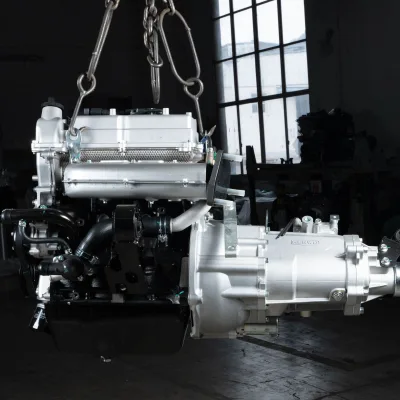


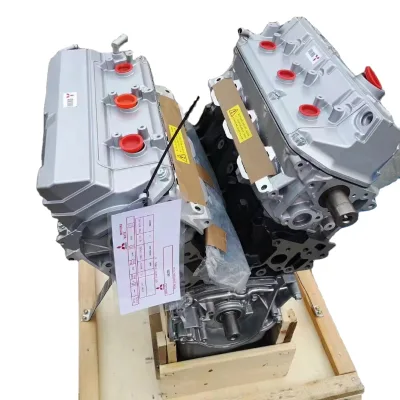



Comprehensive Sourcing Guide
V6 Petrol Engine Assembly Sourcing Guide
The global market for V6 petrol engine assemblies presents a complex landscape where buyers must distinguish between genuine multi-cylinder units and single-cylinder alternatives often mislabeled in broad search results. While the core keyword implies a specific six-cylinder configuration, current listings frequently feature single-cylinder air-cooled or electric motor variants that do not meet the structural requirements of a true V6 assembly. Procurement teams must rigorously verify the cylinder arrangement form and piston movement type to ensure the product matches the intended application, as observed data shows a mix of H-arranged, L-arranged, and reciprocating units alongside rotary designs.
Buyers should prioritize suppliers who explicitly define the cylinder count and ignition mode in their technical specifications rather than relying on generic product titles. The observed inventory includes models with naturally aspirated intake systems and specific fuel types like gasoline, yet many entries lack clear confirmation of a six-cylinder layout. To mitigate the risk of receiving incompatible hardware, purchasers must demand detailed diagrams showing the cylinder bank angle and verify that the engine code corresponds to a known V6 architecture before committing to any commercial transaction.
Product Scope and Observed Listing Signals
Current market signals indicate a significant divergence between the search intent for V6 assemblies and the actual available inventory, which often includes single-cylinder combustion engines and electric motors. Listings frequently display varying cylinder arrangement forms, such as H or L configurations, and piston movements ranging from reciprocating to rotary, none of which inherently describe a standard V6 petrol engine. This discrepancy suggests that buyers must carefully filter search results to exclude single-cylinder units and focus on specifications that explicitly confirm a six-cylinder layout and appropriate fuel delivery systems.
The observed product range also includes diverse packaging standards, from simple carton boxes to brown cartons with pallets, which can impact logistics planning and storage requirements. Some entries list specific dimensions like 376312335mm or 542X500X507, while others provide single package sizes of 70X60X80 cm, indicating that physical dimensions vary widely across different engine types. Buyers must cross-reference these physical attributes with their installation space constraints to ensure that the selected assembly fits within the designated vehicle or machinery chassis without requiring extensive modification.
Technical Specifications to Verify
Verification of the engine model number and cylinder configuration is the primary technical step in sourcing a V6 petrol assembly, as generic listings often obscure critical details. Buyers must confirm that the product model corresponds to a known V6 architecture, distinguishing it from single-cylinder units like the HL420 or UP190 series observed in the market. The ignition mode, whether electric or standard ignition, and the intake pressure impulse, typically naturally aspirated for these applications, must be explicitly stated to ensure compatibility with the vehicle's electrical and air intake systems.
Power output and torque ratings are essential metrics that define the performance envelope of the engine assembly, yet observed data shows a wide variance in reported values. While some listings mention power figures like 118kw, others provide torque values such as 40nm, which may not align with the high-speed requirements of a V6 application. Procurement teams should request certified test data or manufacturer datasheets that validate the power-to-weight ratio and ensure the engine meets the specific performance demands of the intended vehicle or industrial equipment.
Compliance and Safety Documentation
Ensuring that the engine assembly meets international safety and environmental standards is a critical requirement for any B2B procurement process involving internal combustion engines. Buyers must verify that the supplier provides documentation confirming compliance with relevant emission standards and safety regulations, as the observed listings do not explicitly state certification status for specific models. Without clear evidence of adherence to these standards, the engine may face regulatory hurdles in the destination market, potentially leading to import delays or legal liabilities.
The condition of the engine, whether new or refurbished, must be clearly documented with supporting evidence such as professional testing reports or quality assurance certificates. Some observed listings claim 100% professional testing, but buyers should demand independent verification of these claims to ensure the engine's reliability and longevity. Additionally, the origin of the product, whether from Fuzhou, Yancheng, or Chongqing, should be cross-referenced with the supplier's ability to provide traceable manufacturing records and compliance documentation for the specific batch being purchased.
Cost Drivers and Commercial Terms
The cost of a V6 petrol engine assembly is influenced by multiple factors, including the complexity of the engine design, the materials used, and the specific model number. Observed data indicates a wide price range from 10 to 10,000 USD, reflecting the diversity of products available, from basic single-cylinder units to more complex assemblies. Buyers must carefully analyze the price-to-specification ratio to avoid overpaying for products that do not meet the required V6 configuration or performance standards.
Commercial terms such as minimum order quantity (MOQ) and payment methods also play a significant role in the total cost of ownership. While some listings offer an MOQ of just 1 piece, others may require higher volumes, and payment options range from TT and PayPal to Western Union and Trade Assurance. Procurement teams should negotiate terms that align with their cash flow and risk management strategies, ensuring that the supplier offers secure payment channels and clear delivery timelines to mitigate the risk of supply chain disruptions.
Supplier Qualification and Quality Control
Selecting a qualified supplier requires a thorough assessment of their manufacturing capabilities, quality control processes, and track record in the engine assembly market. Buyers should verify that the supplier has a proven history of producing engines that meet the specific technical requirements of a V6 configuration, rather than relying on generic listings that may not accurately represent the product. The presence of specific brand names like Toyota or XCZ in the listings suggests that buyers should prioritize suppliers with established reputations and verified partnerships with major automotive manufacturers.
Quality control measures, such as 100% professional testing and adherence to specific standards, are essential indicators of a supplier's reliability. Buyers must request detailed quality assurance reports and inspection certificates to confirm that the engine assembly has undergone rigorous testing for durability and performance. Additionally, the supplier's ability to provide customization options and handle after-sales support should be evaluated to ensure long-term operational stability and minimal downtime for the end-user.
Long-Term Procurement Checks
Establishing a long-term procurement strategy for V6 petrol engine assemblies involves regular audits of supplier performance and continuous monitoring of market trends. Buyers should implement a system for tracking delivery times, which can range from 1 to 7 days, and assess the supplier's ability to meet these timelines consistently over multiple orders. This proactive approach helps identify potential supply chain bottlenecks and ensures that the procurement process remains efficient and responsive to changing market conditions.
Continuous evaluation of the engine's performance in the field is crucial for maintaining high standards of quality and reliability. Buyers should collect feedback from end-users regarding the engine's durability, fuel efficiency, and maintenance requirements to inform future purchasing decisions. By maintaining a close relationship with suppliers and staying informed about technological advancements in engine design, procurement teams can ensure that their organization remains competitive and capable of meeting the evolving demands of the automotive and industrial sectors.
FAQs
What cooling systems are available for single-cylinder engines?
Air-cooled systems are commonly used for single-cylinder engines to maintain optimal operating temperatures without complex liquid circuits. This design reduces weight and maintenance needs. Buyers should verify the specific cooling method required for their application to ensure reliable performance under varying load conditions and environmental factors.
Can these engines be customized for specific applications?
Yes, customization is available for many engine models to meet unique operational requirements. Buyers can often specify modifications for mounting, fuel type, or electrical systems. It is essential to confirm the extent of available customization with the supplier before ordering to ensure the final product integrates seamlessly with existing machinery.
What is the typical packaging for these engine units?
Engines are typically packed in carton boxes or brown cartons with pallets for secure shipping. Proper packaging protects the unit from damage during transit. Buyers should verify the exact packing dimensions and weight to calculate accurate shipping costs and ensure the packaging meets their logistical requirements for safe delivery.
Where are these engines typically manufactured?
These engines are primarily manufactured in China, with origins in regions like Fuzhou, Yancheng Jiangsu, and Chongqing. Manufacturing locations can vary by model and supplier. Buyers should check the specific origin for each product to understand supply chain dynamics, potential tariffs, and the logistical implications of sourcing from these regions.
What ignition modes are supported by these engines?
Engines support various ignition modes, including standard ignition and electric ignition systems. The choice depends on the engine model and intended use. Buyers must select the appropriate ignition type to match their vehicle or machinery's electrical system, ensuring reliable starting performance and compatibility with existing control interfaces.